Styling Combs: Stainless Steel Rat Tail & Pocket Combs
11 items











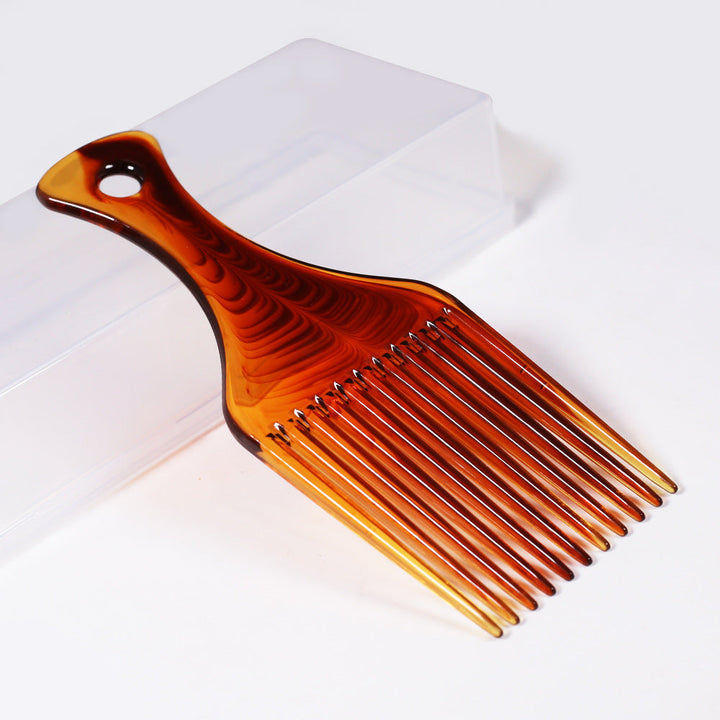

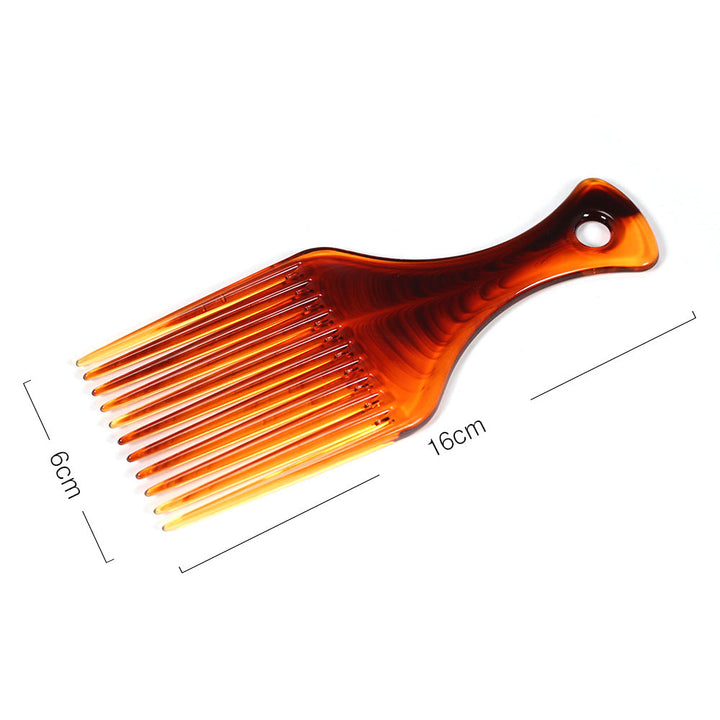


Find practical styling combs for parting, smoothing, shaping and adding volume to hair. This selection includes a wide-tooth hair pick comb for lift and fuller styles, plus a dual-sided styling comb with rounded teeth for controlled smoothing and slicked-back looks.
How to choose styling combs for hair
Start with your hair type and the result you want. A wide-tooth hair pick comb is useful for lifting roots, separating curls and building volume without compressing the shape as much as a fine comb. For straight, short or closely controlled styles, a dual-sided styling comb offers more precision for parting, smoothing and shaping. If you are looking for hair cutting combs, choose a comb with a comfortable grip and teeth that let you see and control small sections clearly. For styling combs for curly hair, wider spacing is usually easier to work through than closely spaced teeth. For straightening hair, a narrower section of teeth can help guide hair while you smooth it with your other hand or a styling tool.
Which types of styling combs are best for different looks
Wide-tooth and pick-style combs are suited to volume, root lift and separating larger sections. They can also help refresh curly or textured hair when used gently and mainly at the roots. A dual-sided styling comb is more versatile for neat parts, side-swept styles, slicked-back hair and detail work around the hairline. Its rounded teeth are designed for a smoother feel during everyday styling. Professional hair styling combs often include more than one tooth spacing so the user can switch between sectioning and finishing. For a ladies' hair cutting comb, a balanced, easy-to-control design is useful when dividing hair into clean sections before trimming or shaping. Choose the simplest type that matches your routine rather than buying a comb for a look you rarely wear.
What to look for in a styling comb
Inspect the tooth spacing, tooth shape, overall size and material before buying. Wide spacing suits volume, curls and larger sections, while closer teeth offer more control for smoothing and polished finishes. Rounded teeth can feel more comfortable against the scalp and are a practical choice for repeated styling. Stainless steel is a useful option when you want a firm, durable comb that resists bending during sectioning or shaping. A pocket-sized design is convenient for travel, quick touch-ups and keeping in a grooming kit; a larger pick can provide better reach at the roots. Also check whether the comb is single-sided or dual-sided. Two tooth patterns in one tool can reduce the need to switch combs while creating a style.
How to use styling combs without pulling hair
Work in small sections and begin at the ends when detangling, gradually moving upward instead of forcing the comb from roots to tips. For a pick comb, place the teeth near the roots and lift gently to add shape; avoid repeatedly dragging through the full length if you want to preserve texture or curls. For a dual-sided comb, use the wider side to arrange sections and the finer side to smooth the surface or define a part. When styling damp hair, use light pressure and pause if the comb catches. To create a slicked-back look, guide hair in the direction you want while applying your preferred styling product separately. Clean the comb after use so loose hair and product residue do not transfer back onto your hair.
Common styling comb mistakes to avoid
Using a fine comb on dense curls or heavily textured hair can create unnecessary pulling and may disrupt the shape. Choose a wide-tooth pick when you need volume or separation, and avoid forcing any comb through a knot. Another common mistake is starting at the roots when detangling; begin lower down and work upward in manageable sections. Do not use a pick comb to flatten a style when your goal is root lift, and do not expect a wide-tooth comb to create a sharply polished finish. Applying too much pressure can make a comb uncomfortable, especially around the hairline. Finally, avoid sharing an unclean comb and remove buildup regularly. These simple habits help styling combs work more predictably across straight, wavy, curly and textured hair.
Who should use a styling comb
Styling combs suit anyone who parts, smooths, shapes or adds volume to their hair at home or on the go. A wide-tooth hair pick comb is a practical choice for curly, wavy and textured hair, as well as anyone who wants lift at the crown or fuller-looking roots. A dual-sided styling comb suits straight hair, short cuts, polished ponytails, side parts and slicked-back styles. It can also help users who want one compact tool for sectioning and finishing. Home stylists can use these combs for everyday grooming, while barbers, hairstylists and people learning hair cutting techniques may prefer the control of a durable stainless steel design. If your hair is easily tangled or sensitive to pulling, select wider spacing and use a gentle, section-by-section technique.
Frequently asked questions
What is a styling comb?
A styling comb is a tool for parting, smoothing, shaping, separating and adding volume to hair. Different designs use different tooth spacing: wide teeth support curls and lift, while closer teeth help with polished finishes and detailed control.
Which comb is best for styling hair?
The best comb depends on the look and your hair type. Choose a wide-tooth pick for curls, texture and root volume, or a dual-sided comb for parts, smoothing and slicked-back styles.
Do styling combs work?
Yes, the right styling comb can make sectioning, smoothing, shaping and root lifting easier. Results depend on choosing suitable tooth spacing and using gentle, controlled strokes rather than forcing the comb through tangles.
Do texture combs really work?
A pick-style texture comb can help separate hair, lift roots and add visible shape to wavy, curly or textured styles. It is most effective when used gently at the roots or through small sections, rather than repeatedly combing through the entire style.
What is the best texture comb?
A wide-tooth hair pick comb is a practical choice for texture, volume and curl separation. Look for firm teeth, a comfortable shape and spacing that moves through your hair without excessive pulling.
When should you not comb hair?
Avoid combing when the tool catches, pulls or forces through a knot. For fragile-feeling, curly or textured hair, use smaller sections and a wide-tooth comb, and stop if the technique is disrupting the style or causing discomfort.