Sports Nutrition: Creatine Monohydrate & Performance Fuel
11 items





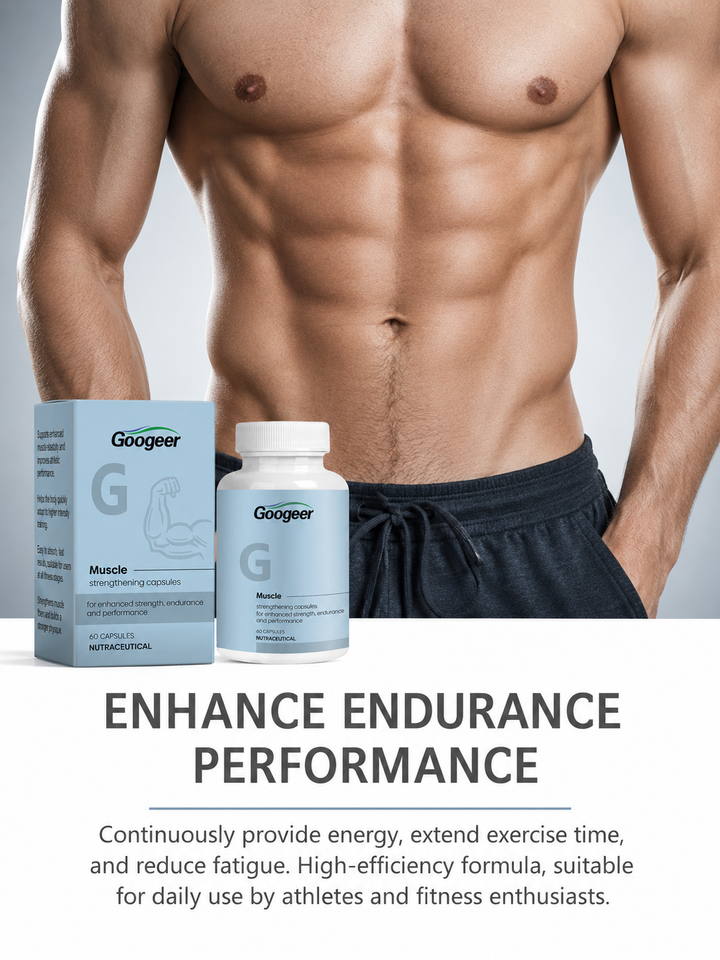












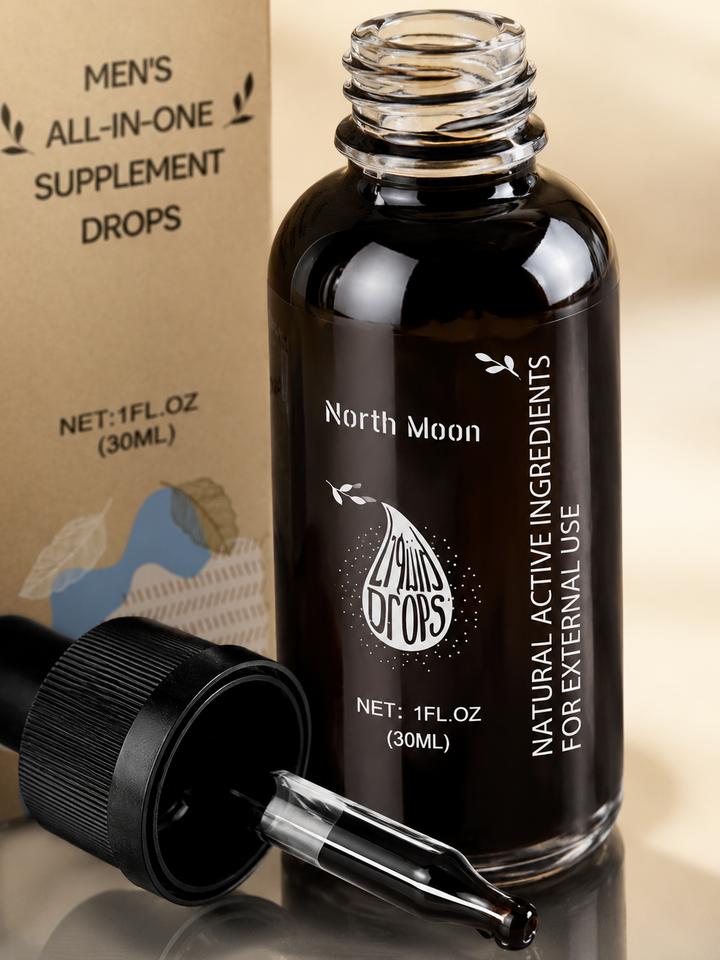





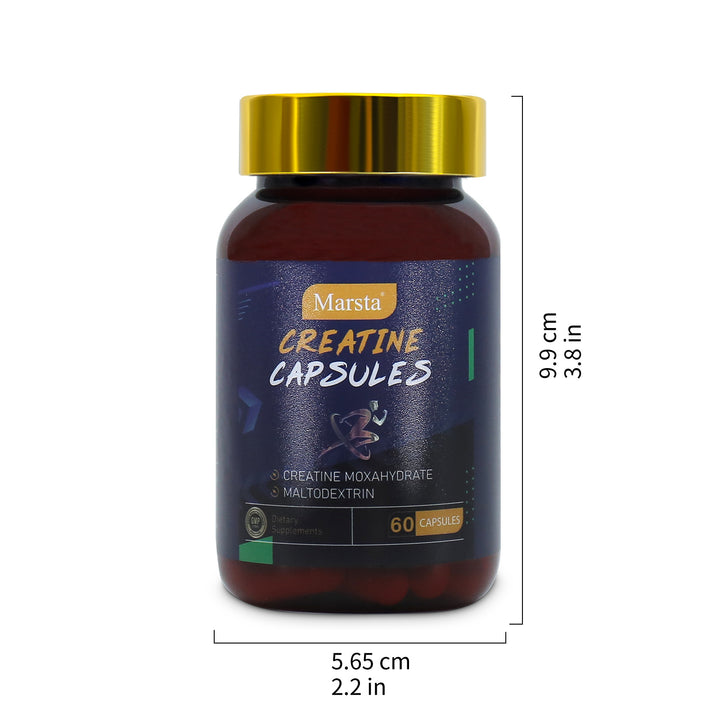






Sports nutrition products can help simplify a consistent training routine, especially when you want a convenient way to use creatine. This category focuses on creatine monohydrate in capsules and gummies, so you can compare formats, serving details, and everyday convenience before buying.
How to choose sports nutrition supplements for training
Start with your routine, preferred format, and the amount of creatine provided per serving. Creatine Monohydrate Capsules provide 2.5g of pure creatine per serving and suit shoppers who prefer a measured, no-mixing option. Creatine Gummies are easier to carry and take without water, but check the product label carefully because the two gummy options list different creatine amounts. Consider how often you train, whether you travel, and whether capsules or a chewable format is easier to use consistently. Sports nutrition is broader than one supplement, so also review your meals, fluids, sleep, and training plan. If you are comparing sports nutrition supplements, choose clear ingredient information over flashy promises and select the format you are most likely to use as directed.
Creatine capsules vs gummies: which type is best?
Capsules and gummies offer different ways to add creatine monohydrate to a sports nutrition routine. The 2.5g Creatine Monohydrate Capsules provide a clearly stated amount of pure creatine in a compact format, making them useful for shoppers who want straightforward portioning. The Creatine Gummies — Convenient Daily Performance & Muscle are designed for quick, portable use, while the Creatine Gummies — 82mg Pure Creatine for Energy & Performance list a much smaller amount per serving. That difference makes label comparison essential rather than assuming every gummy provides the same quantity. Capsules may suit people who dislike sweet flavors; gummies may suit people who avoid swallowing capsules. Review serving directions, ingredients, and storage guidance for each product before deciding.
What to look for in a creatine supplement
Look for the specific ingredient, amount per serving, serving directions, and format. Each product here is based on creatine monohydrate, but the listed amount differs: the capsules contain 2.5g per serving, while the gummy products have their own stated quantities, including an 82mg option. Read the full label to confirm how many capsules or gummies make one serving and whether the product contains sweeteners, flavors, or other ingredients you prefer to avoid. Clear packaging information is particularly useful when shopping for sports nutrition near me or comparing products on a sports nutrition website. Avoid choosing solely because a product uses words such as strength, energy, or performance. Instead, match the label to your own routine and follow the directions provided with the product.
How to use creatine monohydrate in a sports nutrition routine
Use the product according to its label, including the stated serving size and storage instructions. Pick a repeatable time that fits your schedule, such as alongside a meal or after a regular training session, but consistency and label directions matter more than a complicated timing plan. Capsules can be taken with water, while gummies offer a ready-to-use alternative when you are away from home. Do not assume that one gummy serving equals one capsule serving: compare the listed creatine amount before switching formats. Sports nutrition works best as part of a broader plan that includes suitable meals, fluids, and rest. If you have a health condition, take medication, are pregnant or breastfeeding, or are unsure whether creatine is appropriate for you, ask a qualified healthcare professional before use.
Common mistakes when buying sports nutrition supplements
A common mistake is comparing only the product name while overlooking the amount per serving. The three products in this category do not list the same quantity, so check the facts panel and serving directions every time. Another mistake is treating gummies and capsules as interchangeable without confirming the serving size. Some shoppers also expect a supplement to replace balanced meals, adequate fluids, or a structured training plan; it cannot do all three. Avoid copying a routine from a sports nutrition book, PDF, forum, or social post without checking whether it fits your needs. Finally, do not follow an unfamiliar loading schedule or combine multiple products without understanding their ingredients. If advice seems unclear, a registered dietitian or qualified sports nutritionist can help you assess your overall plan.
Who is creatine monohydrate suitable for?
Creatine monohydrate may suit adults who want a simple, repeatable supplement format to fit around resistance training, field sports, or other active routines. The best choice depends on practical preferences: capsules provide a measured 2.5g serving, while gummies offer portable alternatives with different listed amounts. It may not be suitable for everyone, and product labels should be read before use. People under 18, those who are pregnant or breastfeeding, and anyone with a medical condition or regular medication should seek professional advice before taking a supplement. A sports nutritionist can discuss how a product fits with your food intake and training goals; their role is broader than recommending a single supplement. Choose the product you can use correctly and consistently rather than the format with the most ambitious wording.
Frequently asked questions
What does a sports nutritionist do?
A sports nutritionist helps active people plan food, fluids, and supplements around training, competition, recovery, and personal goals. They may review your current routine and help you decide whether a product such as creatine fits your needs. Qualifications and scope can vary, so check the professional's credentials.
What is the 4-2-1 rule for athletes?
The phrase 4-2-1 rule is used in different ways across training and nutrition resources, so it is not a single universal sports nutrition standard. Do not apply an unfamiliar hydration, meal, or supplement formula without confirming what it means and whether it suits your activity; ask a qualified coach or healthcare professional for context.
What is the best website for sports nutrition?
There is no single best website for every shopper. Look for sites that identify ingredients and serving amounts clearly, explain how to use products, and distinguish general information from professional advice. For personal dietary or health questions, use guidance from a qualified dietitian, sports nutritionist, or healthcare professional rather than relying on an anonymous sports nutrition website.
What is the best nutrition for athletes?
The best approach depends on the sport, training load, schedule, preferences, and individual needs. A balanced eating pattern with suitable meals and fluids is the foundation, while supplements such as creatine can be considered as an addition rather than a replacement. A qualified professional can help tailor a plan.
What are the top 5 supplements for athletes?
There is no universal top-five list because supplement needs vary and product quality and serving amounts differ. Creatine monohydrate is one option athletes commonly compare, but a supplement should be selected for a clear purpose and checked against the label. Discuss any proposed stack with a qualified professional, especially if you take medication or have a health condition.
Which protein is best for a sports person?
The best protein depends on dietary preferences, allergies, tolerance, convenience, and your overall food intake. Common options include dairy-based and plant-based proteins, but this category contains creatine monohydrate rather than protein powder. Compare the ingredient list and nutrition panel, and ask a dietitian for personalized guidance if needed.
Can I find sports nutrition near me?
You can search local supplement shops, gyms, pharmacies, and specialist retailers, or compare products through an online sports nutrition website. Before buying, check the product label, serving amount, ingredients, and storage guidance. Local availability does not replace the need to choose a format and serving that fit your routine.