Smoking Cessation Aids: Best Quit & Stop Smoking Aids
6 items
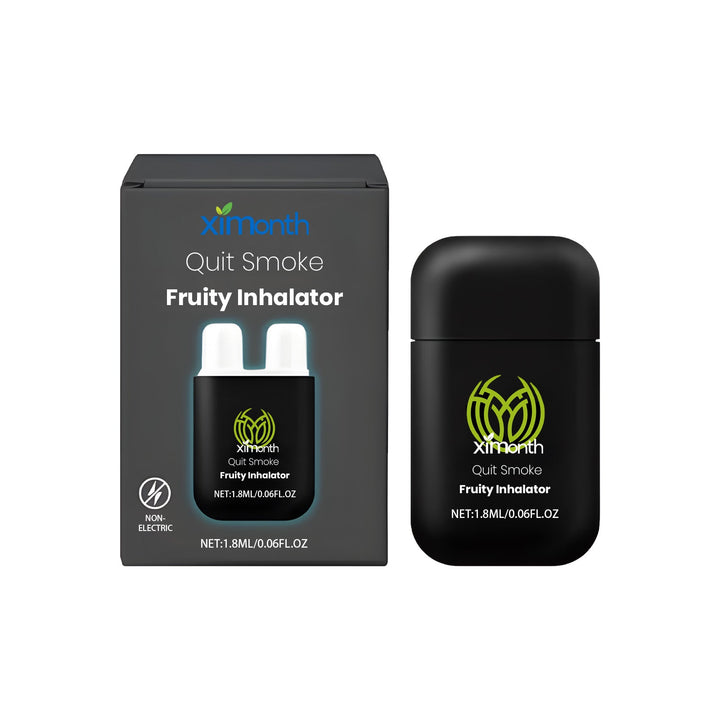




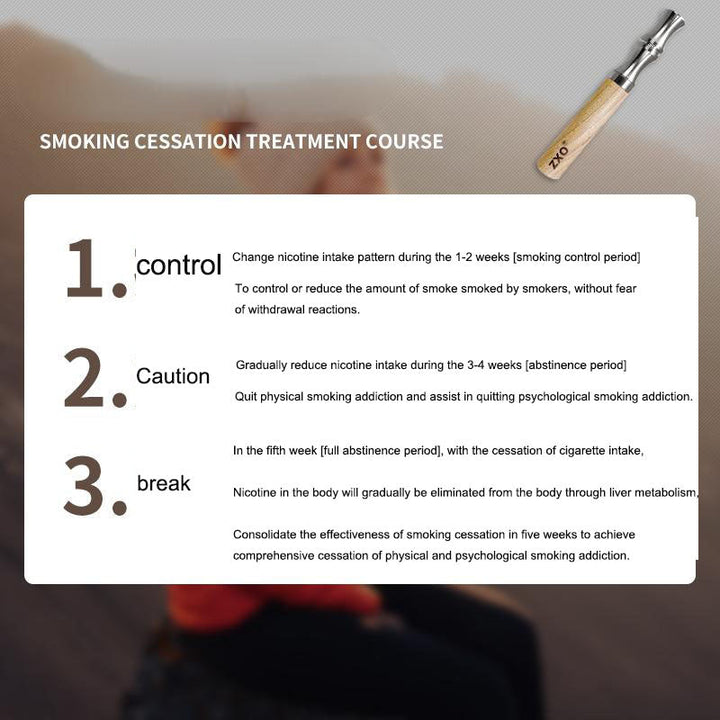
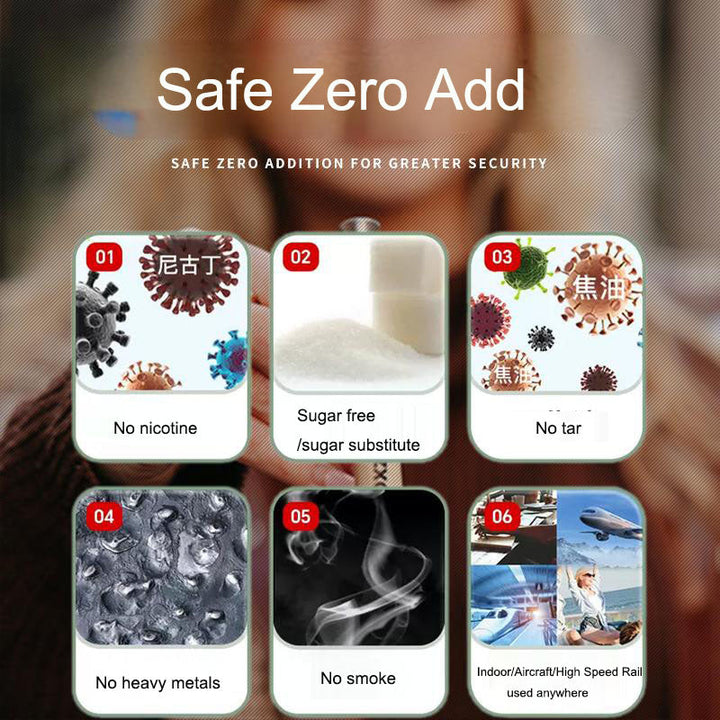

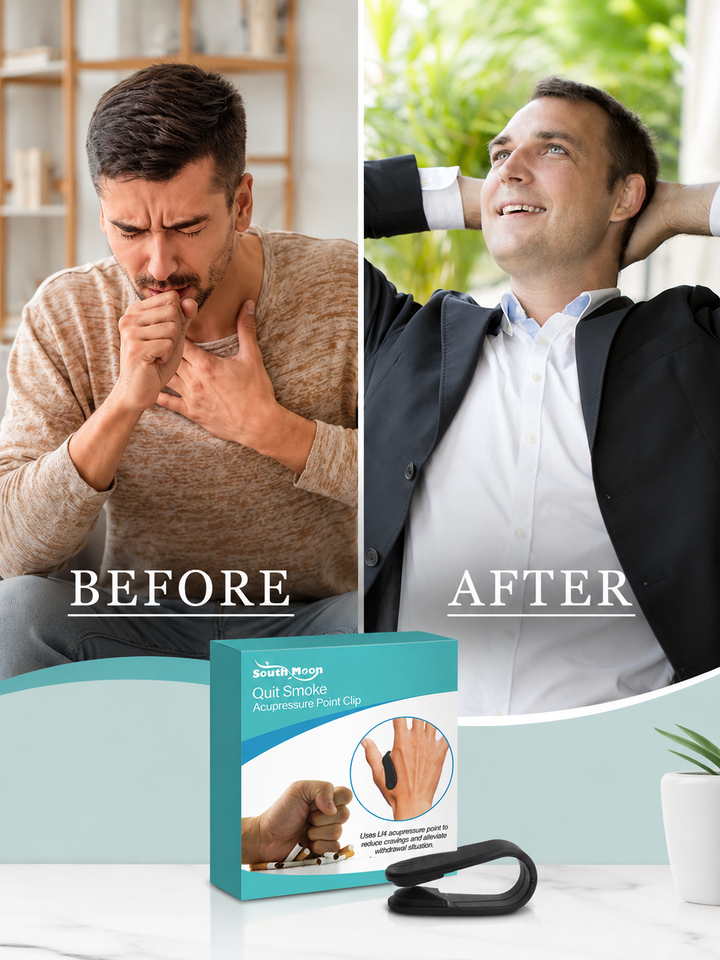
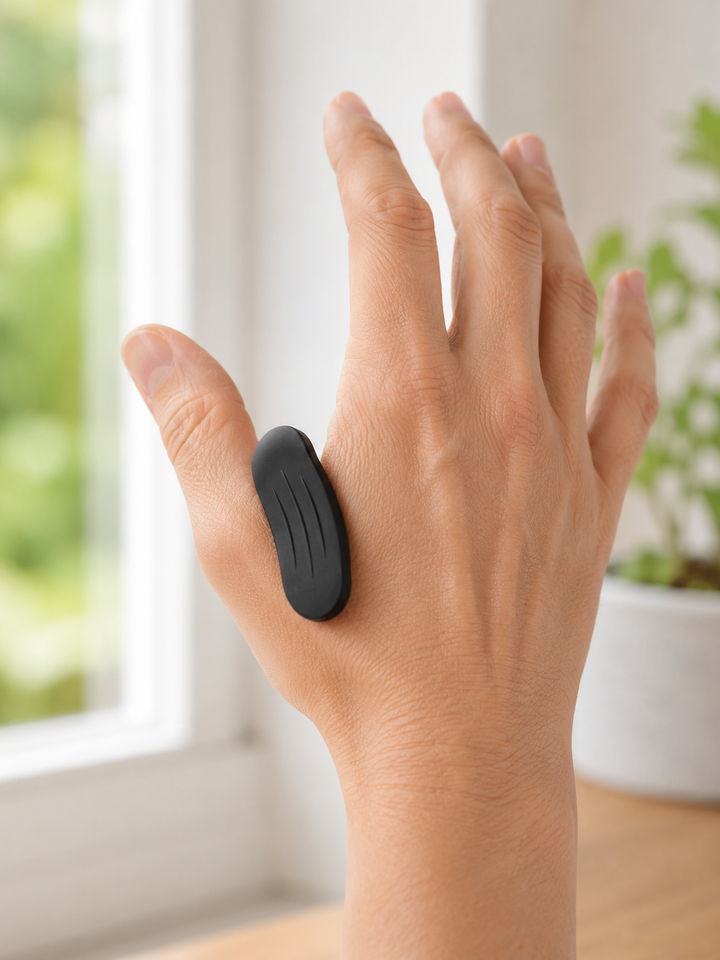
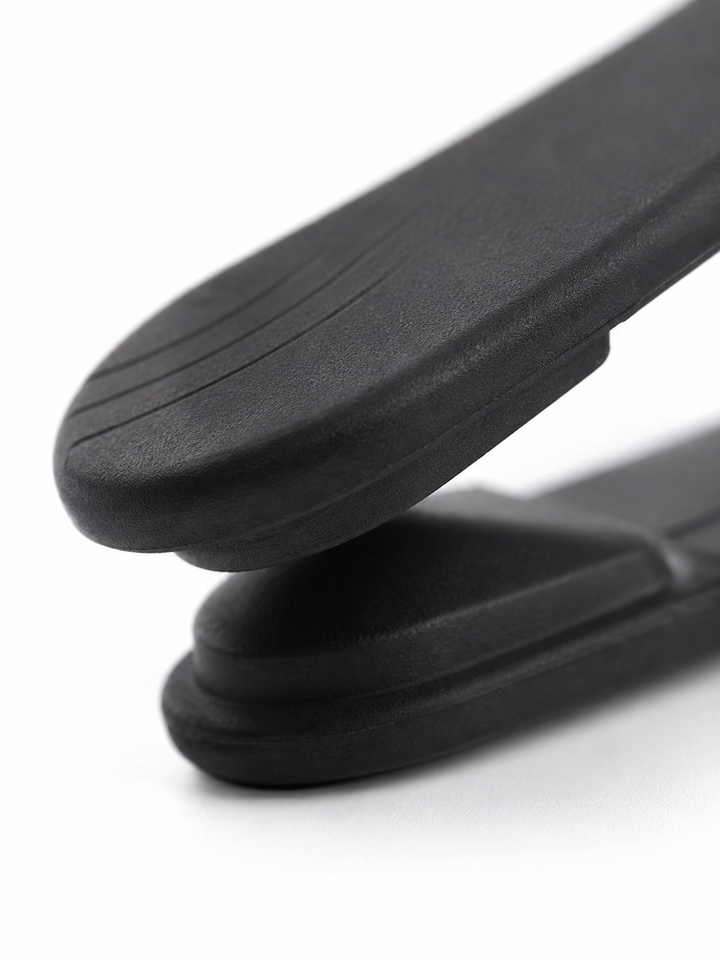



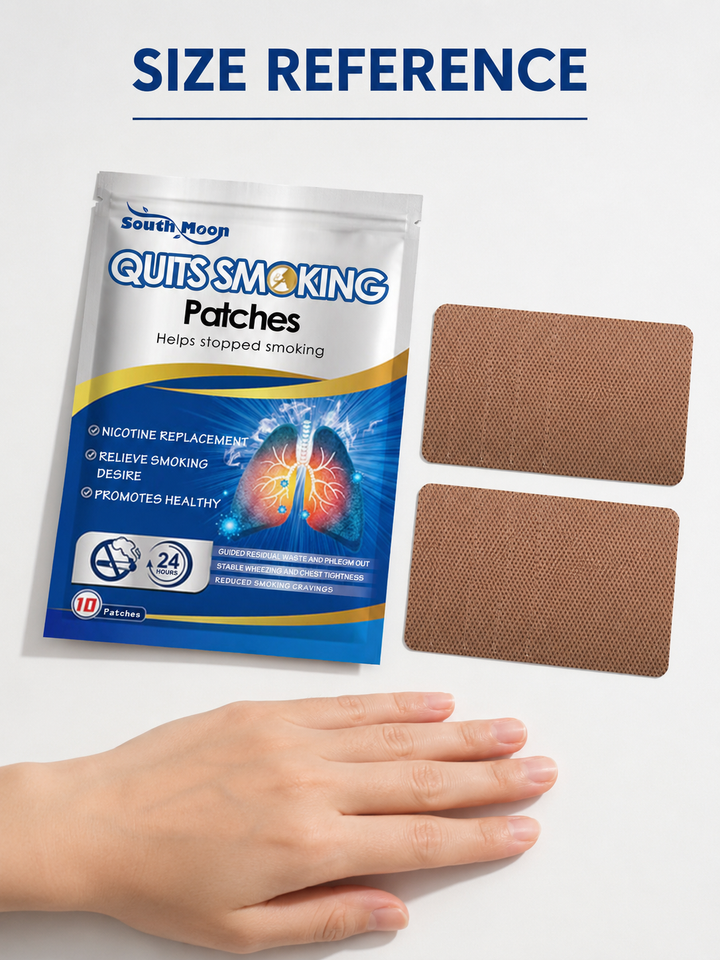
Smoking cessation aids can support different parts of a quit plan, from managing nicotine cravings to replacing the hand-to-mouth routine. This category includes nicotine patches, nicotine-free substitute devices, acupressure clips, and inhaler-style sticks, so compare the product’s purpose, instructions, and ingredients before buying.
How to choose smoking cessation products
Start by identifying what you want help with: nicotine cravings, the habit of reaching for a cigarette, or both. The 24-hour nicotine patch is designed for steady nicotine delivery and should be selected and used according to its label. A smoking substitute device offers a nicotine-free way to practice a different routine, while an aromatherapy inhaler stick provides something to hold and use during a craving. An acupressure clip is a drug-free, wearable option. Check product instructions, ingredients, wear time, charging needs, and any warnings. If you take medicines, are pregnant or breastfeeding, or have a medical condition, ask a healthcare professional before using nicotine products. A smoking cessation program can also add planning, support, and accountability.
Smoking cessation aids compared: which type fits?
Nicotine patches suit shoppers who want a discreet, hands-free product used on a regular schedule. They contain nicotine, so read the packaging carefully and do not combine products casually. A five-week smoking substitute device contains zero nicotine and is intended to help replace the smoking ritual through a structured quit program. An acupressure clip is compact and drug-free, making it convenient for people who prefer a wearable aid. An aromatherapy quit-smoking inhaler is useful when the hand-to-mouth action or a familiar inhaling routine is part of the challenge. These products do different jobs and are not interchangeable with smoking cessation drugs prescribed or recommended by a clinician. Grill brushes and power scrubbers are cleaning tools, not smoking cessation products, and do not belong in a quit-smoking plan.
What to look for in a smoking cessation aid
Look for clear information about nicotine content, ingredients, intended duration, and directions. For nicotine patches, confirm the strength, application instructions, wear guidance, storage advice, and disposal information on the package. For nicotine-free devices, check how the five-week program is organized, whether the unit needs charging, and what is included. With inhaler sticks, review the scent or ingredients and replace the product as directed. For acupressure clips, check how the clip is positioned, how long it should be worn, and whether the fit can be adjusted. Practical details matter too: choose a discreet format for work, a portable option for travel, or a rechargeable design if you want repeated use. Avoid listings that promise instant results or use vague claims about detoxifying or repairing lungs.
How to use smoking cessation aids in a quit plan
Choose a quit date or a clear reduction plan, then read the full product directions before the first use. Keep an inhaler, substitute device, or acupressure clip available before predictable triggers such as coffee, driving, breaks, or social situations. Use the aid only as directed; do not alter a patch, inhale from a device in an unintended way, or combine nicotine products without professional guidance. Track when cravings occur and note which product or activity helps you delay smoking. A smoking cessation program may include counseling, digital support, group meetings, or a healthcare professional, and can complement a product-based approach. Shoppers searching for smoking cessation programs near me can check local health services, pharmacies, community organizations, or quitlines for availability and eligibility.
Common smoking cessation mistakes to avoid
One common mistake is buying a product without checking whether it contains nicotine. A nicotine patch and a zero-nicotine substitute device are not the same type of aid, so compare labels before ordering. Another is treating an inhaler, clip, or substitute device as a complete plan while leaving triggers unchanged. Prepare alternatives for routines linked to smoking and tell supportive people what you are trying to do. Do not assume that using more than the labeled amount will work better, and do not ignore discomfort, skin reactions, or other concerns. Stop and seek professional advice when product directions call for it. Search terms such as smoking cessation ICD-10 and smoking cessation CPT usually relate to healthcare documentation and billing codes, not product selection or self-treatment.
Who are smoking cessation aids suited for?
These products may suit adults who want a practical aid while changing their smoking routine, but the best choice depends on nicotine use, preferences, and health circumstances. People who prefer a hands-free format may consider a patch after reviewing the label. Those avoiding nicotine may prefer the substitute device, acupressure clip, or aromatherapy inhaler. A person who wants a structured timeline may find the five-week device easier to follow than an open-ended routine. If you are under the legal purchasing age, pregnant or breastfeeding, managing a medical condition, or taking medicines, ask a qualified healthcare professional before choosing a nicotine product or quit plan. Free products to help you quit smoking may be available through local quitlines, public health services, or community programs, depending on where you live.
Frequently asked questions
What is the most effective way to quit smoking?
There is no single approach that works for everyone. Many people use a combination of a planned quit date, behavioral support, and an appropriate cessation aid; nicotine products should be used exactly as directed. A healthcare professional or quitline can help you compare options, especially if you have health conditions or take medicines.
What is the most effective smoking cessation program?
The most useful program is one you can follow and that provides practical support, trigger planning, and follow-up. Options include healthcare-led counseling, quitlines, group programs, and digital services. Ask about local smoking cessation programs near me through a pharmacy, health department, clinician, or community organization.
What is a smoking cessation?
Smoking cessation means stopping the use of cigarettes or other smoked tobacco products. A smoking cessation plan may include behavioral support, nicotine replacement, a nicotine-free substitute, or other options discussed with a healthcare professional.
What is the 3-3-3 rule for smoking?
The phrase 3-3-3 rule is used in different ways online, so it does not have one universally accepted meaning for quitting smoking. Some advice uses short delays, breathing, or distraction techniques to get through a craving. Follow guidance from a reputable quit program or healthcare professional rather than relying on an undefined rule.
Is Jennifer Aniston a heavy smoker?
There is no reliable reason to classify a public figure’s current or past smoking pattern from online speculation. Smoking habits are personal and can change over time, so use verified interviews or direct statements if researching a celebrity. This question does not help determine which smoking cessation aid is appropriate for you.
Can your lungs 100% recover from smoking?
Recovery after quitting varies by person and depends on factors such as smoking history and overall health. Quitting stops further exposure to smoke, but no product can promise complete lung recovery or reverse every effect of smoking. Speak with a healthcare professional about symptoms, screening, and a personalized quit plan.