
$49.90
Free delivery · 7–14 days
Silicone Long Handle Spoon With Ladle and Measuring Scales

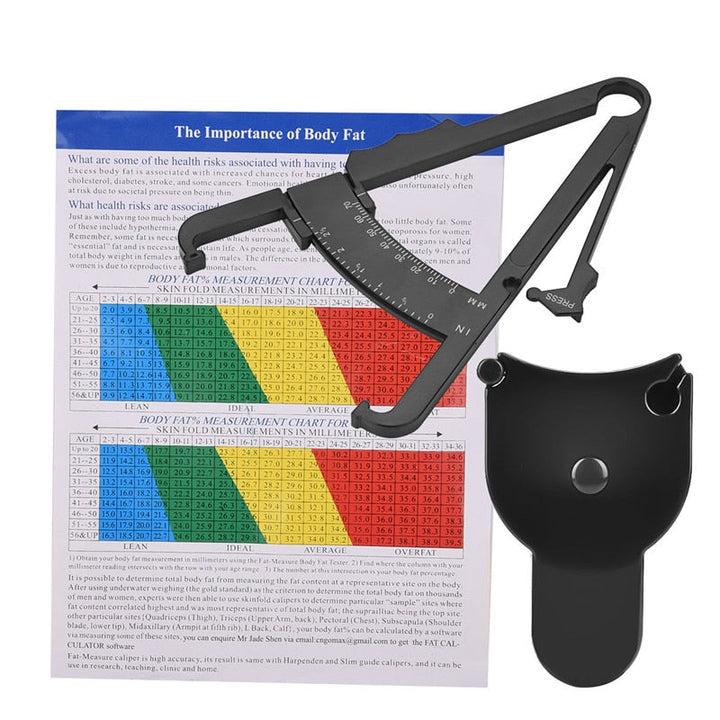
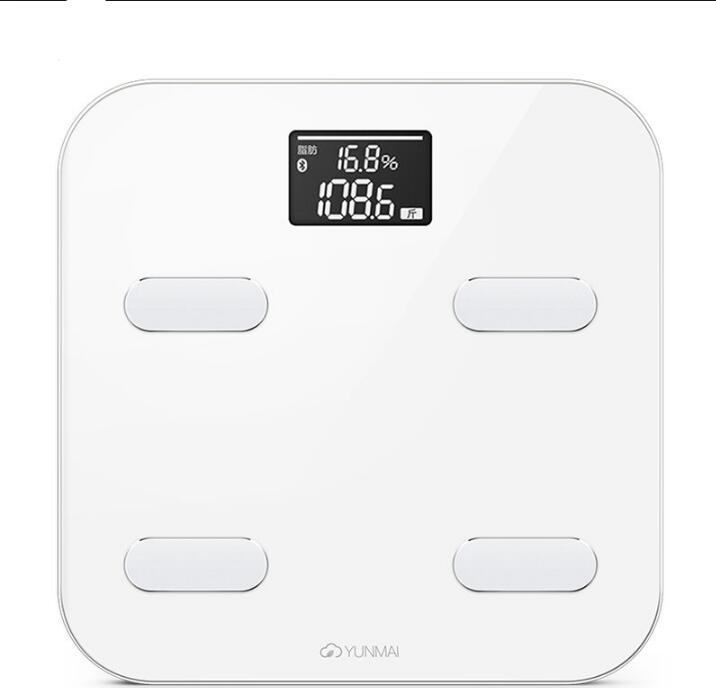
Smart body fat scales make it easier to track body weight and body-composition trends at home, while calipers and tape measures offer a simple manual alternative. Compare the measurement method, app features, metrics, and consistency of use to choose the right tool for your routine.
Start with the information you actually want to track. A WiFi-enabled smart scale with body fat and 10 metrics can automatically record weigh-ins in an app, making it useful for monitoring changes over time. Check whether the scale supports your phone, preferred app, and household profiles before buying. Consider the display, platform size, weight capacity, and whether you want automatic WiFi syncing or a simpler manual process. If you prefer a low-tech approach, a body fat caliper and tape measure can help you record skinfold and circumference measurements yourself. Whichever option you choose, prioritize repeatable measurements and use the same method under similar conditions rather than focusing on one reading.
This category includes two main approaches. A smart scale uses bioelectrical impedance analysis to estimate body composition and can combine body weight with multiple app-tracked metrics. It is convenient for regular weigh-ins and trend viewing, especially when WiFi automatically uploads results. A caliper and tape-measure set requires you to take measurements at selected body locations and record them manually. It does not provide the same automated dashboard, but it avoids relying on a connected scale and can be useful for people who want a straightforward measurement routine. Neither option should be treated as a clinical assessment. The best choice depends on whether convenience and connected tracking or manual control matters more to you.
Look for clear specifications rather than choosing by the number of advertised metrics alone. For a smart scale, check WiFi and app compatibility, user-profile support, metric descriptions, display readability, platform dimensions, and how results are stored or exported. A scale that records body weight and body-fat estimates in one app may be easier to use consistently than a device that requires separate notes. For a caliper and tape measure, look for an easy-to-read tape, a caliper with clear markings, and a compact design that is simple to store. Also review the instructions: accurate use depends on correct placement and consistent technique. Treat body-composition readings as estimates and focus on trends recorded under comparable conditions.
Place the scale on a hard, level floor and follow its setup instructions before your first reading. Use it at a consistent time and under similar conditions, such as before eating or exercising, because hydration, meals, and activity can affect readings. Stand barefoot and still with your feet positioned as directed, and wait for the measurement to finish. Keep the app connected if you want automatic history and confirm that the result is assigned to the correct user profile. For a caliper and tape measure, use the same body sites, posture, and technique each time, and record the date with every result. Avoid comparing readings from different methods as if they were interchangeable.
One common mistake is treating a single body-fat estimate as a definitive answer. Home smart scales use an estimation method, and readings can vary with hydration, skin contact, food, exercise, and time of day. Another mistake is moving the scale between surfaces or changing the measurement routine, which makes trends harder to interpret. Do not compare a smart-scale estimate directly with a caliper result, tape measurement, or reading from another device. Users also sometimes overlook app permissions, WiFi setup, or multiple profiles, leading to missing or misassigned data. Keep the scale clean and dry, follow the product instructions, and review several readings over time instead of reacting to one number.
A smart body fat scale suits shoppers who want convenient weigh-ins, automatic app history, and more context than body weight alone. The WiFi model in this category is a practical fit for people who like connected tracking and want body fat plus 10 metrics recorded in one place. A caliper and tape measure may suit shoppers who prefer a portable, manual tool or want to track circumference and skinfold measurements without an app. These products are intended for personal tracking, not for diagnosing a health condition or deciding whether a particular body-fat percentage is desirable. If you have concerns about body composition, weight, or changes in your measurements, discuss them with a qualified healthcare professional.
Smart scales provide estimates rather than a direct measurement of body fat. Results can vary with hydration, foot contact, time of day, exercise, and the device's method. For the most useful comparison, measure under similar conditions and look at trends instead of relying on one reading.
They can provide a convenient way to estimate body composition and monitor changes over time. Their readings are not interchangeable with professional assessments or with results from calipers and tape measures. Consistent setup and use are important if you want the data to be useful.
No single home scale is the most accurate for every person or situation. Look for clear instructions, reliable app tracking, suitable user profiles, and a routine you can repeat consistently. A connected scale may be more useful for trends, while a caliper and tape measure offers a different manual approach.
A body-fat percentage alone does not determine how someone looks or whether a person should be described as chubby. Appearance and body composition vary with muscle distribution, age, sex, and measurement method, and home-device estimates may differ. Avoid judging yourself from a single number and consider discussing personal concerns with a qualified professional.
Height and weight alone cannot determine how someone looks, how healthy they are, or how their body composition is distributed. Muscle mass, build, age, and other factors matter, and a scale reading cannot answer a subjective appearance question. If you are concerned about weight or body composition, a qualified healthcare professional can provide individual guidance.
Some people may describe a low body-fat percentage as visibly lean or defined, but appearance varies by muscle mass, genetics, distribution, and measurement method. A home smart scale may estimate body fat differently from other methods, so the number should not be treated as exact. Personal goals and wellbeing are more useful considerations than a single target percentage.