$38.90
Free delivery · 7–14 days
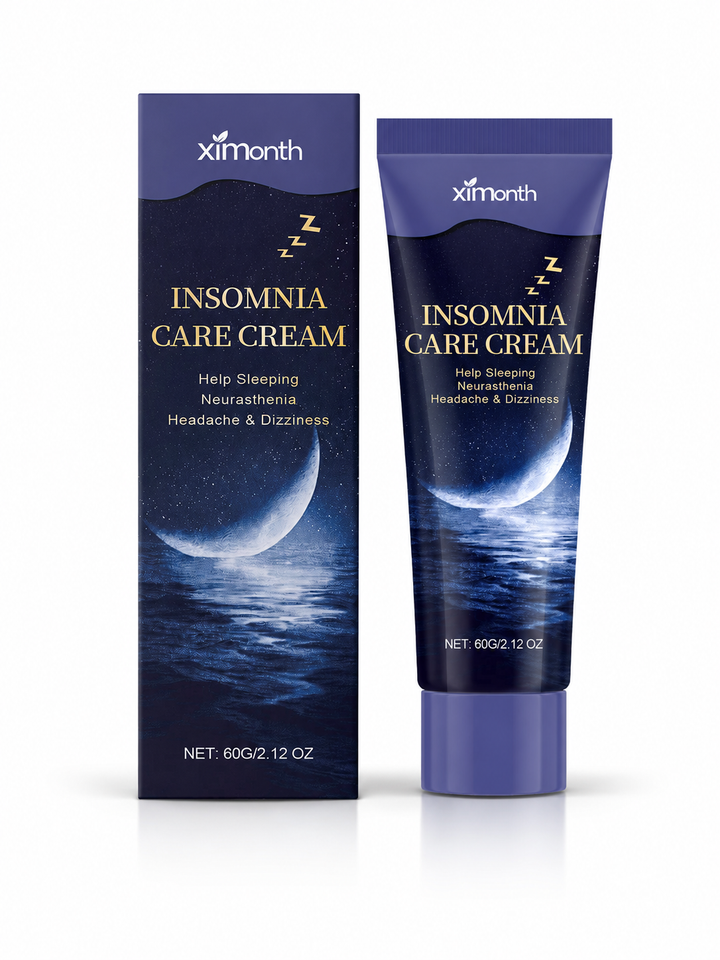
Sleep Cream — Deep Rest & Calm Mornings | 60g Night Cream


Find an overnight moisturizer or calming sleep-care product that matches sensitive skin, your preferred texture, and your nighttime routine. This category includes leave-on creams, balms, lotions, and patches; compare ingredients and intended use carefully, especially if your skin reacts easily.
Start with your main skincare need: dryness, tightness, rough texture, or a simple calming bedtime ritual. For dry sensitive skin, a richer option such as Whipped Tallow Balm may feel more protective, while Sleep Cream is a conventional night-cream format for face or body use as directed. Magnesium creams and lotions are best viewed as topical wellness products rather than replacements for a moisturizer selected for your skin type. Check the label for fragrance, essential oils, and other ingredients you know you dislike. If you are comparing sleep care products, focus on texture, application area, and ingredient transparency rather than promises about sleep. A sleep care mattress or comprehensive sleep care center serves a different purpose from an overnight skincare product.
This range covers several formats. Sleep Cream is designed as a dedicated nighttime moisturizer, while Whipped Tallow Balm offers a dense, occlusive feel for areas that become very dry. Magnesium Sleep Cream and Magnesium Kids Lotion combine a body-care format with a bedtime routine; use the children’s product only as directed on its packaging and consider age-appropriate guidance. Hemorrhoid Soothing Cream is intended for sensitive skin in its labeled use area, not as a general face cream. The Men's Herbal Intimate Repair Cream is also a targeted product for its stated area. Blue Wind Chime Sleep Patch and Relaxation Patches are non-cream options, so review their placement instructions and adhesive precautions before use.
Look for a short, clearly listed ingredient profile and a texture you can tolerate overnight. Creams and balms with richer emollients may suit flaky or tight skin, while lighter lotions can feel more comfortable if you dislike residue. Avoid choosing solely because a product uses words such as natural, herbal, sleep-promoting, or soothing; those descriptions do not guarantee compatibility with your skin. Review directions for face, body, intimate areas, or other specific locations, since these products are not automatically interchangeable. Before full use, apply a small amount to a limited area and monitor for irritation. Stop using any product that causes burning, swelling, rash, or worsening discomfort, and seek professional advice for persistent skin concerns.
Clean and gently dry the intended area before application. Use the amount stated on the label, spread it evenly, and allow a few minutes for a balm or cream to settle before dressing or getting into bed. Keep patches on the skin only for the instructed period, and remove them gently if the adhesive feels uncomfortable. Do not apply products to broken or irritated skin unless the label specifically allows it, and keep creams and patches away from the eyes and mouth. Wash your hands after applying targeted products. Introduce one new item at a time so you can tell what your skin tolerates. Sleep care online reviews can highlight texture and scent, but your own label check and small-area test matter more.
A common mistake is treating every nighttime product as a face moisturizer. Targeted intimate, hemorrhoid, children’s, and patch products have different intended uses and should not be repurposed casually. Another is layering several new creams, lotions, and patches at once, which makes irritation difficult to trace. Shoppers also sometimes expect a topical product to diagnose or treat a sleep disorder. These products can support a personal bedtime routine, but they are not substitutes for medical evaluation, a prescribed device, or a sleep study. Search terms such as comprehensive sleep care center reviews, sleep care online reviews, and comprehensive sleep care center bill pay may relate to healthcare services, not this skincare category; verify that you are on the correct type of site before purchasing.
These products may suit adults who want a nighttime moisturizer, a richer option for dry-feeling skin, or a simple bedtime self-care routine. Choose the product according to its labeled area: facial night creams are not automatically suitable for intimate or rectal skin, and a children’s lotion should be selected with the child’s age and the package directions in mind. People with known allergies, eczema, persistent rashes, or very reactive skin should review ingredients with a qualified healthcare professional before trying a new formula. Patches may not suit anyone sensitive to adhesives. If your interest in sleep care comes from snoring, breathing pauses, or unrefreshing sleep, skincare products are not the right way to investigate the cause.
The appropriate test depends on your symptoms, health history, and a clinician’s assessment. A qualified healthcare professional can determine whether a home sleep apnea test is suitable and arrange an approved device or recommend an in-lab study when needed. Overnight creams, lotions, and patches do not test for sleep apnea.
Some people may have fewer breathing interruptions on their side than on their back, but position alone is not a reliable treatment for everyone. Do not stop or avoid prescribed therapy without speaking with a clinician. Persistent snoring, witnessed breathing pauses, gasping, or daytime sleepiness deserves medical evaluation.
Treatment depends on the type and severity of sleep apnea and may include prescribed devices, oral appliances, positional approaches, weight-related care, or procedures. There is no single newest option that suits everyone. A sleep specialist can review current choices and match treatment to your diagnosis; skincare products in this category are not sleep-apnea treatments.
It is a test that records selected breathing and sleep-related signals while you sleep, either at home or in a sleep clinic. The equipment and measurements vary, and a clinician must interpret the results. An overnight moisturizer or patch is unrelated to this type of diagnostic testing.
Online references to a pillow trick usually mean using pillows or positional support to encourage side sleeping or elevate the upper body. This may be uncomfortable or ineffective for some people and should not be treated as a proven replacement for evaluation or prescribed care. Ask a clinician for safe, individualized advice.
Snoring, nasal congestion, insomnia, reflux, medication effects, and other sleep or breathing problems can produce overlapping symptoms, including tiredness. Only an appropriate clinical assessment can distinguish among possible causes. If breathing pauses, choking, or significant daytime sleepiness occurs, contact a healthcare professional rather than relying on sleep-care skincare.