$96.90
Free delivery · 7–14 days
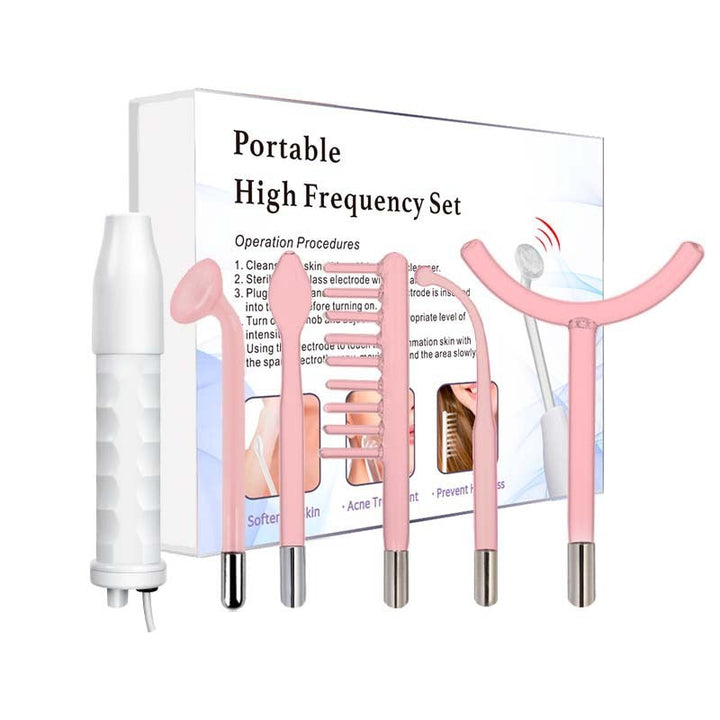
Red Light Therapy Wand – Professional Skin & Hair Treatment


Explore skin treatments for face, body, hair, and targeted cosmetic concerns in one convenient collection. Compare light therapy devices, topical formulas, supplements, and targeted treatments by your goals, ingredients, application method, and everyday routine.
Start by identifying the result you want to support, such as a more radiant-looking complexion, the appearance of firmer skin, clearer-looking skin, or targeted body care. For face-focused routines, consider the LED Light Therapy Mask, Red Light Therapy Wand, Retinol Gel 0.1%, Collagen Capsules, or Glutathione Gummies. Muscle Toning Treatment Cream and Breast Firming Treatment Serum are designed for body-care routines, while Skin Tag Remover is a targeted product for specific spots. Check whether you prefer a device, topical product, or supplement, then review the directions, ingredients, and intended area. If you are comparing the best skin treatments or searching for skin treatments near me, remember that an online product can support a routine but does not replace personalised professional advice.
Skin treatments come in several formats, each with different routines. LED and red-light devices use a light-based approach and require regular sessions according to the product instructions. Retinol Gel 0.1% is a topical face product intended for a clearer-looking complexion, while firming creams and serums are applied directly to selected body areas. Collagen Capsules and Glutathione Gummies are ingestible products, so their labels, ingredients, serving directions, and suitability matter. A Skin Tag Remover is a more targeted option and should be used only as directed. This skin treatments list is a useful starting point when comparing face treatments, glowing skin treatment options, and body products. Choose one or two compatible products rather than changing your entire routine at once.
Look for a clear product purpose, transparent directions, and an application method that fits your schedule. For a glowing-looking face, compare the LED Light Therapy Mask, Red Light Therapy Wand, Retinol Gel 0.1%, and the ingestible options by checking their stated use and full ingredient information. A device should explain session guidance, cleaning, storage, and any relevant eye-safety instructions. A topical should identify the intended area, how much to apply, and whether a gradual introduction is recommended. Supplements should include serving information and ingredient details. For body products, check whether the formula is intended for firming care and whether it suits the area you want to treat. Avoid choosing based only on phrases such as flawless skin or professional treatment; prioritise realistic use, consistency, and clear safety guidance.
Keep your routine straightforward so you can follow product directions consistently. Cleanse and dry the skin before applying a topical product unless its instructions say otherwise. Use the LED Light Therapy Mask or Red Light Therapy Wand only for the recommended duration and frequency, and clean the device as directed. Apply Retinol Gel 0.1% exactly as labelled, introduce it carefully if advised, and use daytime sun protection as part of your routine. Massage firming cream or breast firming serum into the intended body area according to the packaging. Take Collagen Capsules or Glutathione Gummies only at the stated serving. Do not combine every product immediately, especially products with different active ingredients. Patch-test topical formulas when appropriate and stop if irritation occurs.
A common mistake is using more product, more often, or for longer than directed. This is especially important for retinol, light devices, targeted removers, and supplements. Avoid applying face products to sensitive or unintended areas, and do not use a body firming formula as a facial treatment unless the label explicitly allows it. Do not stack multiple new products at the same time; introducing one change makes it easier to identify a reaction or decide what suits your routine. Check ingredient lists for known sensitivities, follow storage guidance, and keep devices clean. Do not use Skin Tag Remover on an uncertain, changing, bleeding, or painful spot; seek professional advice instead. If you are unsure what to tell a dermatologist, bring your product list, routine, concerns, and any reactions.
These products may suit adults looking to build a cosmetic skincare, body-care, or wellness routine, but suitability depends on the product and the individual. Review the label before using retinol, light-based devices, supplements, or targeted treatments if you are pregnant, breastfeeding, taking medication, managing a skin condition, or prone to sensitivity. Ask a dermatologist or other qualified healthcare professional about persistent acne, changing moles, painful or bleeding growths, significant irritation, or concerns that need diagnosis rather than cosmetic care. A professional can also explain in-office options when you are searching for a glowing skin treatment dermatologist or skin treatments near me. For everyday shopping, choose products for the correct body area and goal, follow directions, and set expectations around gradual routine-based care rather than instant transformation.
The best option depends on your goal, skin sensitivity, preferred format, and the area being treated. Devices, topical products, supplements, and targeted body formulas serve different purposes, so compare directions and ingredients rather than choosing by the word best alone.
Common types include light-based devices, topical gels and serums, body creams, ingestible supplements, and targeted spot treatments. This category includes LED and red-light devices, retinol gel, firming products, collagen capsules, glutathione gummies, and a skin tag remover.
No single procedure can reliably remove a specific number of years from someone’s appearance. Results vary by person and treatment, so discuss expectations, risks, downtime, and suitable options with a qualified dermatologist or other licensed professional.
Dermatology care may include tailored skincare, prescription or non-prescription topical products, procedures, and monitoring of changing skin concerns. The appropriate choice depends on the diagnosis and your medical history, so a dermatologist should recommend treatment for persistent, painful, changing, or unusual concerns.
New products and procedures appear regularly, but newer does not automatically mean more suitable or better for every person. Ask a qualified professional about evidence, expected results, possible side effects, aftercare, and whether an established option may be more appropriate.
You do not need to avoid specific words, but withholding information can make advice less useful. Be direct about your concerns, products, supplements, medications, allergies, previous reactions, sun exposure, and what results you expect; bring photos or a product list if helpful.