Skin Serums: Hyaluronic Acid, Retinol & Luminous Night Repair18 items

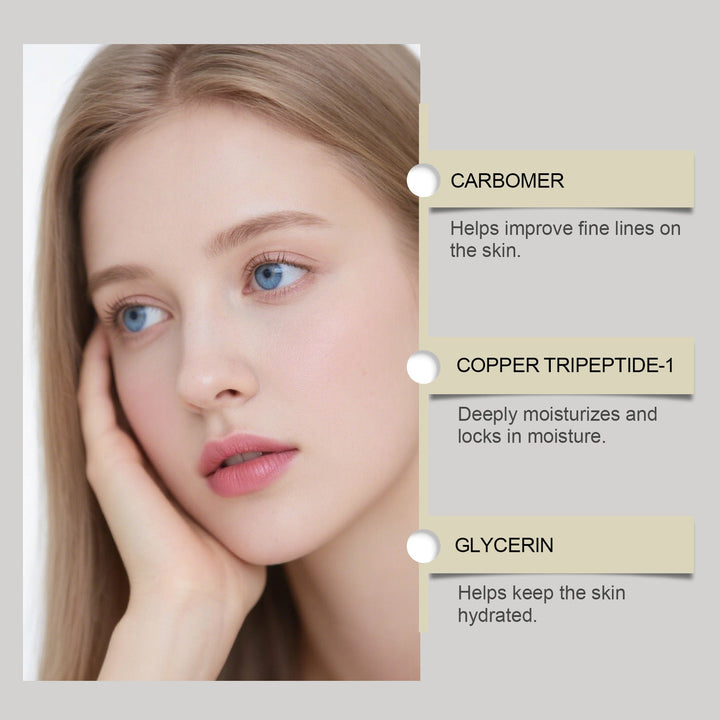
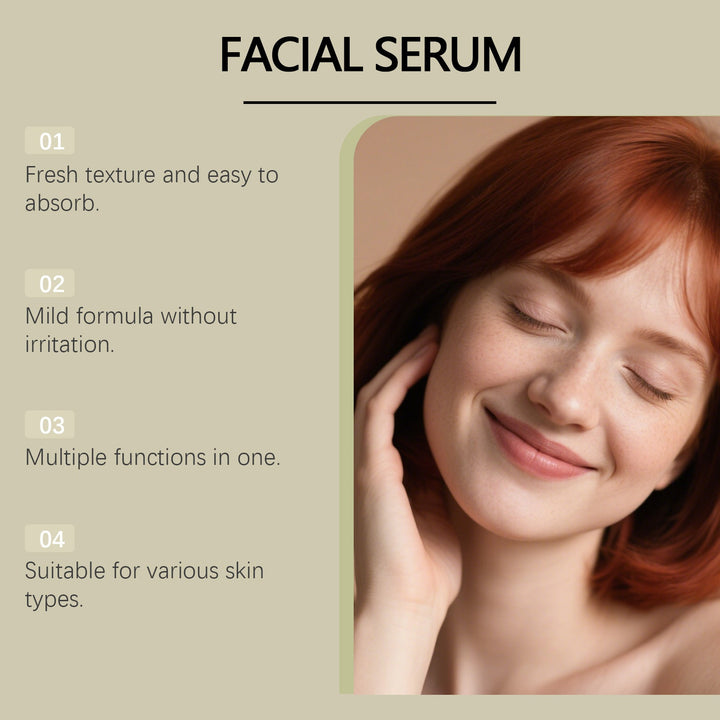
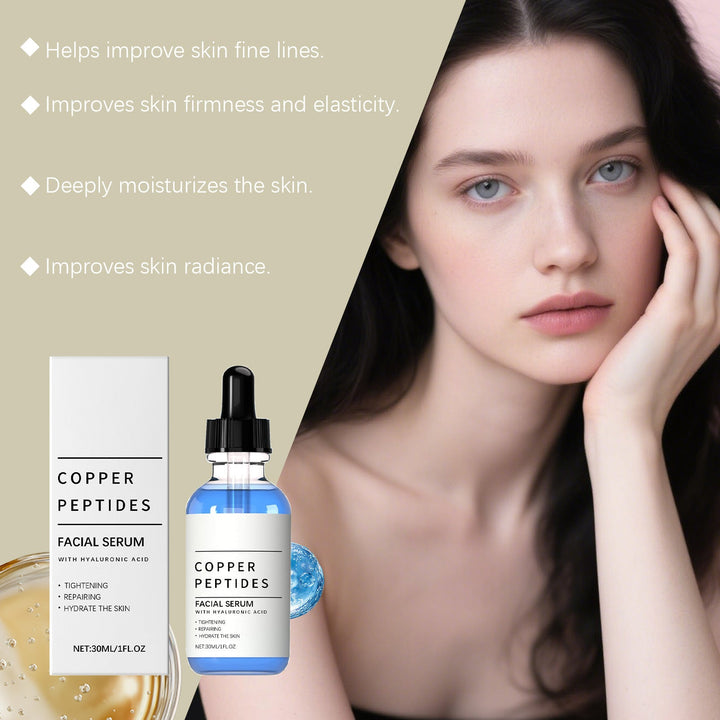

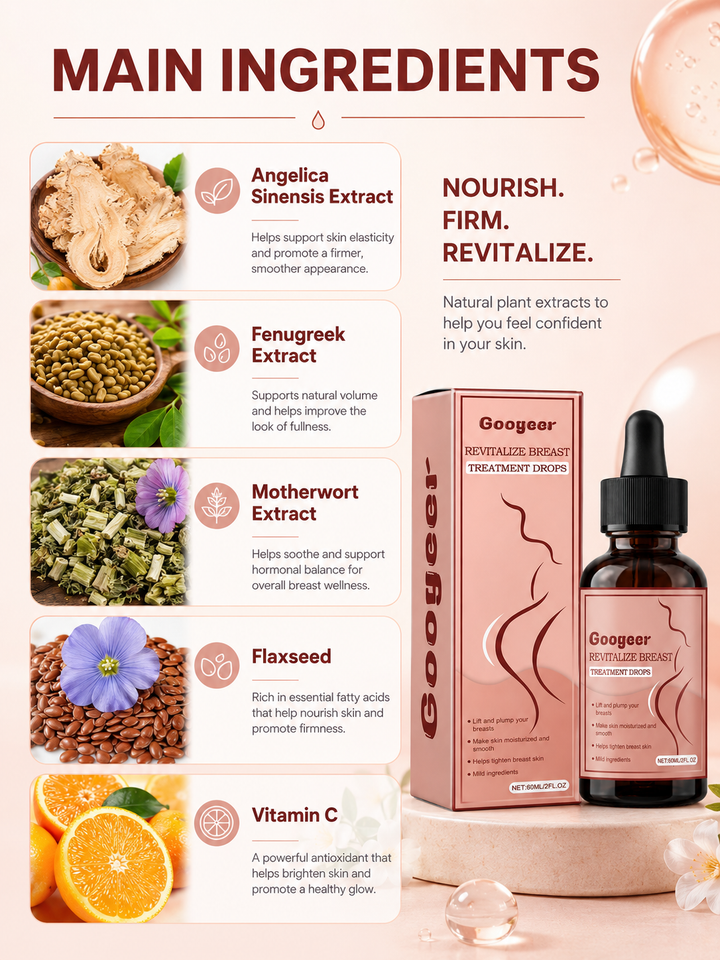
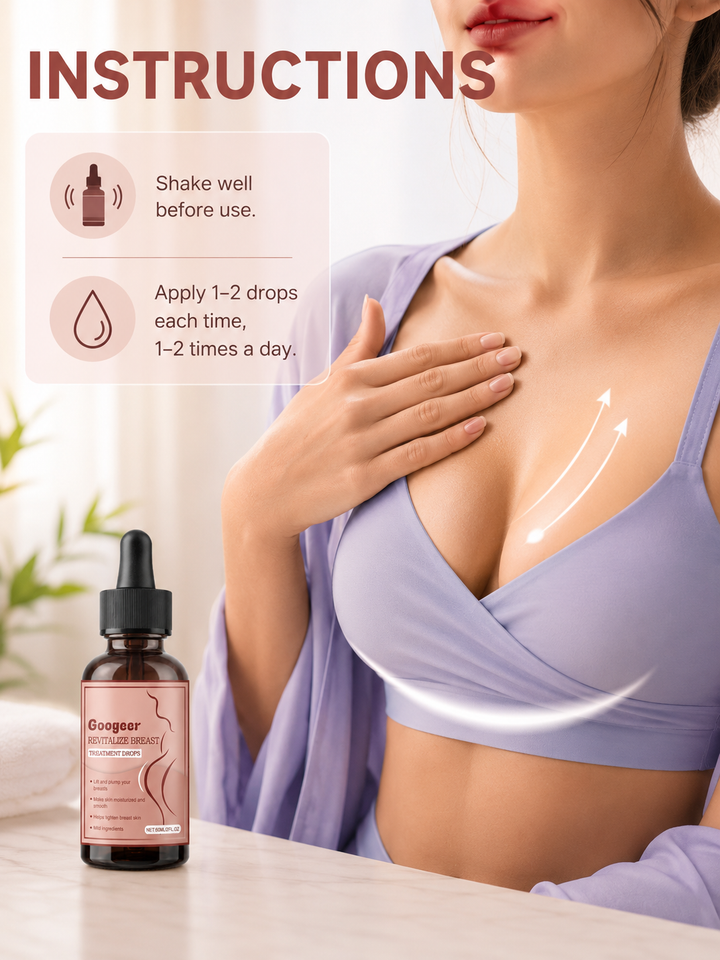
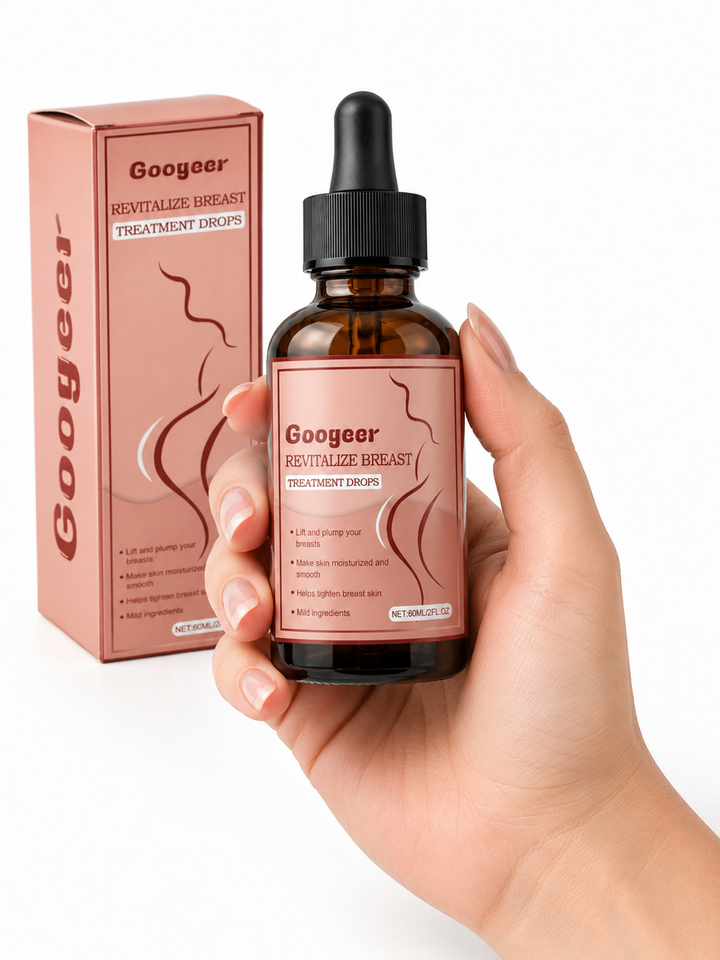

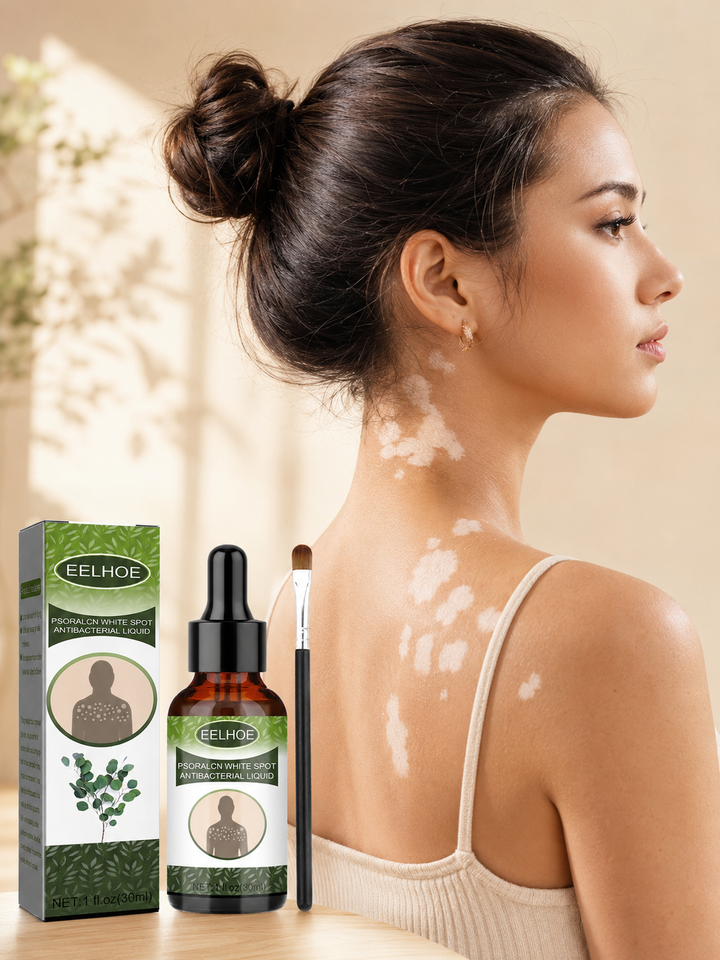
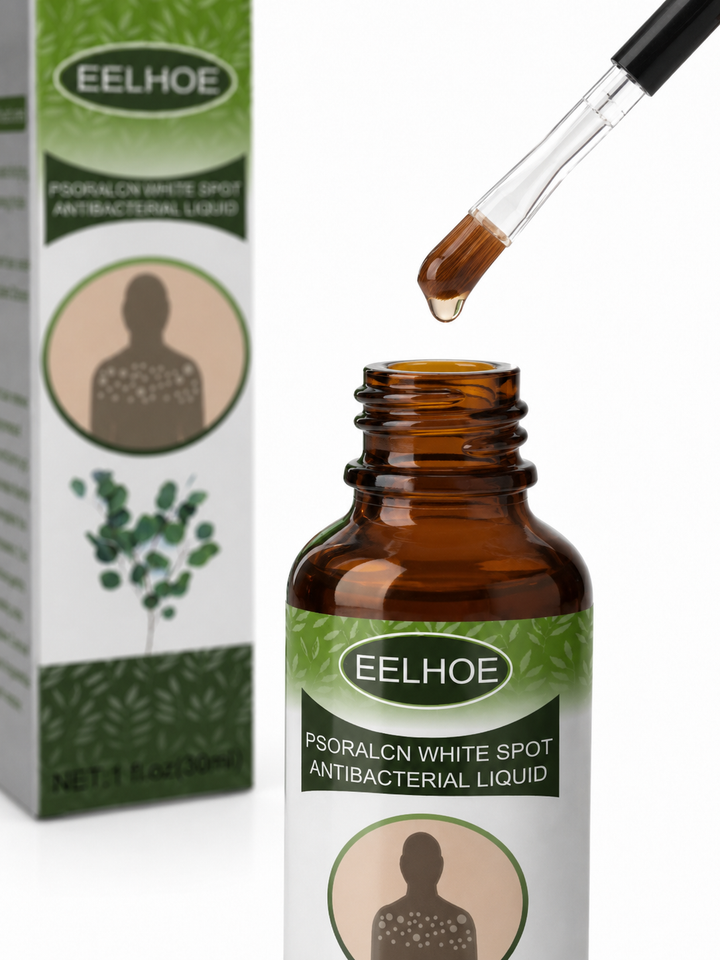
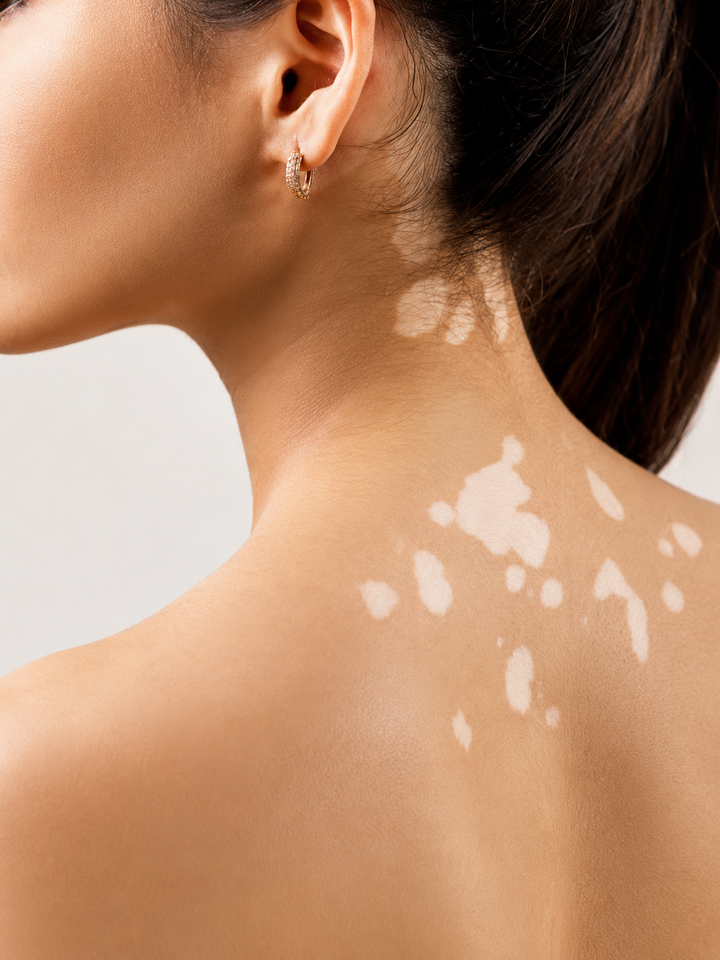

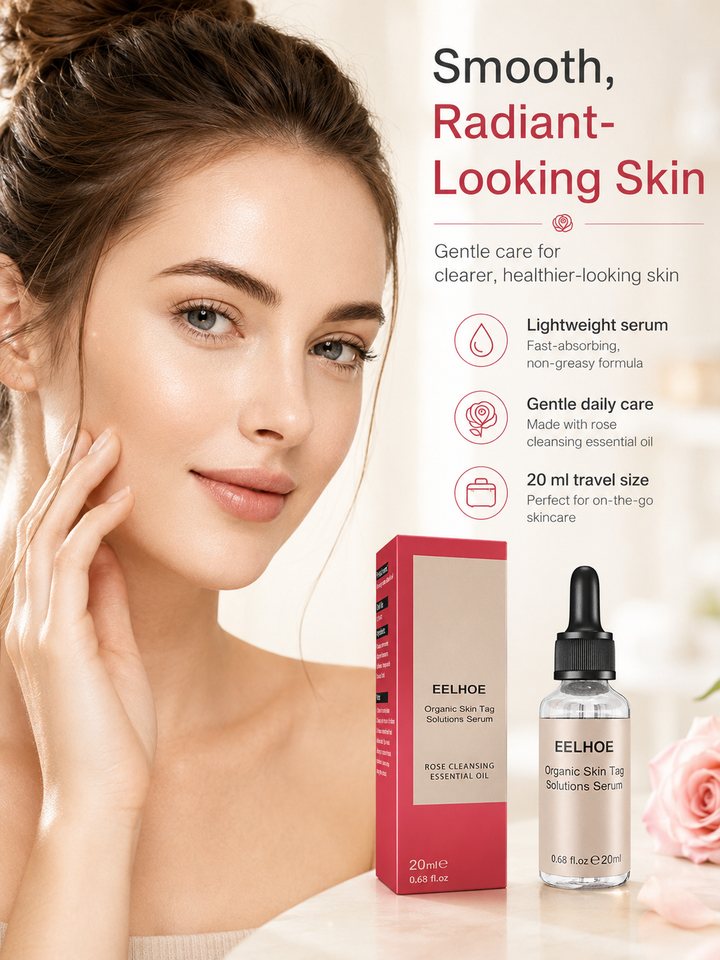
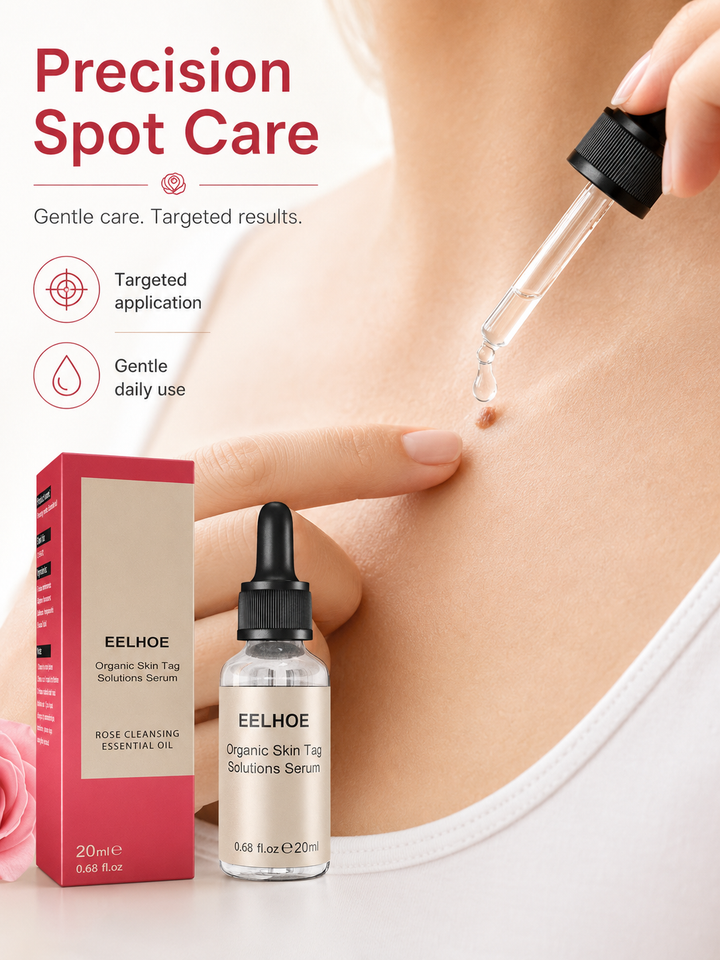
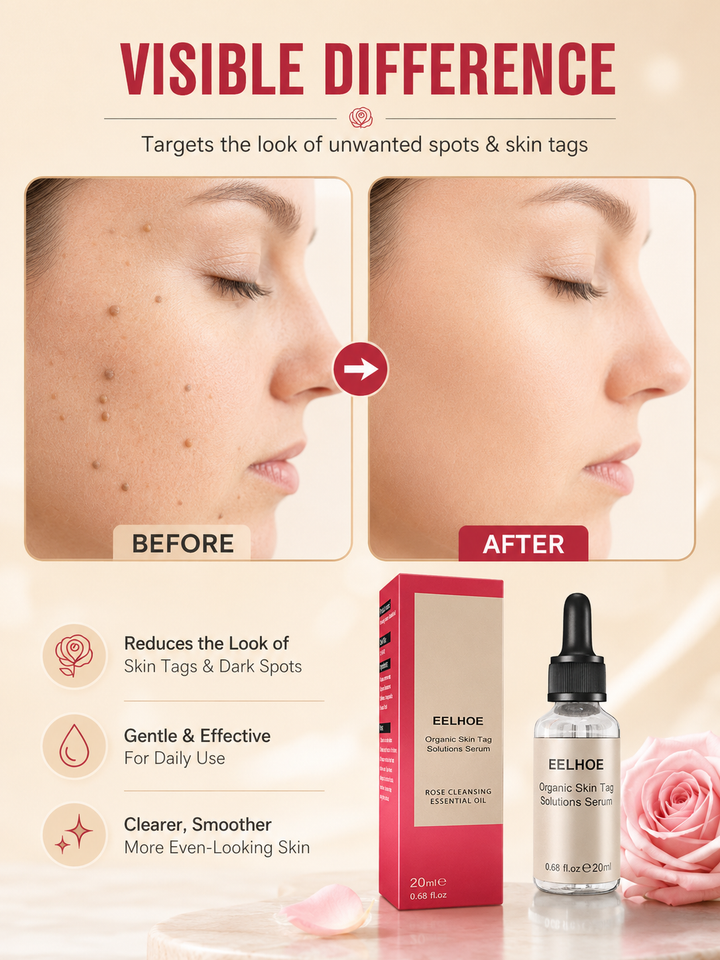

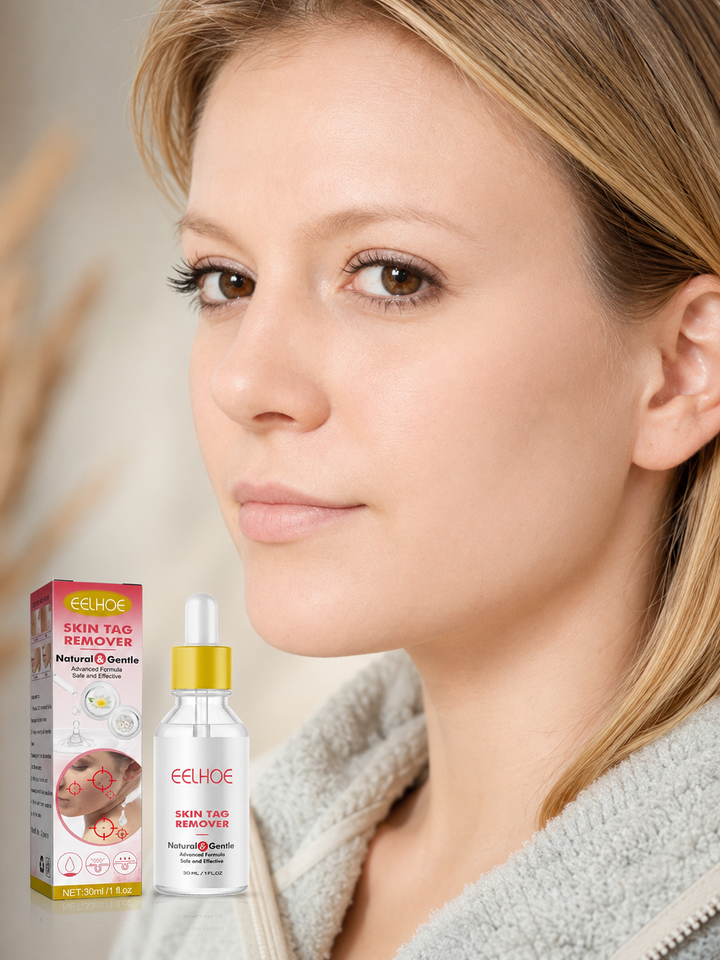
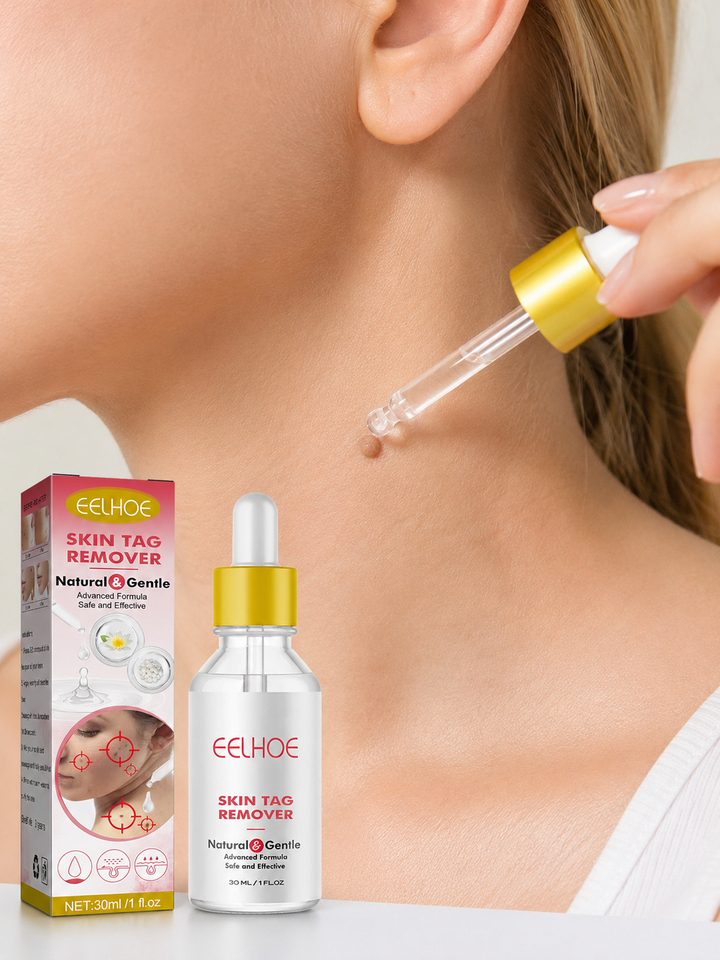
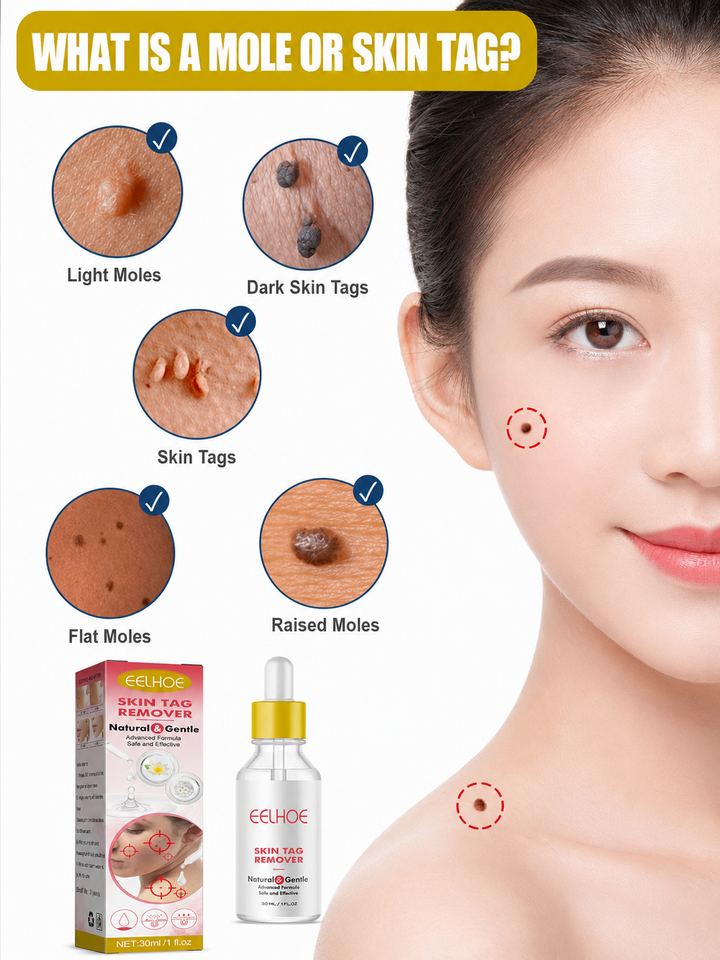

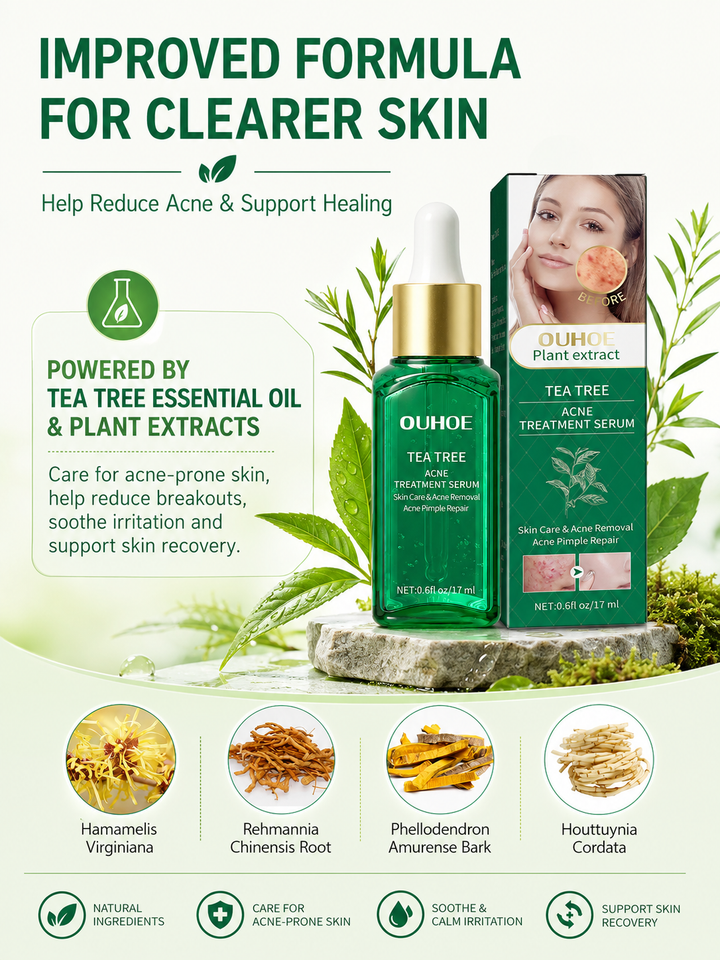
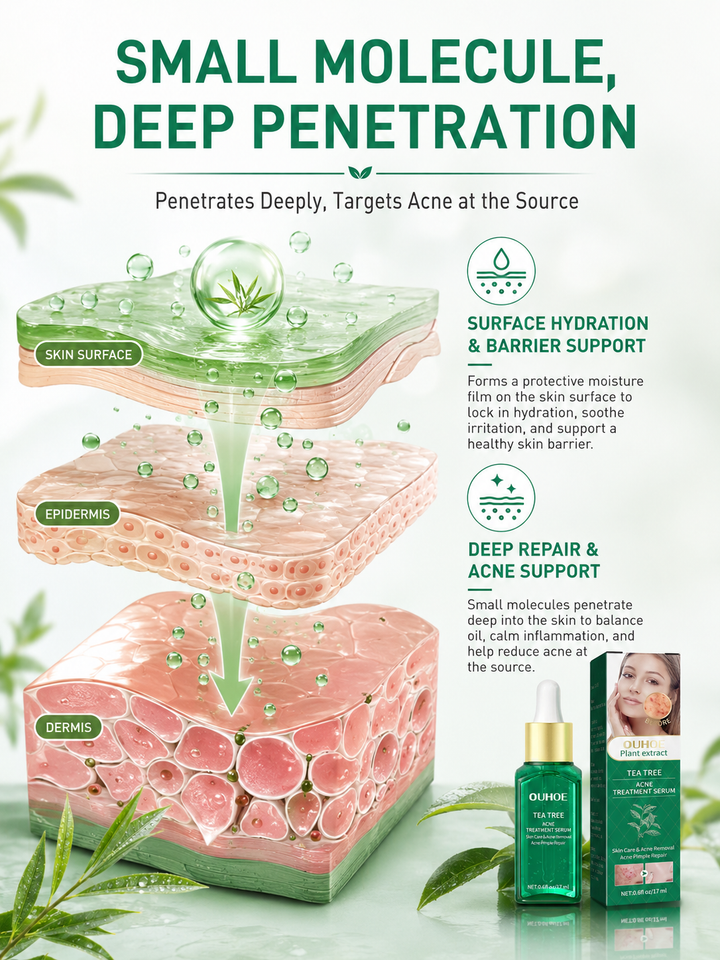
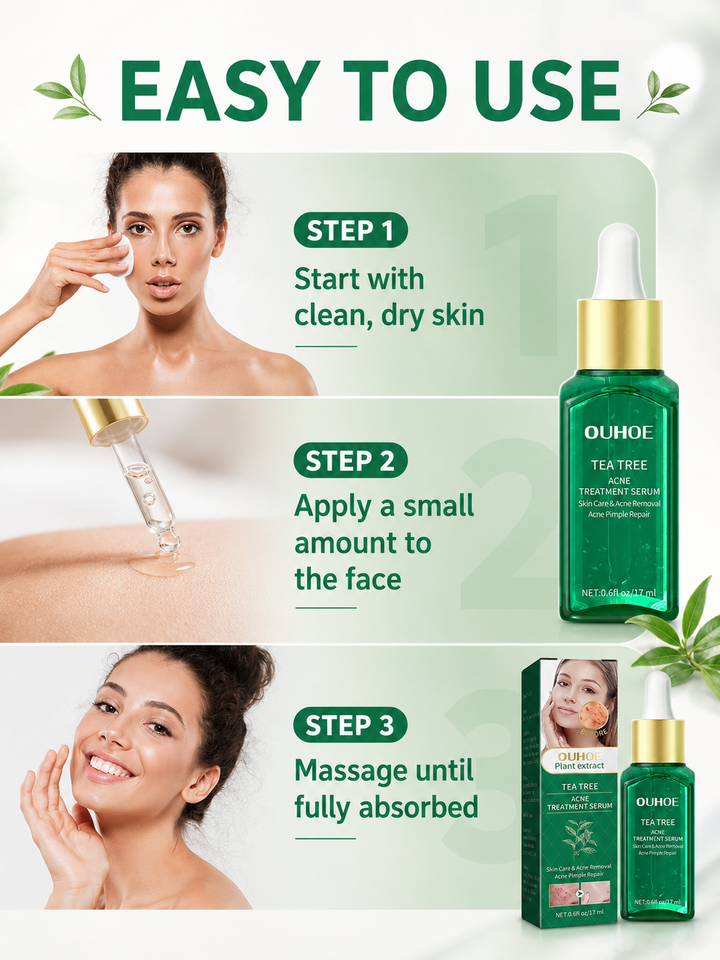


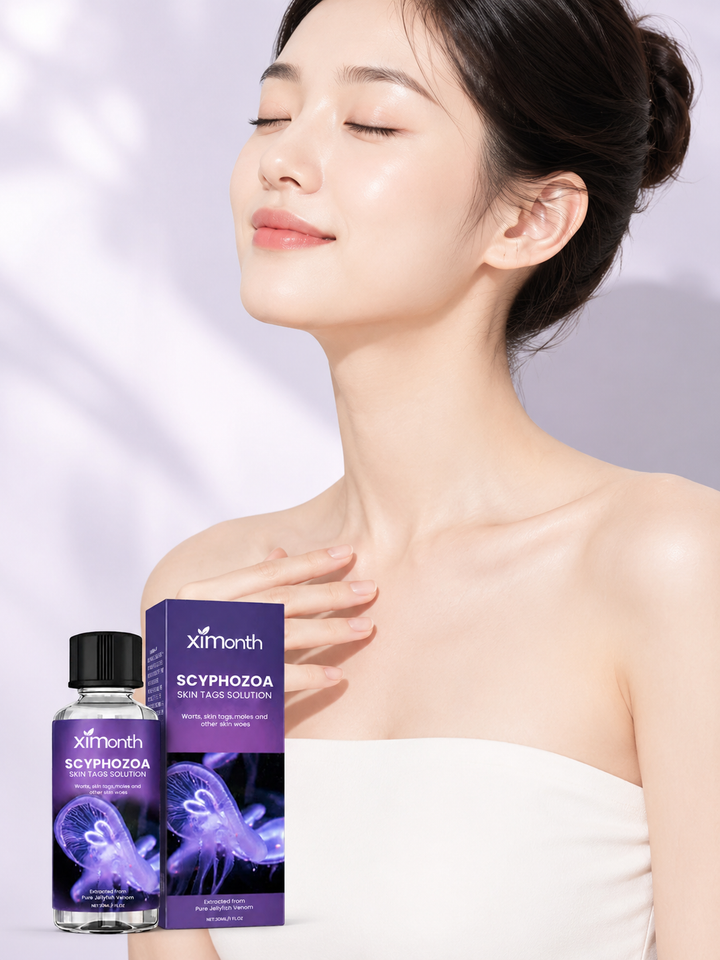
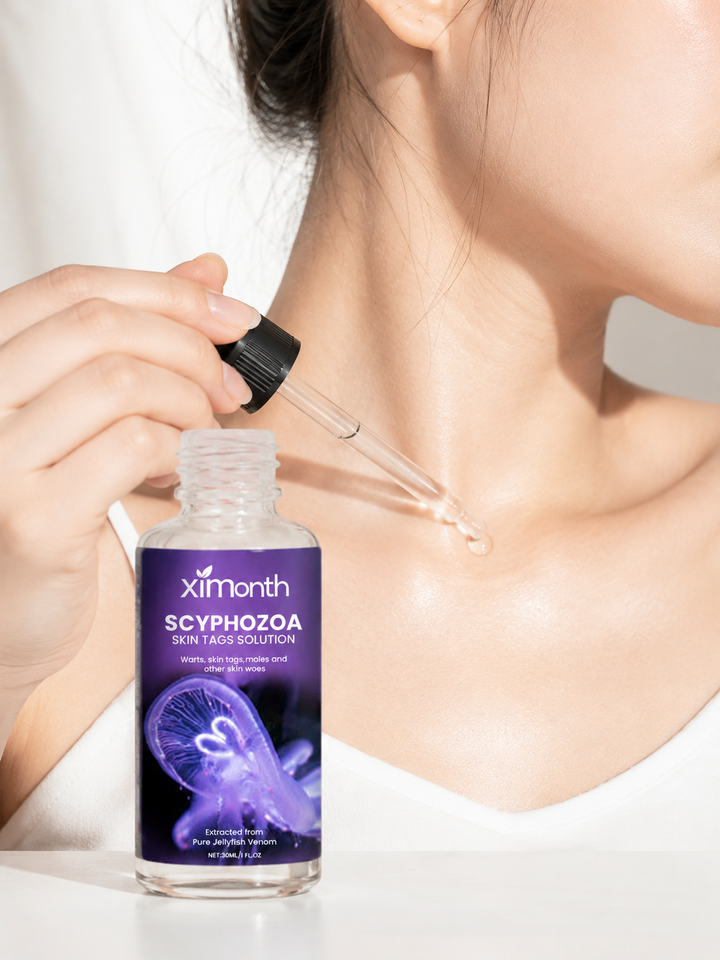
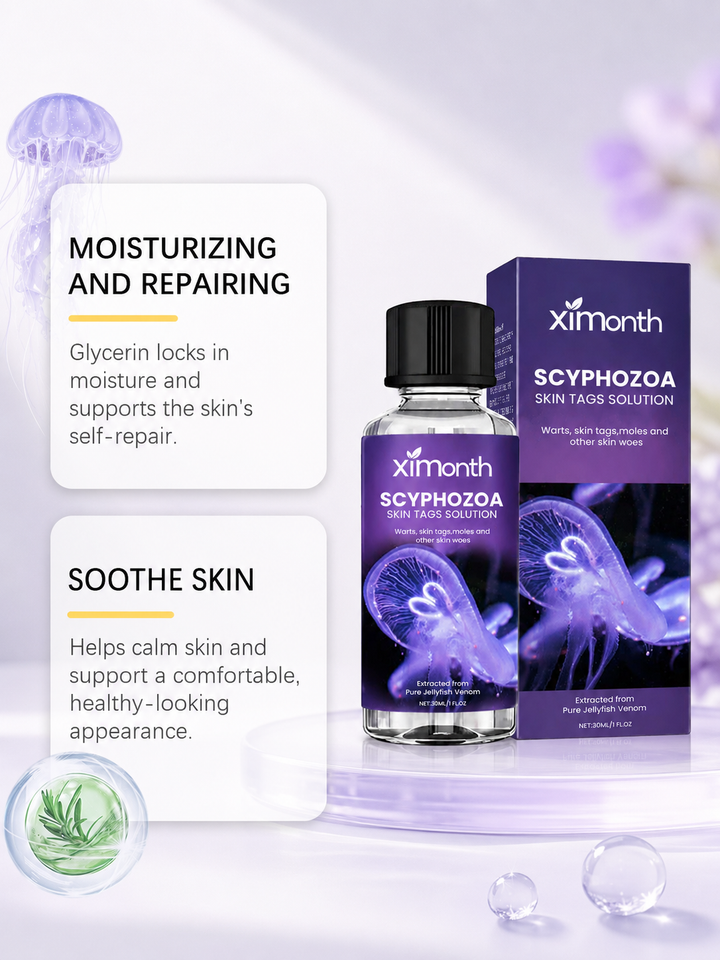

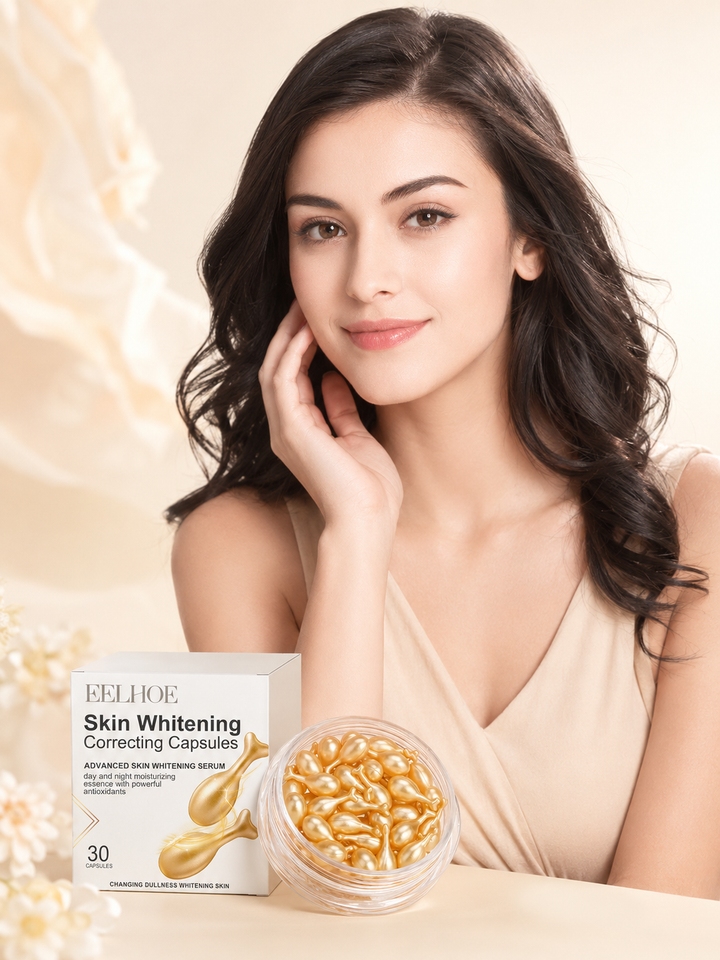
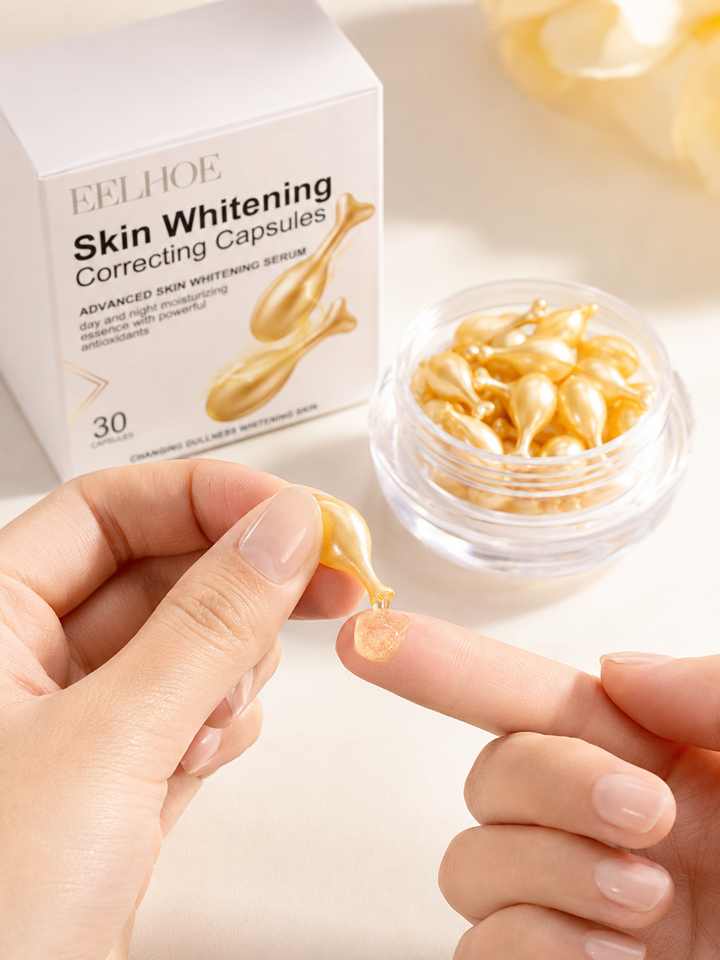
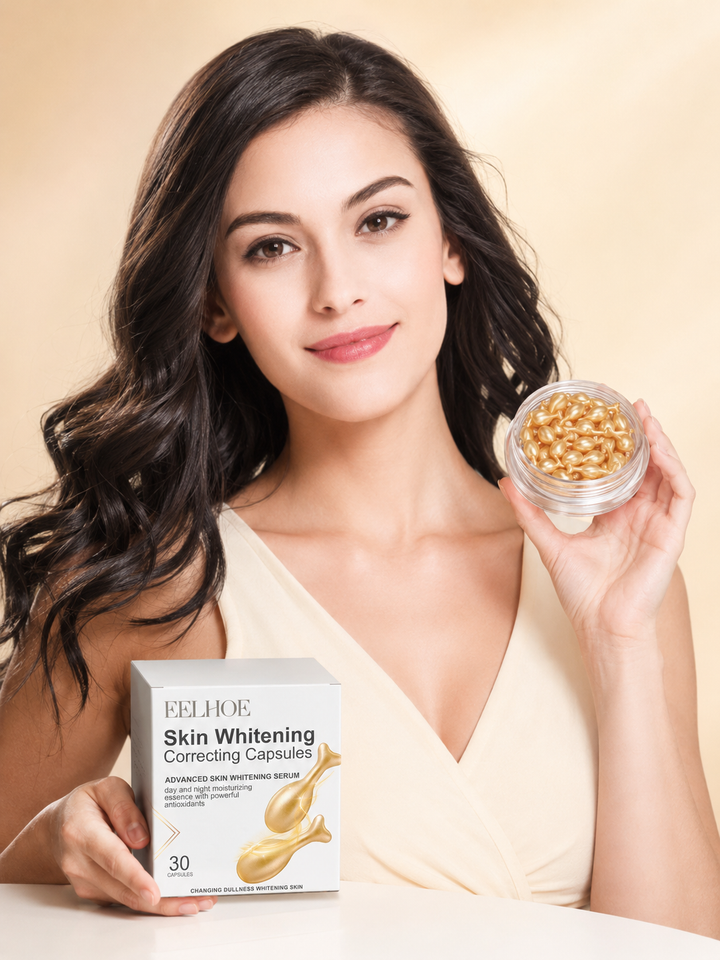



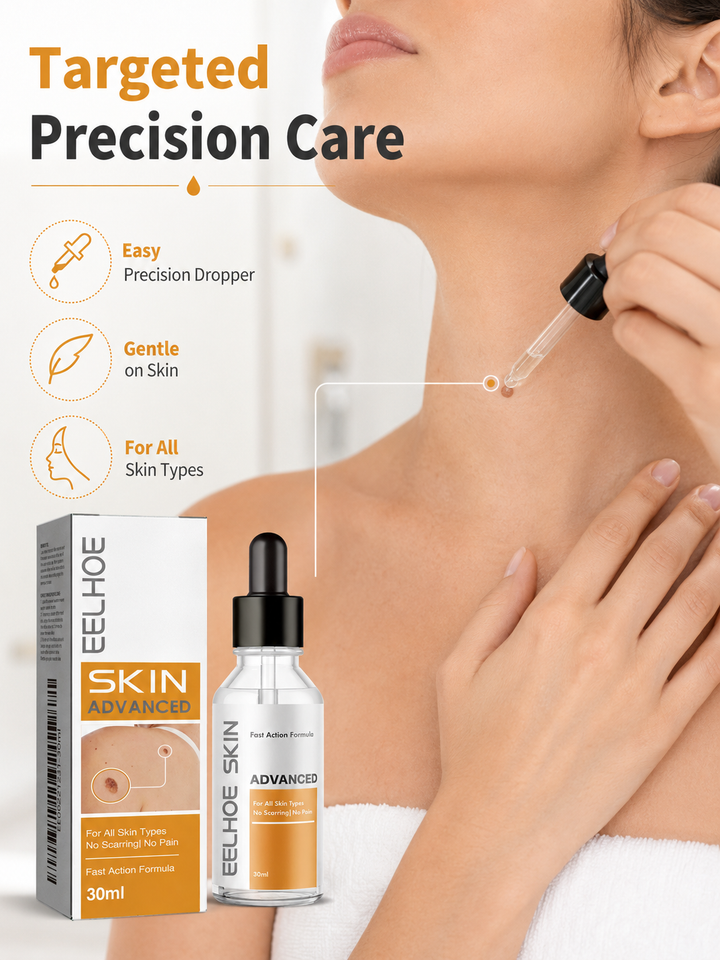
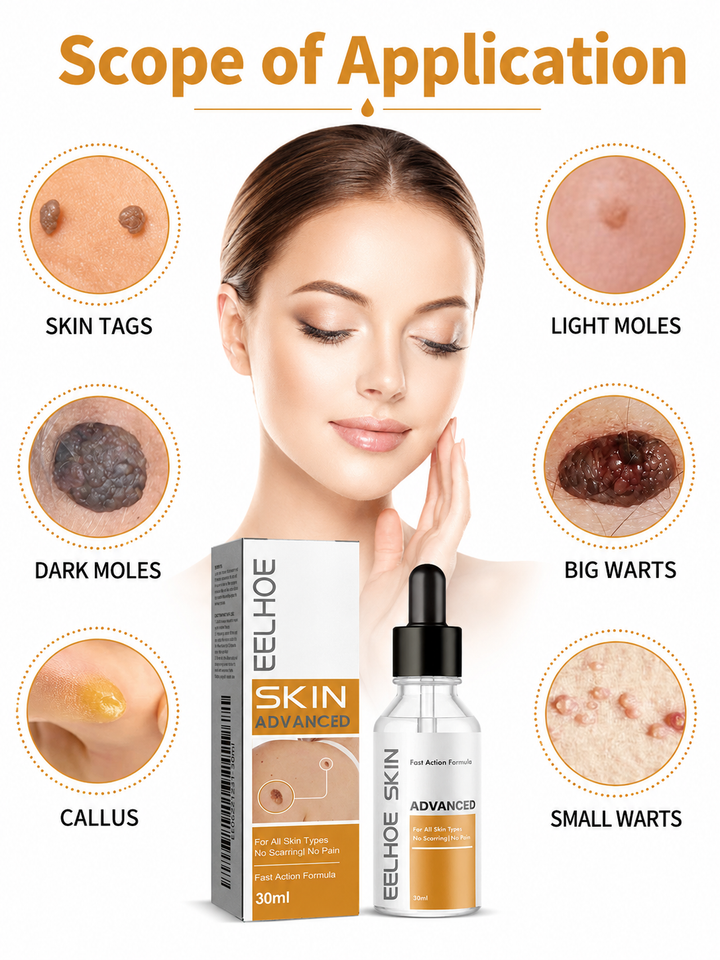


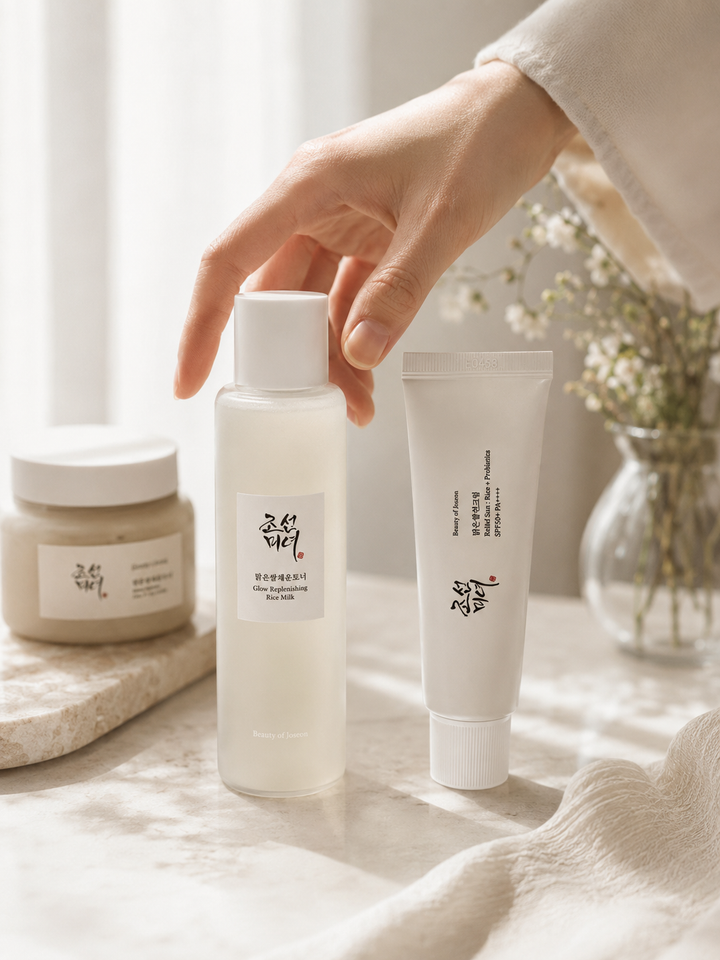
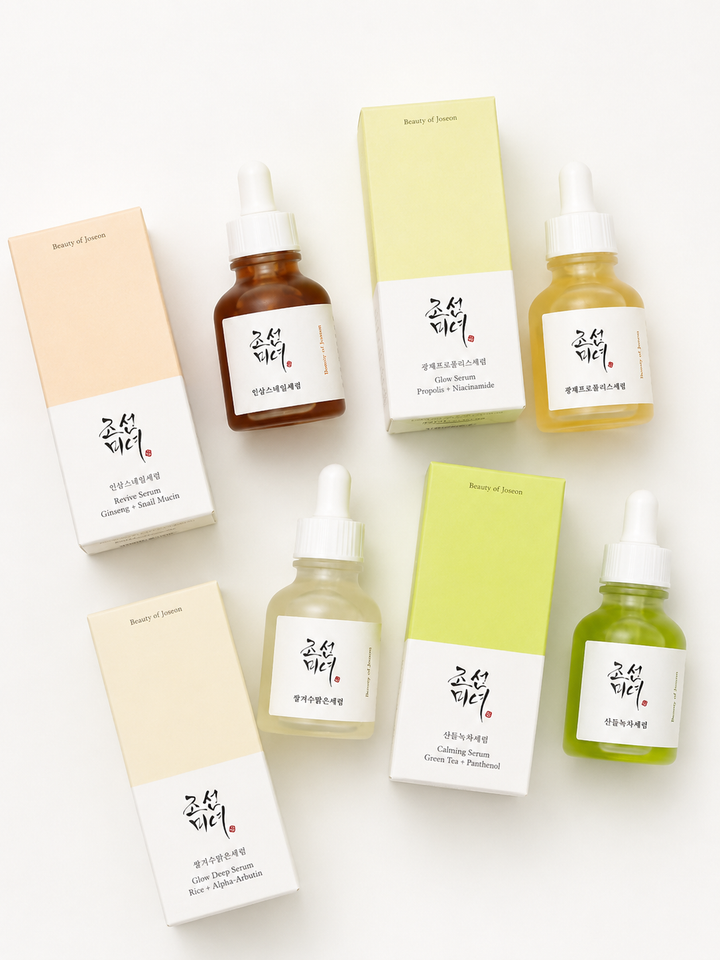
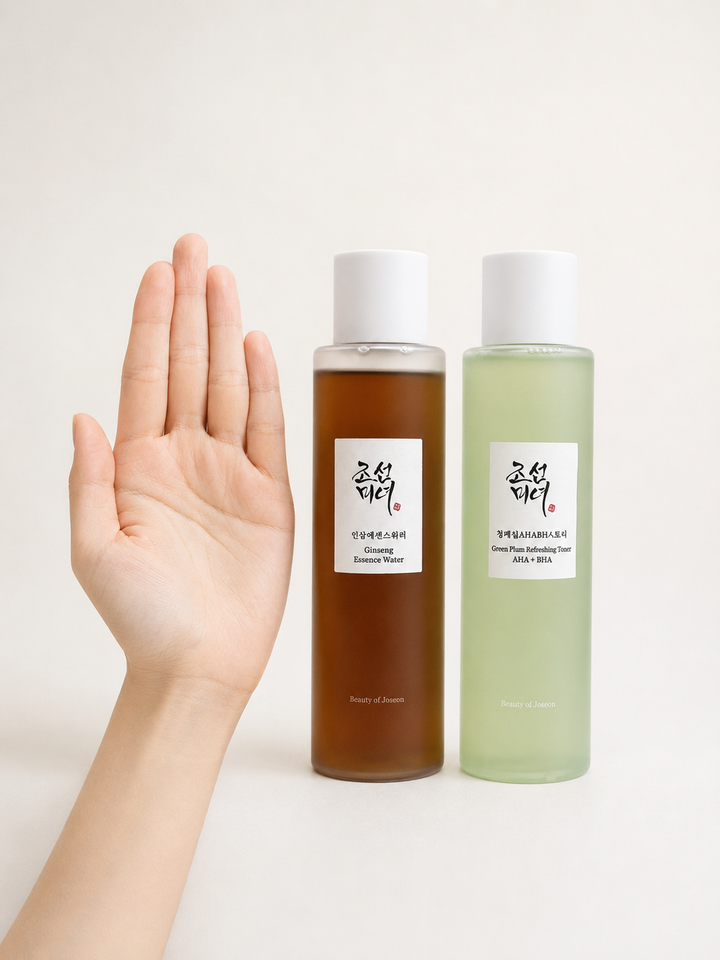


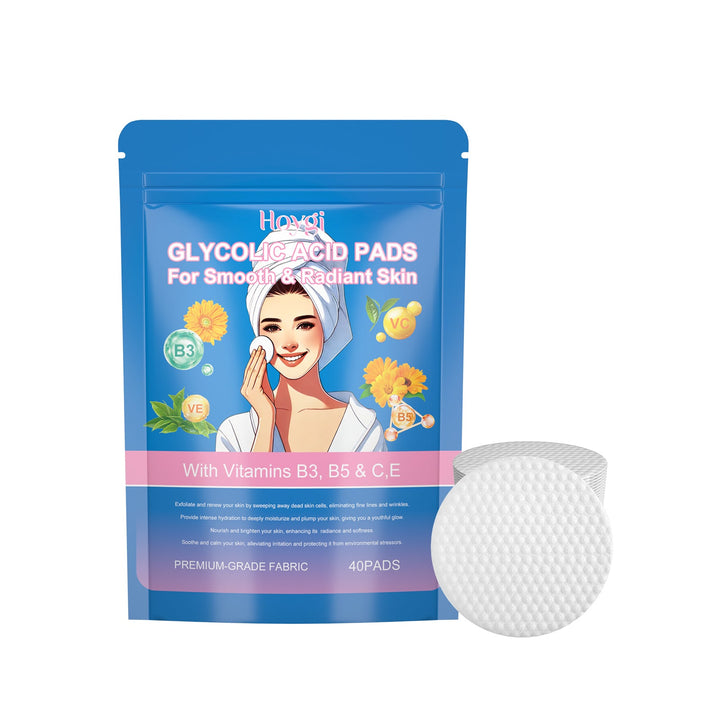
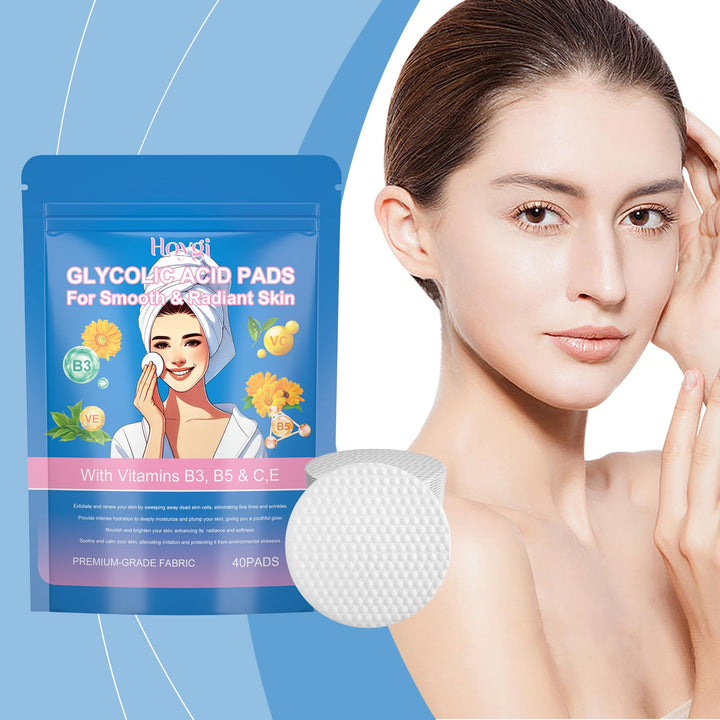
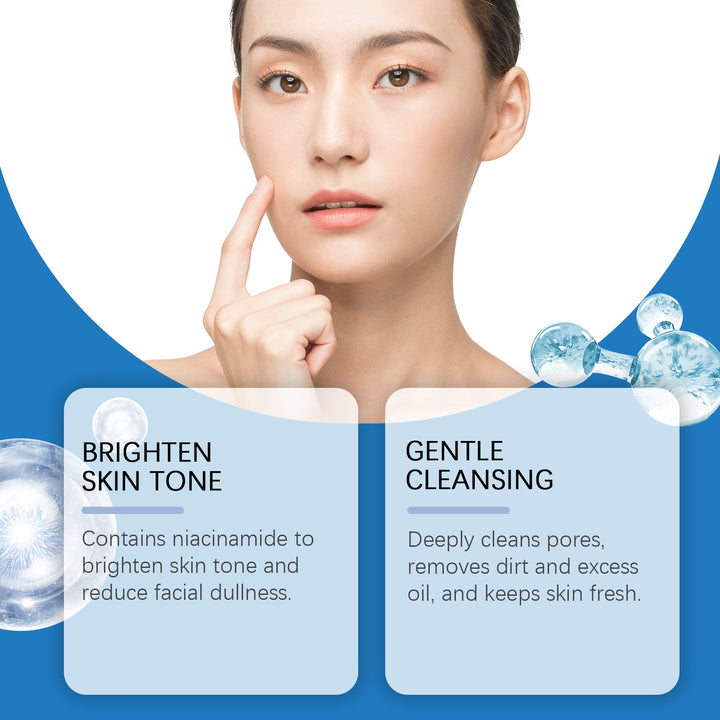

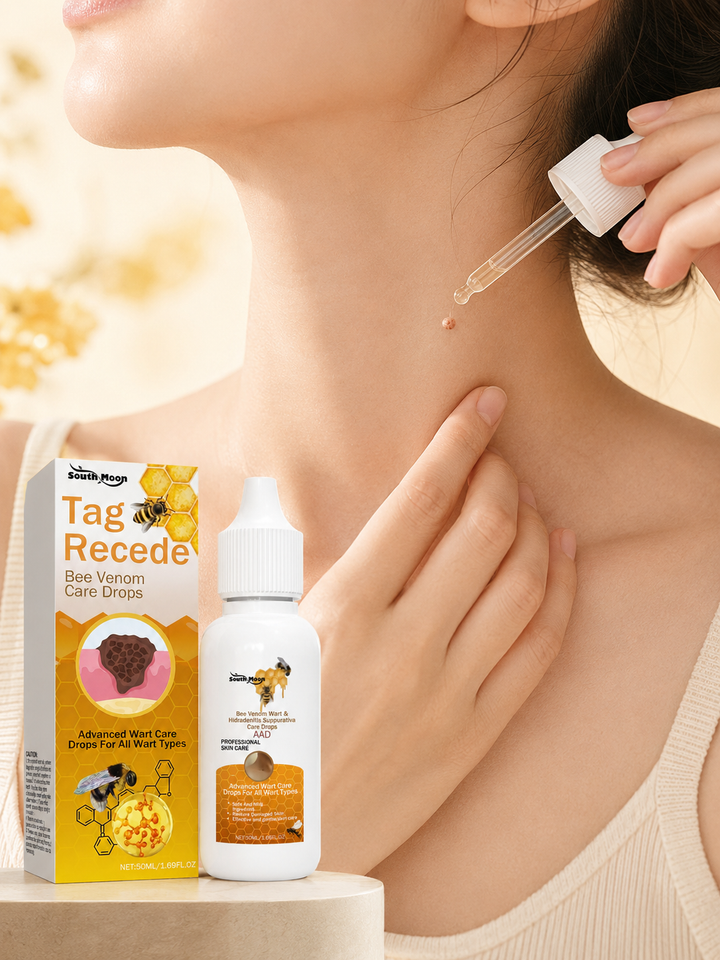
Skin serums are concentrated skincare products chosen for specific goals such as hydration, smoother-looking texture, brighter tone, or a more radiant appearance. This collection includes hyaluronic acid and copper peptide formulas, glycolic acid pads, acne-focused tea tree oil serum, tone-care products, and targeted body treatments, so compare the intended use and active ingredients before buying.
How to choose the best skin serum for your goals
Start with the result you want rather than choosing by the word “serum” alone. For dry-feeling skin, a hyaluronic acid formula can help support a hydrated, plumper-looking finish; the Copper Peptide Hyaluronic Serum is designed around that type of routine. For dull-looking or uneven skin tone, consider the White Spot Purifying Serum or glycolic acid rejuvenation pads, checking the product directions carefully. Tea tree oil acne serum is intended for blemish-prone skincare, while breast firming and skin tag products are targeted treatments rather than general face serums. If you are searching for a face serum for smooth skin or glowing skin, check that the product is labeled for facial use and matches your sensitivity level.
What are the different types of skin serums compared?
Hydrating serums focus on a comfortable, replenished feel and are often easy to place under moisturizer. Exfoliating products, such as glycolic acid rejuvenation pads, are used to improve the look of rough or dull surface texture but may require a slower introduction. Brightening products, including the White Spot Purifying Serum, are selected for the appearance of uneven tone. Tea tree oil serum is a targeted option for blemish-prone skin. Copper peptide and hyaluronic acid products combine different skincare purposes in one formula. The breast firming treatment is for body use, not the face. Products labeled for skin tags, moles, or warts should be used only as directed and should not be treated as everyday facial serums.
What should you look for in a face serum?
Read the product name, ingredient list, directions, and intended application area before buying. For a best hydrating serum for dry sensitive skin, look for a straightforward formula, avoid adding several new actives at once, and choose packaging that helps limit unnecessary exposure to air or light when specified. If you are considering an exfoliating acid or tea tree oil, review the caution statements and plan a patch test on a small area first. Shoppers seeking a serum for dark spots should remember that uneven tone can have different causes, so choose a product with clear usage guidance instead of relying on instant results. Also check whether the item is a leave-on serum, a pad, or a body treatment.
How do you use skin serums in a routine?
Apply products to clean, dry skin unless the label says otherwise, then follow with moisturizer when appropriate. Use a small amount and allow each layer to settle before applying the next. Start one new active product at a time so you can identify irritation or dryness more easily. Glycolic acid pads and tea tree oil serum may need less frequent use at first, depending on their directions and your skin’s tolerance. Avoid the eye area unless the product specifically allows it. During daytime, use broad-spectrum sunscreen as part of your routine, particularly when using exfoliating products. Keep facial serums separate from body treatments, and follow the exact instructions for any skin tag, mole, or wart product.
Which skin serum mistakes should you avoid?
A common mistake is choosing a product for the wrong area: breast firming serum, skin tag remover, mole removal, and wart-related products are not substitutes for a face serum. Another is combining multiple strong or potentially irritating products immediately, such as glycolic acid with tea tree oil or another exfoliating treatment. Introduce products gradually and stop if you experience significant discomfort. Do not use more product to chase faster results, and do not apply removal products to an unverified skin growth. Avoid picking at blemishes or uneven areas while using targeted skincare. Finally, patch test when advised, check the shelf-life guidance, and follow the label rather than assuming every serum can be layered with every other product.
Who are skin serums best suited to?
Skin serums can suit shoppers who want a focused step for hydration, surface smoothness, brighter-looking tone, or blemish-prone skincare. A hyaluronic acid serum may appeal to people whose skin feels dry or tight, while glycolic acid pads may suit those focused on dull-looking texture and who are comfortable following exfoliation guidance. Tea tree oil serum is aimed at a different concern and should be used according to its label. Older shoppers looking for anti-aging and glowing skin may prefer a simple hydrating or smoothing routine rather than stacking many actives. People with very sensitive, reactive, or persistently changing skin should review ingredients carefully and consider professional advice before using targeted treatments or products intended for moles, warts, or skin tags.
Frequently asked questions
What are the top 5 face serums?
There is no single top five for every skin type. Within this collection, the most face-focused options include Copper Peptide Hyaluronic Serum, White Spot Purifying Serum, Tea Tree Oil Acne Serum, and the Skin Essence Mole Removal Serum only where its label specifically permits the intended use. Glycolic Acid Rejuvenation Pads are a treatment format rather than a conventional leave-on serum, so compare the purpose and directions before choosing.
Which serum is the best for the skin?
The best serum depends on your goal, skin tolerance, and where you plan to use it. Choose a hyaluronic acid option for a hydration-focused routine, a tone-focused formula for uneven-looking color, or a targeted acne product when its directions match your needs. Start with one product and follow the label rather than selecting the strongest combination.
What do serums do for your skin?
Serums deliver focused skincare ingredients in a lightweight format. Depending on the formula, they can support a hydrated feel, smoother-looking texture, brighter-looking tone, or targeted blemish care. Results and suitability vary by ingredient and skin type, so use the product consistently as directed and do not assume every serum serves the same purpose.
What three serums should I use?
Many routines do not need three serums. A practical approach is to choose one primary goal, such as hydration, and add another targeted product only if your skin tolerates it and the directions allow layering. Avoid automatically combining glycolic acid, tea tree oil, and other active treatments; introduce products separately and use moisturizer and daytime sunscreen as appropriate.
What serum is best for older skin?
For older skin, a simple hydrating serum such as a hyaluronic acid formula may be a comfortable starting point, especially when skin feels dry. If you want smoother-looking texture or a more radiant appearance, consider a targeted product such as glycolic acid only after reviewing its directions and sensitivity cautions. A short, consistent routine is usually easier to manage than several strong actives at once.
Which two serums cannot be used together?
There is no universal pairing rule because formulas and concentrations differ, but combining multiple potentially irritating actives can increase the chance of dryness or discomfort. Be cautious about layering glycolic acid with tea tree oil or another exfoliating or active treatment unless the product instructions support it. Use products on separate routines when needed, introduce one at a time, and follow each label’s warnings.