$199.90
Free delivery · 7–14 days
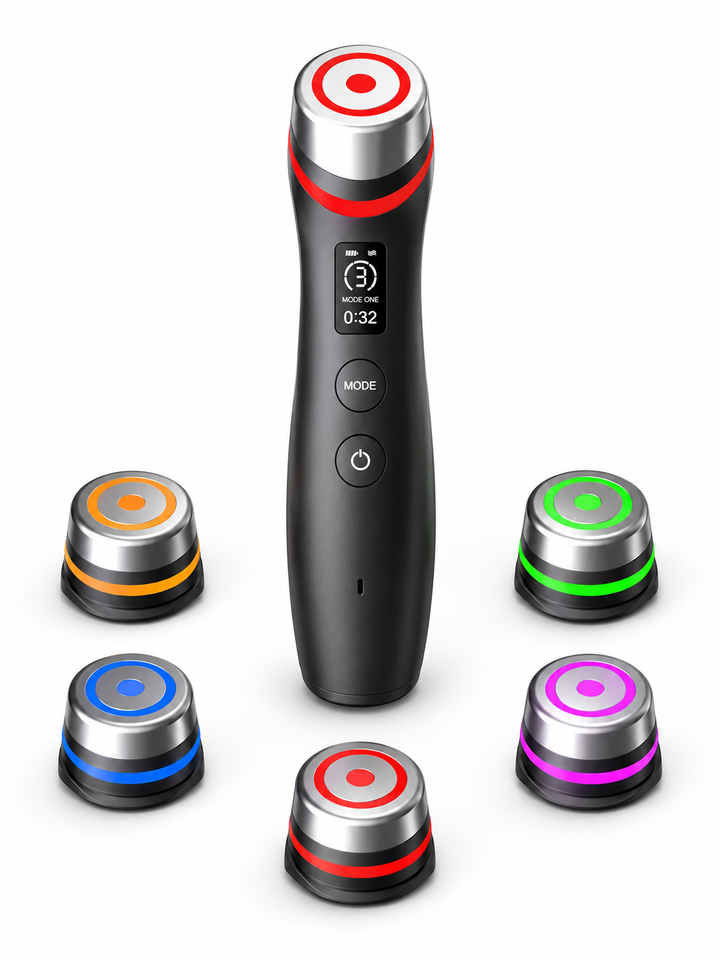
6-in-1 LED Microcurrent Skin Rejuvenation Beauty Device


A skin repair patch or skin-support product can help protect, cover, hydrate, or improve the look of uneven areas without an invasive procedure. This category includes patches, creams, sprays, a liquid bandage, and a light-based beauty device, so the best choice depends on the area, your goal, and the product’s intended use.
Start by identifying what you want the product to do. For temporary coverage and protection, choose the Waterproof Liquid Bandage for minor cuts and exposed skin, following the label carefully. For targeted cosmetic care, consider Skin Repair Cream for the look of scars or Skin Repair Spray for uneven-looking body skin. Skin Tag Patches are designed for specific tag, mole, or wart-related use and should not be treated as interchangeable with acne or wound patches. If your goal is a broader at-home beauty routine, the 6-in-1 LED Microcurrent Skin Rejuvenation Beauty Device offers a device-based option. Check the application area, ingredients, skin sensitivity guidance, and return policy before buying.
Hydrocolloid patches are adhesive coverings commonly used to shield individual blemishes and absorb surface fluid; they are different from the products in this category. Creams and sprays are leave-on options for larger or irregular areas, while a liquid bandage forms a protective film over suitable minor cuts. Skin Tag Patches are small, targeted patches intended for particular raised spots, and the LED microcurrent device is a reusable beauty tool rather than a disposable patch. A skin patch definition can therefore vary: shoppers may mean an adhesive covering, a cosmetic spot product, or a patch designed for a specific skin concern. Match the format to the area and avoid assuming one type works for every purpose.
Look for clear instructions about intended use, placement, wear time, removal, and skin compatibility. Adhesive products should state whether they are suitable for sensitive skin and whether they can handle water or movement. For creams and sprays, review the ingredient list and choose a formula that fits your routine rather than layering several new products at once. A device should include instructions for cleaning, charging, contact with skin, and use around the eyes or other sensitive areas. Consider pack size and application style too: 144 Skin Tag Patches suit repeated spot use, while a 20g cream is more compact for targeted application. Avoid products with unclear directions or claims that sound stronger than the available evidence.
Clean and dry the skin before applying an adhesive patch, cream, spray, or liquid bandage unless the label says otherwise. Use only enough cream or spray to cover the intended area, and allow it to dry before clothing contacts the skin. Apply Skin Tag Patches only to the spots described in their instructions; do not cut, stack, or move them to a different use without guidance. For the LED microcurrent device, cleanse the skin, select the recommended setting, and follow the stated contact and charging instructions. Wash your hands before and after application, keep products away from eyes, and stop if you notice persistent burning, swelling, or a worsening reaction. Follow package directions over general advice.
A common mistake is using an acne-style hydrocolloid patch on a wound, mole, wart, or skin tag when it was not designed for that purpose. Another is applying a liquid bandage to deep, heavily bleeding, infected-looking, or otherwise unsuitable areas instead of seeking appropriate care. Do not place patches over dirty, wet, or irritated skin, and do not pull adhesive coverings off aggressively. Using several new creams, sprays, or device settings at once can make it difficult to identify what caused irritation. Shoppers also sometimes confuse cosmetic care with treatment: a patch may cover or protect an area without changing its underlying appearance. Check the label, patch-test when appropriate, and discontinue use if your skin reacts.
These products suit shoppers looking for non-invasive, at-home options for coverage, protection, or cosmetic skin care. The Waterproof Liquid Bandage is intended for suitable minor cuts, while Skin Repair Cream and Skin Repair Spray are better matched to shoppers focusing on the look of scars or uneven body tone. Skin Tag Patches are for targeted use and require especially careful attention to instructions. The LED microcurrent device may suit someone who wants a reusable beauty device rather than a single-use patch. People with known sensitivities, damaged skin, unexplained changes, or concerns about a mole, wart, or skin tag should seek professional advice before use. Always check whether the product is appropriate for your age, skin condition, and application area.
Hydrocolloid patches can cause adhesive irritation, leave residue, or make the skin feel damp after extended wear. They are most suitable for the limited purpose stated on the package and may not help with every type of blemish or skin concern. Do not use them as a substitute for wound care or professional evaluation when an area looks unusual or is worsening.
There is no single best option for every skin concern. Choose based on whether you need protection for a suitable minor cut, targeted cosmetic care, support for the look of uneven tone or scars, or a reusable beauty device. Read the directions and ingredient list, and seek professional advice for persistent, painful, infected-looking, or unexplained skin changes.
A dermatologist may recommend a spot patch for a specific situation, depending on the person’s skin and the patch’s ingredients and intended use. Patches can provide a barrier or help protect a small area, but they are not appropriate for every lesion or wound. Follow the product directions and ask a qualified professional if you are unsure what a spot represents.
It can be worthwhile when the format matches your goal and you will use it as directed. Compare the pack size, application area, wear time, ingredients, and whether you need a disposable patch, a leave-on formula, or a reusable device. A patch is less likely to offer value if it is being used for a purpose outside its instructions.
Do not use a patch on an area that is deeply cut, heavily bleeding, infected-looking, severely irritated, or otherwise outside the product directions. Avoid applying one over eyes, mucous membranes, or broken skin unless the label specifically permits it. Do not use a patch on an unexplained mole, wart, or skin change without appropriate guidance.
The better choice depends on the intended use, adhesive comfort, ingredients, fit, wear time, and your skin’s tolerance. Compare each product’s directions rather than choosing by brand reputation alone, and do not compare an acne-style hydrocolloid patch directly with a skin tag patch, liquid bandage, cream, or beauty device. Select the option designed for the area and concern you want to address.