Skin Analyzers for Oily, Dry & Sensitive Skin Moisture Care
5 items




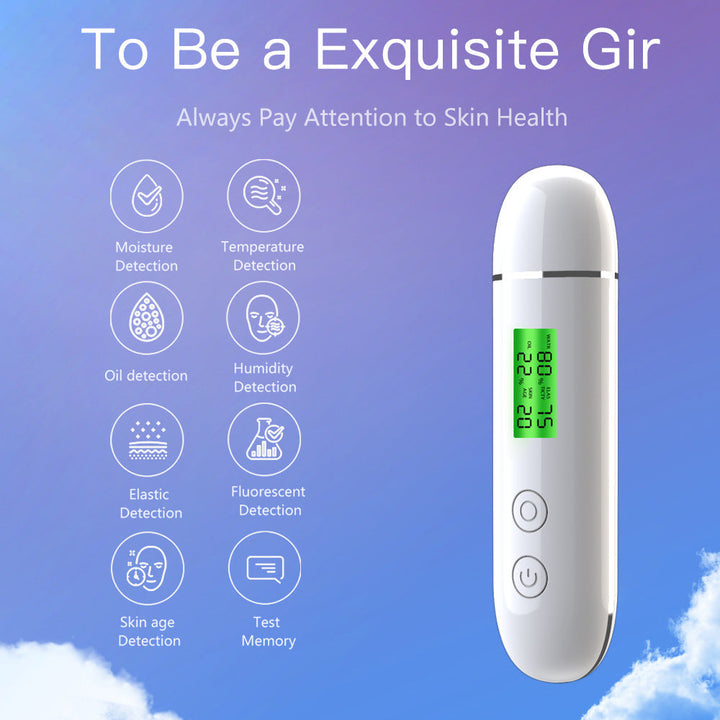
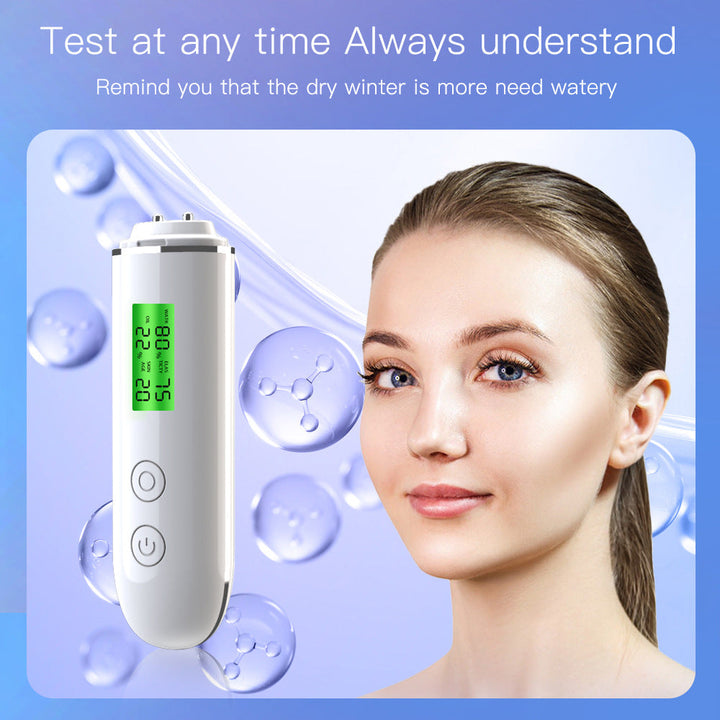
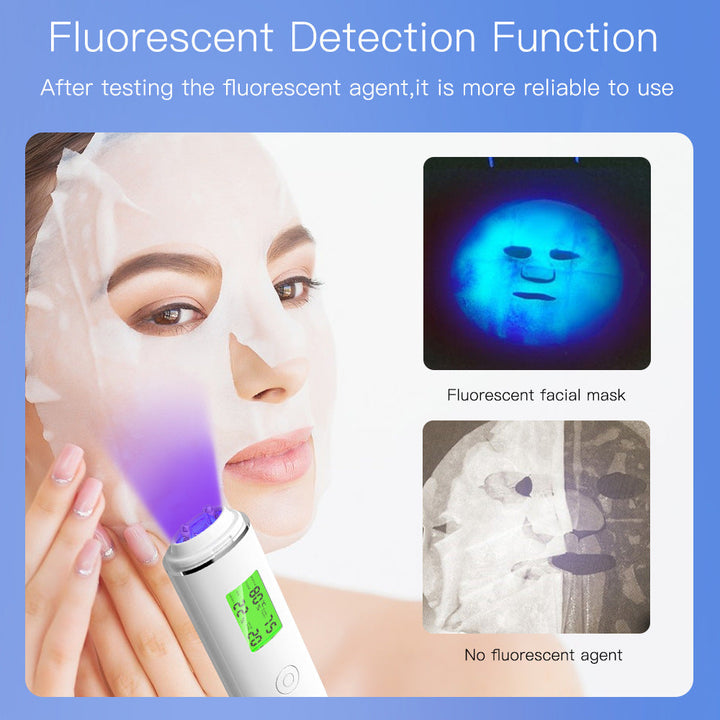
Choose practical skin analyzers and moisture-care products for checking oil and moisture levels, then matching your routine to dry, oily, or sensitive-feeling skin. This category includes handheld testers, a professional-style 10-in-1 analyzer, and targeted moisturizers and primers for everyday care.
How to choose a skin analyzer for your routine
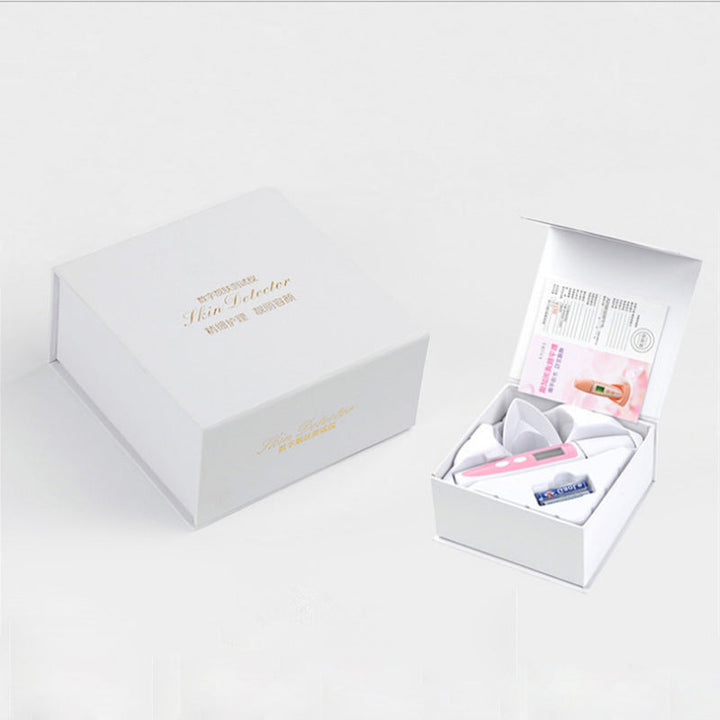
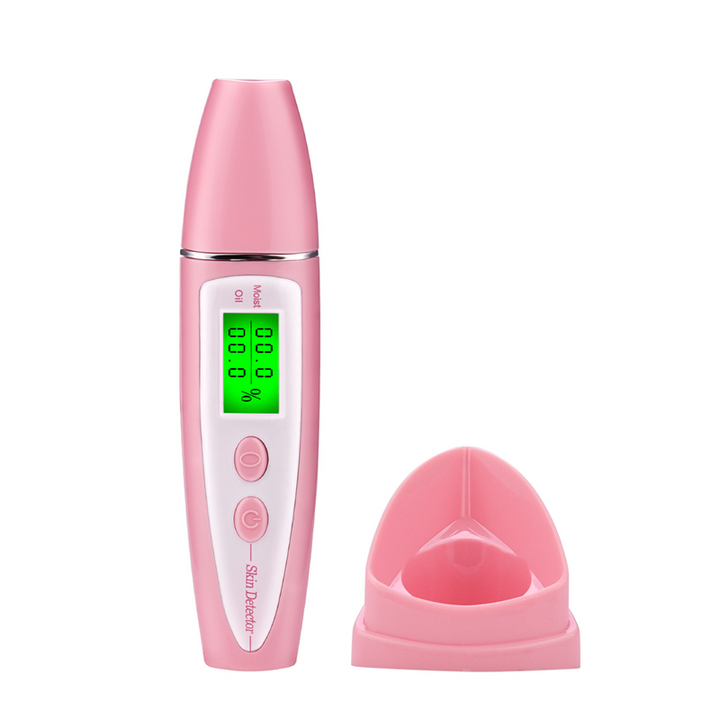
Start by deciding whether you want a quick moisture and oil check or a broader reading. The Skin Moisture Tester Pen is a compact option for simple checks at home, while the Professional 10-in-1 Analysis tester is suited to shoppers who want more measurements in one device. Consider where you will use it, how often you will test, and whether a pen-style format is easier to store and handle. If you are comparing a skin analyzer machine with a small handheld tester, check the product details for the readings provided, display format, and operating instructions. Use results as general skincare guidance rather than a diagnosis. Pair your readings with products suited to your comfort needs, such as a rich balm for dry-feeling skin or a matte primer for oily-looking skin.
Skin analyzer types compared: pen, 10-in-1, and app
A moisture tester pen is designed for straightforward, repeatable checks of skin moisture and oil. It can be useful when you want a simple reading before adjusting how much moisturizer or primer you apply. A 10-in-1 skin analyzer offers a wider set of measurements, making it a better fit for shoppers who want a more detailed overview from one device. An online skin analysis test or skin analysis app may be convenient, but results can depend on lighting, camera quality, image angle, and the information entered. Free AI skin analysis tools can help organize observations, yet they should not replace product instructions or professional advice about skin concerns. For the most consistent home comparison, test with the same device, on the same area, under similar conditions.
What to look for in a skin analysis machine
Look for a clear measurement purpose before choosing a skin analysis machine. If moisture and oil are your priorities, choose a tester that clearly identifies those readings, such as the Skin Moisture Tester Pen. If you want several categories of information, review what is included in the Professional 10-in-1 Analysis model rather than assuming every device measures the same things. Also check the display, probe design, cleaning instructions, power requirements, and whether the controls are easy to understand. A compact tester may be more convenient for regular home use, while a larger analyzer can suit a dedicated skincare station. Avoid choosing based only on claims about “professional” results. The most useful analyzer is one you can operate consistently and interpret alongside how your skin feels.
How to use a skin analyzer at home
Begin with clean, dry skin and remove makeup, sunscreen, and skincare residue from the area you plan to check. Follow the tester’s instructions for switching it on, placing the probe, and reading the display; do not press harder than directed. Test comparable areas, such as the cheek or forehead, and record the reading if you want to observe changes over time. Avoid comparing a reading taken immediately after cleansing with one taken after moisturizer, since the routine can affect the result. Clean and store the device as instructed after use. A skin analysis test can guide product choices, but it cannot identify or diagnose a skin condition. If your skin is uncomfortable or changing unexpectedly, seek advice from a qualified healthcare professional instead of relying on an app or home analyzer.
Common skin analysis mistakes to avoid
One common mistake is testing immediately after applying moisturizer, oil, balm, or primer and treating the result as your baseline. Another is using different facial areas each time or testing in changing conditions, such as after exercise, a hot shower, or prolonged outdoor exposure. Do not assume a low moisture reading means you need the richest possible product; consider comfort, texture, and how your skin responds. Likewise, an oil reading does not automatically mean you should skip all moisture care. Avoid using free online skin analysis tools as a diagnosis, especially when a photo is poorly lit or filtered. Do not share personal images with an app unless you understand its privacy terms. Use analyzer results as one practical input, then choose products conservatively and follow their directions.
Who should use a skin analyzer and moisture-care product?
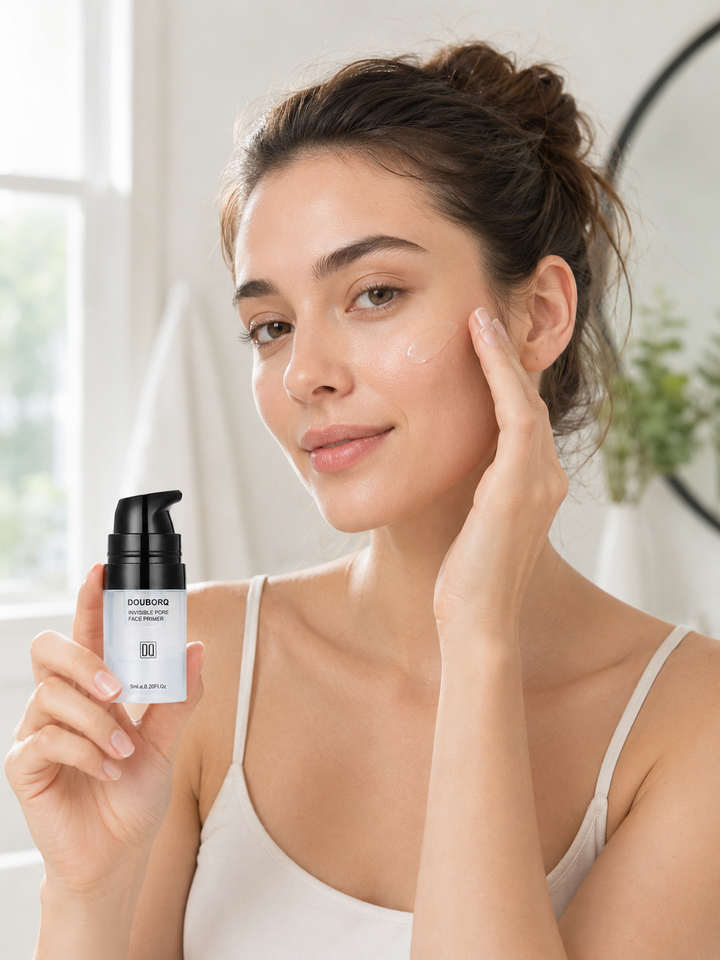
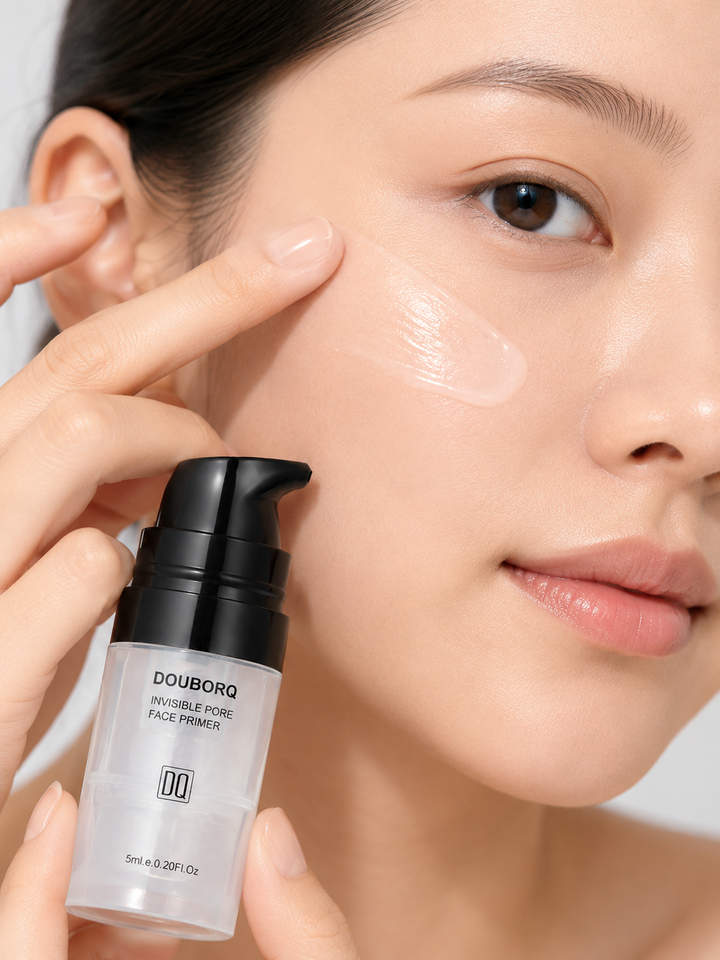
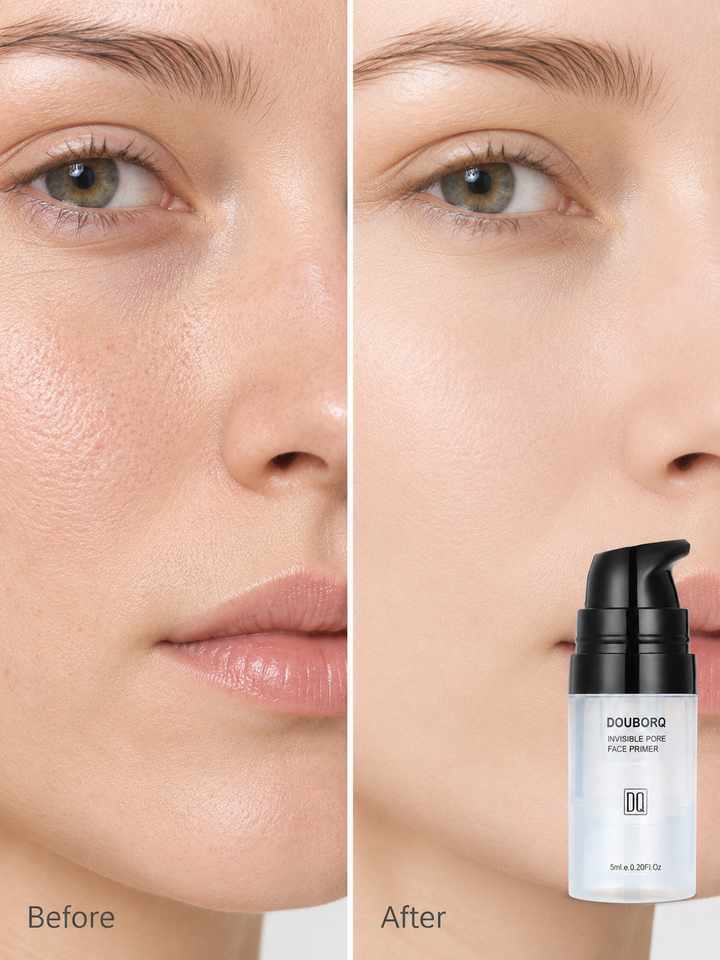
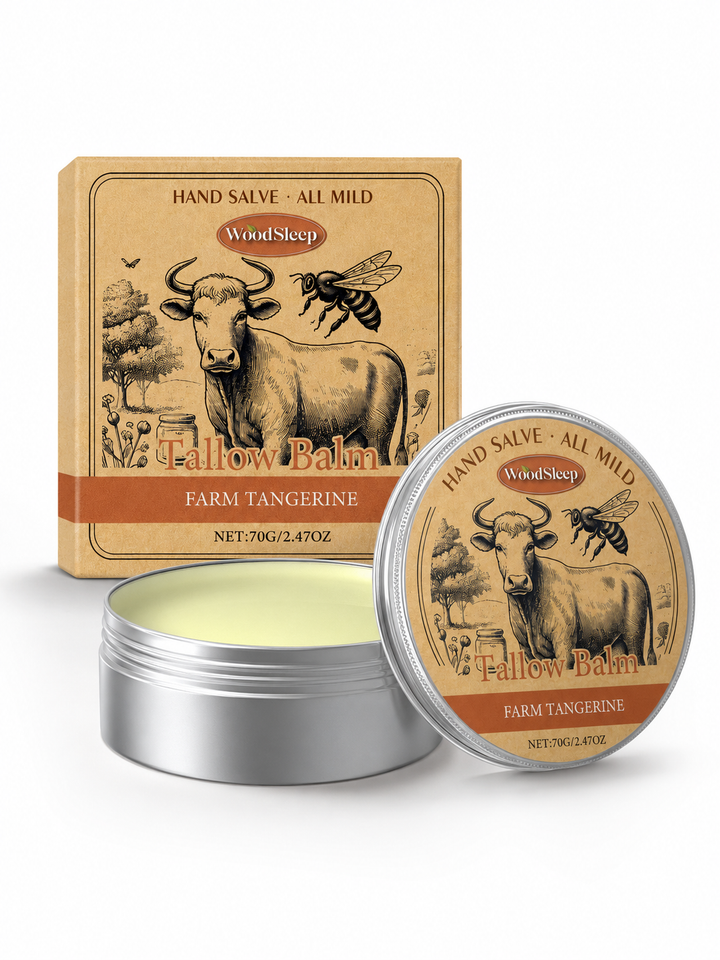
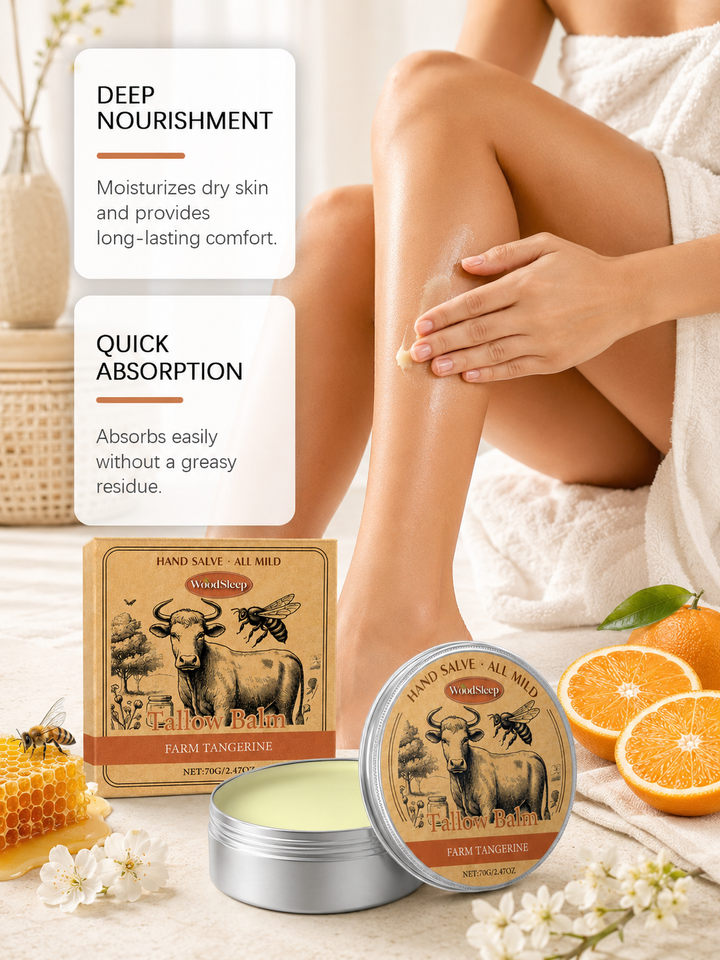
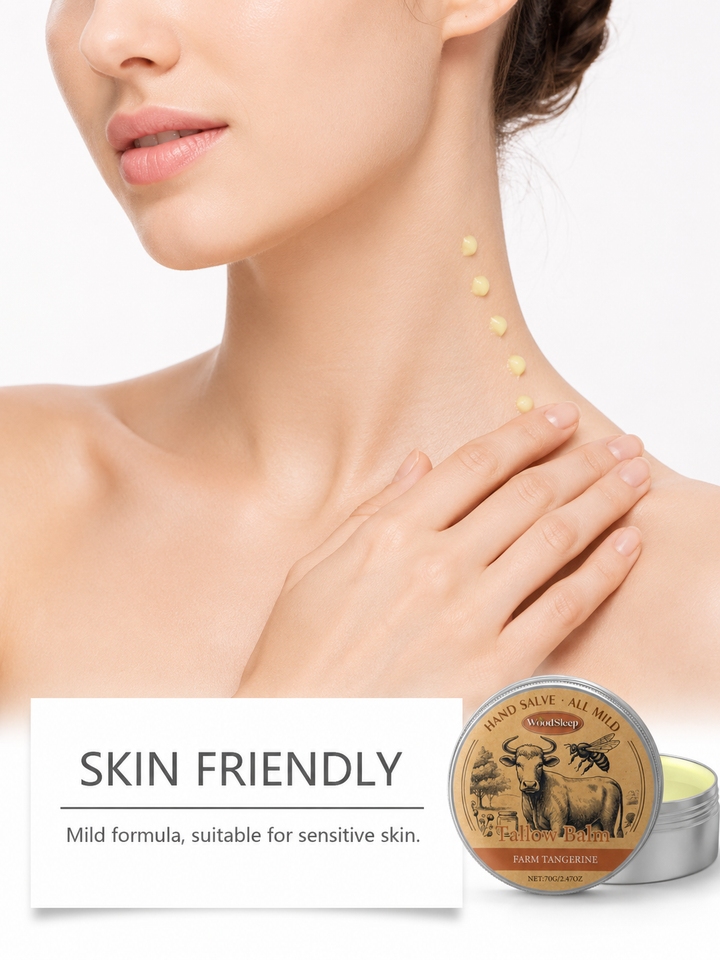
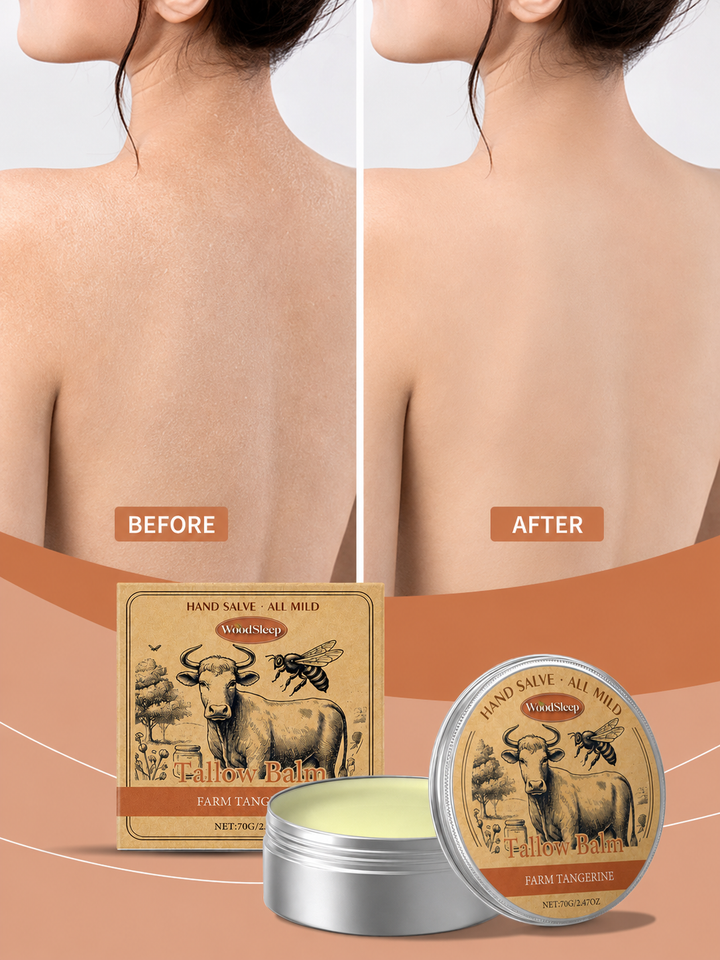
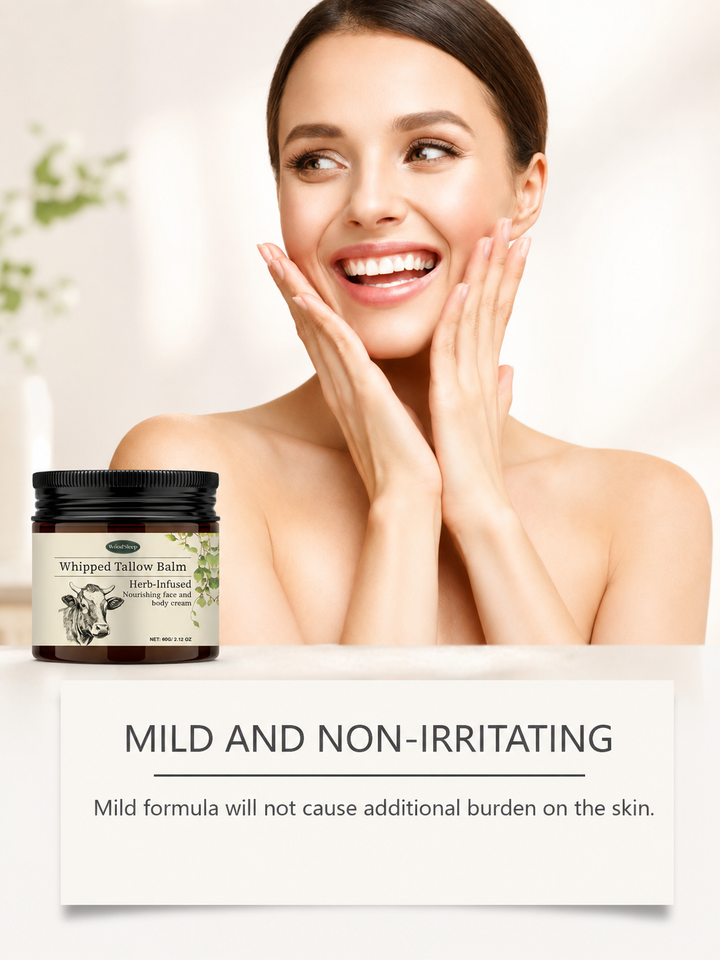
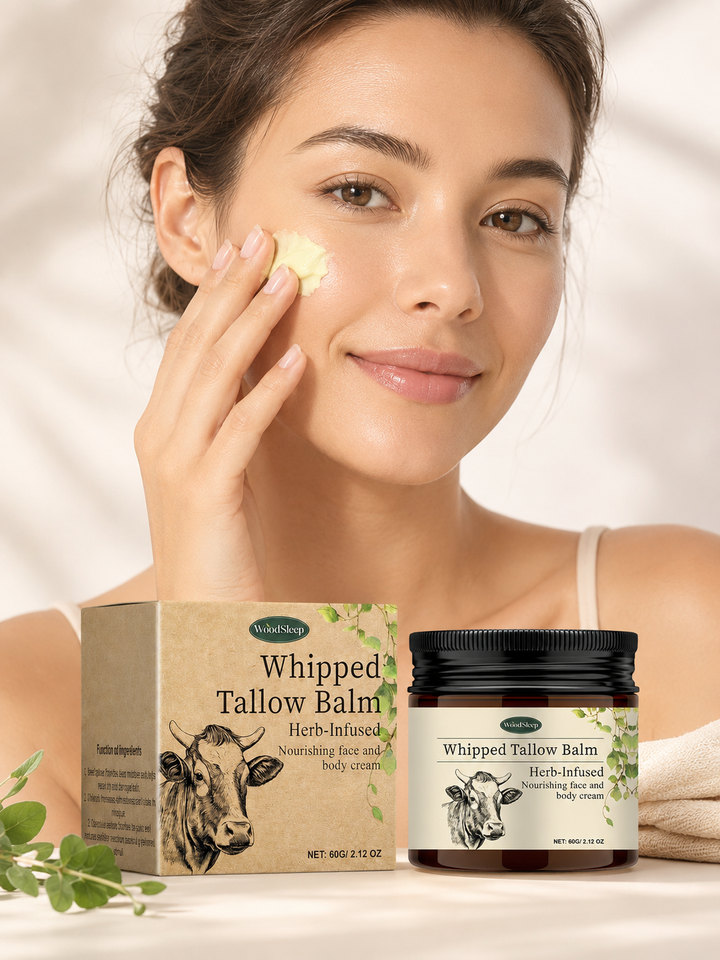
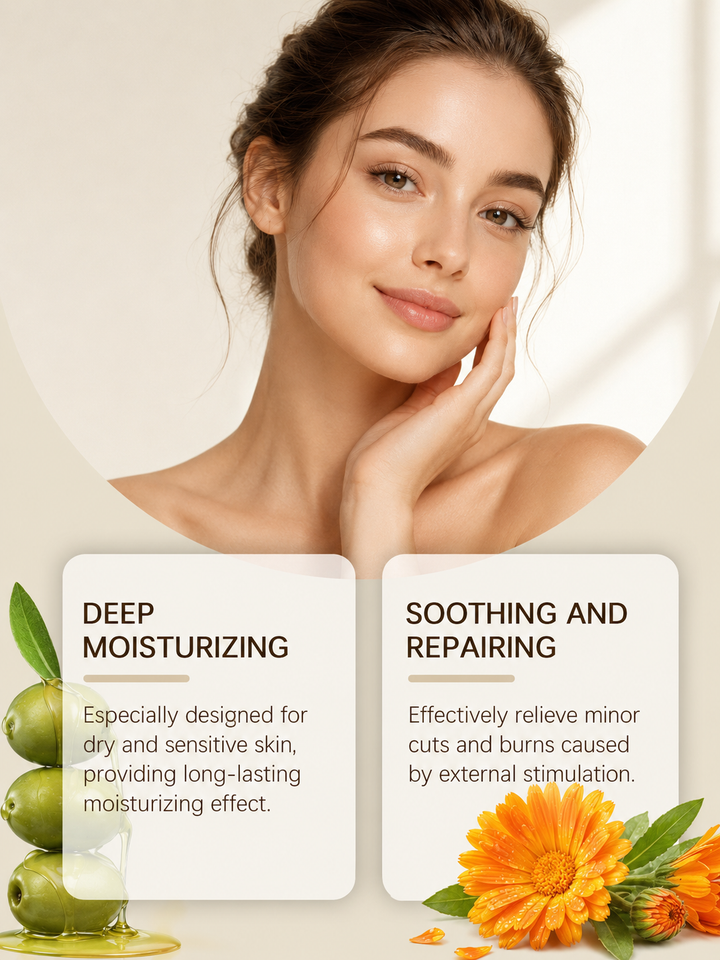
Skin analyzers suit shoppers who want a simple way to compare moisture and oil readings before and after changing a routine. The Skin Moisture Tester Pen is a practical choice for quick checks, while the Professional 10-in-1 Analysis tester fits those who prefer a broader set of measurements. For dry-feeling or sensitive-feeling skin, Whipped Tallow Balm and Honey Butter Hand Salve offer rich moisture-care formats for the areas listed in their product descriptions. For oily-looking skin, Matte Face Primer can help create a less shiny makeup base. These products serve different purposes, so an analyzer should not be used to decide that one product is universally best. Test products on a small area as directed, stop if irritation occurs, and consult a professional for persistent concerns.
Frequently asked questions
What is the best tool for analyzing skin?
The best tool depends on what you want to measure. Choose the Skin Moisture Tester Pen for a simple moisture and oil check, or the Professional 10-in-1 Analysis tester if you want a broader set of readings. For consistent comparisons, use the same device under similar conditions each time.
What does a skin analyzer do?
A skin analyzer provides readings related to features such as moisture and oil, depending on the model. It can help you compare areas or track changes in a routine, but it is not a medical diagnostic tool and cannot confirm a skin condition.
How much does a skin analyzer cost?
The price varies by device type, features, and included measurements. A basic moisture tester pen is generally a simpler purchase than a multi-measurement skin analyzer machine. Check the current product listing for the latest price and included functions.
What is the best free app for analyzing my skin?
There is no single best free app for everyone. Camera-based skin analysis apps can be convenient, but lighting, image quality, privacy policies, and the app’s stated purpose all affect how useful they are. Treat app output as general skincare information, not a diagnosis.
What is a free app that can help me diagnose skin conditions?
A free app should not be relied on to diagnose a skin condition. Image-based tools may provide general observations, but they cannot replace an assessment by a qualified healthcare professional. For a concerning or persistent change, seek professional advice rather than relying on an AI skin analysis tool.
Where can I get a free skin analysis?
Some beauty retailers, salons, and skincare websites may offer a free consultation or online skin analysis test, but the format and accuracy can vary. You can also use a home tester, though the device itself may require a purchase. Review what the analysis measures and how your information is handled before using any service.