
$31.90
Free delivery · 7–14 days
Gentle Facial Hair Removal Cream for Sensitive Skin


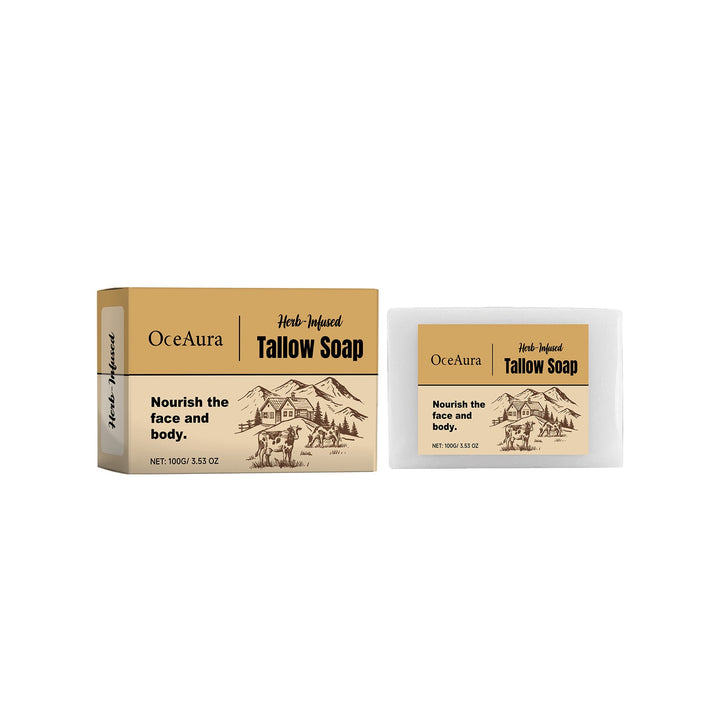


Sensitive skin can feel dry, tight, itchy, or easily uncomfortable after contact with products, water, weather, or friction. This collection includes face, body, oily-skin, dry-skin, and pet-care options, so choose by the area you are treating and the type of comfort or moisture support you want.
Start by identifying where the product will be used. For facial care, choose from the Blue Bell Facial Soothing Oil, Tallow Face Cream, Tallow Honey Facial Moisturizer, Day & Night Facial Moisturizer, Oil Control Moisturizing Gel, or Acne-Clearing Face Cream. Dry-feeling skin may suit a cream, moisturizer, or facial oil, while oily-feeling skin may be more comfortable with the gel texture. For the body, Honey Shower Gel is designed for cleansing and moisture care. Pet Anti-Itch Spray is for pets, not people, so keep product selection separate. If your skin is sensitive to touch, introduce one new product at a time and stop using it if discomfort increases.
Sensitive skin is often described by the way it reacts: dryness-related sensitivity, oiliness with sensitivity, sensitivity linked to contact or friction, and sensitivity that appears after environmental changes. These descriptions are practical shopping categories rather than a diagnosis. Dry, sensitive facial skin may call for a richer tallow cream, honey moisturizer, day-and-night moisturizer, or soothing oil. Oily, sensitive skin may suit Oil Control Moisturizing Gel, while the Acne-Clearing Face Cream is another face-care option for shoppers seeking oily-skin care. Body sensitivity may call for a gentle shower gel. Choose based on your current skin feel, the application area, and the product texture you prefer.
Look for a product format that matches your routine and avoids unnecessary experimentation. Creams and moisturizers are convenient for dry-feeling facial skin, while an oil can be layered sparingly when you prefer a richer finish. A gel may feel lighter on oily skin. For body care, choose a shower gel intended for sensitive-skin moisture care rather than using a facial formula over large areas. Check the product directions and ingredient list before applying, especially if your skin is sensitive to touch or has reacted to cosmetics before. A small-area test can help you decide whether a new product feels comfortable. Do not use the pet spray on human skin.
Keep a sensitive-skin routine simple: cleanse gently, avoid aggressive rubbing, and apply a suitable moisturizer while skin is still comfortable after washing. For the face, select one main moisturizer or cream according to whether your skin feels dry or oily, then add the Blue Bell Facial Soothing Oil only if you want an oil step. Use Honey Shower Gel for body cleansing, followed by a body moisturizer if needed; the listed facial products are intended for facial care. Introduce products separately so you can identify what suits you. For sensitive skin treatment at home, protect the skin from avoidable friction and harsh-feeling routines. Seek professional advice for persistent, severe, or unexplained symptoms.
A common mistake is choosing by the word “sensitive” alone instead of matching the product to the area and skin feel. Facial oil may feel too rich for some oily skin, while a lightweight gel may not feel sufficient for very dry skin. Another mistake is changing several products at once, which makes it difficult to tell what your skin tolerates. Scrubbing, rubbing sensitive skin to touch, or repeatedly washing can also make a routine feel less comfortable. Do not apply the Pet Anti-Itch Spray to your face or body; it is a pet-care product. Always follow the label, avoid contact with eyes, and discontinue use if a product causes concerning irritation.
This category suits shoppers looking for face or body care for skin that feels dry, tight, reactive, oily, or uncomfortable with some routines. Choose dry-sensitive options such as Tallow Face Cream, Tallow Honey Facial Moisturizer, Day & Night Facial Moisturizer, or Blue Bell Facial Soothing Oil when a richer facial texture fits your preference. Choose Oil Control Moisturizing Gel or Acne-Clearing Face Cream for oily, sensitive facial care. Honey Shower Gel is the body-cleansing option. Pet owners shopping for an animal-care product can consider Pet Anti-Itch Spray for Sensitive Skin Relief Care, following its label directions. If you are unsure whether symptoms reflect a skin condition, ask a qualified healthcare professional.
Commonly reported signs include dryness, tightness, stinging, itching, redness, or discomfort after using a product or experiencing weather and friction. These signs can have different causes, so persistent or severe symptoms should be discussed with a healthcare professional.
A sudden change can follow a new product, over-cleansing, friction, weather changes, or another change in your routine. Pause recently added products, keep care simple, and seek professional advice if the reaction continues, worsens, or concerns you.
There is no single routine that suits everyone. Use gentle, area-appropriate products, introduce one product at a time, avoid rubbing, and choose a moisturizer based on whether your skin feels dry or oily. A healthcare professional can help assess ongoing symptoms.
There is no single universally accepted set of four types for everyday product shopping. Sensitive skin is often grouped by patterns such as dryness-related sensitivity, oily sensitivity, contact or friction sensitivity, and sensitivity linked to environmental changes. These labels are guides, not a diagnosis.
Dermatologists commonly tailor advice to the person, the affected area, and the symptoms. A simple routine with gentle cleansing, suitable moisturization, limited product changes, and attention to triggers may be recommended, but professional guidance is best for very sensitive or persistent symptoms.
Skin sensitivity can occur with many different conditions, but sensitivity alone cannot identify a disease. If discomfort is persistent, spreading, painful, associated with marked swelling, or otherwise concerning, consult a qualified healthcare professional rather than self-diagnosing.