Scar Cream – Best Scar Treatment for Acne, Pimples & Surgery
11 items
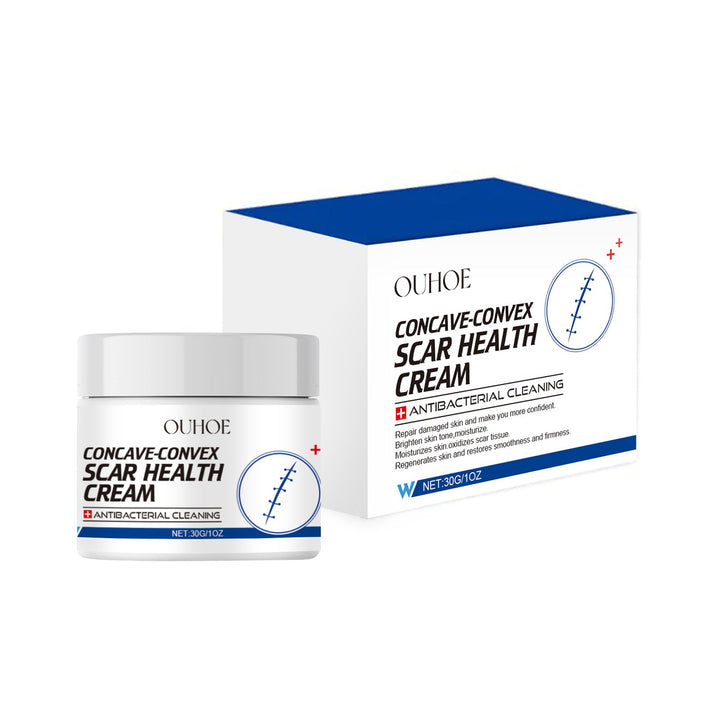
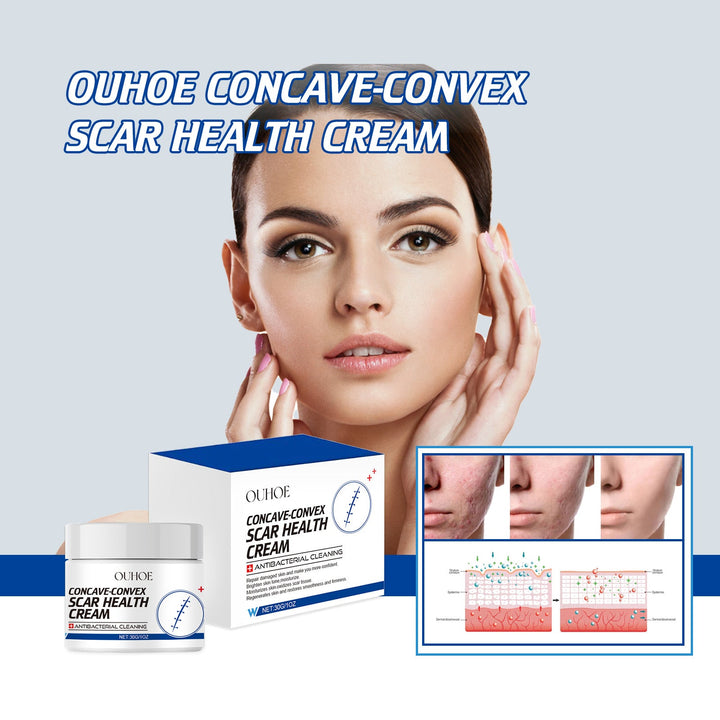
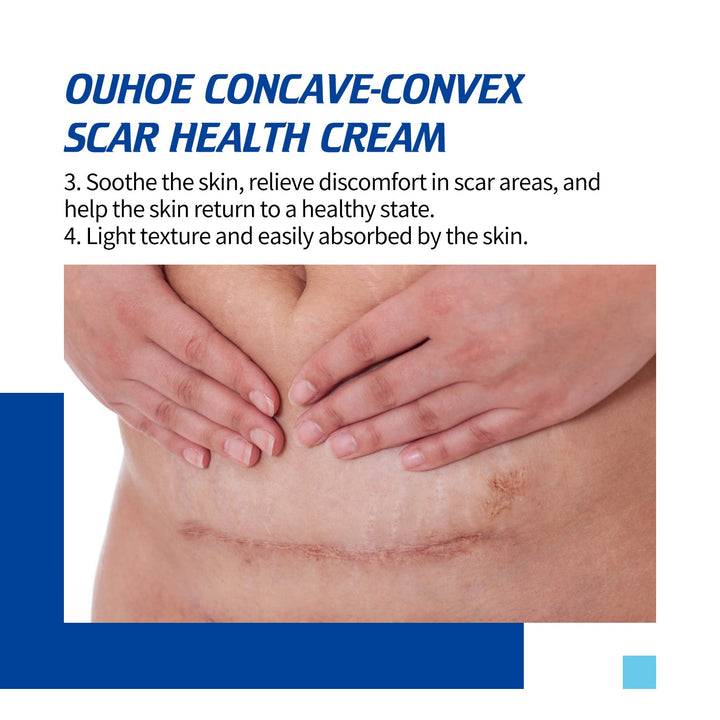

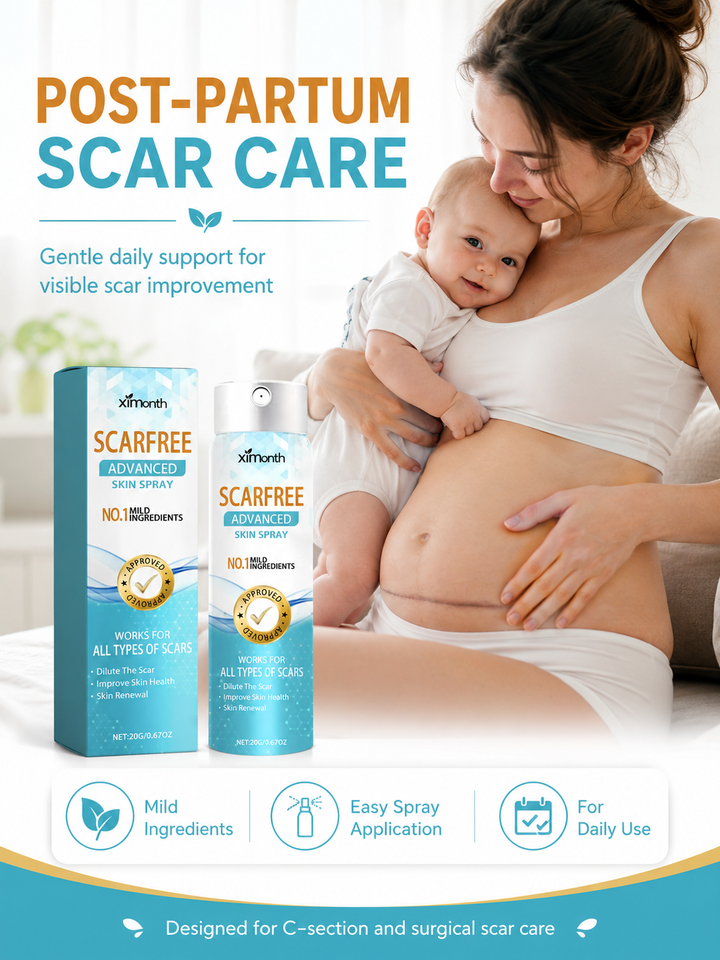
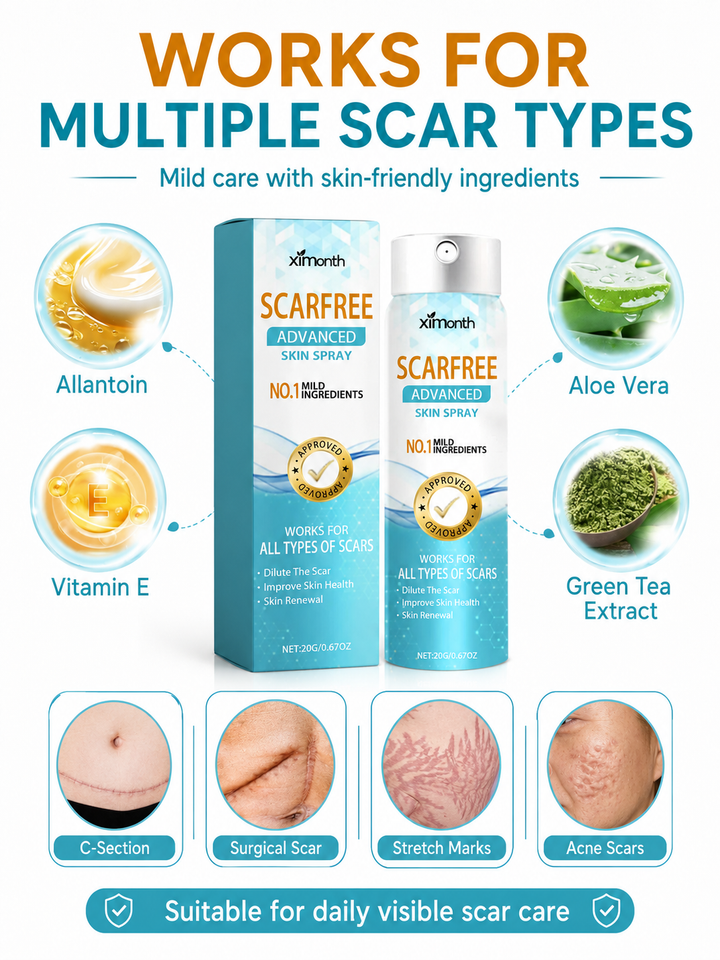
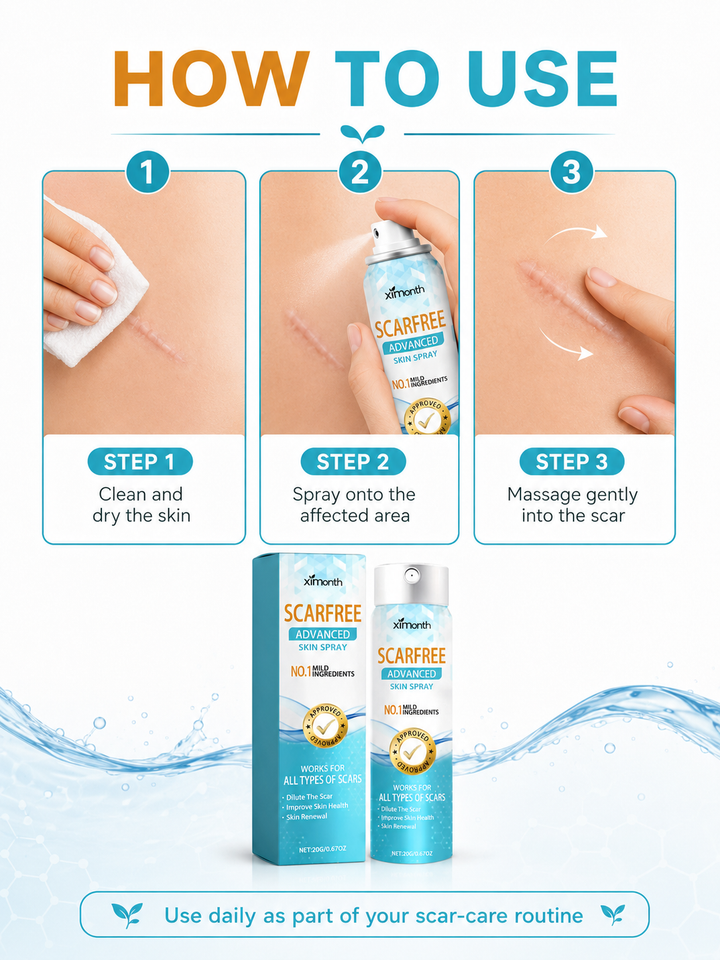

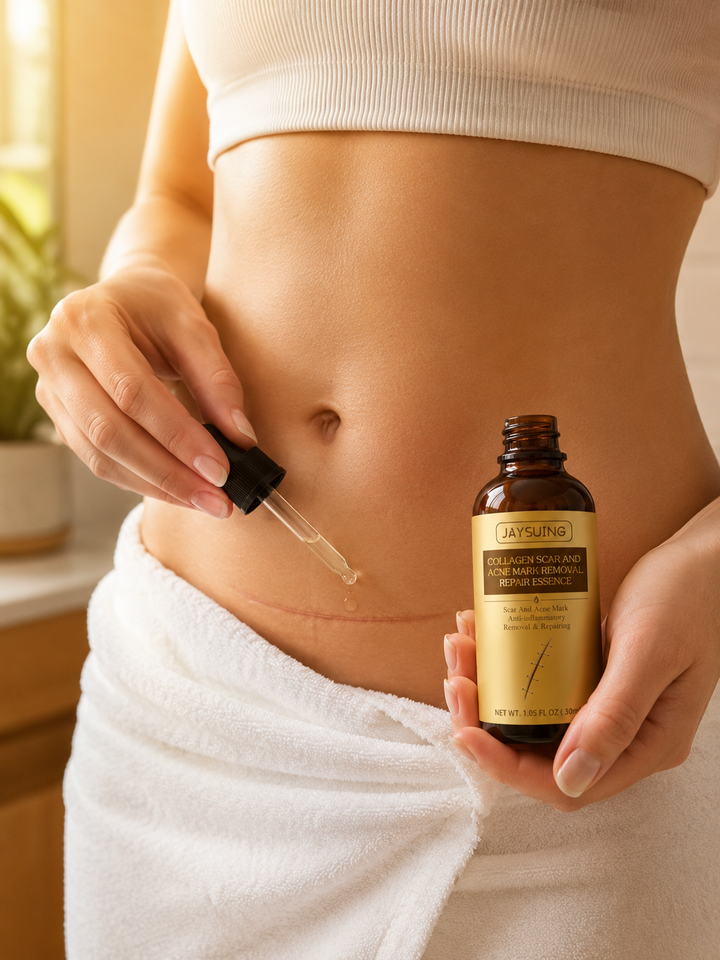
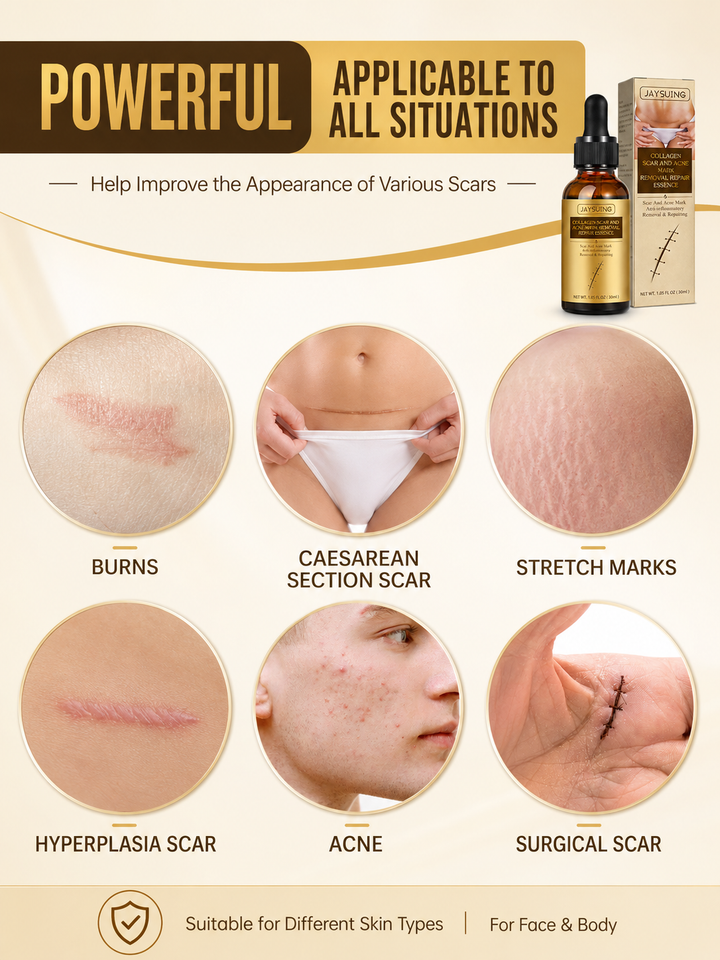
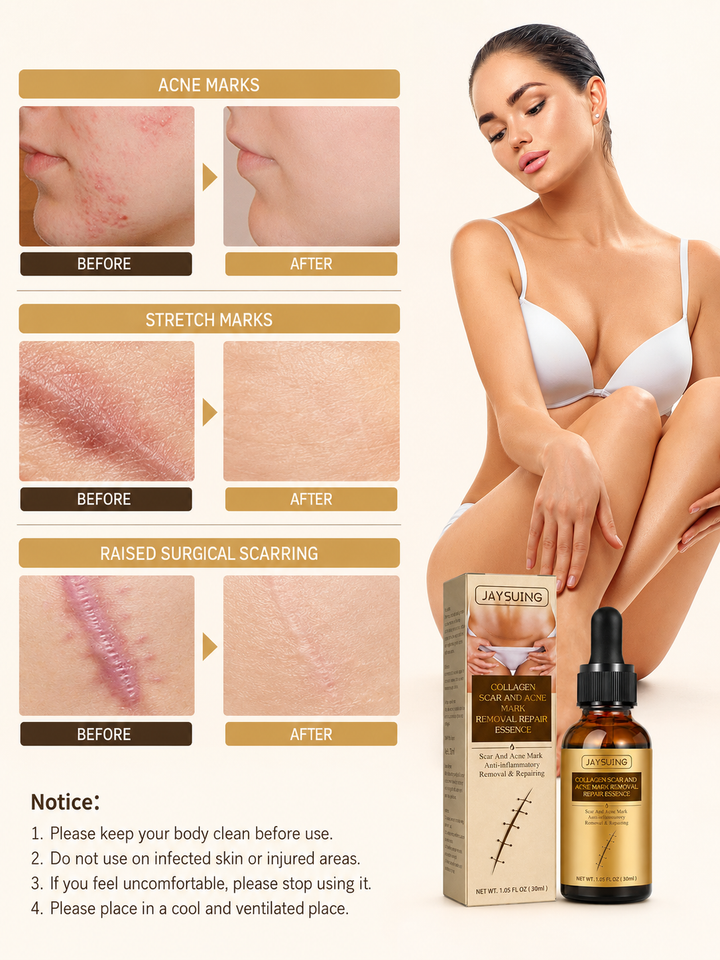

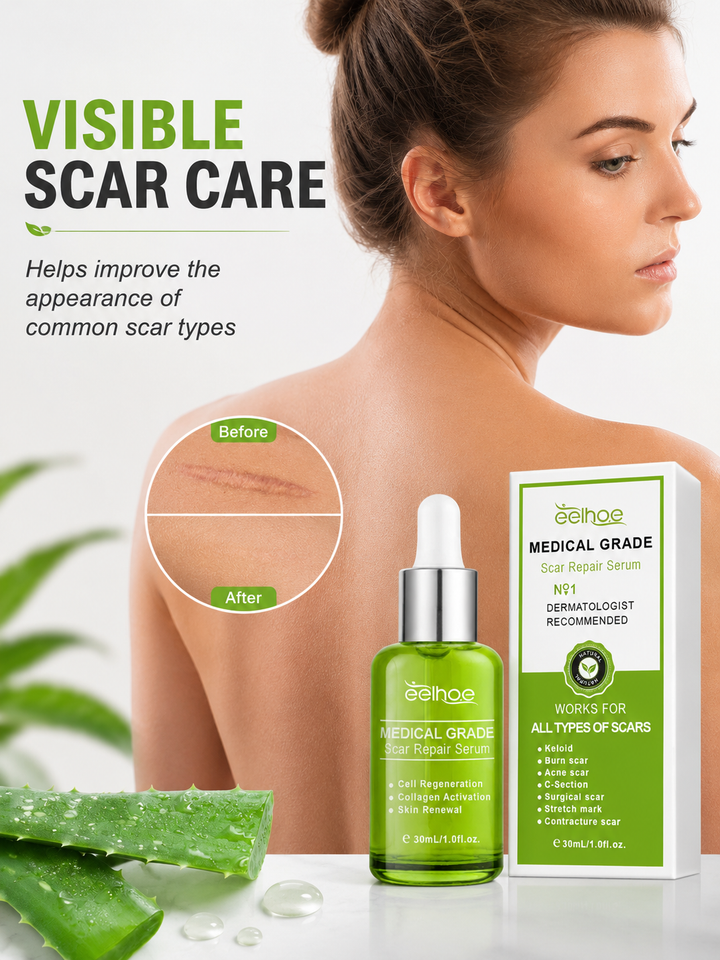
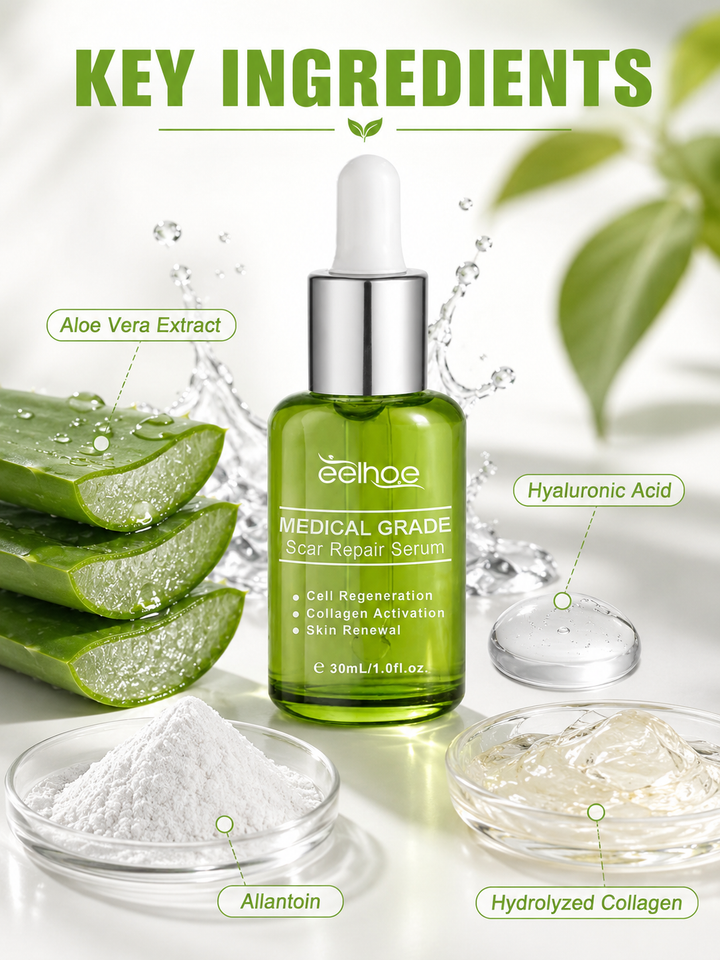
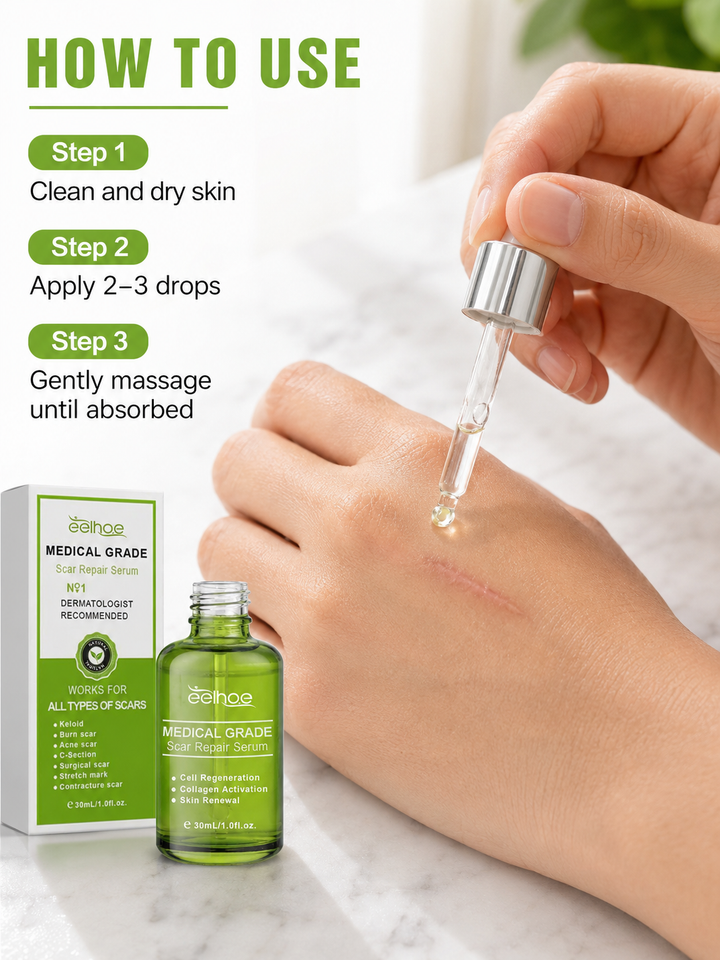

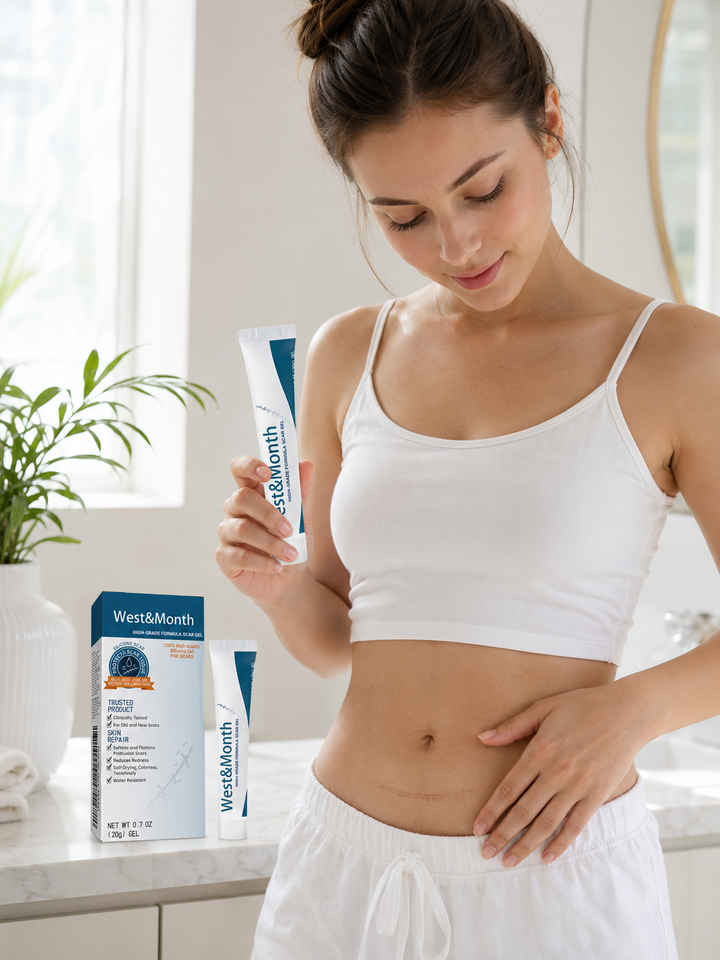
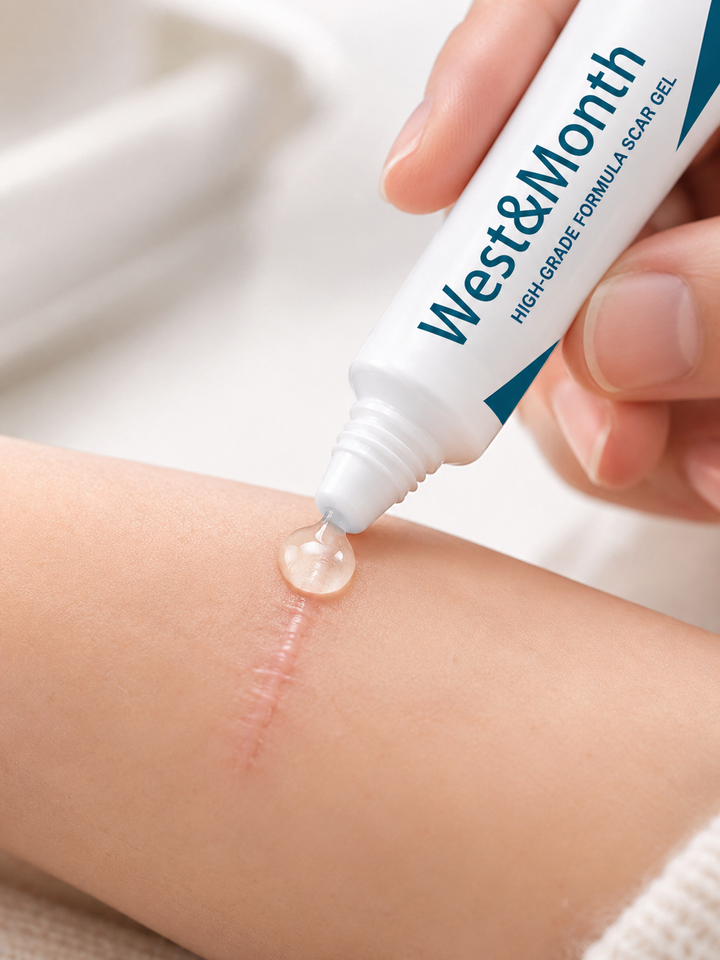
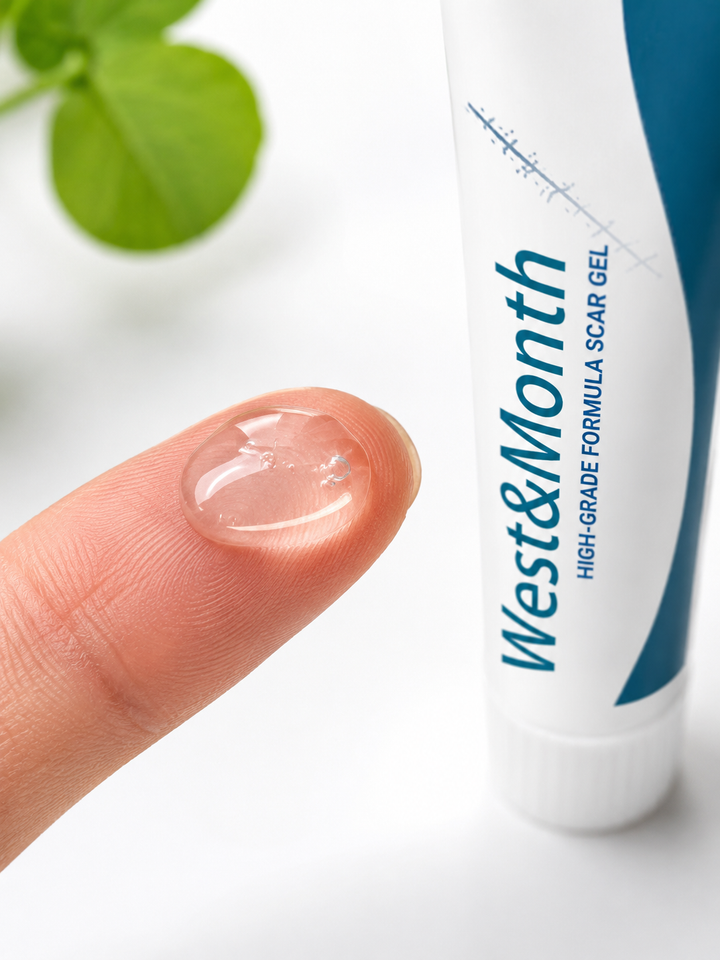

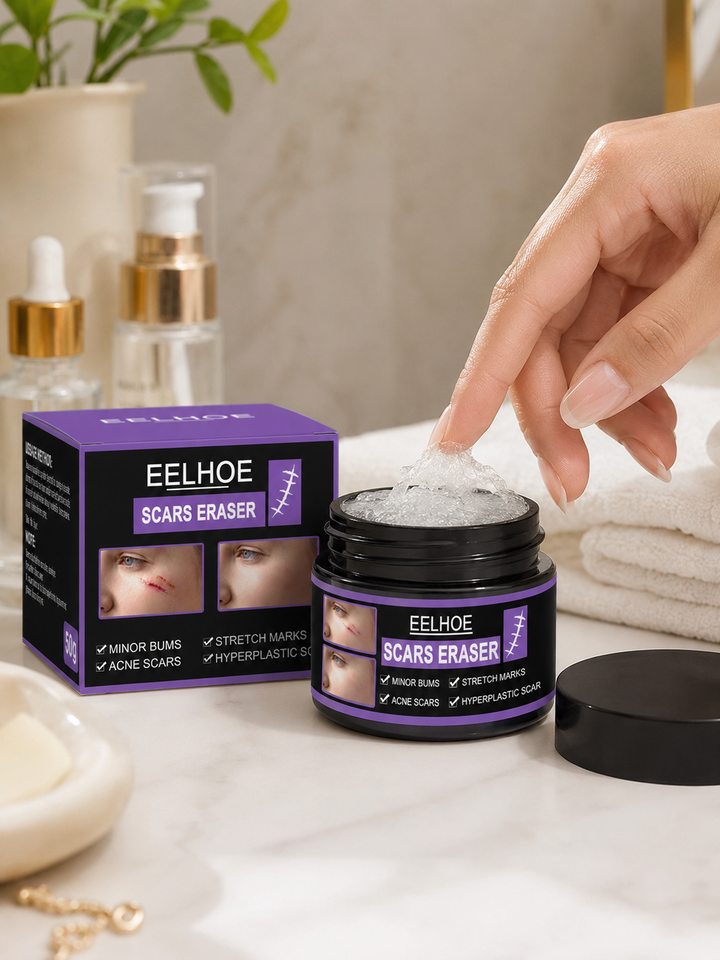
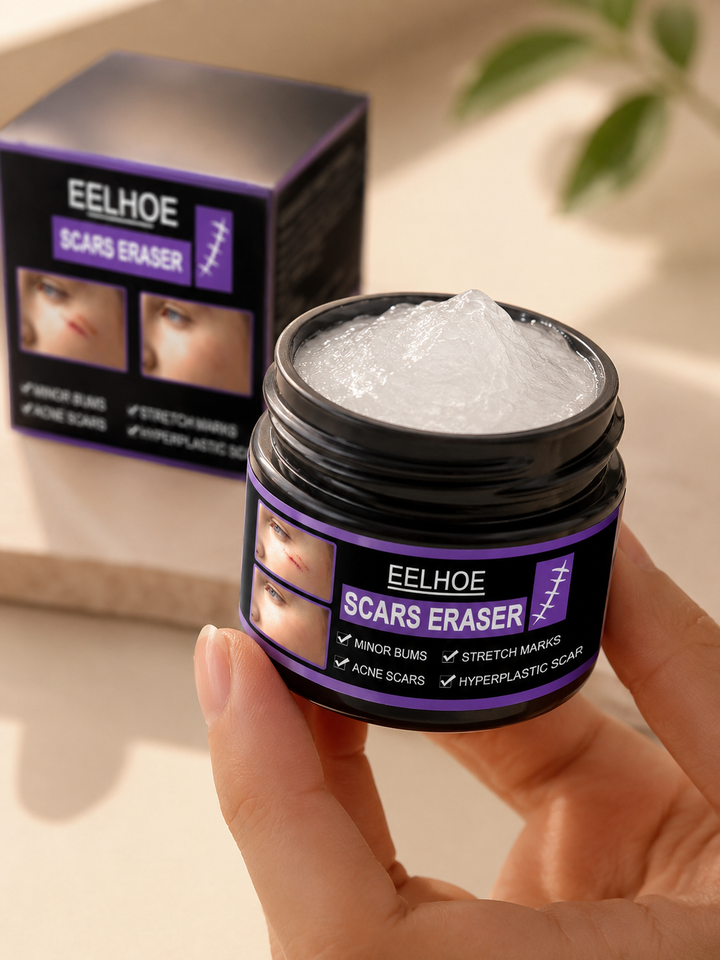

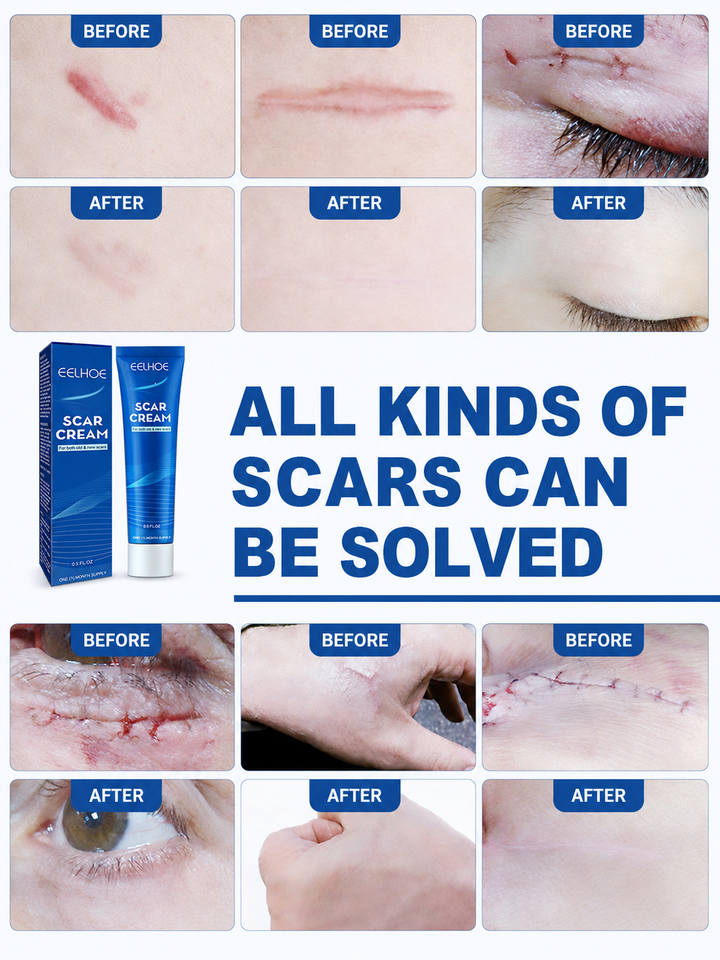
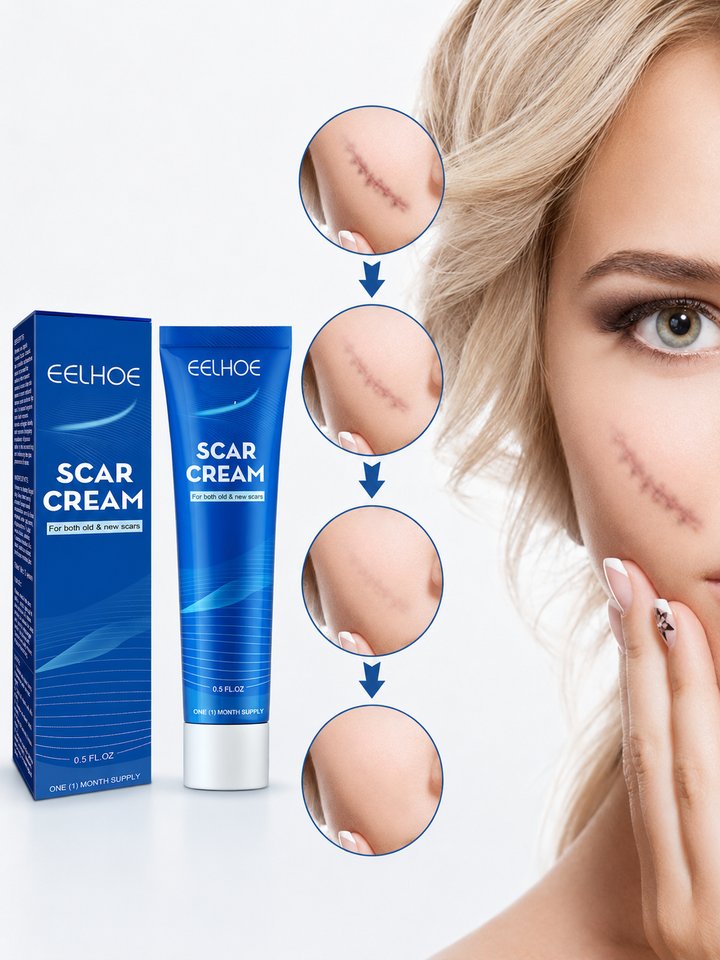
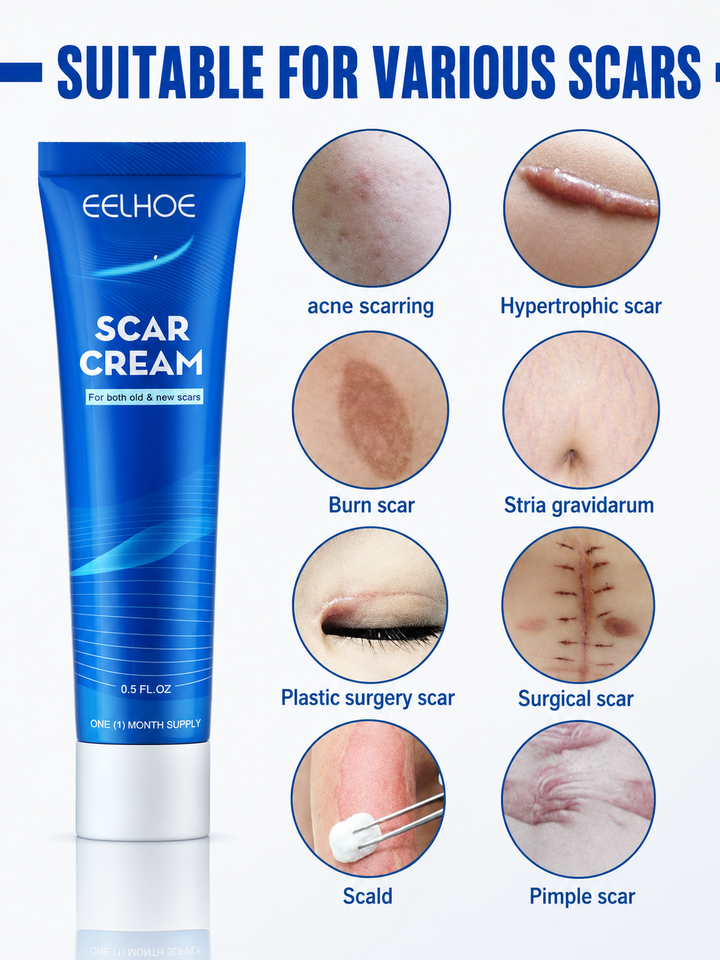

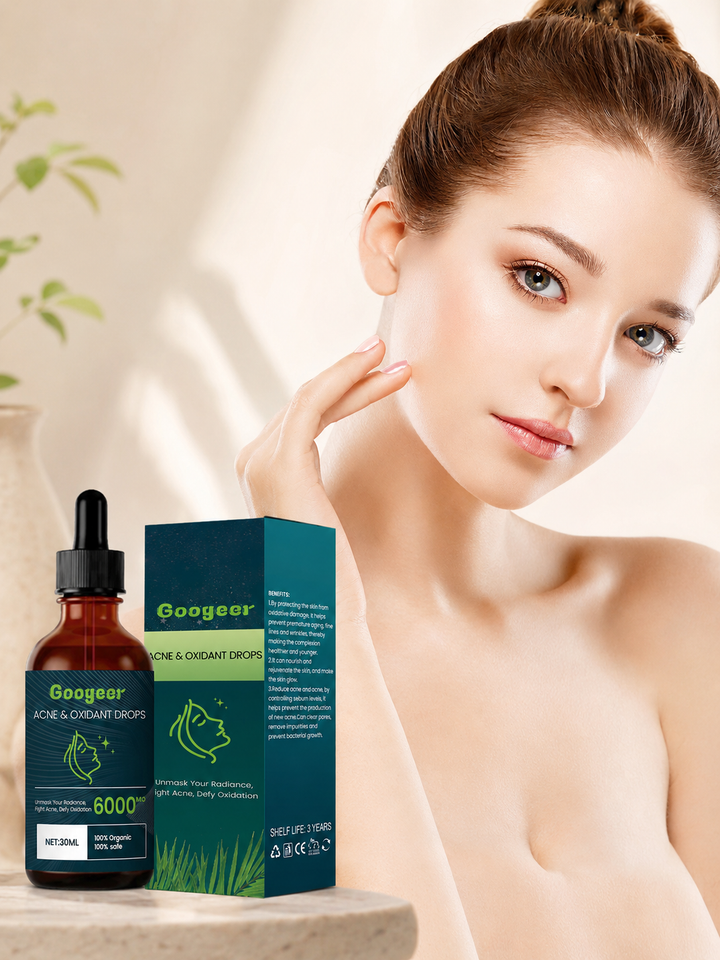
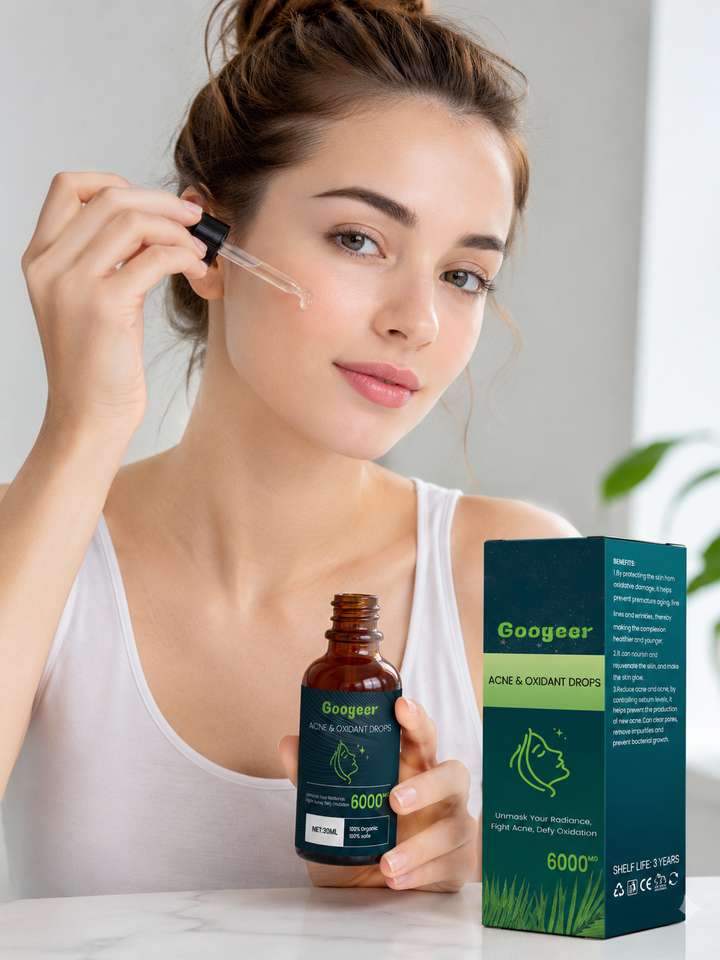
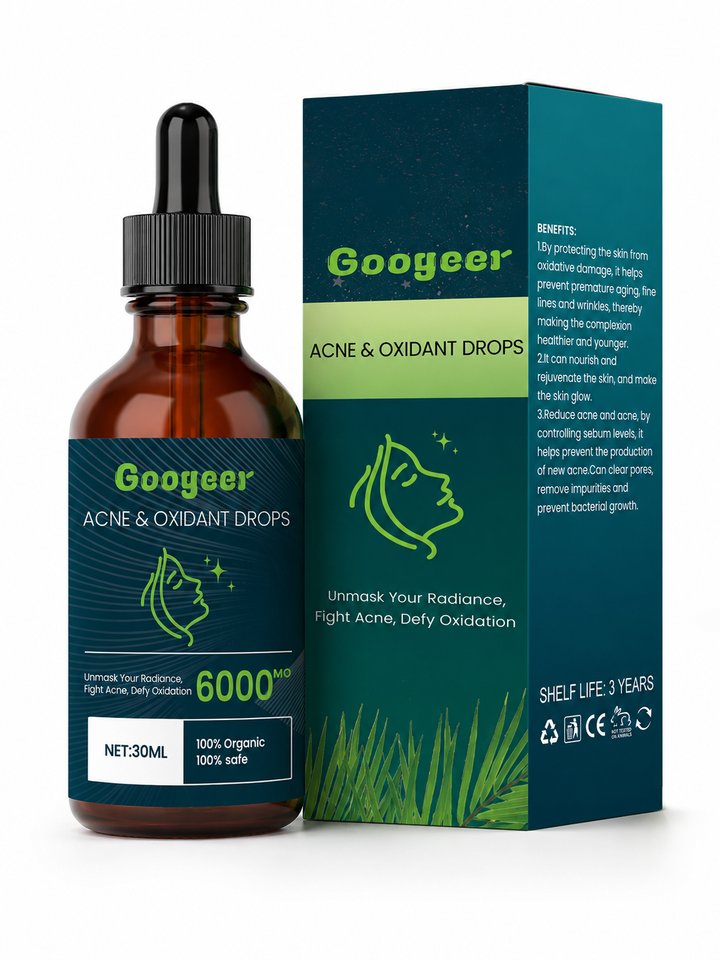

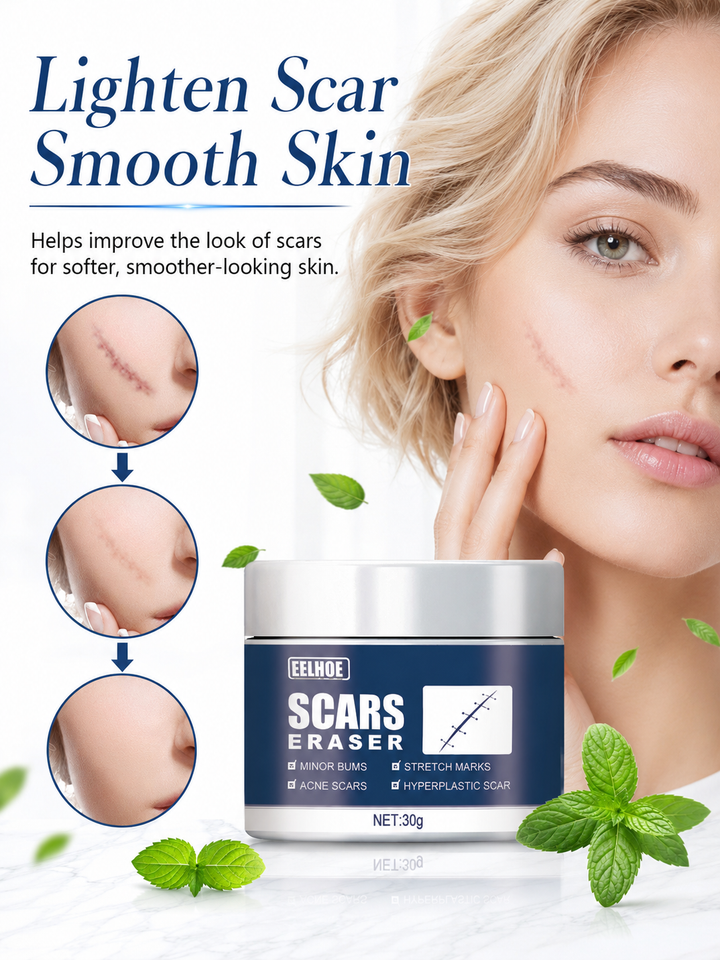
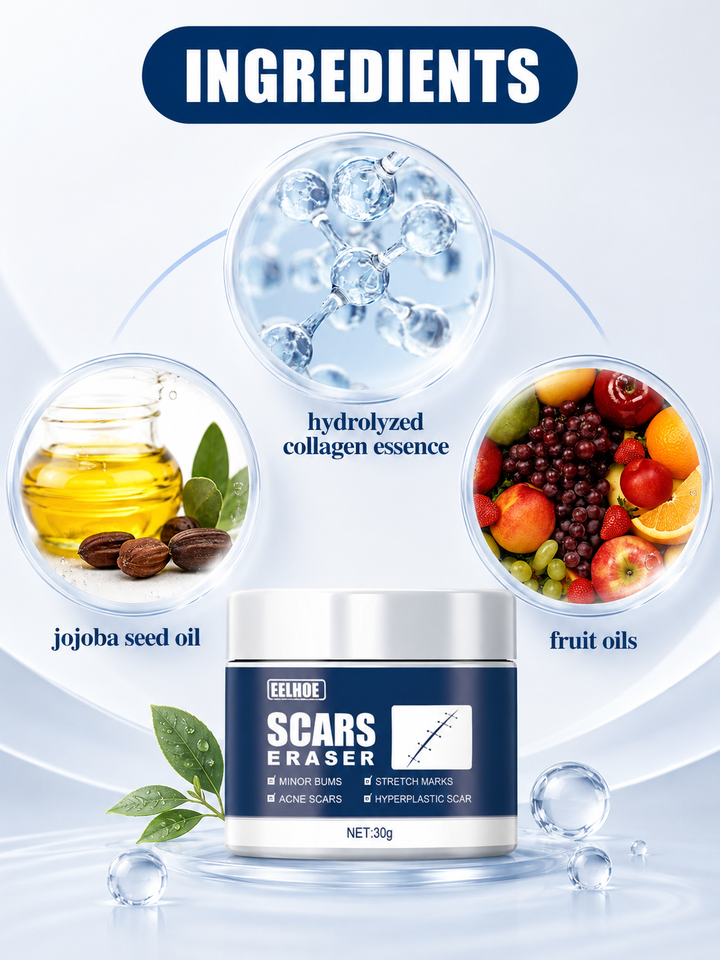
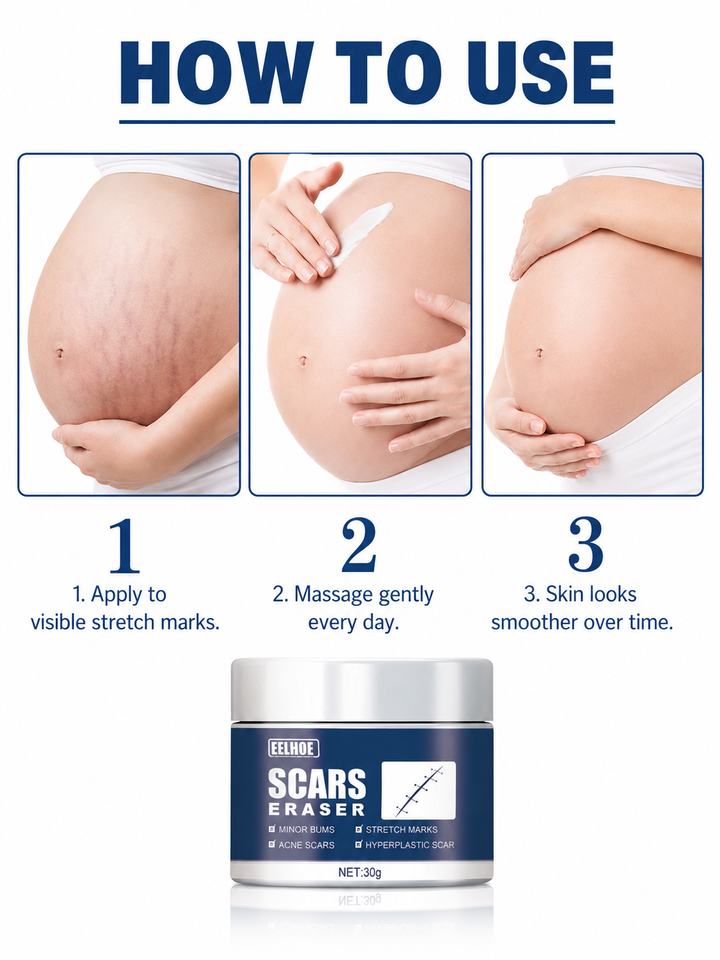

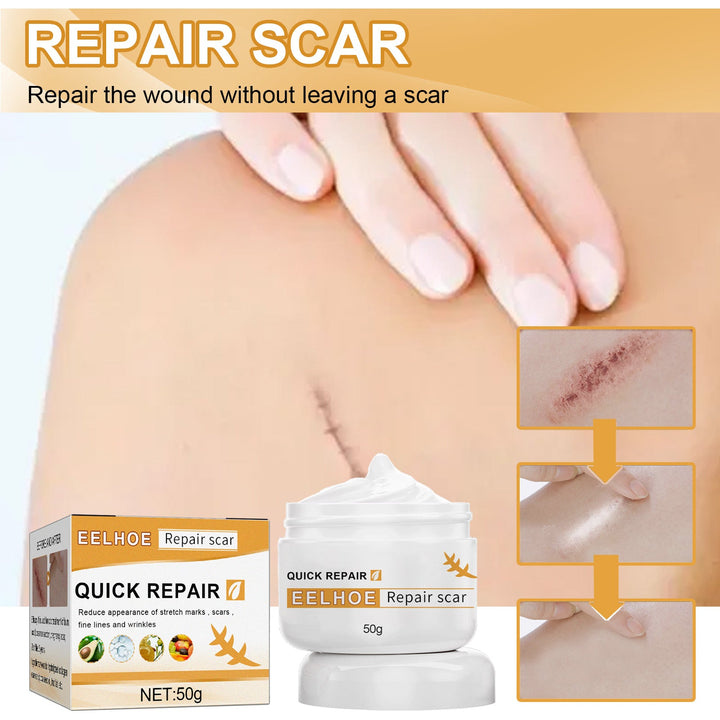
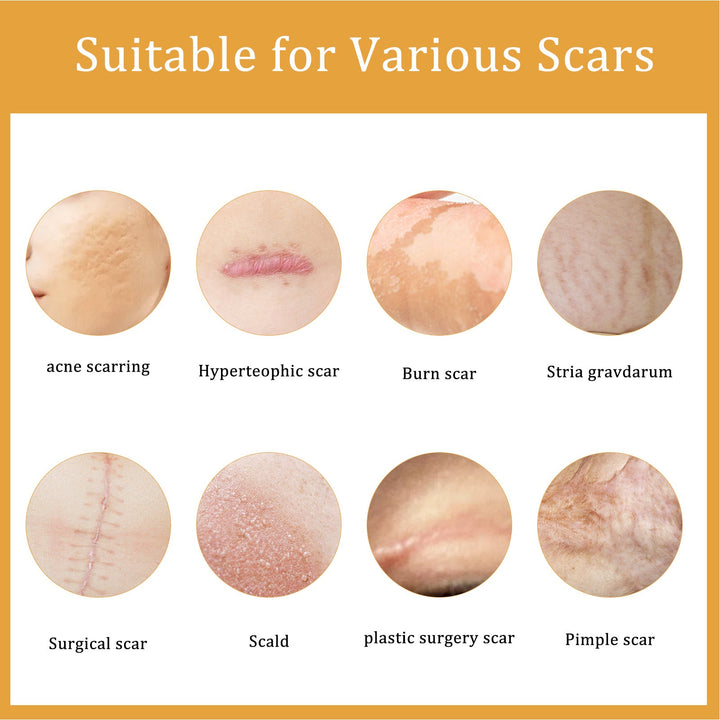

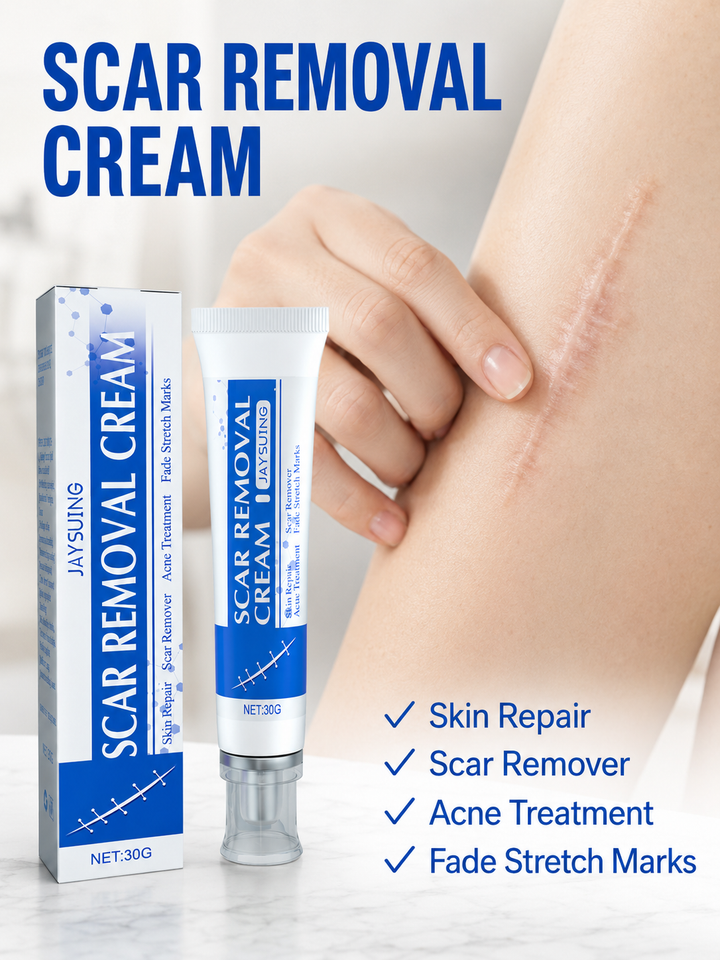
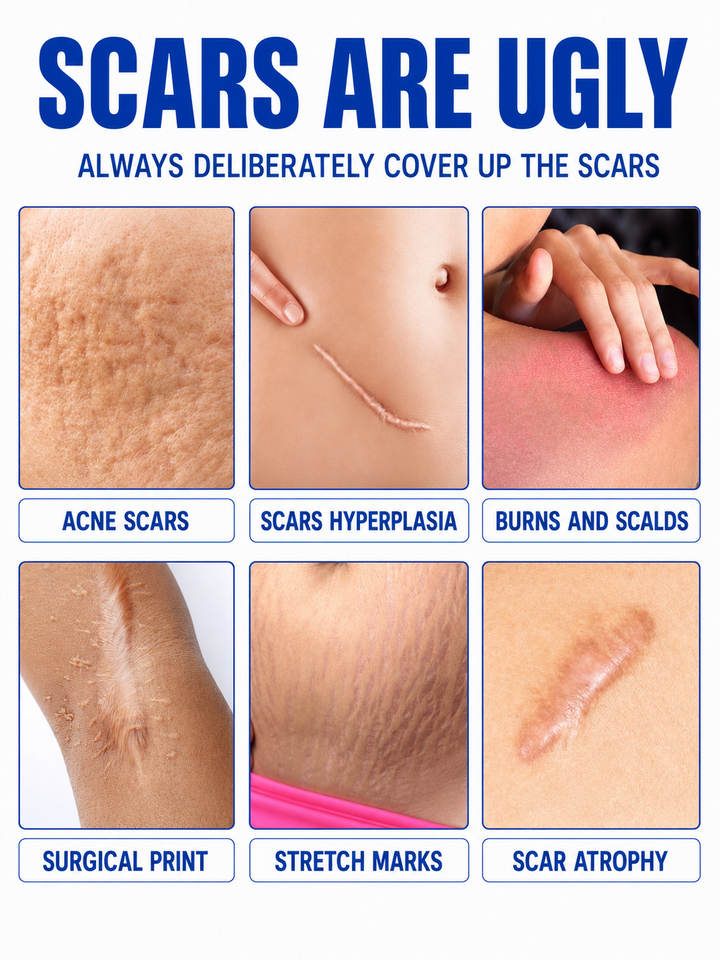
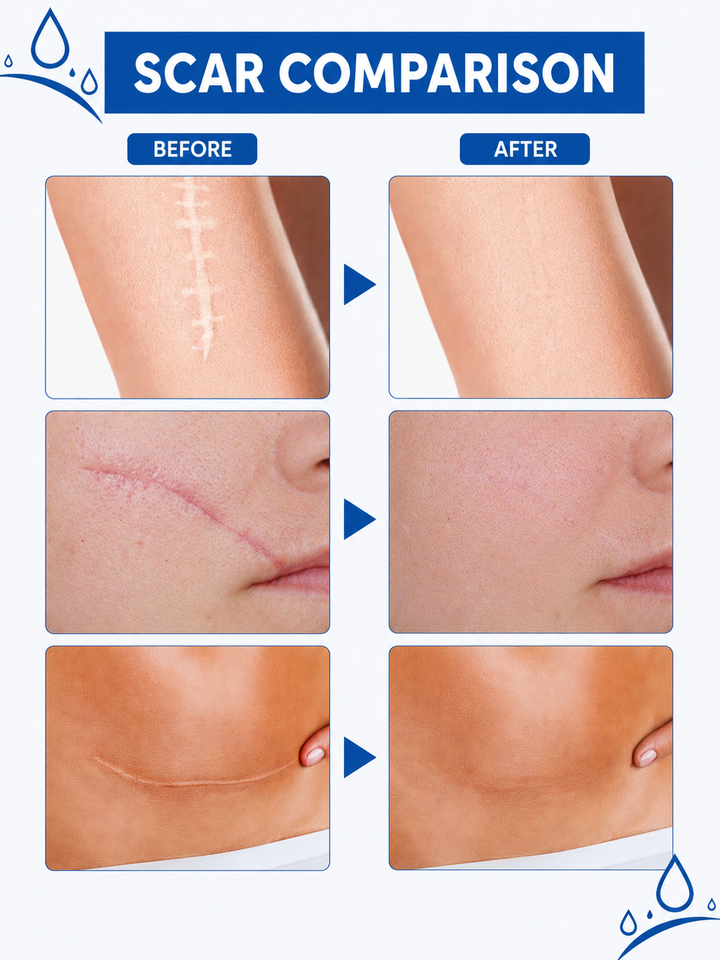
Choosing a scar cream depends on the scar’s location, age, texture, and your preferred format. This guide compares creams, gels, serums, balms, sprays, and targeted acne-scar treatments so you can select a practical option for face, body, cuts, or post-surgery care.
How do I choose the best scar cream?
Start by identifying the area you want to treat and the type of scar you are targeting. For acne and pimple marks on the face, choose a lightweight serum, cream, or acne-focused drops that are easy to apply precisely and comfortable under other skincare. For body scars, cuts, stretch marks, or larger areas, a cream or spray can provide more convenient coverage. A balm may suit a small, dry-feeling area, while a gel can be useful if you prefer a thinner finish. If you are shopping for scar cream after surgery, select a product designed for surgical scars and follow any aftercare instructions from your healthcare professional. Always use products only on fully closed, intact skin unless the label says otherwise.
What types of scar cream are there?
Scar creams are usually richer and better suited to body care or areas that need a moisturized finish. Scar gels tend to feel lighter and may be preferred for smoother, less noticeable application. Serums and acne drops are convenient for targeted facial use, especially when treating visible marks left by pimples. Sprays can help cover larger or harder-to-reach areas with less rubbing, while balms offer a concentrated texture for specific spots such as surgical scars. The products in this category include options for old and new scars, acne scars, stretch marks, surgical scars, and general skin repair. Compare the product texture, intended area, and application directions rather than choosing by format alone.
What should I look for in a scar cream?
Look for clear directions, a texture you will use consistently, and an intended use that matches your skin concern. For the face, consider a lightweight formula that layers comfortably with moisturizer or sunscreen. For the body, you may prefer a richer cream or a spray for broader coverage. If you want scar cream silicone, check the product details carefully to confirm whether silicone is included; not every scar cream, serum, balm, or gel uses the same base. Packaging with a pump, dropper, tube, or spray nozzle can also affect precision and hygiene. Avoid choosing solely because a product promises the quickest results. Scar appearance can vary, so focus on steady application and realistic product guidance.
How do I use scar cream after surgery or for acne scars?
Use scar treatment only after the skin is closed and ready for topical products, and follow your surgeon’s or clinician’s aftercare instructions for post-surgery areas. Clean and dry the skin, then apply a small amount according to the product directions. For facial acne scars, use clean fingertips or the supplied applicator and avoid getting product in the eyes, lips, or open blemishes. For body scars, spread the product evenly without aggressive rubbing. Allow it to absorb before covering the area with clothing or applying other skincare. Consistency matters more than applying a thick layer. If irritation develops, stop using the product and check the label or seek professional advice.
What mistakes should I avoid when using scar cream?
Do not apply scar cream to open cuts, scabs, weeping skin, or an unhealed surgical incision unless a healthcare professional specifically tells you to. Avoid layering several new treatment products on the same area at once, since this can make it difficult to identify the cause of irritation. Scrubbing, picking, or repeatedly rubbing a scar can also make the area feel more irritated. Use the recommended amount rather than assuming more product works faster, and do not switch products every few days. Keep facial formulas away from the eyes and patch test when the label recommends it. Protect treated skin from unnecessary sun exposure with suitable clothing or sunscreen once the area is healed.
Who is scar cream suitable for?
Scar cream can suit shoppers managing the appearance of healed acne marks, pimple scars, minor cut scars, surgical scars, and body areas such as stretch marks. Choose a facial serum or acne-focused drops for small, visible areas, and consider a body cream, spray, or balm for larger or more specific areas. A scar repair gel may suit anyone who prefers a lighter finish, while a richer cream may be more comfortable on dry-feeling skin. No single product is best for every scar, and results can vary with scar age, location, and individual skin. If a scar is painful, changing, infected-looking, or still healing, ask a healthcare professional before starting a cosmetic scar product.
Frequently asked questions
What is the best cream to heal scars?
The best choice depends on the scar’s location, age, and whether the skin is fully healed. A facial serum or acne-focused treatment may suit pimple marks, while a cream, gel, balm, or spray may be more practical for body or surgical scars. Follow the product directions and any professional aftercare advice.
What is the best cream for scars?
There is no single best scar cream for everyone. Compare the formula, texture, application method, and intended use, then choose an option you can apply consistently to the appropriate area. For surgery-related scars, check with your healthcare professional before using a topical product.
Do scar creams actually work?
Scar creams are designed to support the appearance and feel of healed skin, but results vary by person and scar. They are not an instant fix, and consistent use as directed is important. Do not apply them to open or unhealed skin unless specifically instructed by a professional.
What is the quickest way to fade scars?
There is no guaranteed quickest method for every scar. Use a suitable product consistently, avoid picking or harsh scrubbing, and protect healed skin from unnecessary sun exposure. A healthcare professional can advise on options for scars that are persistent, uncomfortable, or changing.
What helps a scar heal faster?
Follow wound-care or surgical aftercare instructions, keep the area clean as directed, and wait until the skin is closed before applying a cosmetic scar product. Avoid picking, friction, and unapproved products. If healing seems unusual or the area becomes painful or irritated, seek professional advice.
Do Vaseline remove scars?
Vaseline can help reduce moisture loss and protect the skin barrier, but it is not a dedicated scar-fading treatment and cannot be expected to remove scars. Use it only as appropriate for the stage of healing and any professional instructions. For a targeted cosmetic product, compare scar creams, gels, serums, balms, and sprays by their intended use.