
$59.90
Free delivery · 7–14 days
Baby Sensory Toy for Grip Strength & Tactile Play


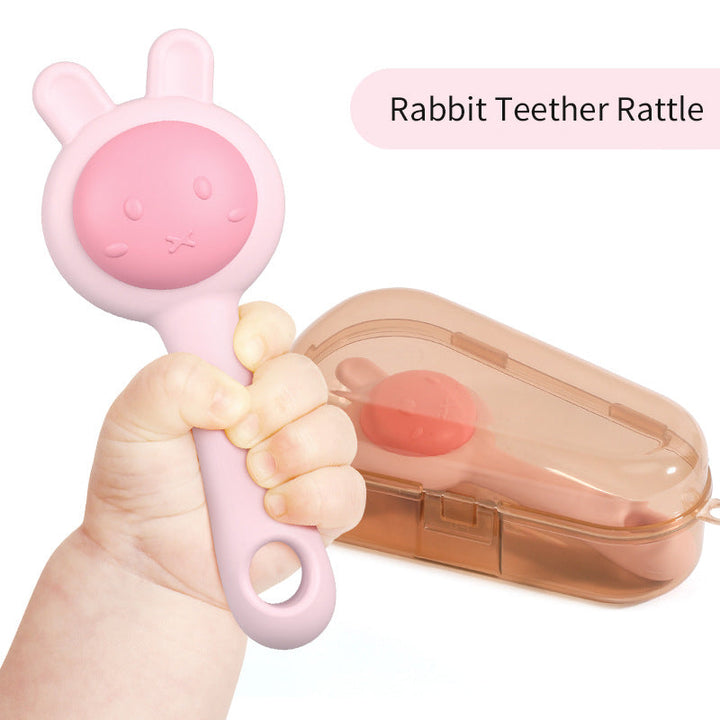


Explore baby rattles, teething toys, and soft sensory toys for play at home or on the go. This collection includes plush, wooden, hanging, light-up, and textured options, so you can choose a rattle that suits your baby's age, grip, routine, and preferred style of play.
Start with your baby's age, grip, and current play habits. For young babies, look for a lightweight rattle with an easy-to-hold shape, smooth edges, and a sound that is noticeable without being overwhelming. A plush rattle can be useful for gentle floor play and cuddles, while a hanging rattle suits a stroller, carrier, or play area when securely attached according to the product instructions. If your baby is exploring objects with their mouth, consider textured teething rings or a rattle designed for teething play. For outings, a compact rattle or stroller-friendly toy is easier to pack. Always check the recommended age range, inspect the toy before use, and supervise play.
Baby rattles come in several practical formats. Plush rattles combine a soft surface with a gentle internal sound and may suit sensory play, cuddling, or travel. Wooden rattles offer a firm feel and simple design, while bee-shaped and other handheld rattles encourage grasping and shaking. Hanging rattles are made to attach to suitable equipment for visual and sound-based play, but they should never be used as a loose sleep item. Teething rings use textured links for babies who enjoy chewing and handling different surfaces. Some rattles include lights as well as sound for added visual interest. Compare material, size, cleaning guidance, attachment method, and storage needs before choosing.
Choose a rattle with a size and shape that your baby can hold comfortably without small detachable parts. Look for securely closed construction, smooth or well-finished surfaces, and materials that match the care instructions. A clear, moderate rattle sound can help make shaking rewarding, while varied textures or bright colors may add interest during supervised play. For babies who are beginning to mouth toys, confirm that the product is intended for that use and follow its cleaning directions. Check seams, links, handles, lights, and attachments regularly for wear. Avoid toys with cracked surfaces, loose components, damaged fabric, or exposed filling. Product listings should also provide age guidance and relevant safety information.
Offer a rattle during awake, supervised play and place it within easy reach rather than pushing it into your baby's hands. Shake it gently nearby, then pause so your baby can look, reach, grasp, or respond at their own pace. Rotate between handheld, plush, hanging, and textured toys to keep play varied without presenting too many items at once. Use hanging rattles only with the equipment and attachment method specified by the seller, and remove them when play ends. Do not leave rattles or teething toys loose in a crib or other sleep space. Clean each item as directed, dry it fully, and stop using it if any part becomes loose, cracked, torn, or detached.
One common mistake is choosing by appearance alone. A colorful rattle may still be too heavy, difficult to grip, or unsuitable for your baby's age. Another is assuming every rattle is a teether; only use a product for chewing when its description and instructions support that use. Shoppers also sometimes overlook cleaning requirements, especially with plush toys, textured links, and light-up designs. Avoid treating stroller clips or hanging attachments as universal: confirm compatibility and secure fit before use. Do not rely on a rattle as a sleep aid, and do not leave a baby unattended with any toy. Finally, inspect products after washing, travel, or drops, since damage can change how safely they can be used.
Baby rattles suit families looking for simple, interactive toys for supervised awake time. For babies around 0-3 months, a lightweight, easy-to-see rattle or hanging toy may be easier for an adult to present during short play sessions; always follow the individual product's age guidance. As hand control develops, handheld rattles and textured links can offer different shapes and surfaces to explore. Plush rattles may appeal to families who want a soft travel companion, while a stroller rattle can add an activity during outings when attached correctly. Teething rings are designed for babies who are ready for that style of oral exploration, subject to the product instructions. Choose based on stage, handling ability, and routine rather than a single universal best rattle.
“Rattles” can mean objects that make a repeated shaking sound, such as baby rattles or some musical instruments. It can also describe the sound itself or the action of shaking something that produces that sound.
Depending on the context, synonyms for “rattles” include shakes, jingles, clatters, or makes a clicking sound. As a verb meaning to unsettle someone, “rattles” can also mean worries, disturbs, or unnerves.
If someone rattles you, they make you feel unsettled, nervous, or less confident. This meaning is different from a baby rattle, which refers to a toy that makes a sound when shaken.
A baby rattle is a toy designed to make a sound when shaken, moved, or handled. Baby rattles may also include soft fabric, different textures, bright colors, hanging features, or teething-friendly surfaces, depending on the product.
Rattles give babies an immediate response when they move or shake the toy, which can make play engaging. Their sounds, colors, shapes, and textures also provide varied sensory experiences during supervised awake time.
In informal speech, “rattle” can mean to upset, unsettle, or confuse someone. In other contexts, “rattle” may refer to a noisy object, a repeated sound, or a baby toy.