$49.90
Free delivery · 7–14 days
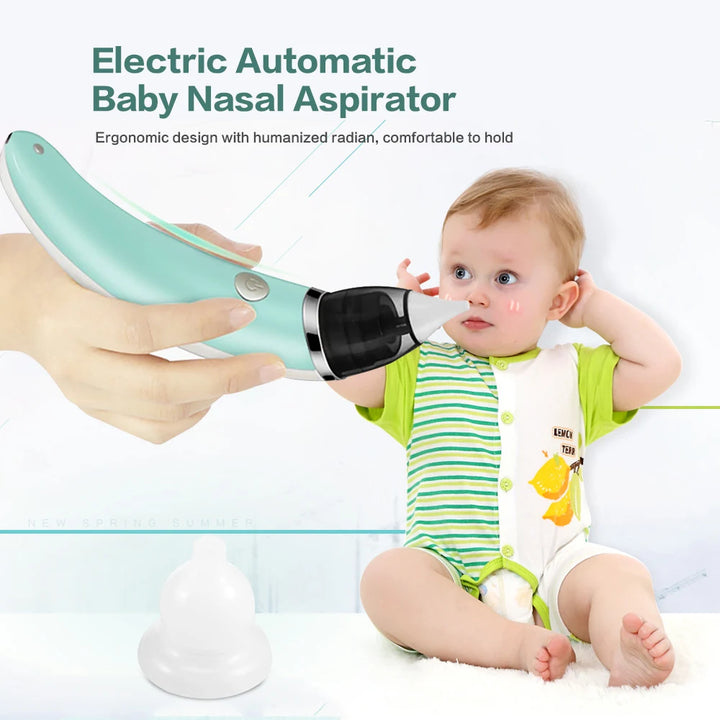
Baby Nasal Aspirator Electric — Safe Hygienic Nose Cleaner


Teething tools give babies different ways to chew, hold and explore while their gums feel tender. This collection includes silicone teethers, teething mittens, fruit feeders, wooden rings and a caregiver-worn necklace, so you can choose a style that matches your baby's age, grip and daily routine.
Start with your baby's stage, reach and ability to hold objects. For younger babies, a lightweight silicone animal teether, bunny ear teether or teething mitten may be easier to grasp than a heavier wooden ring. Babies around the early teething months often benefit from simple, textured surfaces that are easy to bring to the mouth, while a one-year-old may enjoy a larger ring or cookie-shaped teether with more area to explore. Check the product's age guidance before buying, and choose a shape your baby can hold without frustration. If your baby drops teethers often, consider a mitten or a larger ring. For food use, select a fruit feeder designed for that purpose rather than placing food inside a standard teether.
Each teething tool suits a different routine. Silicone animal and cookie teethers offer flexible, textured surfaces and are generally simple to wipe clean. A silicone teething mitten can be useful when a baby cannot reliably hold a ring, while its covering may help reduce hand-to-mouth scratching. A fruit feeder teether is designed for supervised introduction of suitable fruit pieces, following the product instructions. Wooden teething rings provide a firmer feel and can also offer shape and texture variety, including in a set. A silicone teething necklace for moms keeps a chewable accessory close to the caregiver, but it should not be left on a sleeping baby or used as an unsupervised toy. The best teething toys for babies are those your child can use safely and comfortably.
Look for clear material information, smooth construction and surfaces without sharp edges, loose parts or cracked areas. Silicone options in this category include the animal teether, mitten, fruit feeder, cookie teether, bunny ear teether and caregiver necklace; wooden options include the ring toy and ring set. Review cleaning instructions because some products may be suitable for hand washing only. Consider grip as well as appearance: loops, ears and larger handles can be easier for small hands to hold. A teether should be light enough for your baby to control and large enough that it cannot be swallowed. Avoid products with detachable decorations, long cords or damaged surfaces. Check the item before every use and replace it if it becomes worn, split or chipped.
Wash a new teether according to its care instructions before first use, then clean it after use and let it dry fully. Give it to your baby while you are nearby, especially when using a fruit feeder, wooden ring or teething necklace. A caregiver-worn necklace is intended to stay with the adult, not to be placed around the baby's neck, used during sleep or treated as a substitute for a baby teether. Do not attach a teether to a cord, ribbon or clip unless the product specifically includes a suitable attachment system and instructions. Inspect silicone for tears and wood for splinters, loose sections or rough edges. Follow the stated age guidance, and stop use if your baby has difficulty handling the item or if any part becomes damaged.
One common mistake is choosing by novelty alone instead of checking size, grip and care instructions. A detailed shape may look appealing but can be difficult for a young baby to hold or clean. Another is assuming every teether can be chilled, filled with food or sterilized with heat; use only the methods listed for that product. Do not give a standard silicone or wooden teether food unless it is specifically designed as a fruit feeder. Avoid handing over a caregiver necklace as a loose toy, and never leave a baby unattended with any teething product. Recheck toys after drops, bites and washing. If you are comparing teething toys for babies 3 months old, or best teething toys for babies 4 months old, prioritize age guidance and easy handling over the number of textures or parts.
For a baby who is still developing a reliable grip, an infant teething mitten may be easier to manage than a ring. Babies who like to hold and turn objects may prefer the silicone animal, bunny ear or cookie teether, while a wooden ring offers a firmer, more traditional feel. A ring set can provide several shapes and textures for rotation, which may help when your baby loses interest in one design. For supervised food exploration, the baby fruit feeder teether is the most suitable option in this collection because it is made for that purpose. A one-year-old may handle a larger ring or textured silicone toy more confidently, but age guidance and individual development still matter. Offer one tool at a time and observe which shape your baby reaches for and controls comfortably.
A clean, age-appropriate teether with a shape your baby can hold is a practical choice. Silicone teethers, wooden rings and teething mittens offer different textures and grips; choose based on your baby's handling ability and follow the product instructions. Stay nearby during use and inspect the item regularly.
There is no single best tool for every baby. A mitten may suit a baby who struggles to hold a ring, while a silicone or wooden teether may suit a baby who likes to grasp and turn objects. For supervised fruit use, choose a purpose-made fruit feeder rather than a standard teething toy.
Useful basics include one or two easy-to-clean teethers in different shapes, a storage spot that keeps them clean and dry, and a clean cloth for wiping drool. You may also choose a teething mitten if your baby drops rings frequently. Always follow age guidance and supervise use.
Historical practices varied widely among Native American nations, so there is no single tradition that represents all communities. Some historical accounts describe the use of natural materials or traditional remedies, but sources and safety conditions differed. Do not copy an unfamiliar remedy for a baby without discussing it with a qualified healthcare professional.
Older teething remedies have included chilled objects, herbal preparations and other household methods, but not all are safe for infants. Avoid unverified substances, alcohol, honey for babies under the applicable age guidance, and objects that can splinter, break or become a choking hazard. A purpose-made teether used according to its instructions is a simpler option.
Do not give acetaminophen, including Tylenol, every night for teething without advice from your baby's healthcare professional. The correct product, dose and timing depend on factors such as age, weight and other medicines, and persistent discomfort should be assessed rather than routinely masked. Follow the product label and ask a pediatrician or pharmacist before using it.