
$44.90
Free delivery · 7–14 days
Joint Repair Cream for Severe Joint Pain — Bee Venom & Mint


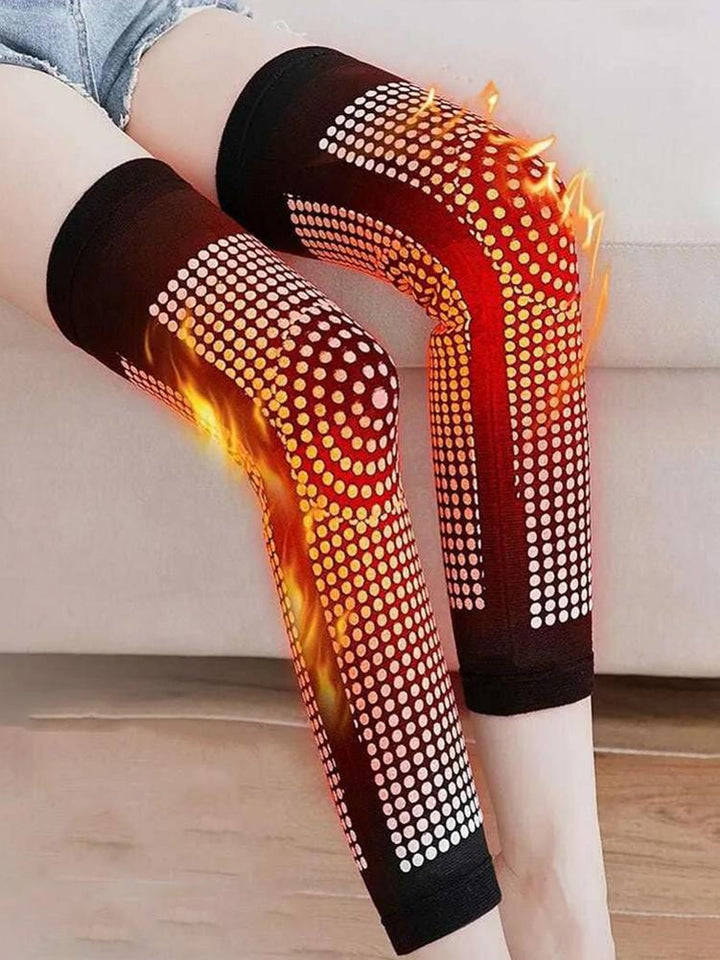


Orthopedic supports and braces are designed to add comfort, stability, compression, or positioning support during everyday activity and recovery routines. This category includes knee pads, foot and ankle braces, insoles, toe separators, and topical pain-relief products, so choosing the right option starts with the joint or area you want to support.
Start by identifying the area that needs support: knee, ankle, arch, toes, or lower leg alignment. A knee pad may suit shoppers looking for light compression and warmth during sports or daily movement, while a foot and ankle brace focuses on arch and ankle support. For foot concerns, compare insoles with a toe separator: insoles sit inside footwear, while separators are worn between the toes. Check the product dimensions, fastening method, and shoe compatibility before ordering. Topical options such as joint creams, gout ointment, and pain-relief spray are not braces or orthotic devices; they are separate choices for applying a formula to the skin. If pain is severe, persistent, or follows an injury, ask a qualified healthcare professional what support is appropriate.
Common types of orthopedic braces include knee supports, ankle braces, wrist or elbow braces, back supports, and foot orthoses. In this category, the main choices are a self-heating knee pad, a foot and ankle brace, and foot-focused devices such as insoles and toe separators. Braces may be flexible, structured, or adjustable, depending on how much positioning and movement control they provide. Orthotics generally refers to devices that support or influence the position of a body area, especially the feet. A soft insole can feel different from a firmer corrective-style insole, so read the product description and sizing guidance carefully. The right type depends on the body area, intended activity, comfort preference, and whether you need support inside a shoe or around a joint.
Look for a fit that feels secure without pinching, slipping, or restricting normal circulation. For knee supports, check the size range, whether the design sits above or below the kneecap, and whether the material suits activity and clothing. For a foot and ankle brace, review arch placement, fastening adjustments, and the footwear space required. Insoles should match your shoe length and leave enough room for your foot; toe separators should feel gentle rather than forced. Breathable or flexible materials may be more comfortable for longer wear, while a warming design may suit shoppers who prefer added warmth. Product names can use terms such as orthopedic support, orthopaedic support, orthosis, or brace, but the description and measurements are more useful than the label alone.
Follow the product instructions for fitting, cleaning, and storage, and begin with a comfortable fit rather than tightening the support as much as possible. Wear an insole in a suitable shoe and check that your heel sits securely; do not stack it on top of another insole unless the instructions allow it. Position toe separators gently and remove them if they cause rubbing or increasing discomfort. A knee pad or ankle brace should not create numbness, tingling, skin color changes, or painful pressure. There is no single answer to how many hours you should wear a brace, because the appropriate schedule depends on the product and your circumstances. Start gradually when instructions permit, inspect your skin, and stop using it if symptoms worsen. Seek professional advice after an injury or for ongoing pain.
These products may suit adults seeking everyday support for the knees, feet, ankles, toes, or arches during walking, exercise, work, or recovery routines. A foot and ankle brace may appeal to shoppers wanting arch support, while insoles can be considered for shoes that need additional cushioning or structure. Toe separators are aimed at gentle toe positioning, and knee pads are suited to shoppers who prefer a wearable warming support. They are not a substitute for an assessment of a serious injury, sudden swelling, loss of movement, or unexplained pain. Children, people with circulation or sensation concerns, and anyone recovering from surgery should check with a qualified healthcare professional before choosing a brace or orthotic. Read the size chart and product instructions to confirm suitability.
One common mistake is choosing by the body area alone and ignoring the intended use. A knee pad is not interchangeable with a foot and ankle brace, and an insole cannot replace a brace that is designed to wrap around the ankle. Another mistake is ordering the wrong size or wearing a support over bulky clothing when it is designed for direct contact or a close fit. Shoppers may also expect orthotics treatment or a brace to correct every source of discomfort; these products provide support, but results and comfort vary by person. Do not ignore rubbing, numbness, worsening pain, or skin irritation. Finally, distinguish wearable supports from topical products: creams, ointments, and sprays belong on the skin only as directed and are not orthotic devices.
They may be called orthopedic or orthopaedic braces, supports, orthoses, or orthotic devices. The specific name usually reflects the body area and function, such as a knee brace, ankle support, or foot orthosis.
The best option depends on the fit, the activity, and the type of support you want. A self-heating knee pad may suit shoppers seeking wearable warmth and light support, but persistent or severe knee symptoms should be discussed with a qualified healthcare professional.
Orthopaedic support generally means a product intended to support, cushion, stabilize, or position part of the body. It can include braces, insoles, foot and ankle supports, and other orthotic devices.
An orthopedic brace is a wearable support designed for a specific body area, such as the knee, ankle, or foot. It may use flexible material, adjustable fastening, cushioning, or structure to provide a more secure fit during movement or daily activities.
There is no universal wearing schedule for every brace. Follow the instructions for the specific product, introduce it gradually when appropriate, and remove it if it causes numbness, painful pressure, skin irritation, or worsening discomfort.
Types include knee braces, ankle and foot braces, wrist and elbow braces, back supports, and other joint-specific designs. Orthotic insoles and toe separators are foot-focused supports, but they are worn differently from a brace that wraps around a joint.