Neck Ice Packs & Hammock Neck Traction for Pain Relief
7 items


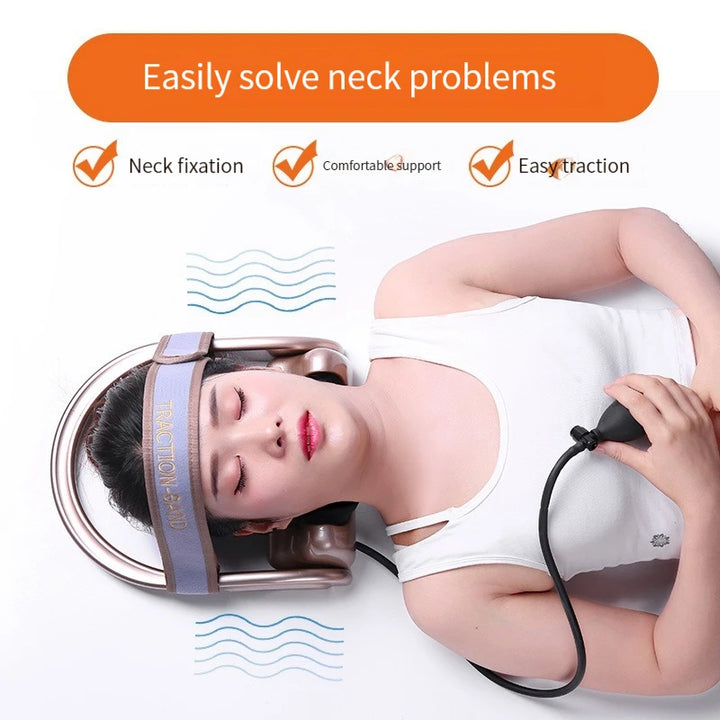
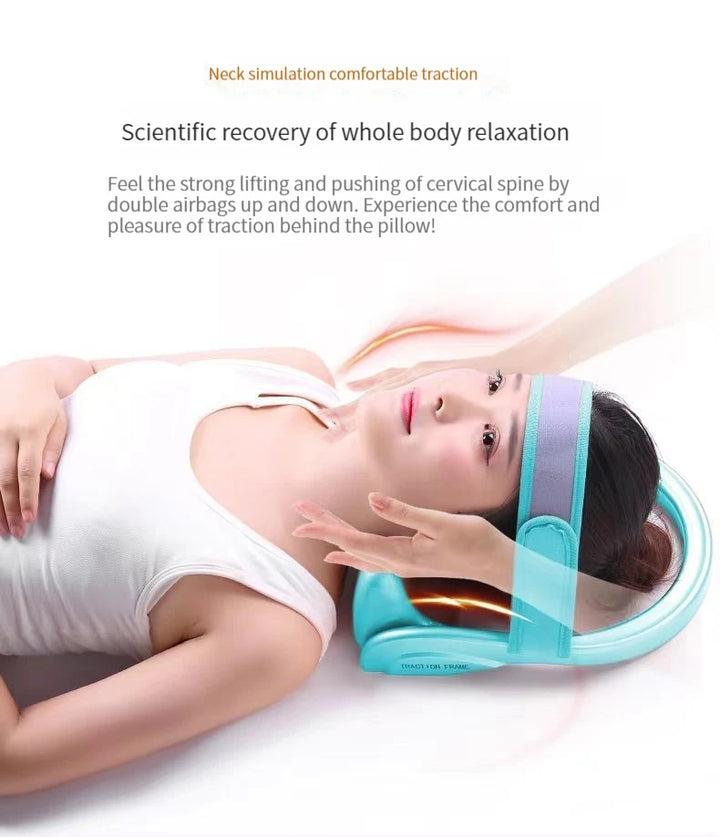
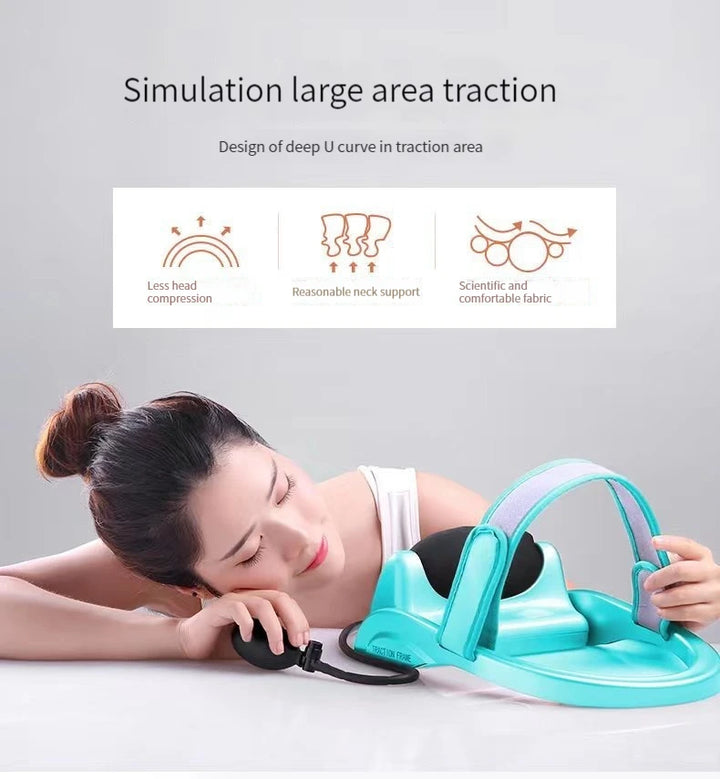

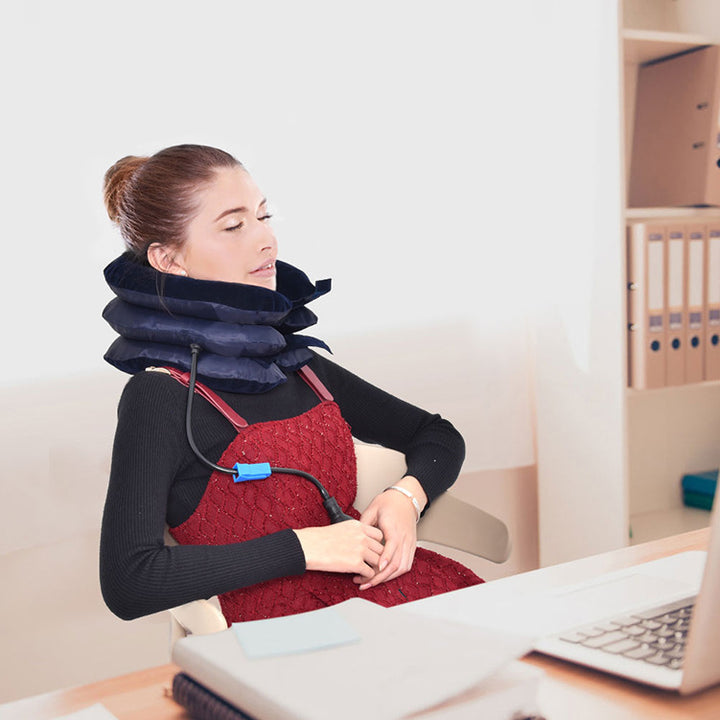



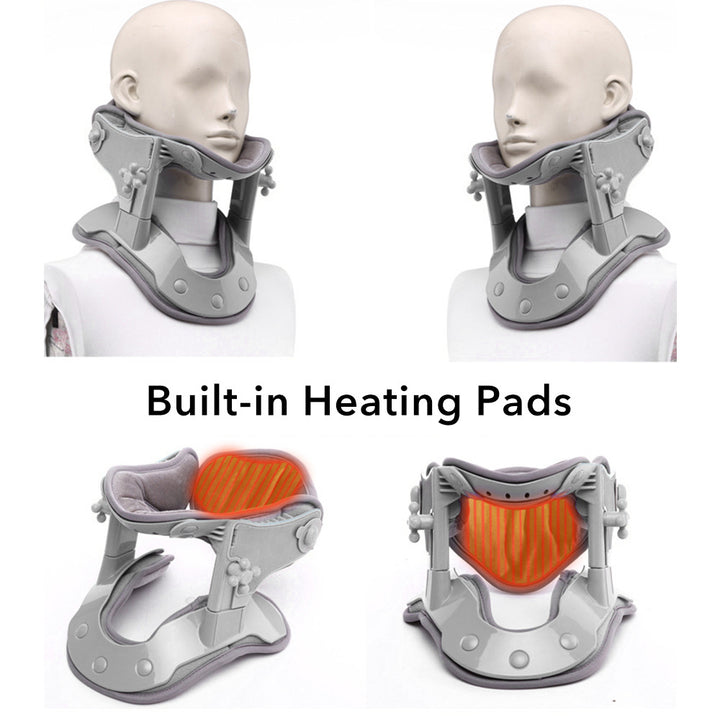
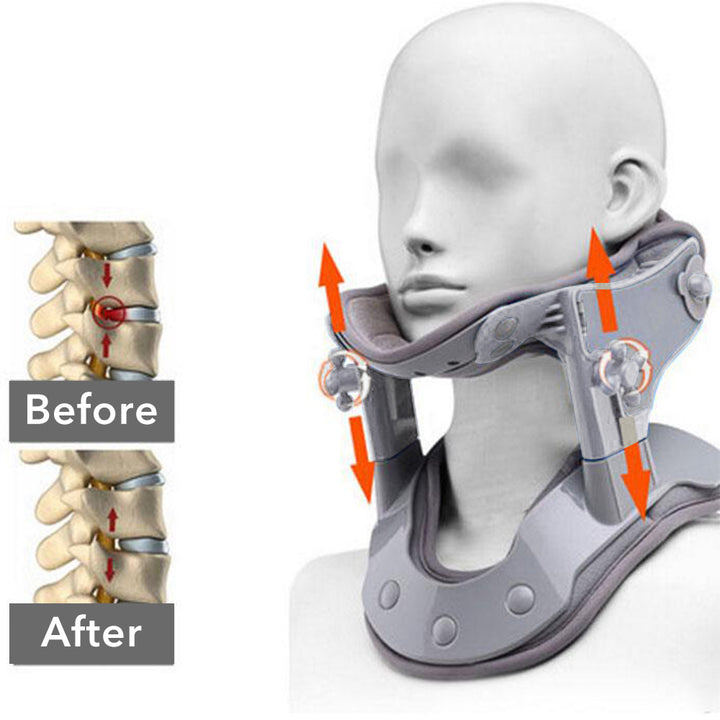

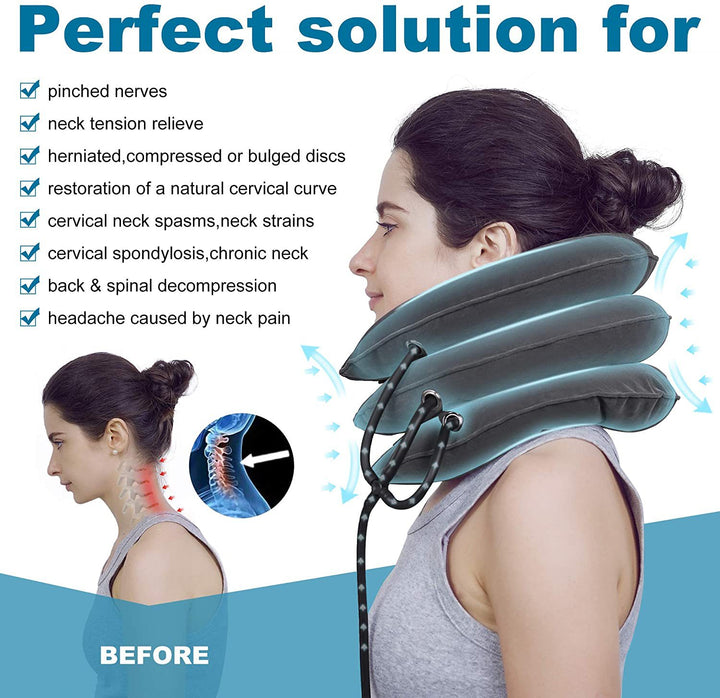

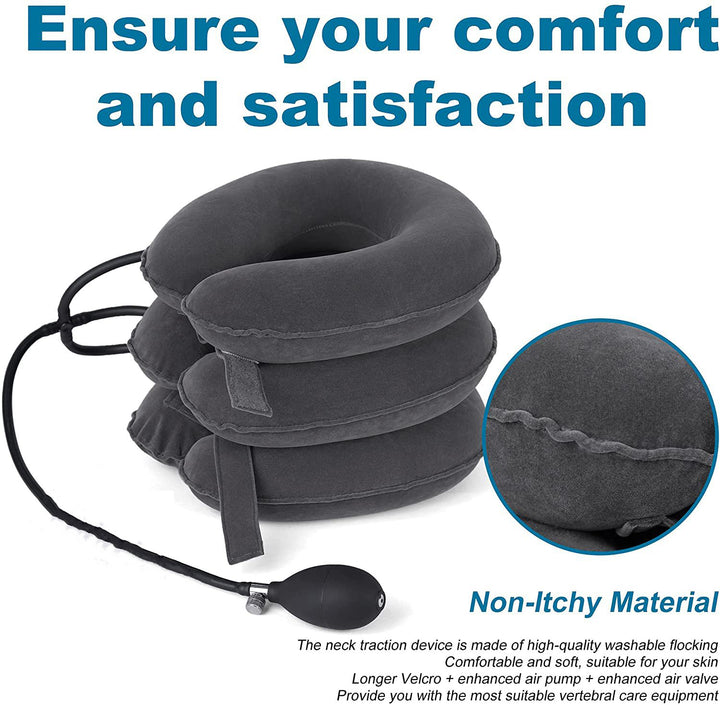
Neck ice packs and cervical traction products offer different approaches to temporary comfort, support, and gentle stretching at home. Use this guide to compare inflatable braces, pillows, hammocks, frames, and heat-and-traction designs so you can choose a neck traction device that matches your routine and comfort preferences.
How to choose a neck traction device
Start by deciding how you want to use neck traction: seated, lying down, or while traveling. An inflatable cervical traction brace can be adjusted around the neck and is useful when you prefer a wearable format. A neck hammock or traction frame generally requires a secure support point, while a cervical traction pillow is designed for use on a bed or other stable surface. Check product measurements, adjustment instructions, weight limits, and the required setup before ordering. If you want a simple routine, choose a design with easy controls and clear positioning guidance. If warmth is part of your comfort routine, consider cervical traction with heat. For cooling after activity, a separate neck ice pack may be a practical addition.
Neck traction types compared
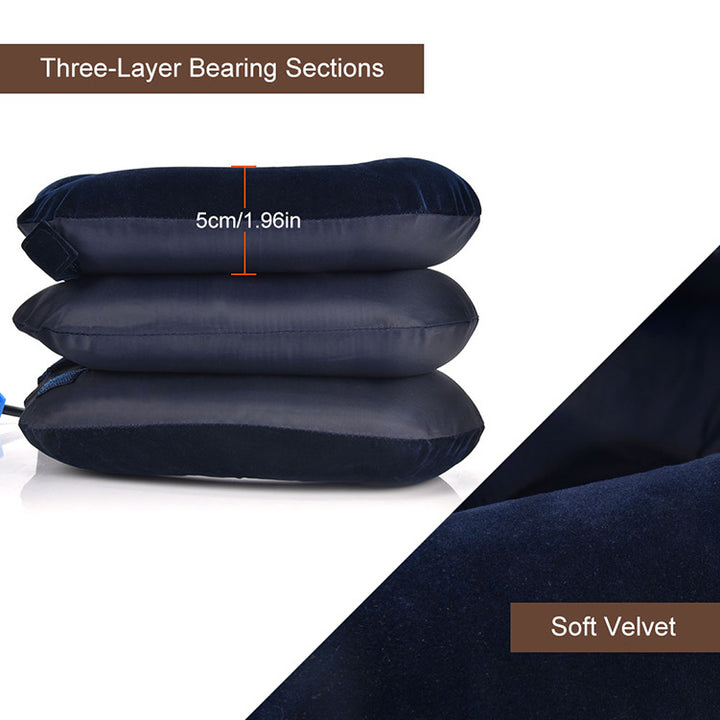
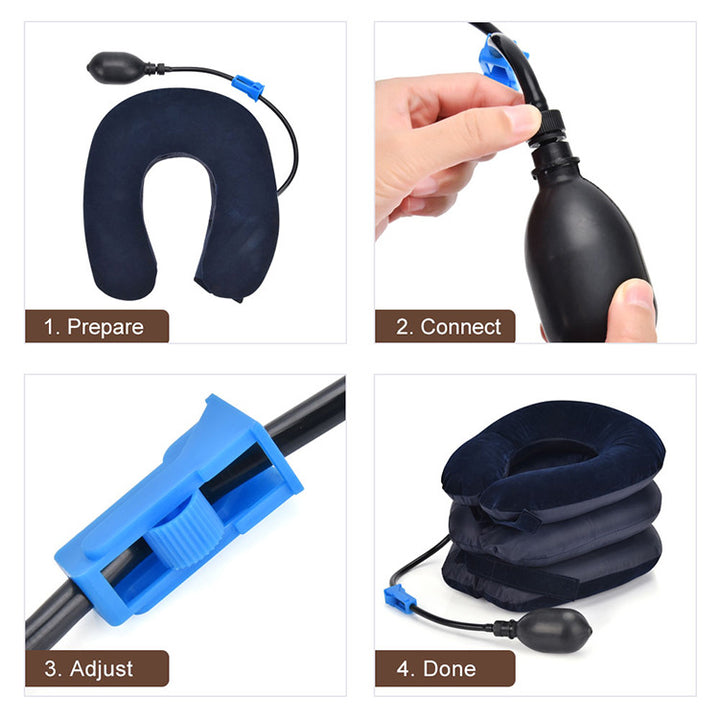
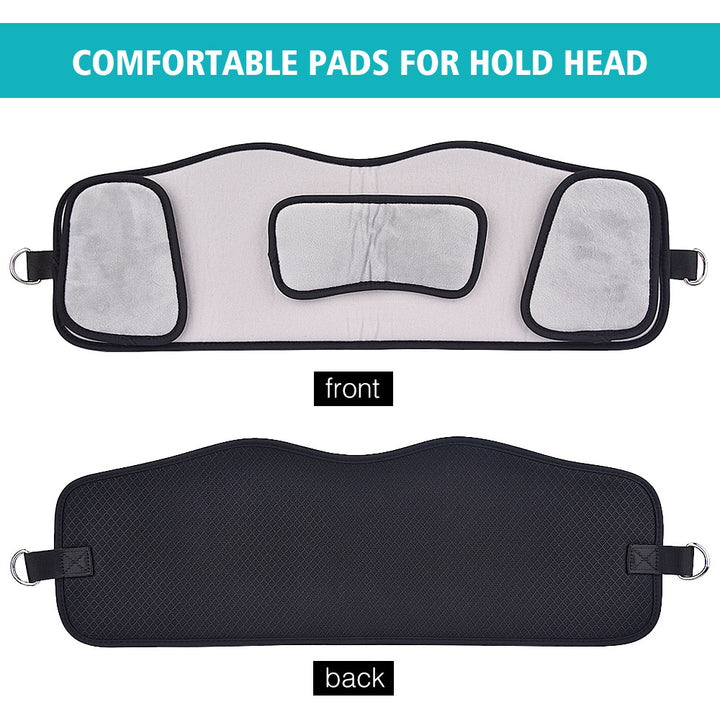
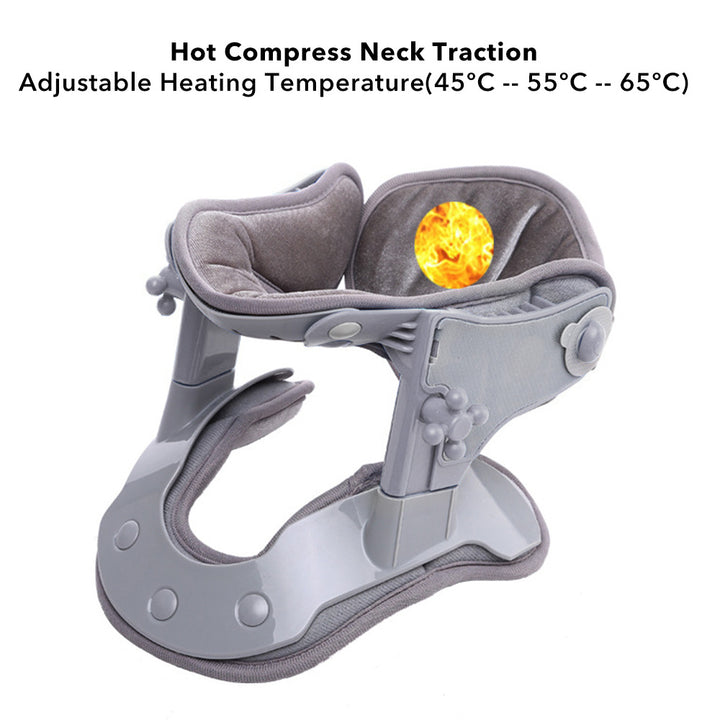
Inflatable cervical traction braces use air adjustment to create a customized fit around the neck. Cervical traction devices with a frame or targeted support system are better suited to users who want a structured setup. Neck hammock traction devices suspend the head and neck from a fabric support and may be convenient for a short, hands-free routine when installed correctly. Traction pillows combine cushioning with a shaped support surface for lying down. Heat-and-traction models add a warming feature, while a portable cervical traction frame can be easier to pack than larger equipment. Compare how each design contacts the neck, how it is adjusted, and whether it requires a door, bed, chair, or other anchor.
What to look for in the best neck traction device
Look for adjustable support rather than a fixed fit, especially if more than one person may use the product. Soft, washable contact surfaces can make regular use more comfortable, while firm internal supports may provide a more defined position. For a neck traction pillow, review its shape, dimensions, and recommended sleeping or resting position. For a hammock or portable frame, inspect the attachment method and confirm that your intended anchor is suitable before use. Helpful features include clear setup diagrams, gradual adjustment, compact storage, and a timer or reminder for short sessions. If you are comparing a chiropractic neck traction device with an at-home option, focus on the product’s instructions and intended use instead of assuming that a professional-style appearance means it is appropriate for everyone.
How to use neck traction at home
Read the supplied instructions before using any neck traction pillow, brace, hammock, or frame. Set up on a stable surface, position your head and neck as shown, and begin with the least intense adjustment that feels comfortable. Keep the first session brief and stop if you notice increased pain, dizziness, numbness, tingling, headache, breathing difficulty, or other concerning symptoms. Do not fall asleep while using a device unless its instructions specifically allow it. A towel may provide temporary support, but it does not offer the controlled fit or stability of a purpose-made product. If you are unsure how long to keep your neck in traction, follow the product directions and ask a qualified healthcare professional rather than extending the session on your own.
Common neck traction mistakes to avoid
The most common mistake is adding force too quickly. Neck traction should not be treated like a strength exercise, and pulling harder does not necessarily improve comfort. Avoid using a hammock or frame on an uncertain anchor, placing a pillow at the wrong angle, or tightening an inflatable brace until it restricts breathing or swallowing. Do not combine heat, ice, massage, exercise, or traction in a way that ignores the product instructions. Inspect straps, valves, cushions, and attachment points before each use, especially on portable equipment. Stop if symptoms worsen, and do not use a damaged product. If you have a recent injury, known neck or spine condition, unexplained symptoms, or concerns about the dangers of cervical traction, seek professional guidance before trying home equipment.
Who is a neck traction product suited for?
These products may suit adults looking for a structured at-home comfort routine and who can follow positioning and safety instructions. A seated inflatable brace may work for someone who wants adjustable support, while a pillow may suit a lying-down routine. A hammock can appeal to shoppers with a suitable, secure anchor, and a portable frame may suit people who want a setup that can be stored or transported. They are not a substitute for assessment or treatment by a qualified professional. People with recent trauma, severe or unexplained neck pain, neurological symptoms, circulation concerns, or other health conditions should ask a healthcare professional before use. Parents and caregivers should also check age guidance rather than assuming an adult cervical traction device is suitable for a child.
Frequently asked questions
Is traction good for your neck?
Neck traction may feel comfortable for some people, but it is not suitable for everyone and results can vary. Choose a product with clear instructions, use gentle settings, and stop if symptoms worsen. Ask a qualified healthcare professional if you have a neck condition, recent injury, or concerning symptoms.
How long should I keep my neck in traction?
Follow the specific instructions supplied with your neck traction device, since session guidance varies by design. Begin conservatively and do not extend use because you think a longer session will work better. Stop immediately if you experience pain, dizziness, numbness, tingling, or other unusual symptoms.
Can I decompress my neck at home?
Some people use cervical traction pillows, inflatable braces, hammocks, or frames at home when the product is set up and used as directed. Home use should be gentle and controlled, not improvised with unstable anchors or excessive force. Speak with a healthcare professional before use if you have an injury, medical condition, or uncertainty about whether traction is appropriate.
Do chiropractors do neck traction?
Some chiropractic practices may offer traction, but services and equipment vary by provider. A professional can assess whether a particular approach is appropriate and explain positioning or session guidance. An at-home neck traction device should not be assumed to provide the same setup or supervision as an in-person appointment.
Can I use a towel to decompress my neck?
A towel can provide temporary cushioning or support, but it does not provide the controlled adjustment, stability, or instructions of a purpose-made traction product. Avoid tying or anchoring a towel in a way that pulls on your neck. If you want to try traction at home, use equipment designed for that purpose and follow its instructions.
What is better for neck pain, massage or chiropractor?
Neither option is universally better because the cause and type of neck pain matter. Massage may be preferred for relaxation and soft-tissue comfort, while a chiropractor or other qualified professional can assess your symptoms and discuss suitable care. Seek prompt medical advice for severe pain, recent trauma, weakness, numbness, or other concerning symptoms.