Natural Hair Dye for Gray Hair: Cover Grey Roots Naturally
5 items




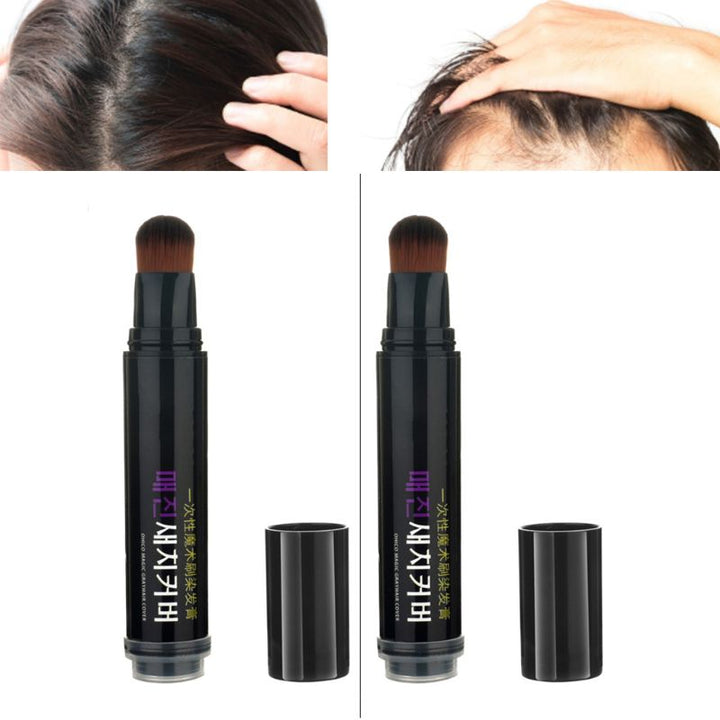
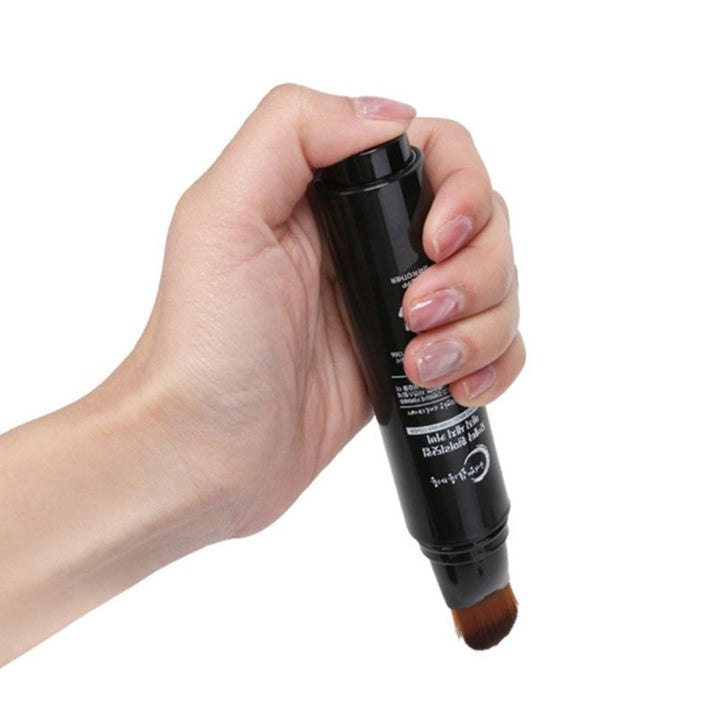
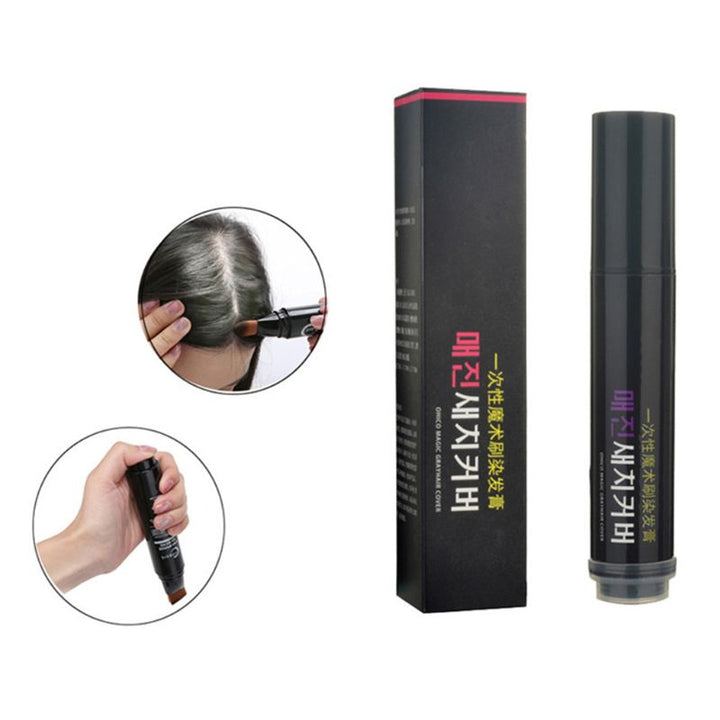
Find practical options for covering or blending gray hair, from temporary root touch-up tools to plant-based color products and application accessories. Compare coverage, color commitment, application method, and your comfort with at-home testing before choosing a natural hair dye for gray hair.
How do I choose a natural hair dye for gray hair?
Start by deciding whether you want instant coverage, a temporary color change, or a longer-lasting result. A natural herb hair color stick is useful for visible roots between washes, while a plant-based color product may be better when you want to color a larger area. Check the shade description carefully because gray strands can reflect color differently from previously colored hair. Look for clear instructions, a full ingredient list, and guidance about strand and skin testing. If you are searching for natural hair dyes without chemicals, remember that “natural” does not mean risk-free or automatically permanent. Choose products that explain how to prepare, apply, rinse, and maintain the color rather than relying on vague claims.
What types of natural hair dye cover gray hair?
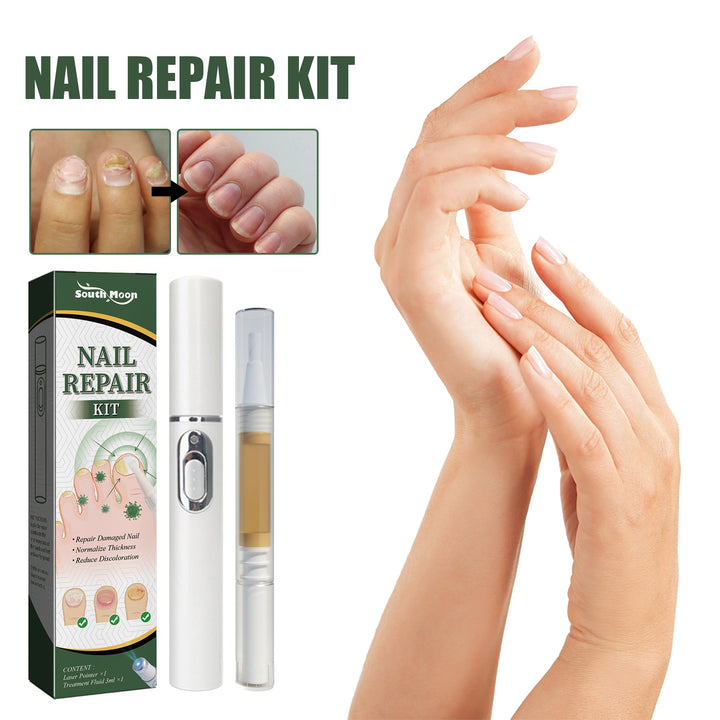
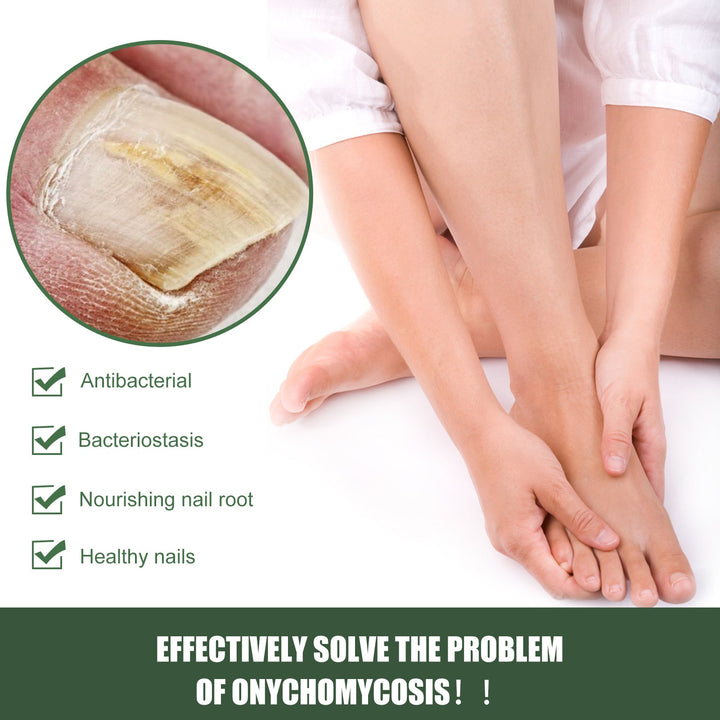
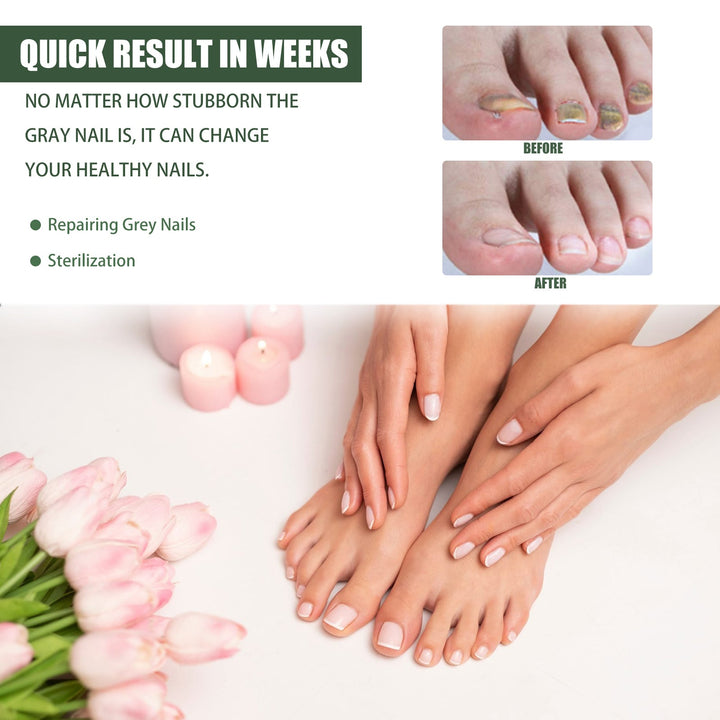
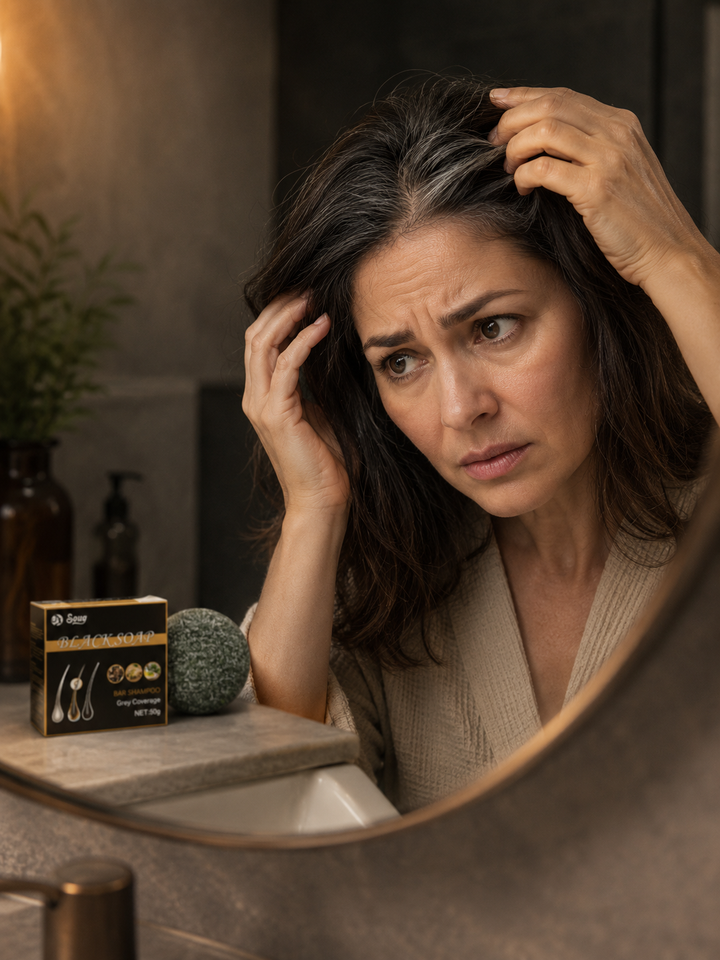
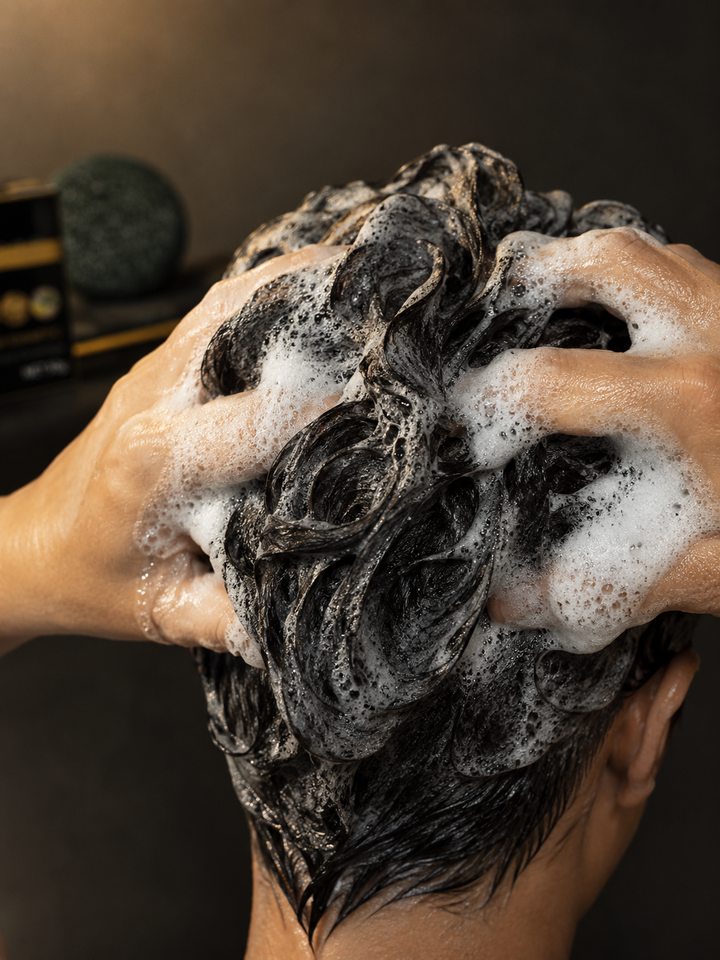
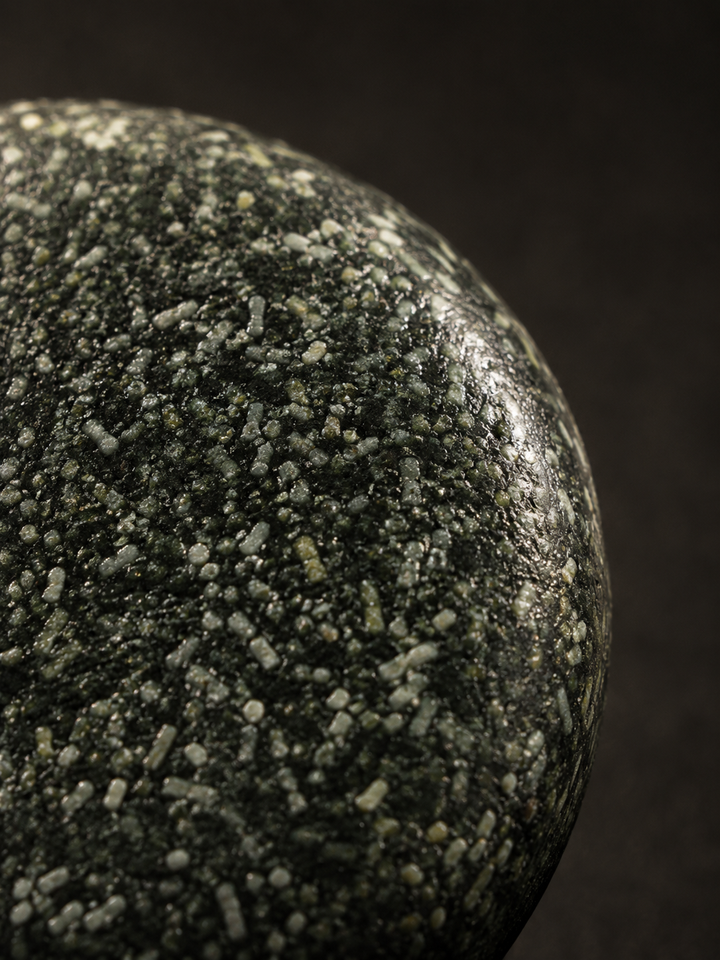
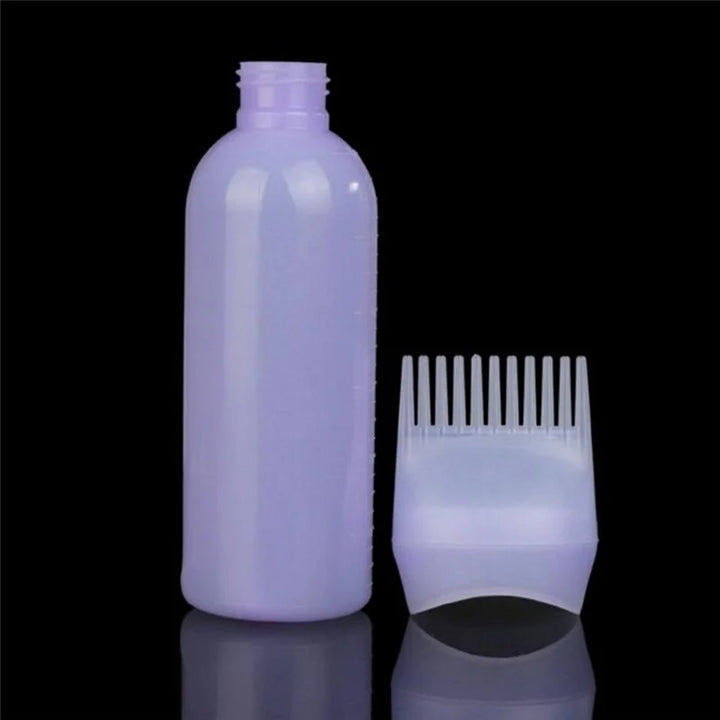
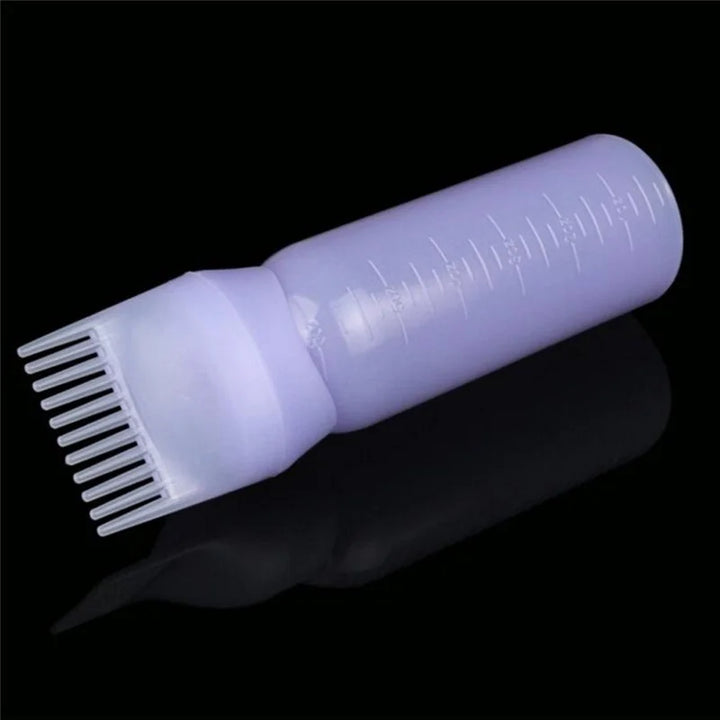
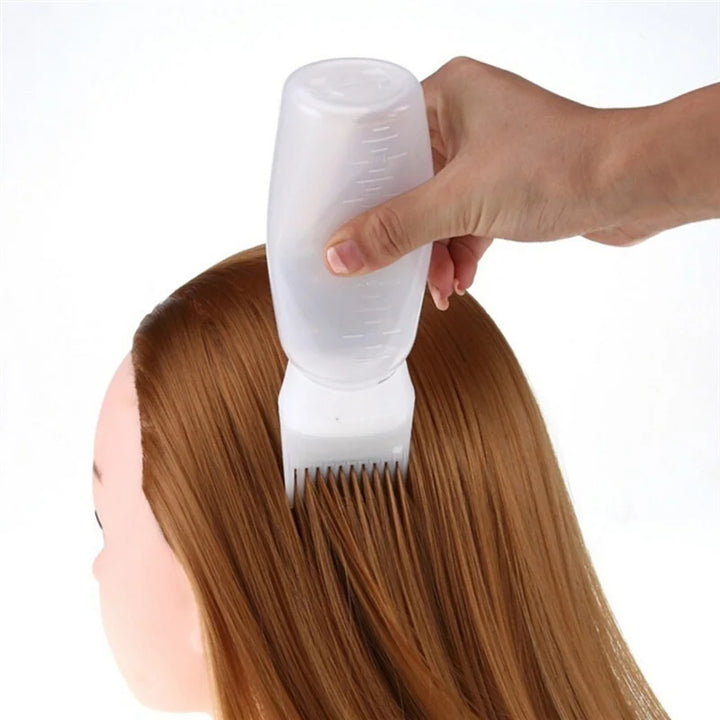
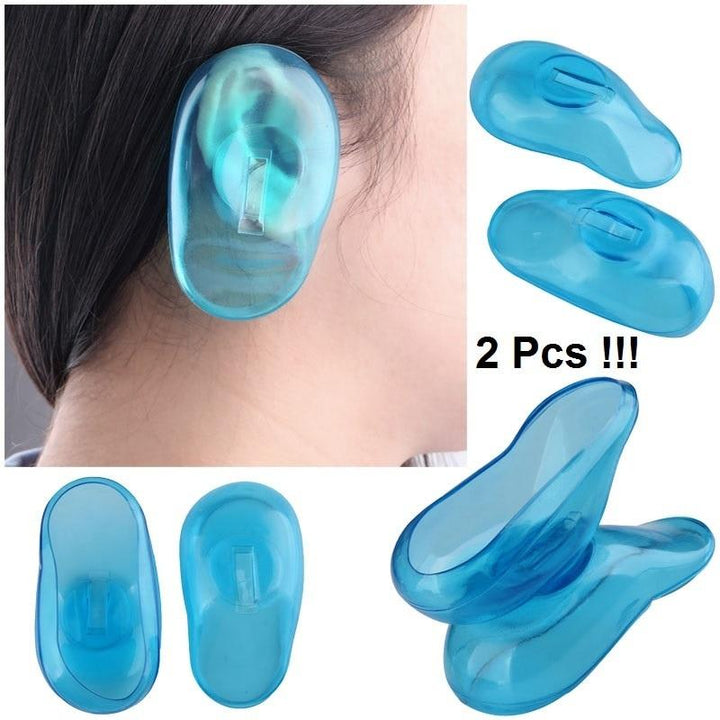
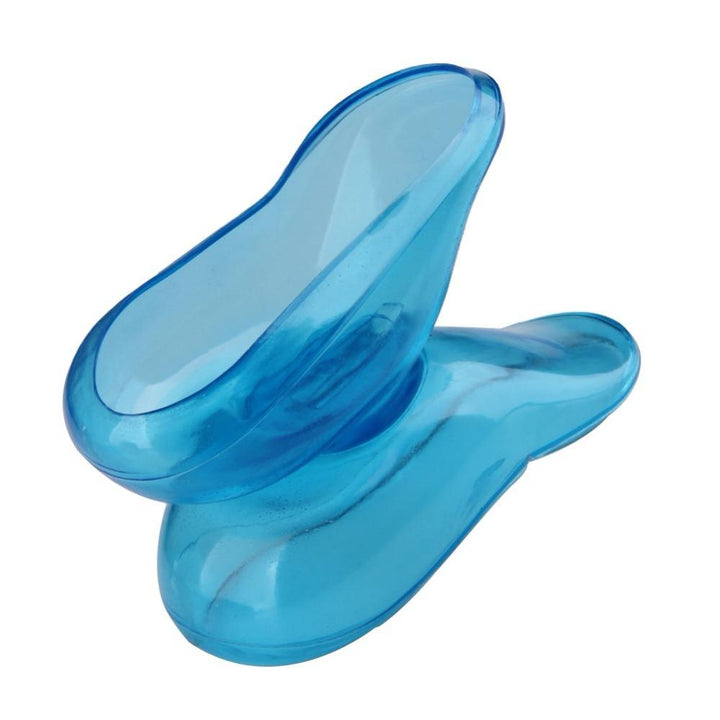
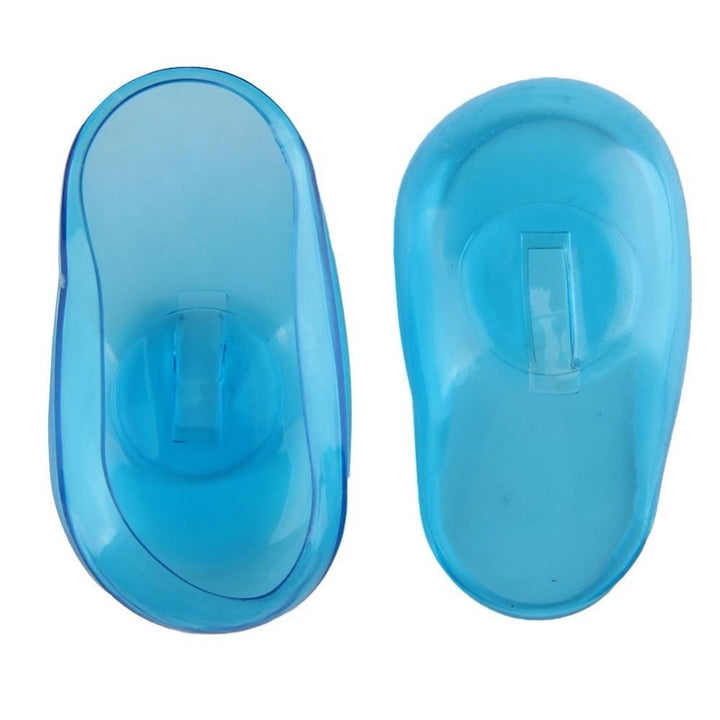
The products in this category suit different touch-up needs. A Natural Herb Hair Color Stick is designed for quick, targeted coverage on gray roots, hairlines, and partings without mixing a full batch. A dye applicator bottle with a comb tip helps distribute liquid or mixed color along the roots with less dripping. A silicone ear cover protects the ears from accidental product contact during application and can be washed and reused. A bamboo charcoal bar shampoo may support a darker-looking hair routine, but it should not be treated as guaranteed gray coverage or a permanent dye. The toenail repair set is for nail discoloration care and is not a hair-color product, so do not use it on hair or scalp.
What should I look for in chemical-free hair dye for grey hair at home?
When comparing chemical free hair dye for grey hair at home, inspect the ingredients, shade range, processing directions, and expected result. Some products may blend gray, while others are intended to cover roots temporarily; the label should make that distinction clear. Consider whether you need a ready-to-use stick or an applicator for a larger section of hair. A comb-tip bottle can help separate and coat roots, while silicone ear covers add a practical barrier around the hairline. Check whether gloves, mixing tools, or rinsing instructions are included. Avoid choosing based only on the words “natural” or “herbal,” and do not assume a product is suitable if it lacks directions or a complete ingredient listing.
How can I use natural hair dye for gray hair at home?
Read the product directions before starting, and perform the recommended patch and strand tests in advance. Begin with clean, dry hair if the instructions call for it, then section the hair so gray roots are easy to see. Apply a Natural Herb Hair Color Stick directly to small areas, or use a comb-tip applicator bottle to place color along partings and the hairline. Wear suitable gloves and fit the reusable silicone ear covers before applying liquid or mixed color. Keep the product away from eyes and follow the stated development and rinsing instructions; do not improvise a permanent hair dye at home from household ingredients. Record the shade and application time so future touch-ups are more consistent.
What are common mistakes when covering gray roots naturally?
A common mistake is expecting a temporary root stick or shampoo bar to perform like a permanent color service. Gray hair can be resistant or unevenly absorbent, so applying too much product at once may create a visible patch rather than a blended result. Skipping a strand test can also lead to an unwanted shade, especially when hair has previous color or different textures. Do not leave a product on longer than directed, mix products that were not designed to work together, or use a nail-care item on hair. Vinegar is not a proven overnight gray-covering dye, and leaving household substances on the scalp may cause irritation. Protect clothing and surfaces, and follow the product label instead of internet recipes.
Who is a natural gray-hair cover-up best suited for?
Temporary root coverage is a good fit for shoppers who want to disguise scattered gray between washes, refresh a parting, or postpone a full-color application. A Natural Herb Hair Color Stick is especially convenient for travel and small touch-ups, while a comb-tip bottle suits shoppers working across several root sections. Ear covers are helpful for anyone applying color at home and wanting a reusable way to protect the outer ear area. Plant-based color may suit shoppers who prefer an ingredient-focused option, provided they accept that results and durability depend on the formula and hair. If you want to cover gray without dyeing it, consider styling changes, hats, scarves, or a temporary touch-up product rather than expecting shampoo alone to recolor gray hair.
Frequently asked questions
How can I dye my grey hair naturally?
Choose a product specifically labeled for hair and follow its preparation, testing, application, and rinsing instructions. For quick coverage, a natural herb hair color stick can target gray roots, while a plant-based color product may be intended for broader application. Results vary by formula, hair condition, and the amount of gray.
What is the best natural dye to cover grey hair?
The best choice depends on whether you need temporary root coverage or a more involved color application. A root-cover stick is convenient for small visible areas, while an applicator bottle can help distribute a suitable hair-color formula across partings. Compare the ingredient list, shade instructions, testing requirements, and expected longevity rather than choosing by the word “natural” alone.
What is the best homemade hair dye for grey hair?
There is no single homemade recipe that reliably gives consistent gray coverage, and household ingredients can produce unpredictable color or scalp irritation. For at-home use, choose a labeled hair-color product with clear directions and perform a strand and skin test as instructed. Do not mix vinegar or other kitchen ingredients into a hair-color formula unless the product directions specifically require it.
How can I cover grey hair without dyeing it?
Use a temporary root-cover product, change your parting, or conceal gray with a hat, scarf, or hairstyle. A natural hair color stick can cover visible roots without committing to an all-over color service. Shampoo products should not be assumed to permanently recolor gray hair unless their instructions clearly state how they work.
What does vinegar do to gray hair overnight?
Vinegar is not a reliable overnight gray-hair dye and should not be expected to cover gray roots. Leaving it on the hair or scalp may cause dryness or irritation, so follow labeled hair-care directions instead of using an overnight vinegar treatment. Choose a product made for hair if you want temporary or longer-lasting coverage.
What is the healthiest way to cover grey hair?
Use a hair product according to its label, check the ingredients, and complete the recommended skin and strand tests before application. Temporary root coverage can reduce the need for frequent all-over coloring, while hats, scarves, and styling changes avoid dye altogether. Stop use and rinse if irritation occurs, and seek professional advice for persistent or severe reactions.