
$54.90
Free delivery · 7–14 days
Temporary Hair Color Chalk for Instant Neon Looks at Home
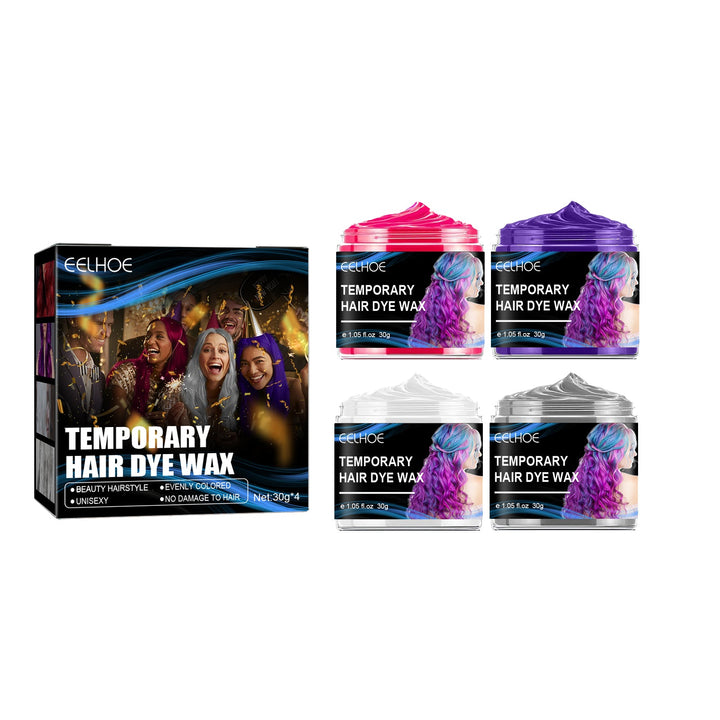
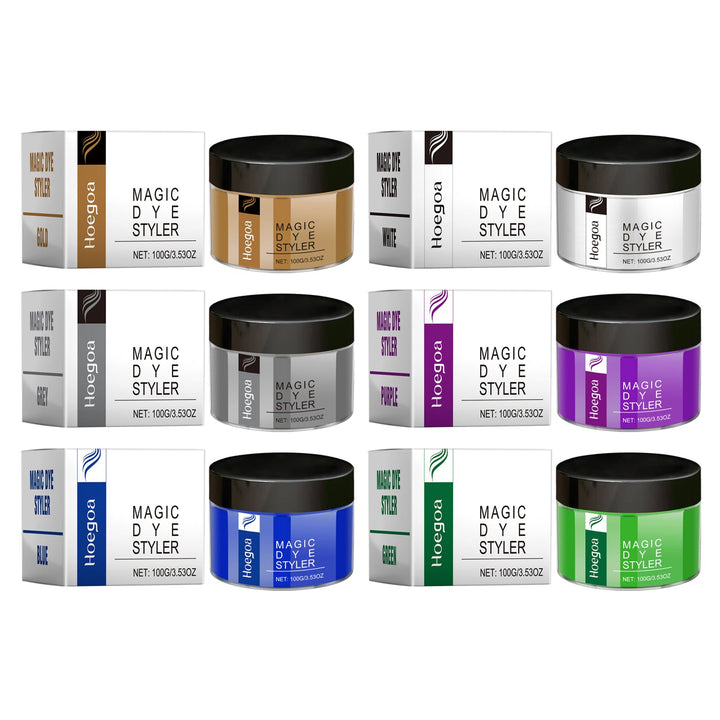
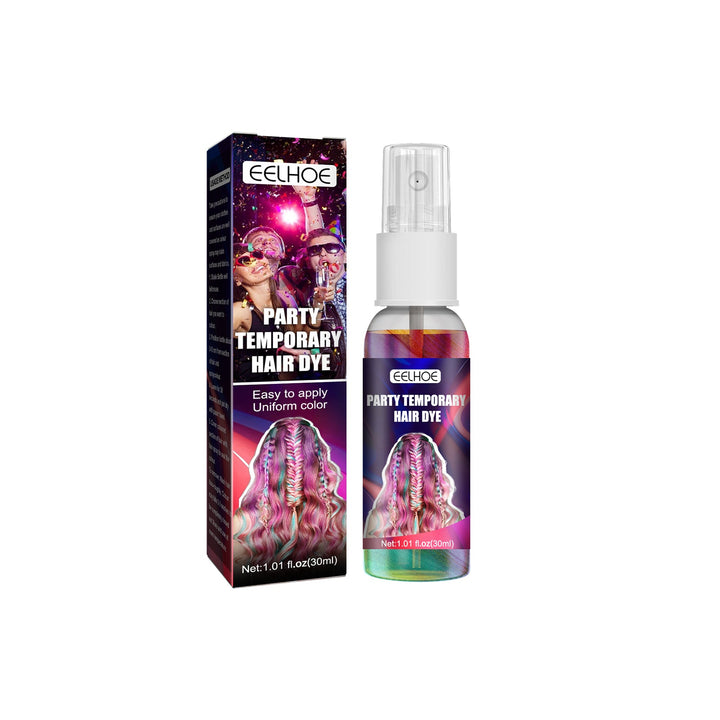
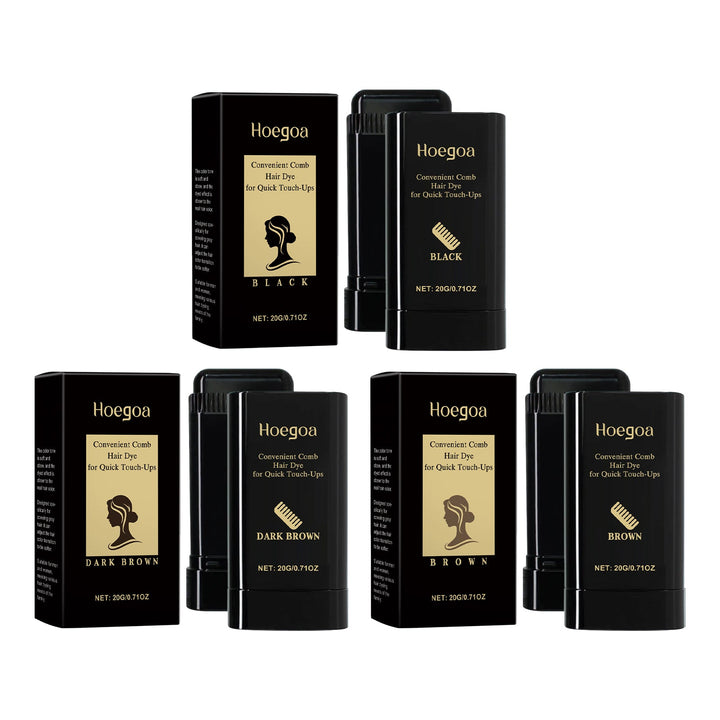
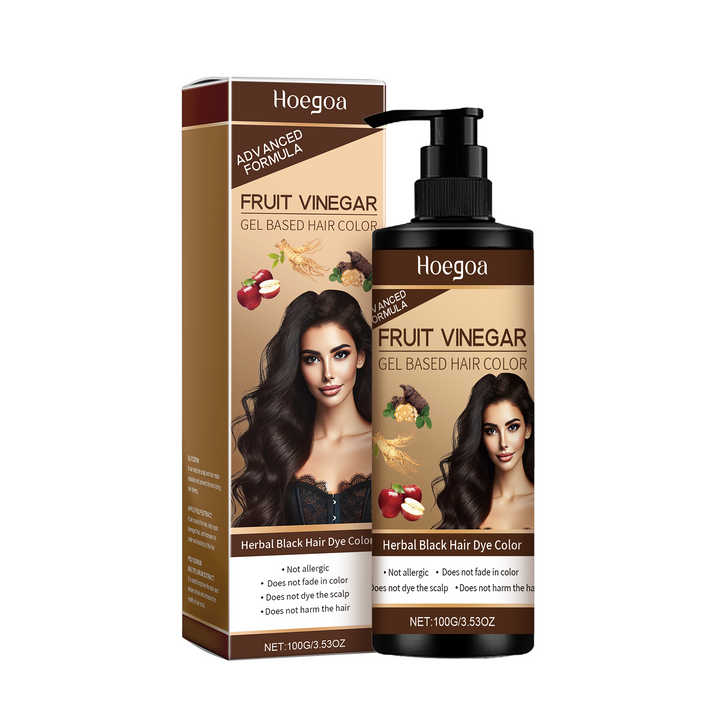
Explore hair color options for quick style changes, vivid temporary looks, and at-home gray coverage. This category includes chalk, wax, spray, touch-up, and herbal black dye formats, so you can choose based on wear time, application method, and the finish you want.
Start by deciding how long you want the color to last. Temporary hair color chalk, wax, and spray are suitable for parties, photos, festivals, or trying a new shade without committing to a permanent change. For quick gray coverage at the roots or hairline, a touch-up stick offers targeted application. If you want black coverage with a gel format, consider the herbal black hair dye gel and follow its product directions carefully. Use a hair color chart as a guide, but remember that the final result can vary with your natural shade, highlights, texture, and previous color. For bold results, choose a shade that contrasts with your base color.
Each type of hair color dye is designed for a different use. Chalk provides quick, visible color with a dry application that works well for selected strands. Wax adds vivid color while helping shape or style the hair, making it useful for defined sections and hair color braids. Spray covers larger areas quickly and is convenient for party looks, but application control matters. A wax styler combines color and styling in one product for easy temporary designs. A touch-up stick is better for small areas such as roots, temples, or the hairline. Herbal black hair dye gel is intended for black gray coverage rather than neon or fashion shades.
Check the format, shade, coverage area, and removal instructions before buying. For natural-looking hair colors, a black touch-up stick or herbal black hair dye gel may suit a focused gray-coverage routine. For bright highlights or experimental color, choose a neon chalk, vivid wax, wax styler, or spray. Consider whether you need a single shade or a set with several colors for braids, streaks, and creative looks. Look for clear directions about suitable hair types, application, drying, and cleanup. If you are comparing hair color on Amazon or another marketplace, review the product size, included tools, shade options, and customer photos while keeping in mind that screen displays can alter color appearance.
Begin with the instructions for your selected product and work on clean, dry or suitably prepared hair as directed. Separate the hair into manageable sections, then apply chalk, wax, wax styler, or spray to the strands or areas you want to color. Use a small amount first and build the intensity gradually. For a touch-up stick, apply directly to visible gray areas and blend the edges with a brush or fingertips if the directions allow. Let the product dry before dressing or styling, and protect clothing, furniture, and nearby surfaces during application. Test the finished look in natural light, especially when creating highlights or hair color braids.
Applying too much product at once can create uneven color, heavy buildup, or transfer onto clothing. Avoid skipping the directions, particularly when using black hair dye gel or any product intended for gray coverage. Do not assume a shade will look identical on dark, light, bleached, or previously colored hair; try a small hidden section when appropriate. Keep temporary spray away from areas where overspray could create a mess, and allow wax or chalk to set before touching the hair. When making vivid designs, use clean sections and separate colored strands from uncolored ones. Remove temporary color as instructed rather than repeatedly scrubbing the hair.
Temporary chalk, wax, wax styler, and spray suit shoppers who want flexible, expressive color for events, weekends, costumes, or short-term style changes. They are also useful for testing a color before considering a longer-lasting dye. A touch-up stick suits anyone who wants quick, precise coverage for visible gray between regular color routines. Herbal black hair dye gel suits shoppers looking for a black shade and gray coverage in a gel format, provided it matches their intended use and they follow the directions. These products can work across many hairstyles, including loose hair, sections, and hair color braids. Always check the instructions for your hair type and desired finish.
The best option depends on your goal. Choose chalk, wax, wax styler, or spray for temporary vivid color, a touch-up stick for targeted gray coverage, or herbal black hair dye gel for black coverage in a gel format.
There is no single shade that suits everyone. A natural-looking shade close to your current color, carefully placed highlights, or controlled gray coverage may create the appearance you prefer; use your skin tone, existing hair color, and maintenance routine as guides.
Vivid streaks, neon accents, colorful braids, and temporary festival-style looks remain easy ways to experiment. Chalk, wax, wax stylers, and sprays let you try bold shades without committing to a permanent hair color change.
The best type depends on wear time and application. Temporary formats are suited to short-term creative looks, a touch-up stick is designed for precise areas, and herbal black hair dye gel is intended for black gray coverage.
No single hair dye is right for every person or hair type, and product suitability depends on the formula and your intended use. Read the full instructions, check the ingredient information, and follow any recommended testing or safety steps before applying.
Some hairdressers caution that at-home permanent color can be difficult to match, remove, or correct, especially when layered over previous color. This category also offers temporary chalk, wax, and spray options for lower-commitment experimentation, plus targeted touch-up products for specific areas.