$122.90
Free delivery · 7–14 days
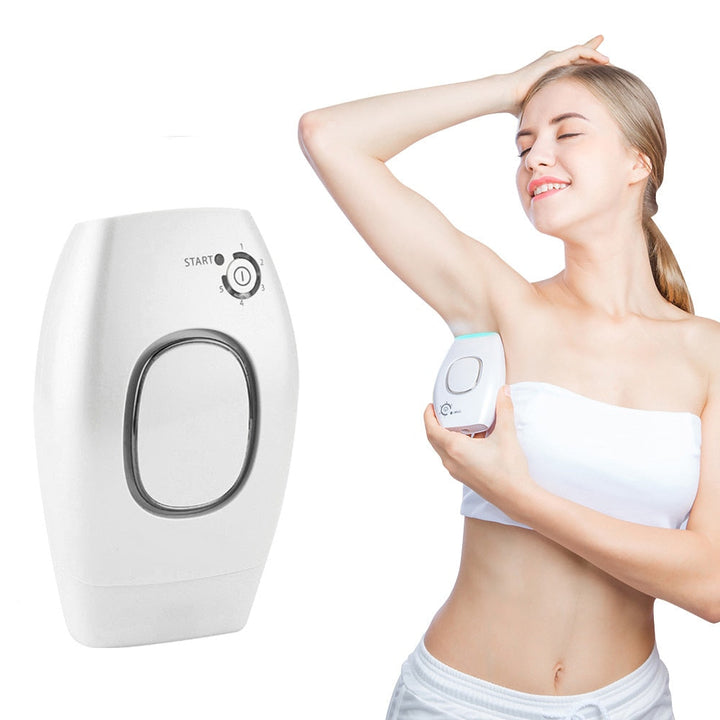
IPL Laser Hair Removal Device — Smooth, Hair‑Free Skin at Home
Mole care products can support a simple skincare routine or provide tools marketed for at-home spot care, but a mole should be assessed before you try to remove it. Compare the format, application method, and aftercare guidance carefully, and seek professional advice for a changing, bleeding, painful, or unusual-looking mole.
Start by deciding whether you want general skincare or a targeted removal-style product. Bee Venom Skin Care Cream for a More Even-Looking Tone is designed for broader facial or body skincare, while the Skin Tag & Mole Removal Pen — At-Home Precision for Clear Skin, Bee Venom Wart & Mole Removal Cream — Clear Skin at Home, and Houkea 3X Gel — Gentle Skin Tag & Mole Remover are targeted formats. Check the label for the intended area, application instructions, contact time, and warnings. Do not choose based only on the phrase “mole removal at home.” If the spot is new, changing, crusty, bleeding, painful, or difficult to identify, pause product use and ask a dermatologist to assess it first.
The main formats in this category are cream, gel, pen, and general facial skincare cream. A pen offers a more controlled applicator for precise placement, which may appeal to shoppers researching mole removal on the face. Creams and gels spread more easily but require careful application to avoid surrounding skin. Bee Venom Wart & Mole Removal Cream — Clear Skin at Home and Houkea 3X Gel — Gentle Skin Tag & Mole Remover are topical targeted options, while the Skin Tag & Mole Removal Pen is intended for precision application. Bee Venom Skin Care Cream for a More Even-Looking Tone is the broader skincare choice. None should replace dermatologist mole removal when professional assessment or treatment is appropriate.
Look for clear directions, a precise applicator or easy-to-control texture, stated skin-area guidance, storage instructions, and prominent warnings. For a product used near the face, check whether the label gives specific advice about avoiding the eyes, lips, nostrils, and broken skin. A useful package should explain what to do if irritation occurs and whether a patch test is recommended. Also check the ingredients if your skin is sensitive or reactive. Avoid products with vague claims, missing instructions, or packaging that does not explain intended use. For any mole on the face or another visible area, consider professional advice first, since irritation or uneven results may be especially noticeable.
Read the complete label before applying anything, and follow its instructions rather than increasing the amount or frequency. Clean and dry the area if directed, keep the product on the intended spot, and protect nearby skin from unnecessary contact. Do not apply to the eyes, lips, mucous membranes, open wounds, or visibly irritated skin unless a qualified professional specifically advises it. Wash your hands after use and stop if you develop significant burning, swelling, a spreading rash, or other concerning symptoms. Keep the area protected according to the product directions. Avoid assuming that showering, covering, or adding another cream is safe without checking the instructions or receiving professional guidance.
A frequent mistake is treating a changing or unusual spot before having it assessed. Other problems include picking at a crust, using a product on broken skin, applying too much, combining several removal products, or spreading cream beyond the target area. Do not use household acids, sharp tools, or improvised methods for mole removal at home. Avoid applying antibiotic ointment, petroleum jelly, makeup, or strong skincare ingredients unless the label or a healthcare professional recommends them for your situation. If a spot becomes persistently crusty, bleeds, hurts, changes in size or colour, or does not heal as expected, stop experimenting and contact a dermatologist or other qualified healthcare professional.
These products may suit adults seeking a targeted skincare format for a clearly identified, non-urgent spot, provided they follow the label and understand the limitations of at-home care. A pen may suit shoppers who prefer precise application, while a cream or gel may be easier for those who prefer a spreadable texture. General facial cream is better suited to an even-looking-tone routine than to removing a specific mole. At-home products are not a substitute for dermatologist mole removal, mole removal surgery, or an examination of a suspicious lesion. Seek professional guidance before use on children, during pregnancy or breastfeeding, on sensitive skin, or on a mole on the face.
There is no single best product for every mole. Use only a product that is clearly intended for the type of spot and area, and follow its label exactly. A new, changing, bleeding, painful, or unusual mole should be assessed by a dermatologist before you apply a removal product.
After professional removal, showering may be restricted temporarily to help keep the treated area clean, dry, and undisturbed while it begins to heal. The timing depends on the procedure and the clinician's instructions. Follow the specific aftercare guidance you were given rather than relying on general product advice.
Do not pick, scrape, or try to remove the crust yourself. A crust can occur after irritation or treatment, but a persistent, bleeding, painful, or changing crust should be checked by a qualified healthcare professional. Pause at-home treatment until you have clear guidance.
Petroleum jelly may be recommended after some procedures to help keep a treated area from becoming overly dry and to support basic wound care. It is not a mole-removal treatment and should not be applied automatically. Use it only when the product instructions or a healthcare professional recommends it.
Do not assume an antibiotic ointment is needed after mole removal. It can irritate some skin, and aftercare varies by procedure, so follow the clinician's instructions or the product label. Contact a healthcare professional if you notice increasing redness, swelling, discharge, worsening pain, or other concerning changes.
The result depends on the mole, the removal method, and how deeply it is treated. Some procedures leave a shallow wound that gradually heals, while others may leave a mark or scar. A dermatologist can explain likely healing and scarring before professional removal.