Wart & Mole Remover: Over the Counter Wart Removal Treatment19 items
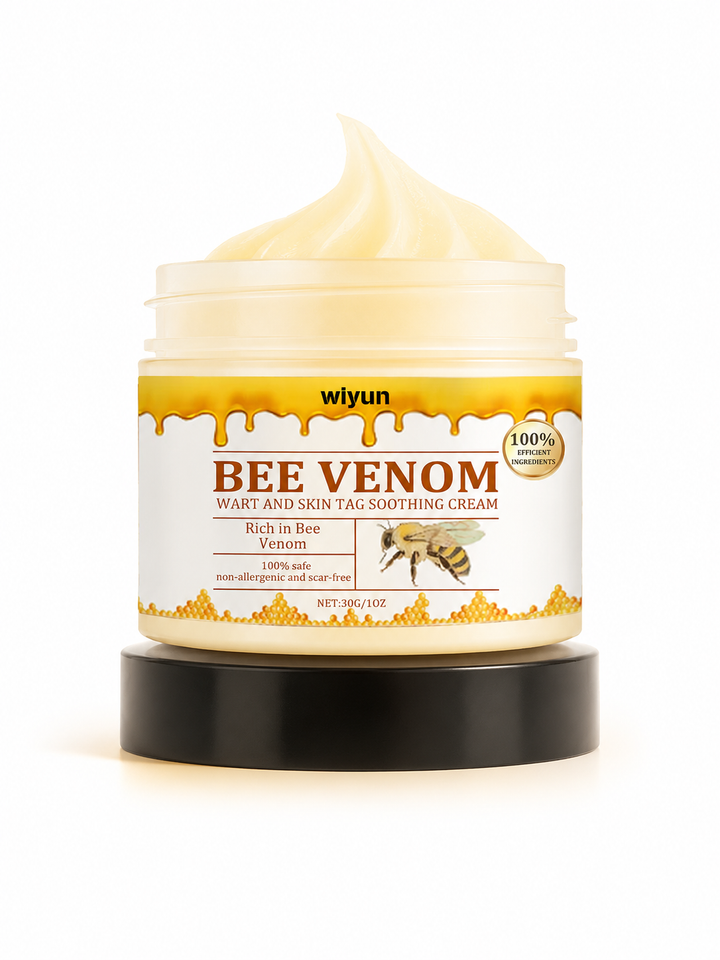
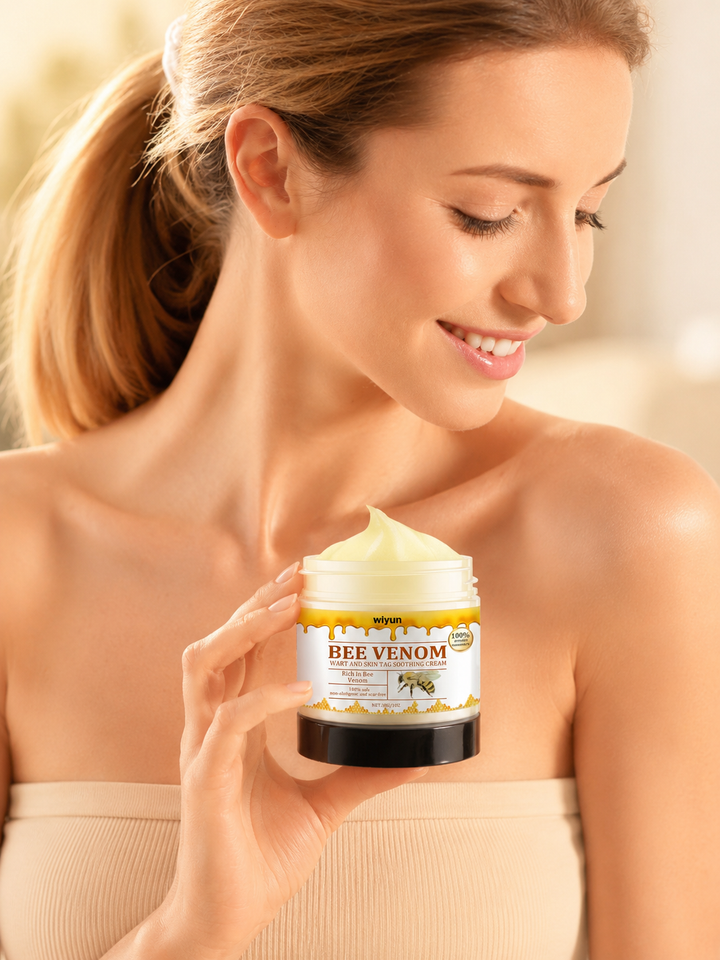

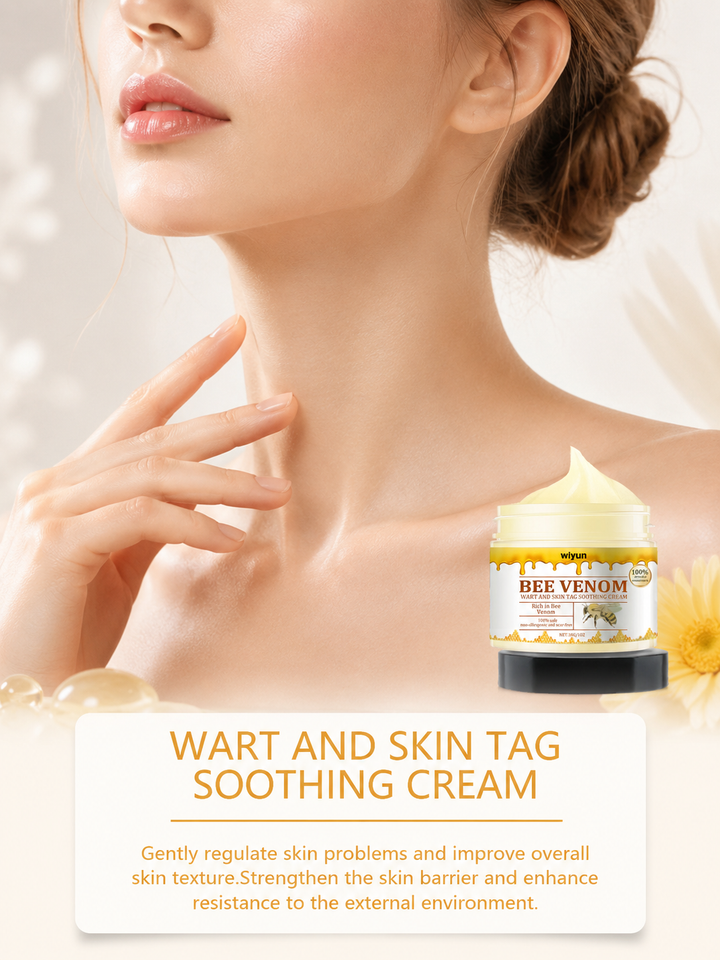


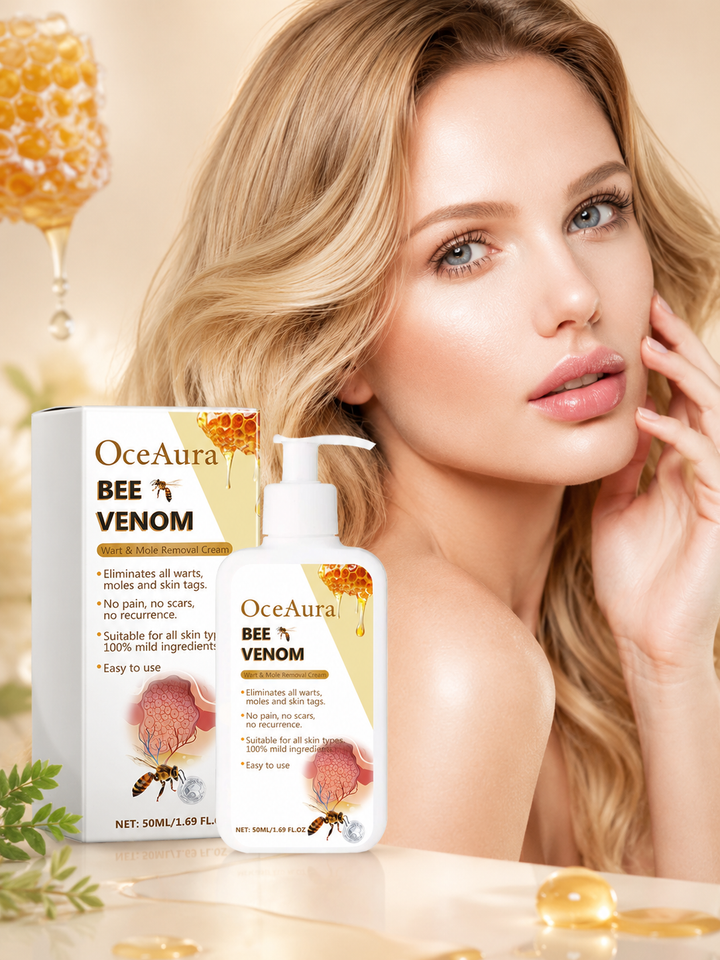







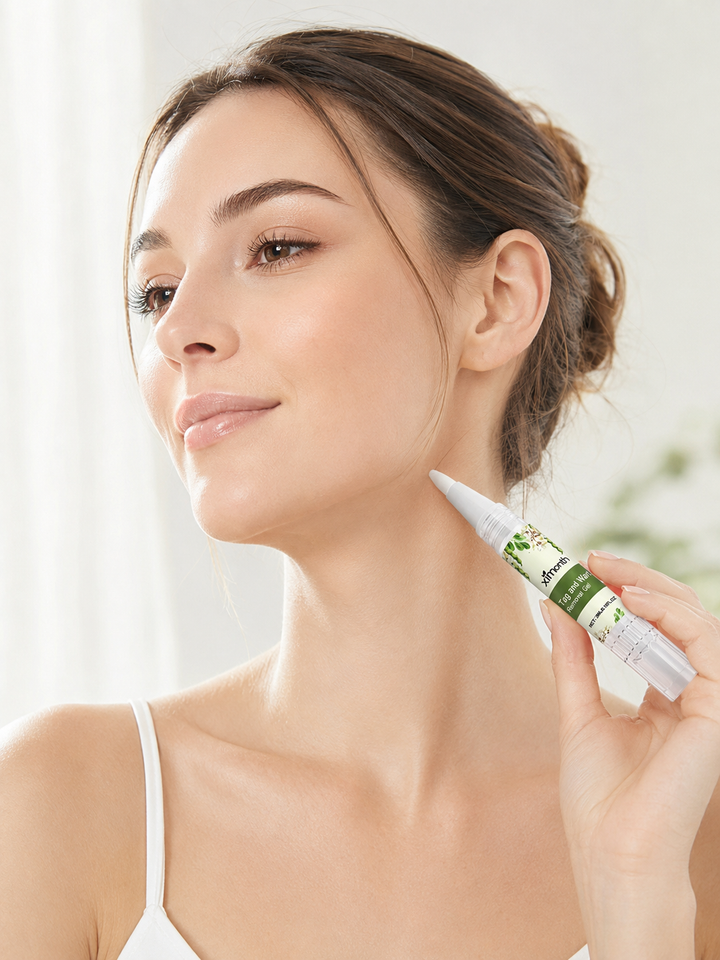


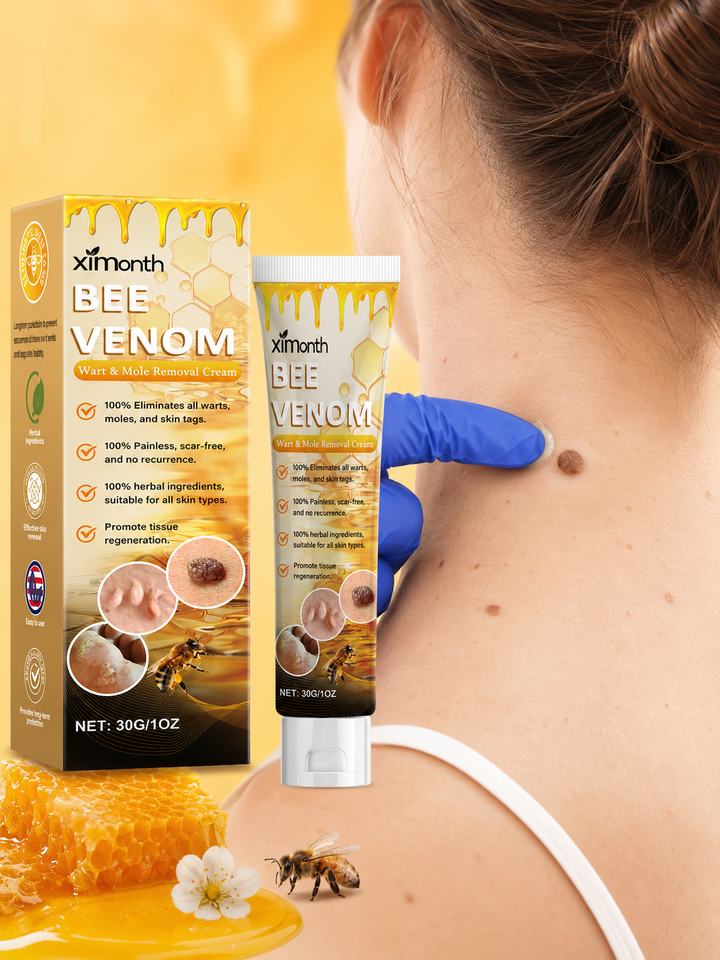
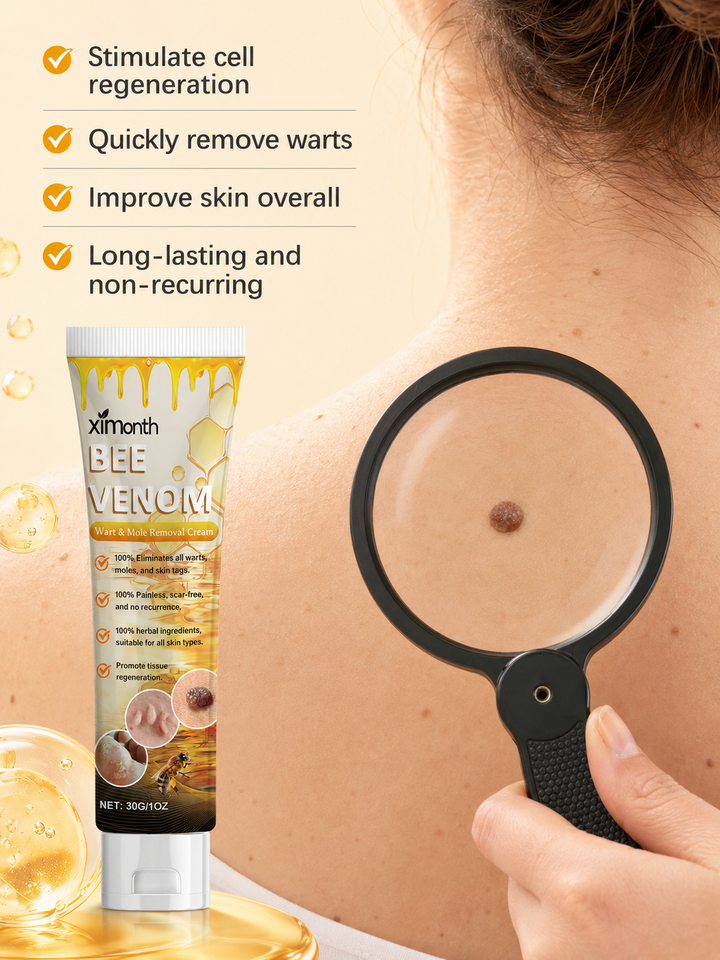
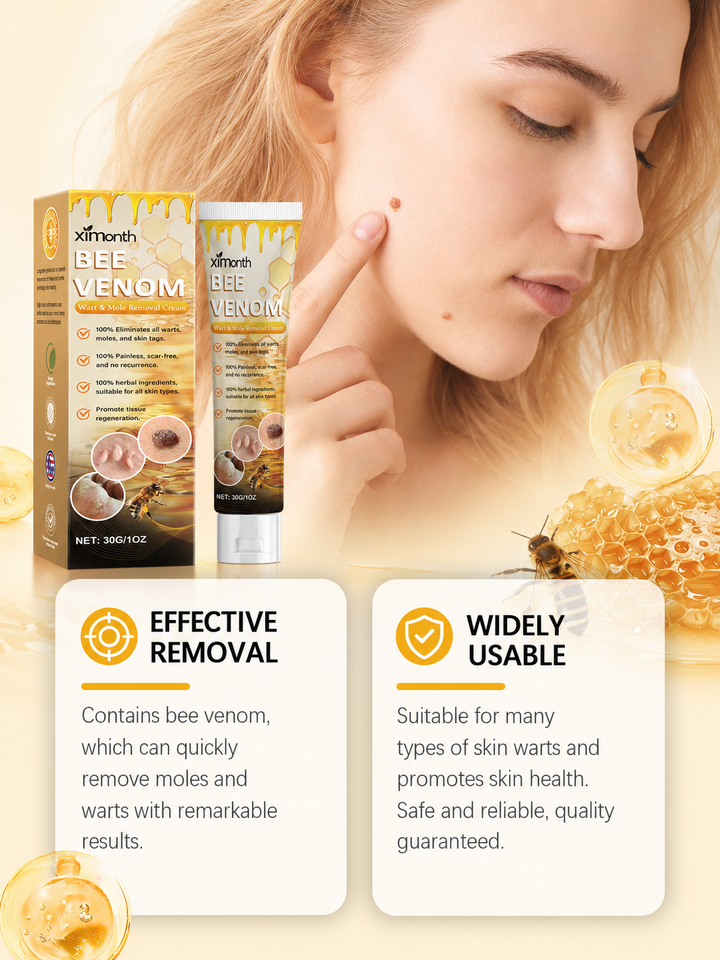





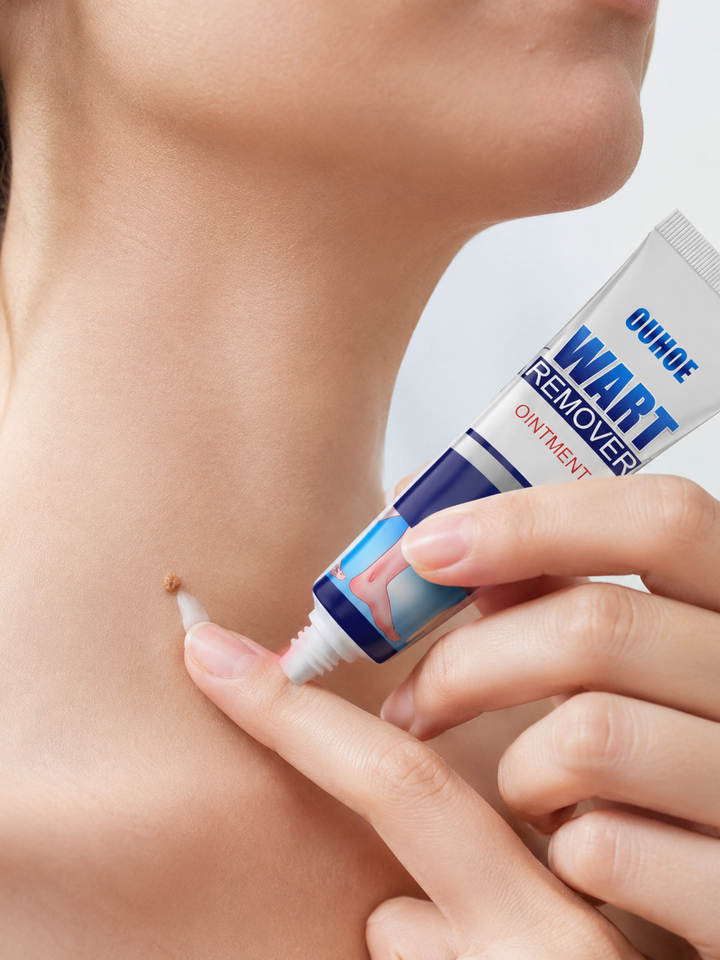


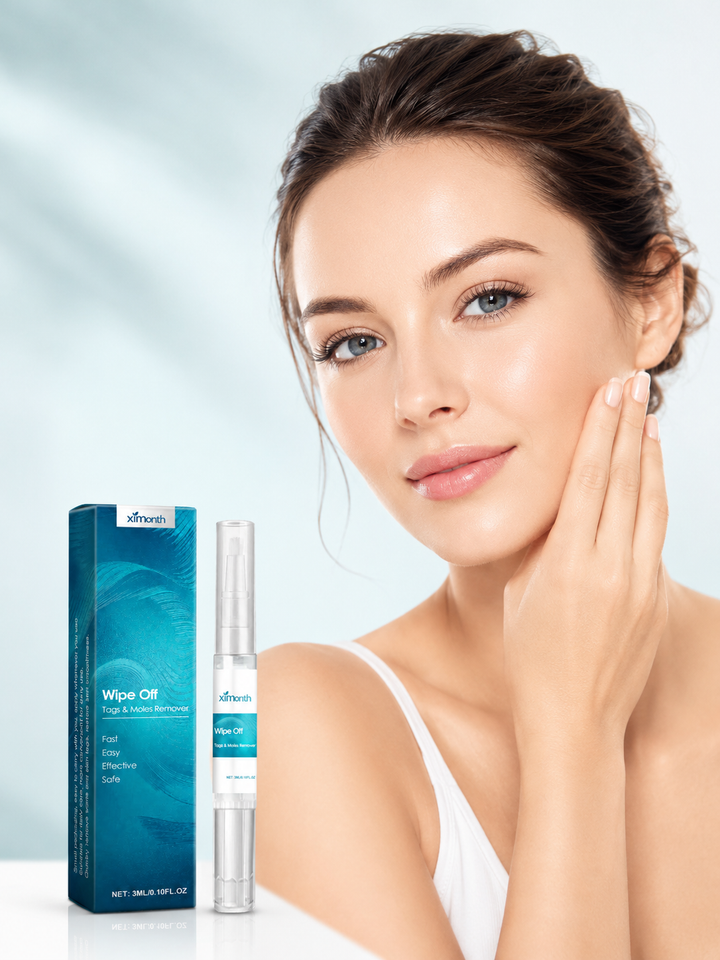
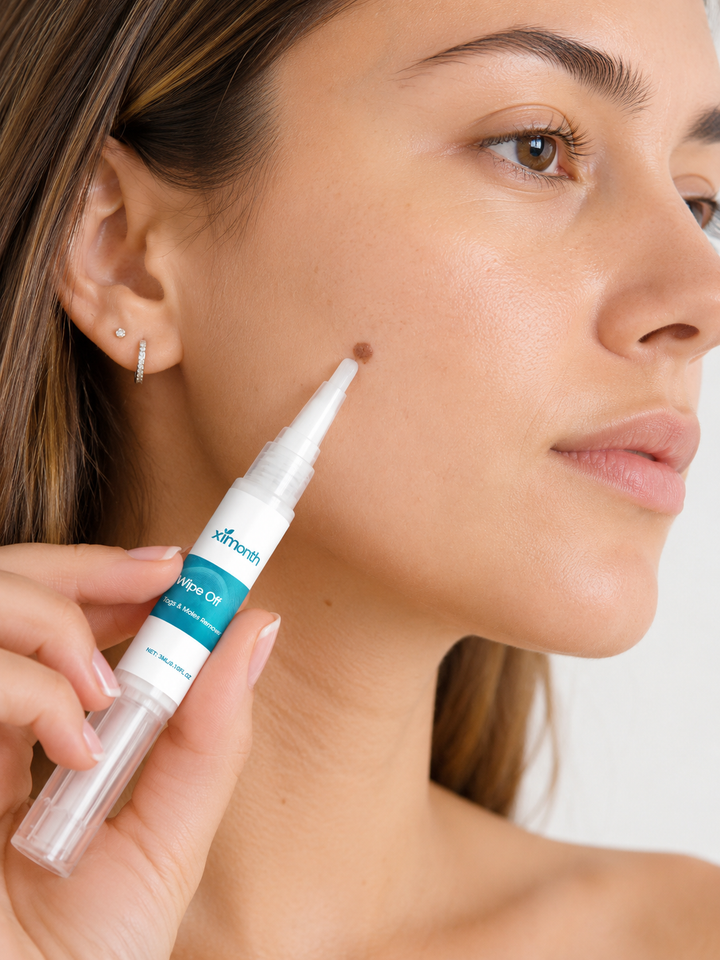
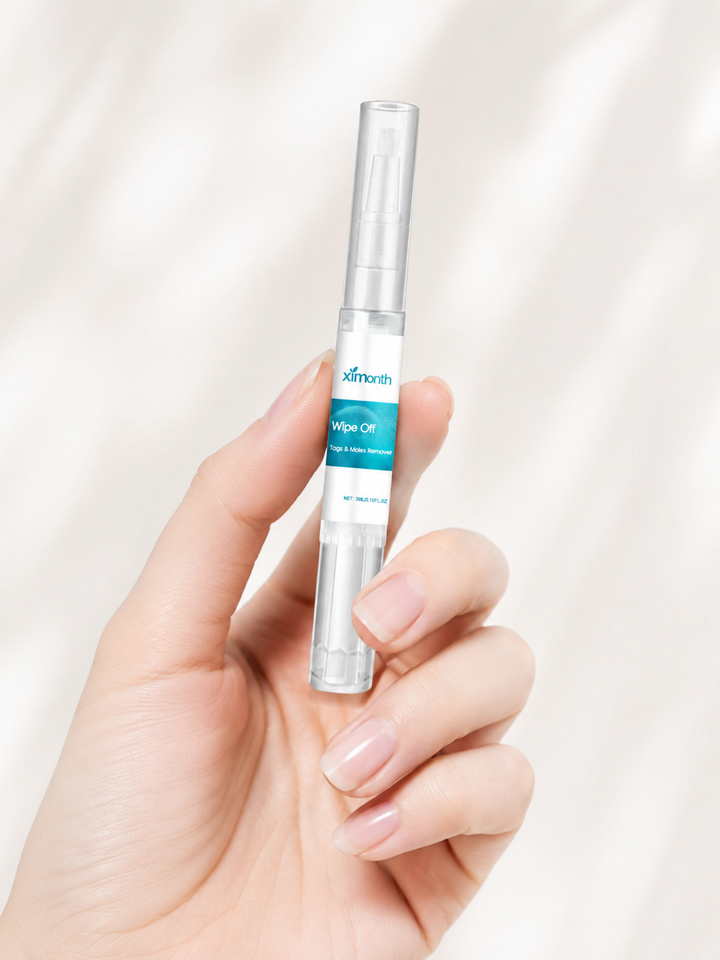


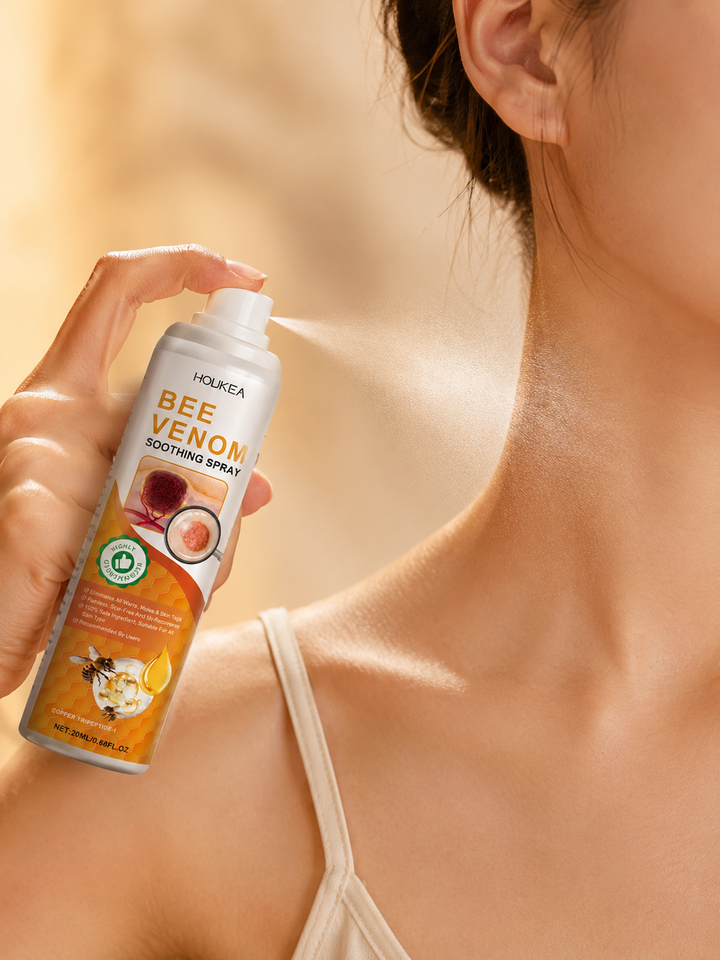
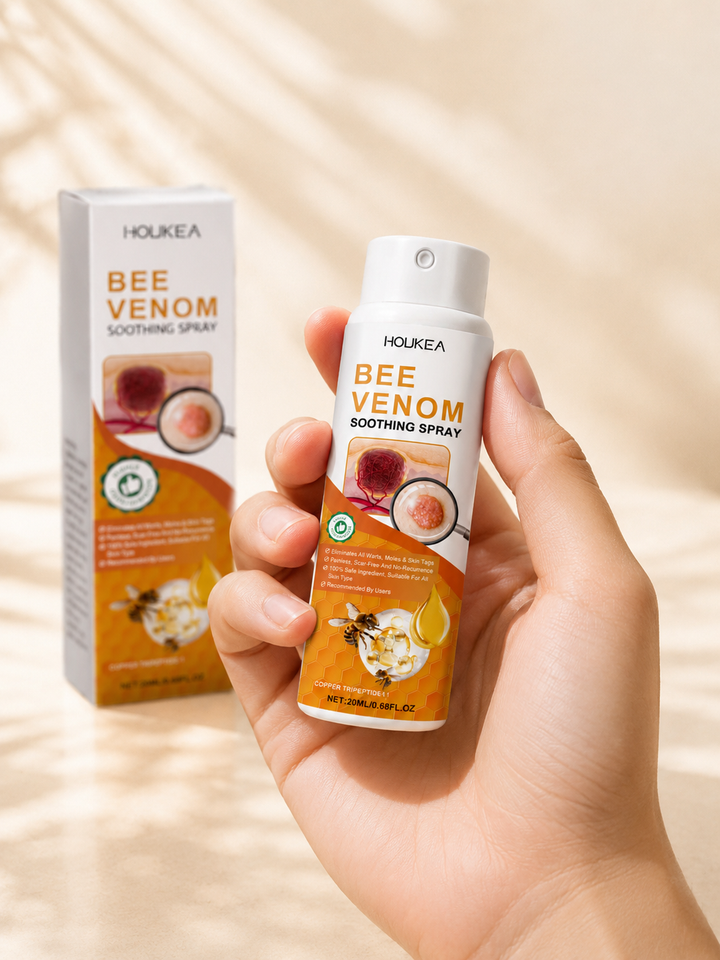

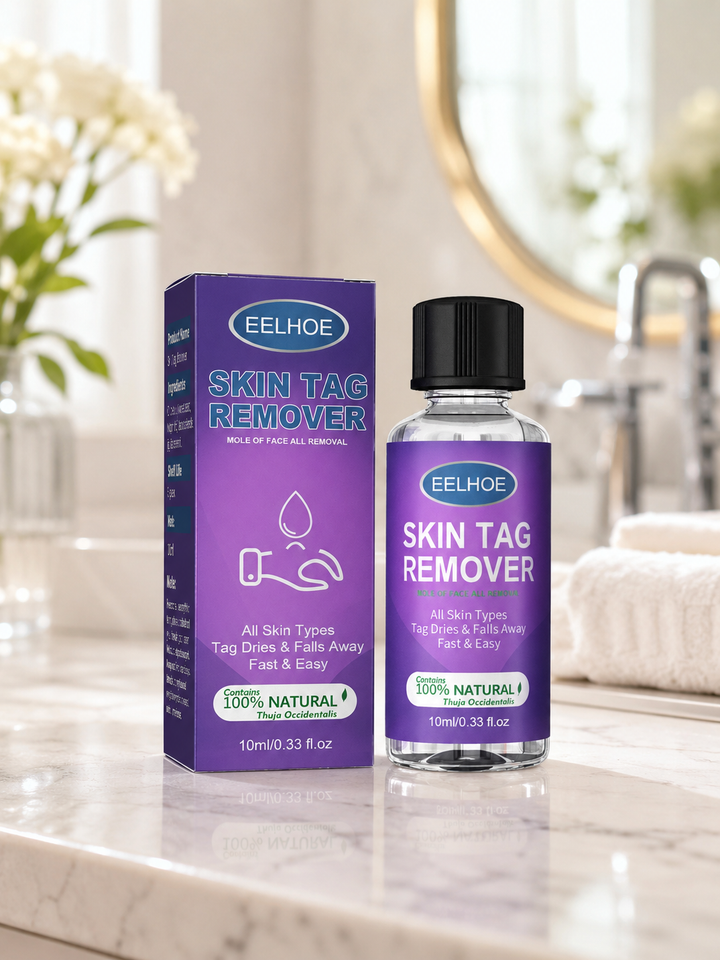
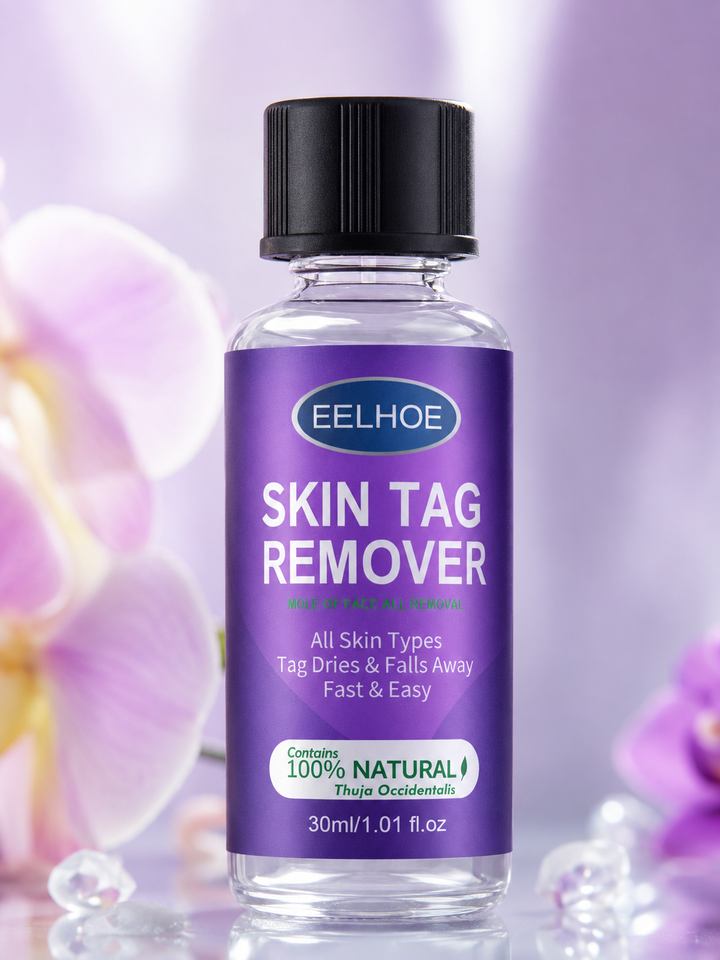



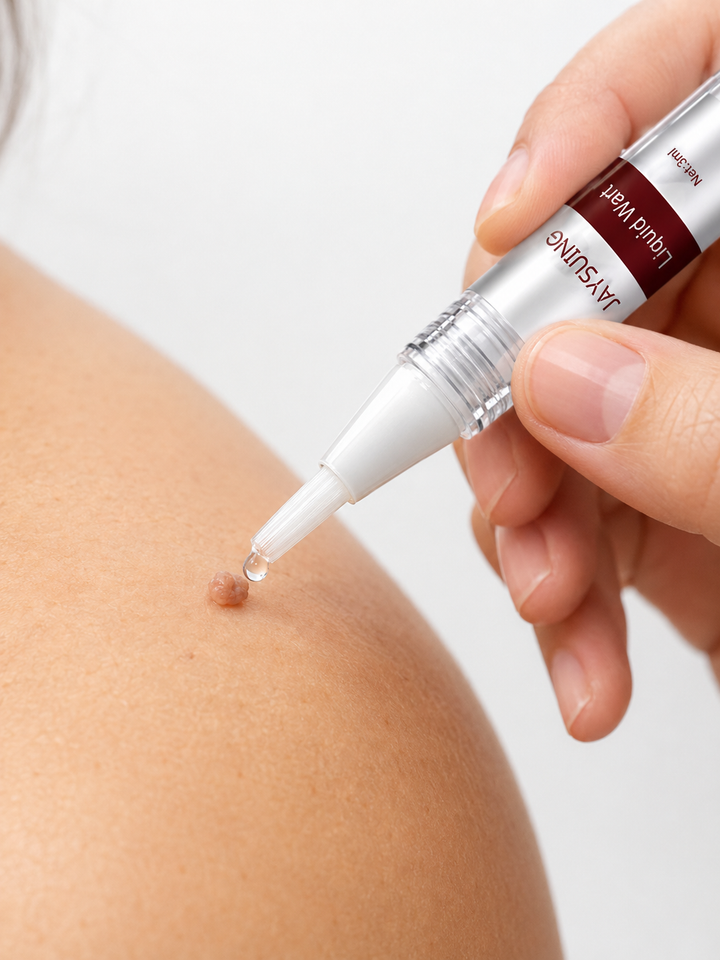
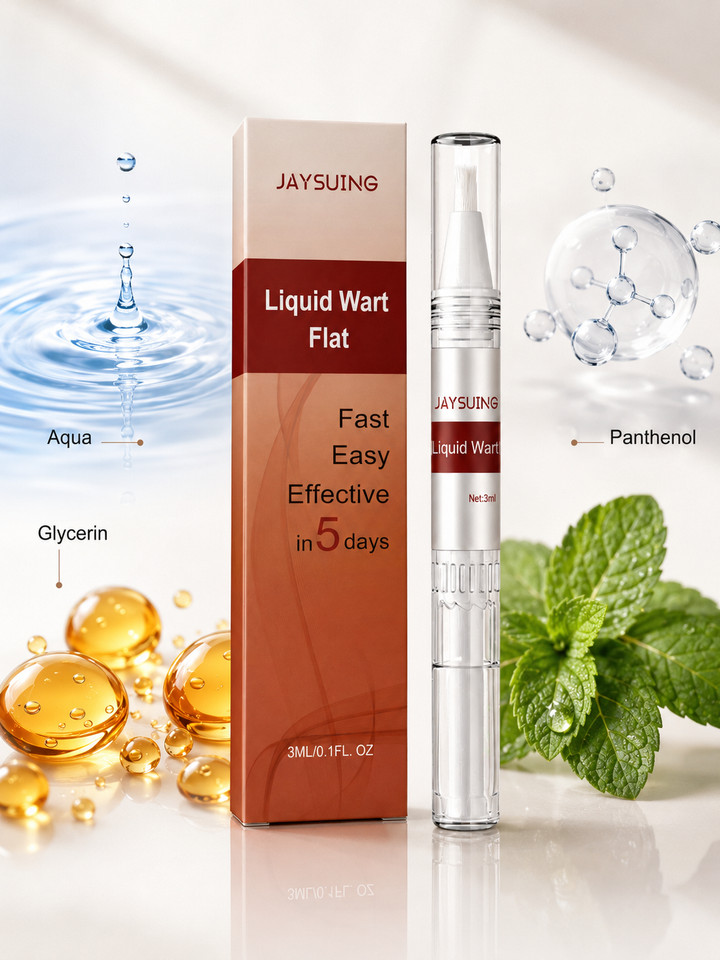

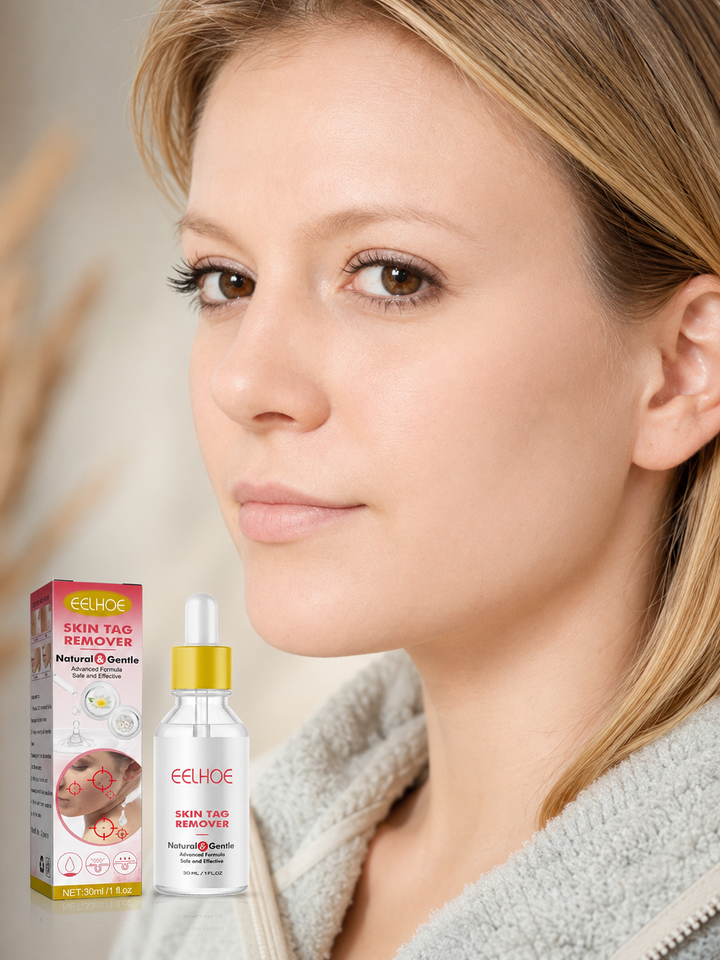
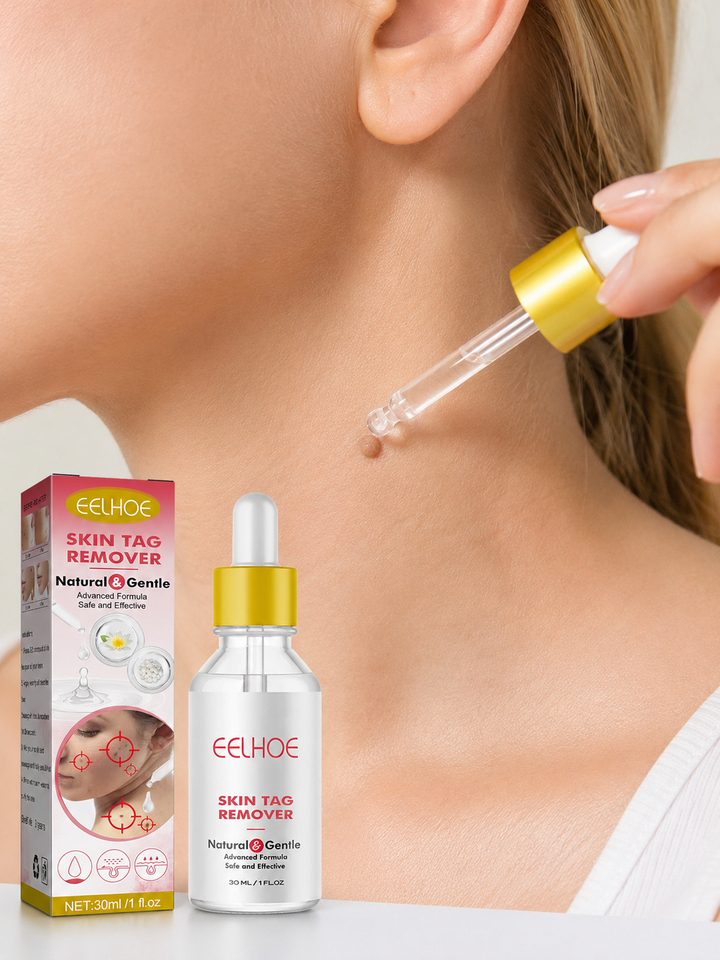
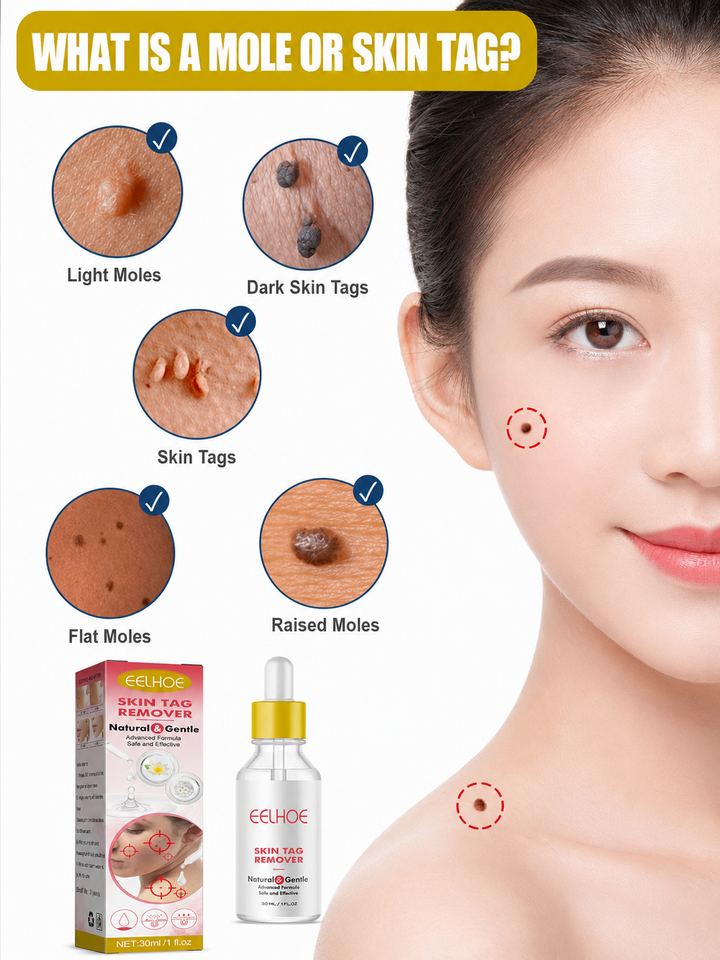

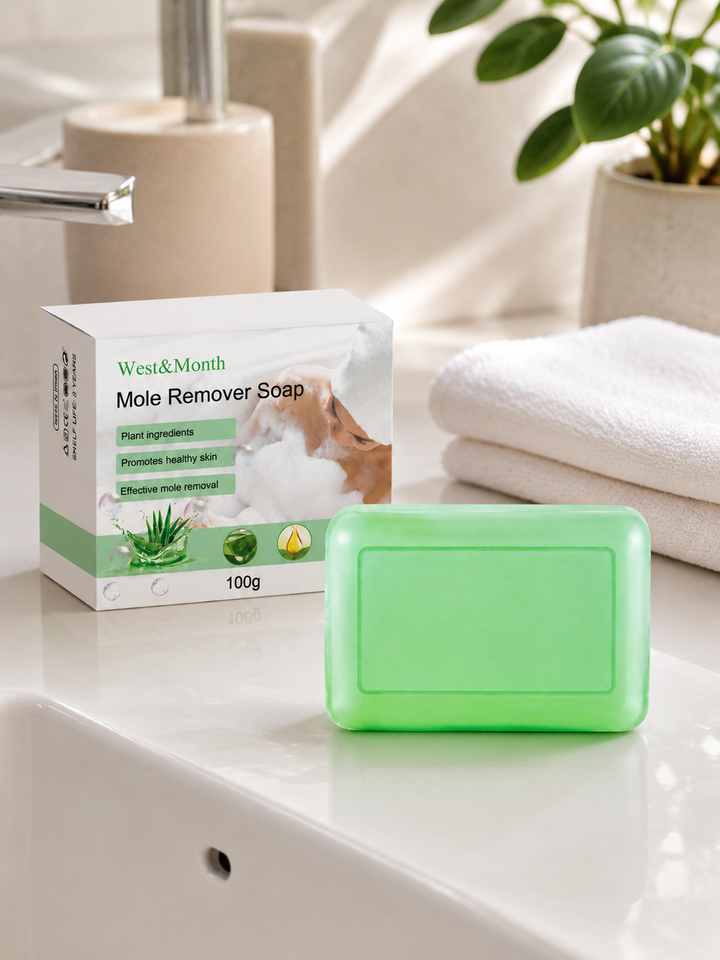
Shop over-the-counter options for warts, skin tags and mole-related skincare needs, including creams, ointments, patches, soaps, serums and removal pens. Before choosing a mole remover, remember that a changing, bleeding, painful or unusual mole should be assessed by a qualified healthcare professional rather than treated at home.
How do I choose a mole remover?
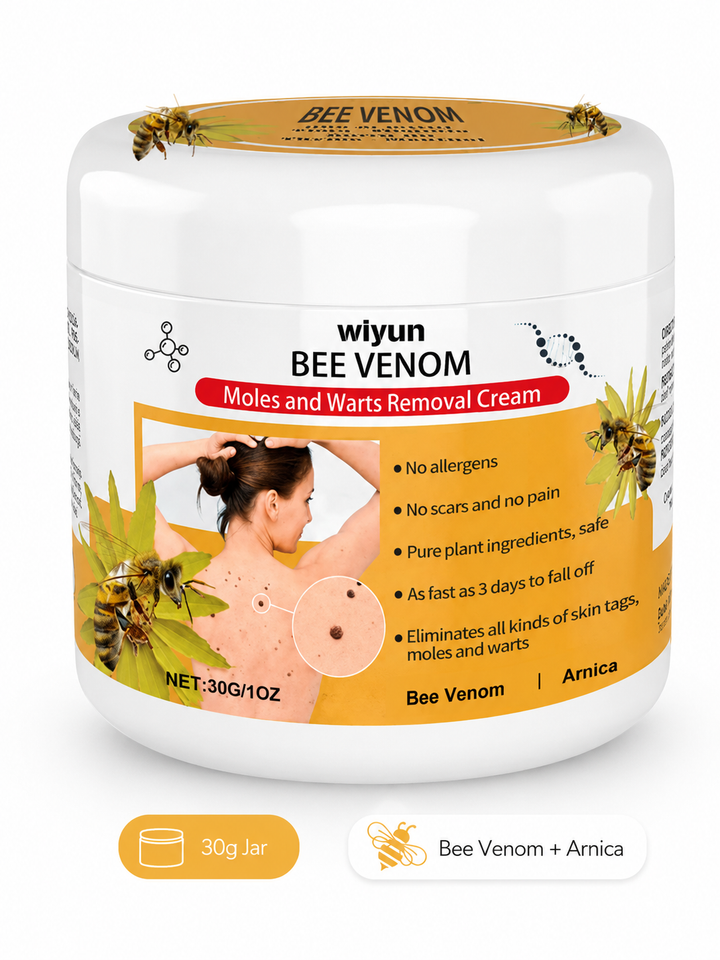
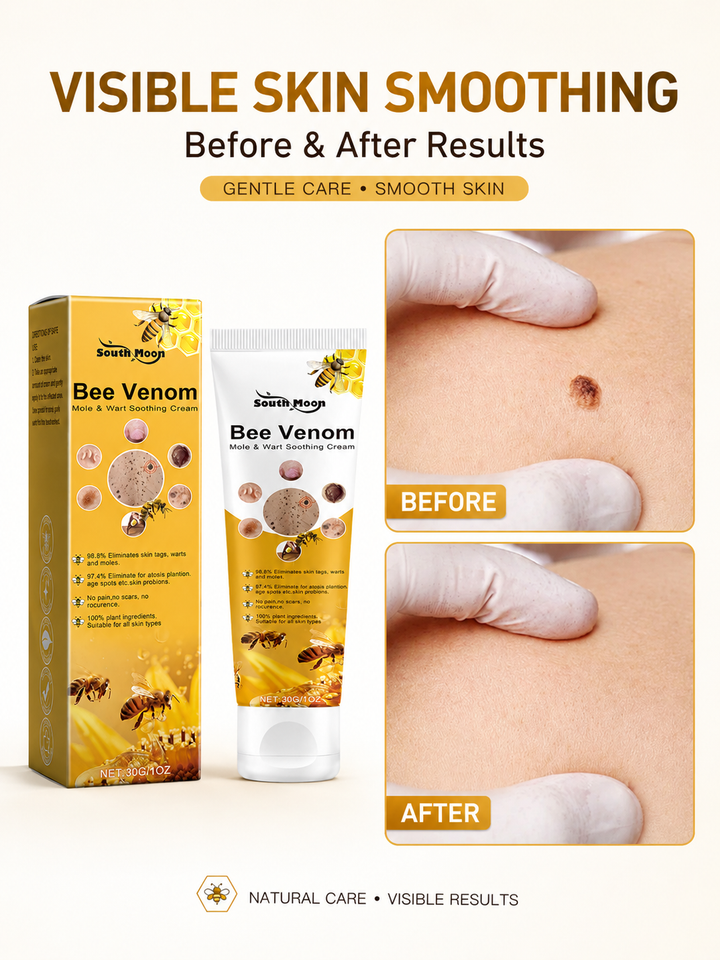
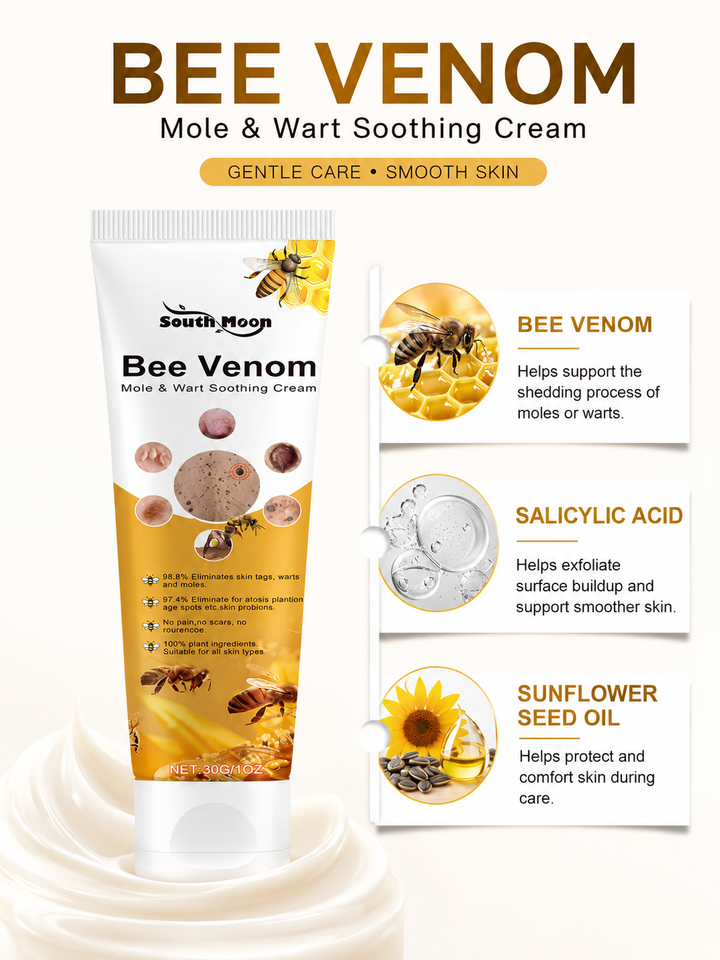
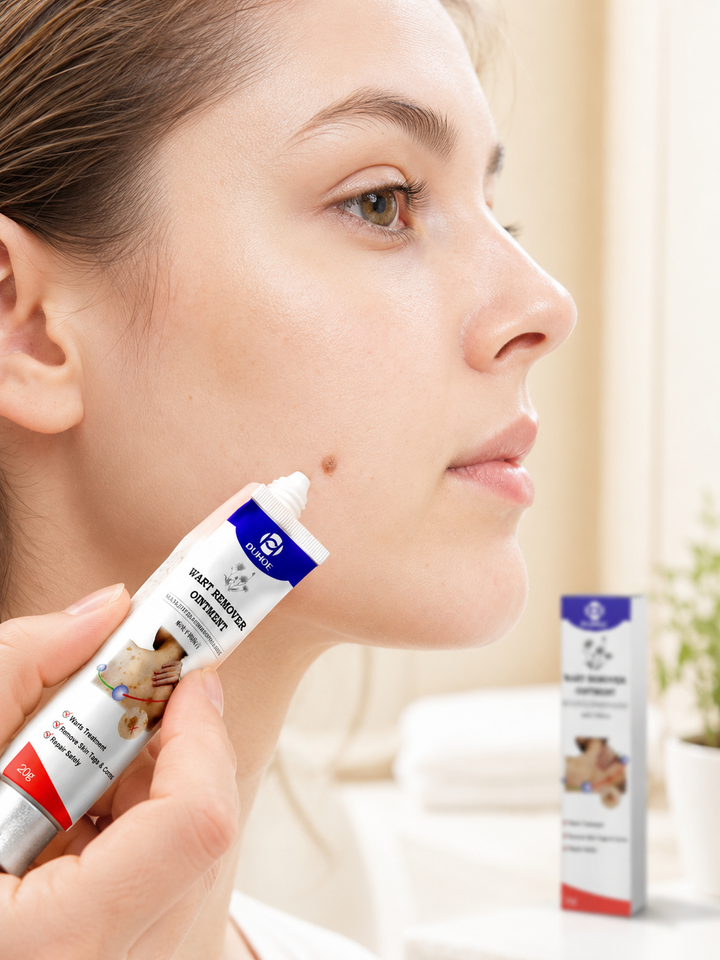
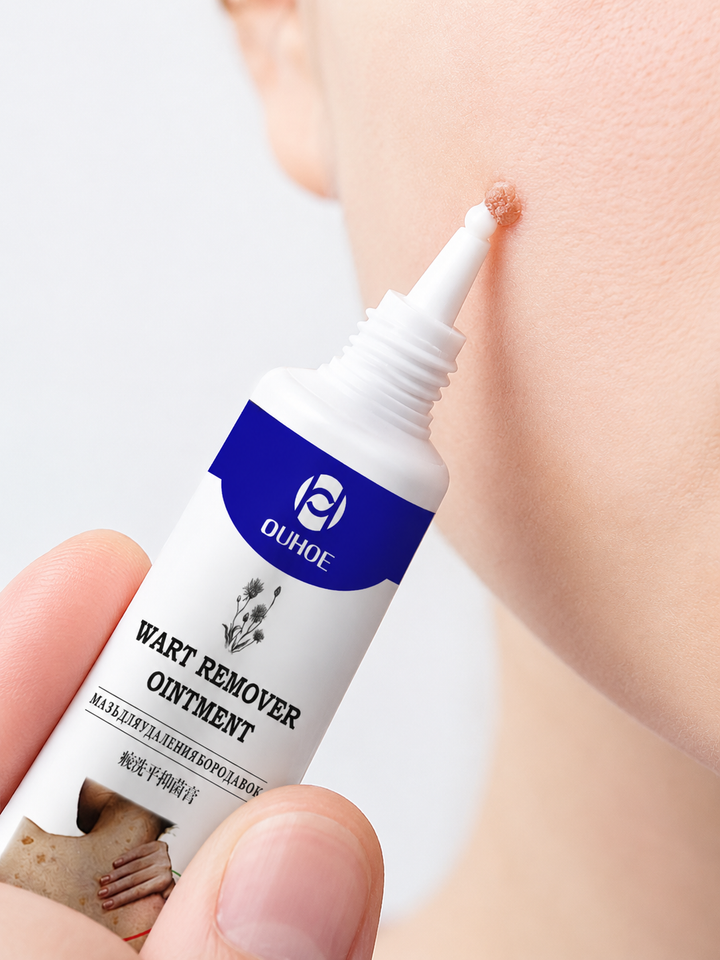
Start by identifying what you want to treat: a common wart, skin tag or a mole-like spot. This category includes products marketed for more than one concern, but not every formula is suitable for every area or skin type. Creams and ointments, such as Wiyun Beesvenom Creme and the Bee Venom Wart Removal Cream, are applied directly and may suit shoppers who prefer a leave-on product. Serums and soaps offer another routine-based option, while patches and pens provide more targeted application. Check the product directions, ingredients and warnings before buying. If you are searching for the best mole remover, prioritize clear instructions, a suitable applicator and a return policy over promises of instant or scar-free results.
Mole remover types compared: creams, patches, pens and more
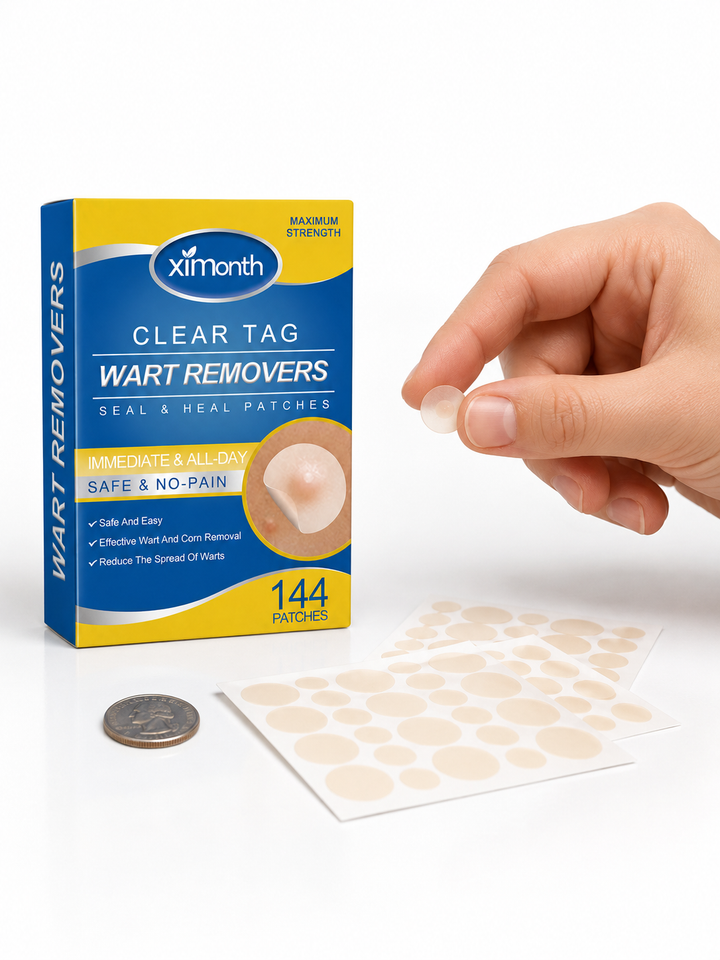
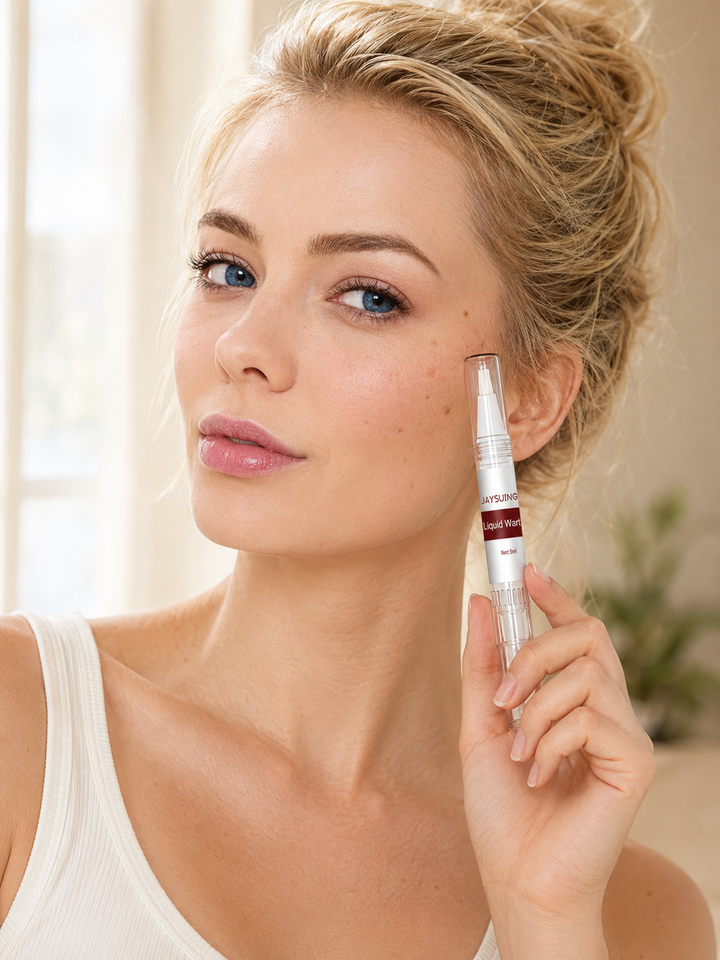
Creams and ointments are useful when you want to cover a small target with a fingertip application, while serums are designed for controlled drop-by-drop use. Mole remover patches can help keep a product in place and reduce contact with surrounding skin; the 144-patch Wart Removal Patches are suited to shoppers who want multiple ready-to-use covers. A liquid mole remover pen offers a narrow applicator for precise placement and may be convenient for occasional use. Soaps are easiest to add to a washing routine but provide less targeted application. Compare contact time, application frequency, included accessories and skin-area restrictions rather than choosing only by the format.
What should I look for in a mole removal cream?
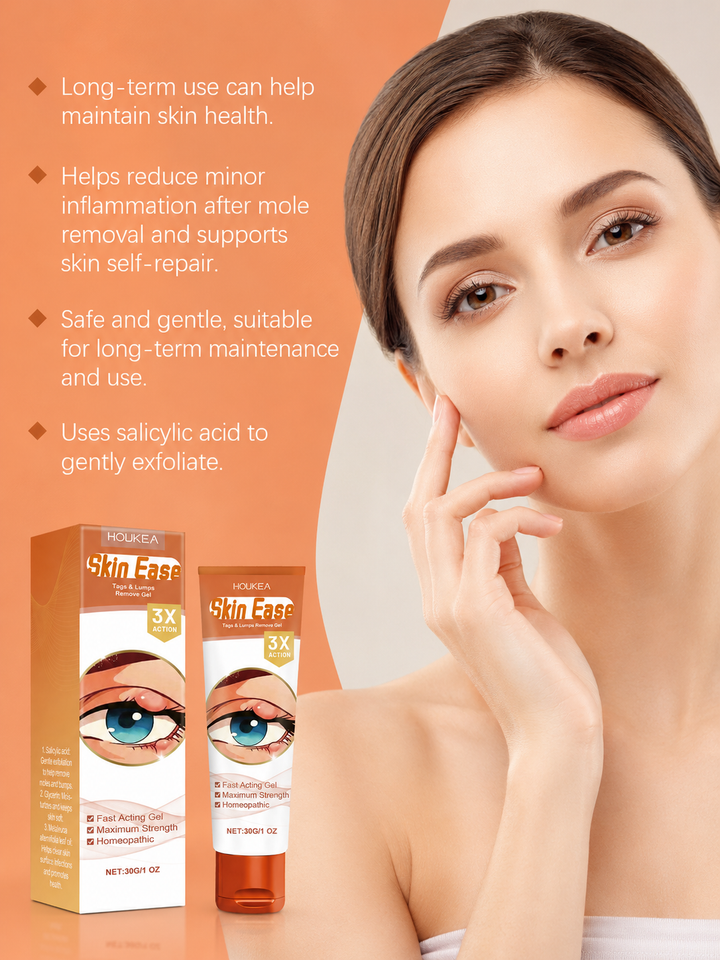
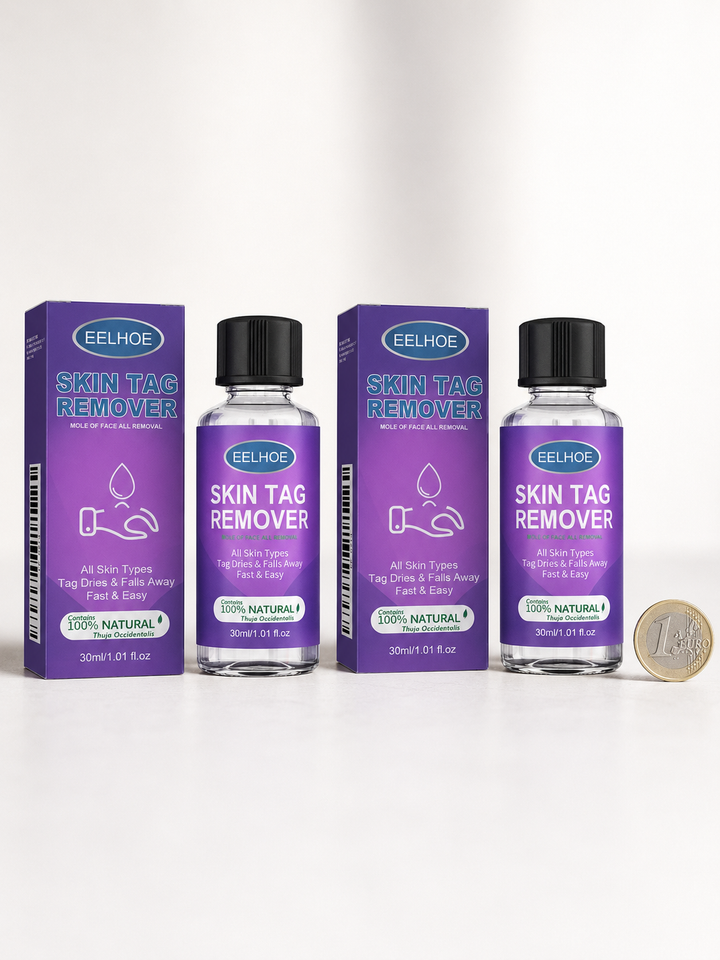
Read the full ingredient list and directions before choosing a mole removal cream. Look for a clearly stated application method, cautions about broken or irritated skin, and guidance for protecting the surrounding area. Products in this category include formulas featuring bee venom, thuja or other botanical ingredients, such as Skin Tag Remover with Thuja; natural wording does not automatically mean a product is risk-free or appropriate for every user. A narrow nozzle or pen can make spot application easier than a jar. Also check whether the product is intended for warts, skin tags, or mole-like marks, because marketplace descriptions may group these concerns together. Avoid listings that promise guaranteed permanent removal or conceal important safety information.
How do I use an at-home mole remover safely?
Follow the individual product label instead of combining treatments or extending the recommended contact time. Clean and dry the area, apply only to the intended spot, and keep the product away from eyes, lips, mucous membranes and broken skin. Wash your hands after use, and stop if you develop intense burning, swelling, blistering or a spreading rash. Do not cover an area with extra patches or use a pen, cream and ointment together unless the instructions specifically allow it. Take a clear photo before starting so you can monitor changes. Do not use an at-home remover on a spot that is changing in size, shape or colour, bleeding, crusting or painful; seek professional advice instead.
What are common mole remover mistakes?
A common mistake is treating every dark or raised spot as a mole, wart or skin tag without checking what it may be. Another is choosing a product because it appears in searches for mole remover Amazon, mole remover CVS or mole remover Walmart, then ignoring the actual label and seller information. Shoppers may also apply too much, treat surrounding skin, pick at a scab, or switch products before allowing the stated routine to finish. Hydrogen peroxide, cutting, burning and household acids are not suitable substitutes for a labelled product. Avoid products that make permanent-removal guarantees, and do not share applicators. If irritation persists, stop using the product and ask a healthcare professional for guidance.
Who is an at-home wart or mole remover suitable for?
These products may suit adults looking for a convenient option for a clearly identified, minor wart or skin tag and who are willing to follow product directions carefully. A cream, serum, patch or pen can be chosen according to the location, desired precision and preferred routine. They are not a substitute for professional assessment of an uncertain, changing, bleeding or painful mole. Take extra care with facial skin, sensitive areas, children, pregnancy, allergies and conditions that affect healing; check the label and seek professional advice where appropriate. If you want the best mole remover at home, first confirm that home treatment is appropriate, then compare the formula, applicator, instructions and warnings rather than relying on the product title alone.
Frequently asked questions
Can you remove your own moles?
Some products are sold for at-home treatment of mole-like spots, but removing a true mole yourself can cause irritation, scarring or delay assessment of a concerning change. Do not treat a spot that is changing, bleeding, painful, crusting or unusually shaped without first speaking with a qualified healthcare professional.
What is the most effective mole removal?
The appropriate option depends on what the spot actually is, where it is located and its appearance. Professional assessment is the safest starting point for a true or uncertain mole; over-the-counter products in this category are marketed mainly for warts and skin tags and should be used only as directed.
Can I remove moles naturally?
There is no reliable basis for assuming that natural ingredients will safely remove a mole. Products containing botanical ingredients, such as thuja, can still irritate skin, so follow the label and avoid applying them to an uncertain or changing spot.
Can you freeze off a mole at home?
At-home freezing products are generally designed for specific wart applications, not for diagnosing or treating every mole-like mark. Do not freeze an unidentified spot; ask a qualified healthcare professional whether home treatment is appropriate before using any freezing product.
Will hydrogen peroxide remove a mole?
Hydrogen peroxide is not a recommended substitute for a labelled wart or skin-tag product and may irritate or damage skin. Do not use household chemicals to burn or scrub away a mole; seek professional advice for a true or uncertain mole.
What kills moles permanently?
There is no universal over-the-counter product that guarantees permanent removal of every mole. A qualified healthcare professional can assess the spot and discuss an appropriate removal method when needed; avoid products promising guaranteed results or scar-free permanent removal.