
$64.90
Free delivery · 7–14 days
Mugwort Arm Patch Set for Toned, Sculpted-Looking Arms
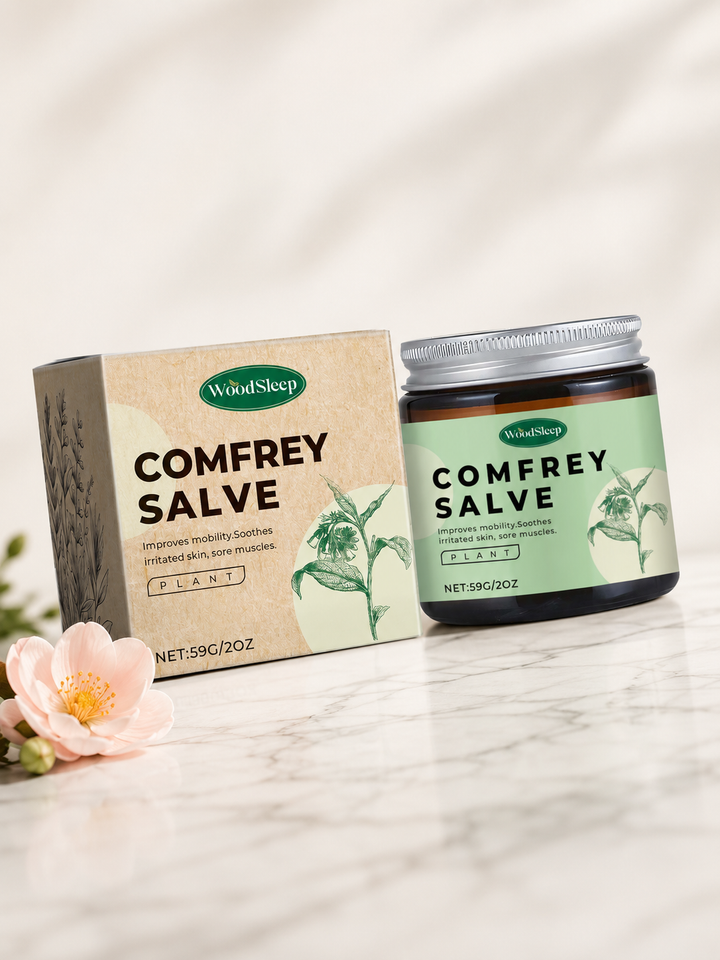


Herbal patches offer a convenient way to add plant-based comfort to a personal-care routine for sore throats, cough irritation, muscle discomfort, or facial stiffness. This category also includes related topical formats such as salves, creams, and sprays, so compare the application method, intended area, and directions before choosing.
Start with the area and concern you want to address. For throat irritation or cough discomfort, compare the Herbal Cough Relief Patch, Throat Soothing Patches, and Herbal Throat Patch by format, pack size, wear instructions, and whether the product is designed for daytime use. For muscles or joints, the Herbal Joint Salve is a rub-on alternative, while the Mugwort Arm Patch Set is intended for the arms rather than knees or other joints. Facial Stiffness Relief & Nerve Support Patches are designed for facial use. Read the full product directions and ingredient list, especially if you have sensitive skin. Shoppers comparing herbal patches for pain relief or Chinese herbal patches should focus on fit, placement, adhesive instructions, and comfort rather than assuming one product is the strongest.
Herbal patches in this category fall into several practical groups. Throat-focused patches are designed for sore-throat comfort, throat itching, or cough-related irritation and include the Herbal Cough Relief Patch, Throat Soothing Patches, and Herbal Throat Patch. Topical comfort products for muscles include the Herbal Joint Salve, while the Mugwort Arm Patch Set has a specific arm-focused use. Facial patches are intended for facial stiffness and nerve-support routines. The Sore Throat Cream offers a cream format, and the Lung Cleansing Spray provides a spray format for throat comfort. If you are comparing herbal patches for muscle pain, Chinese herbal patches for knee pain, or herbal knee pain relief patch options, check whether the product is actually intended for that body area before ordering.
Check five details before buying: intended body area, ingredients, application method, wear or use directions, and pack contents. A patch should clearly explain where it belongs and whether it should be applied to clean, dry skin. Look for ingredient information if you are avoiding particular botanicals, fragrances, adhesives, or other components. For throat products, confirm whether the item is a patch, cream, or spray and follow its specific directions. For muscle or joint comfort, compare a patch with the rub-on Herbal Joint Salve based on your preferred routine. Reviews can help you assess ease of use, scent, adhesion, and comfort, but herbal knee patches reviews are personal experiences, not a guarantee of results. Terms such as best Chinese pain relief patch should not replace careful product comparison.
Read the product instructions before applying any patch, cream, or spray. Use patches only on the stated area, and apply them to clean, dry, intact skin unless the directions say otherwise. Do not place a topical patch over cuts, rashes, irritated skin, or areas with an unknown reaction. Wash your hands after handling products and avoid touching your eyes or mouth. If a patch causes burning, itching, swelling, or marked redness, remove it and stop using the product; seek professional advice if the reaction is severe or does not settle. Keep products away from children and store them as directed. Throat products are not interchangeable: use the Herbal Cough Relief Patch, Throat Soothing Patches, Herbal Throat Patch, cream, or spray only according to its individual instructions.
A common mistake is choosing by the word pain alone without checking the intended area. An arm patch is not automatically a knee patch, and a throat patch is not a substitute for a muscle product. Another mistake is treating online phrases such as saluvera pain patches review, strongest patch, or number one pain patch as proof of performance; compare the actual ingredients, directions, format, and user experience instead. Do not apply more than directed, combine multiple topical products on the same area without guidance, or use a patch on damaged skin. Also check whether you are buying a single-use patch, a multipack, a cream, or a spray. If your symptoms are severe, persistent, worsening, or unusual, ask a qualified healthcare professional rather than relying only on an herbal product.
Herbal patches may suit adults who prefer a targeted, easy-to-apply topical routine and who can follow product directions. The best choice depends on the concern: throat-focused products are intended for sore-throat or cough comfort, the Herbal Joint Salve is a rub-on option for sore muscles, and the facial patch is designed for facial stiffness and nerve-support routines. People with sensitive skin, known allergies, adhesive sensitivity, ongoing health conditions, or regular medicines should review ingredients and consider professional advice before use. Children, pregnant or breastfeeding people, and anyone with unexplained or serious symptoms should check suitability with a healthcare professional. Stop using a product if irritation develops. These products are for personal-care support and should not replace diagnosis or treatment when medical attention is needed.
Safety depends on the ingredients, adhesive, application area, and the individual user. Follow the product directions, check the ingredient list, and avoid applying patches to broken or irritated skin. Stop use if you develop a reaction and seek professional advice when needed.
There is no single herb that can be described as the most powerful for everyone, and individual responses vary. Choose products by their listed ingredients, intended use, and directions rather than relying on strength claims or comparing unrelated herbal patches.
People with known allergies to the ingredients or adhesive, damaged or irritated skin, or a previous reaction to topical products should use caution and seek advice before applying a patch. Children, pregnant or breastfeeding people, and those with ongoing health conditions should check suitability with a healthcare professional.
Results vary by person, product, and the type of discomfort involved, so no patch can be guaranteed to work for everyone. Compare the intended body area, ingredients, directions, and reviews about comfort or ease of use, and seek medical advice for persistent or worsening symptoms.
There is no universal strongest option, and product strength should not be judged from marketing language alone. Check the ingredients and directions, use the product only as instructed, and ask a pharmacist or healthcare professional if you need help choosing a non-prescription option.
The right choice depends on the area, concern, ingredients, format, and your skin sensitivity. For example, a throat patch, facial patch, arm patch, and muscle-focused salve serve different purposes, so there is no single number one product for every shopper.