Heated Socks: Thermal Warm Socks for Skiing & Cold Feet
5 items



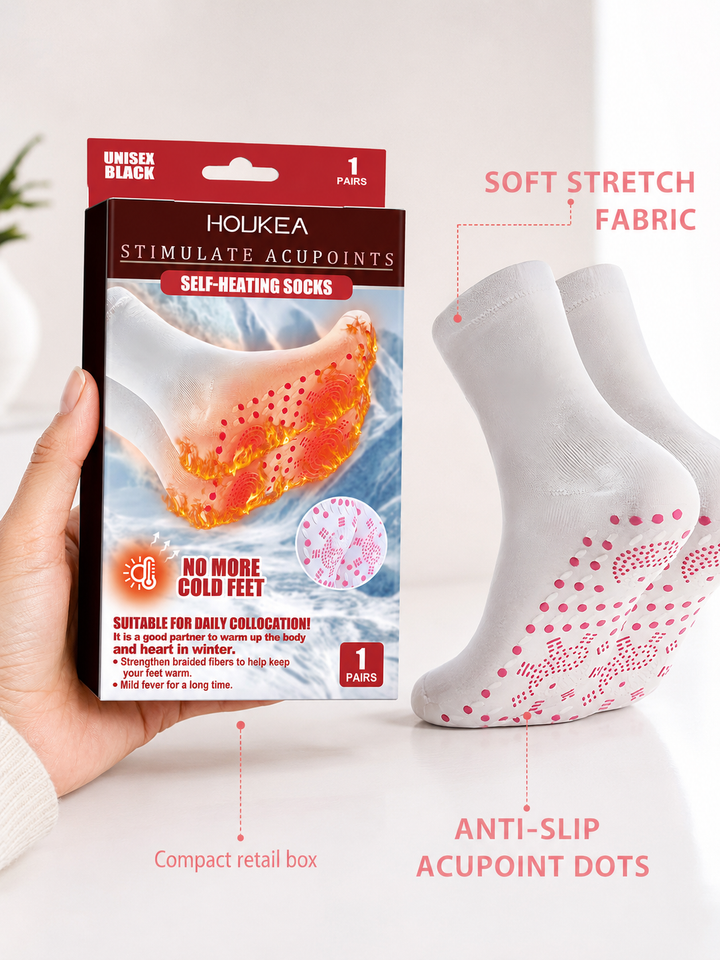
Heated socks and thermal warming socks can make cold-weather activities more comfortable, especially when skiing, commuting, or spending time outdoors. This category also includes non-electric options for warmth, moisture control, cushioning, and foot comfort, so compare the construction and intended use before choosing.
How to choose heated socks for cold feet
Start by deciding whether you need active heating or a non-electric thermal layer. Heated socks generally use a rechargeable battery and heating elements, while thermal, tourmaline, or self-heating styles rely on insulation and their fabric or insert design rather than a powered system. Check the product description for battery placement, control method, charging details, and care instructions before buying. Fit matters: socks should sit smoothly without bunching inside ski or work boots, and the toe box should not feel cramped. If you are shopping for heated socks women may prefer, look for sizing that matches foot length rather than relying only on a general small, medium, or large label. For dry or irritated heels, moisturizing gel heel socks may be a useful separate comfort layer, but they are not heated socks.
Heated socks vs thermal and self-heating socks: which type is best?
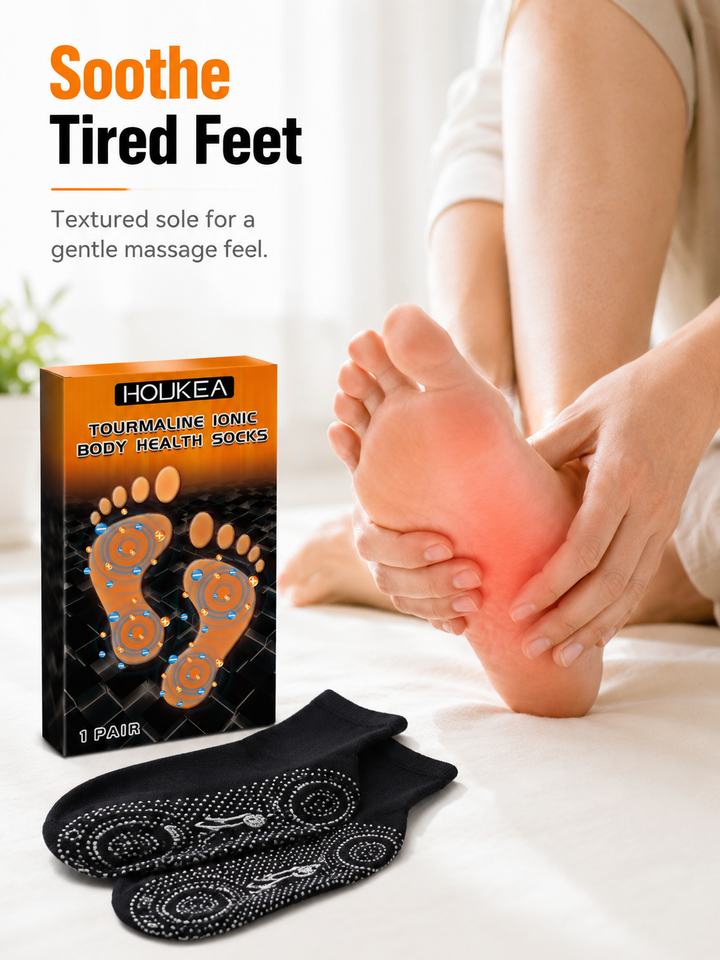
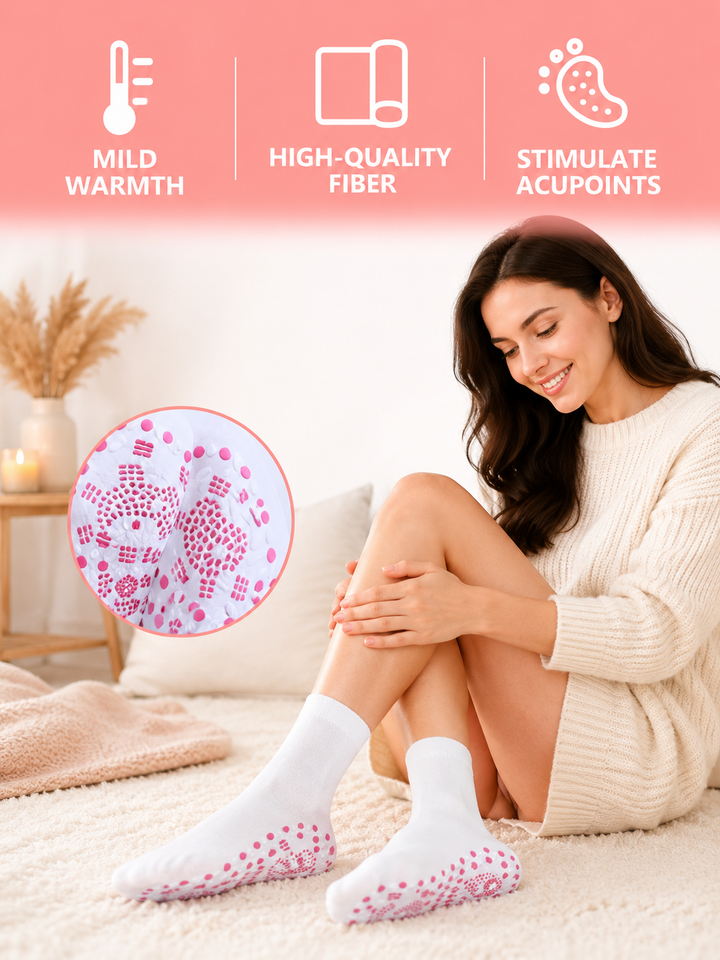
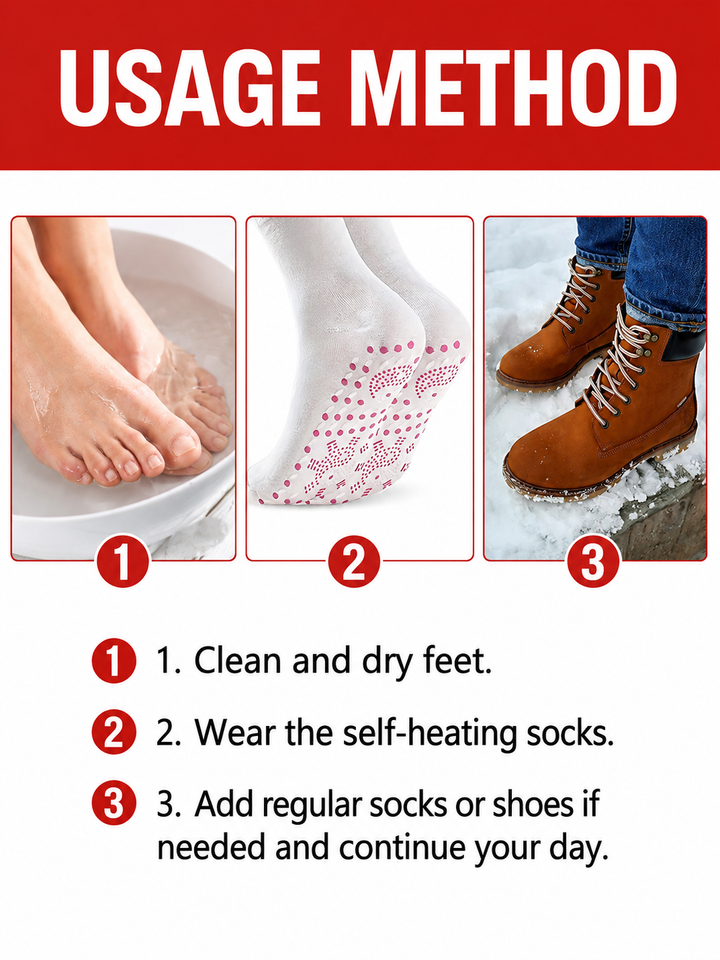
Rechargeable heated socks are designed for adjustable, powered warmth and may suit skiing, outdoor work, or long periods in cold conditions. Look for clearly stated controls, accessible battery pockets, and a design that fits comfortably under footwear. Tourmaline ionic thermal socks are a non-electric option intended to add warmth without charging, while self-heating acupoint socks are also designed around passive or self-activating warmth rather than a rechargeable battery. These options can be simpler to wear but do not provide the same type of electronic temperature control. Antifungal deodorant socks focus more on moisture and odor management than active warming. Compression socks for bunion comfort and moisturizing gel heel socks serve different purposes, so do not assume every warm-feeling sock is a substitute for heated socks.
What to look for in the best rechargeable heated socks
When comparing the best rechargeable heated socks, check the complete system rather than focusing only on the heating claim. Confirm what is included, such as batteries, a charger, or a remote, and identify whether the controls are built into the sock, attached to the battery, or operated through a rechargeable heated socks with remote setup. Review the stated operating guidance and charging process, then consider whether the battery area will fit comfortably beneath your boots. A shaped toe, stretchable cuff, and smooth seams can reduce pressure during skiing or walking. Moisture-wicking fabric is useful when activity causes sweating, because damp socks can feel colder. Also check washing instructions: removable batteries and electronics typically require different care from the sock itself. Avoid listings that do not explain fit, controls, or safe use clearly.
How to use heated socks safely and comfortably
Read the supplied instructions before the first use and charge the battery as directed. Wear the socks with footwear that leaves enough room for your feet and the battery components; overly tight boots can create pressure and reduce comfort. Start with the lowest practical heat setting, inspect the fabric and wiring for damage, and stop using the product if it feels uncomfortably hot, causes irritation, or becomes damaged. Keep batteries and connectors dry unless the instructions specifically allow otherwise, and remove electronic parts before washing when required. Do not fold, crush, cut, or modify the heating areas. Heated socks are best used while awake and able to notice changes in comfort. Avoid wearing them in bed unless the product instructions specifically allow overnight use and you can monitor them appropriately.
What are common mistakes when buying heated socks?
A common mistake is treating every warm sock as an electronically heated sock. Check whether the product actually contains a battery-powered heating system or is a non-electric thermal style. Another mistake is buying by shoe size alone; compare the sock size chart and make sure the cuff, heel, and toe fit without folds. Shoppers also overlook battery placement, charging time, remote compatibility, and wash instructions. Searching for heated socks Amazon or heated socks Reddit can reveal user preferences, but reviews may describe a different size, use case, or product version, so confirm details on the current listing. Do not layer thick socks inside tight ski boots, as reduced space can create pressure and restrict comfort. Finally, avoid expecting a deodorant, compression, or heel-care sock to perform the same job as a powered warming sock.
Who should buy heated or thermal warming socks?
Heated socks may suit skiers, winter hikers, outdoor workers, commuters, and anyone whose feet become uncomfortable during cold-weather activities. They are especially practical when you want adjustable warmth and are willing to recharge and care for a battery system. Non-electric tourmaline thermal socks or self-heating acupoint socks may be a better match for shoppers who prefer a simpler setup without charging. Antifungal deodorant socks may suit people prioritizing moisture and odor management, while moisturizing gel heel socks focus on dry heel comfort. Compression socks for bunion support are a separate choice and should be selected for their fit and intended function, not simply because they cover the foot. If you are considering heated socks for a child, older adult, or someone with reduced ability to sense temperature, follow the product guidance carefully and consider advice from a qualified healthcare professional.
Frequently asked questions
Are heated socks worth buying?
They can be worthwhile if you spend substantial time in cold conditions and want adjustable warmth without adding bulky layers. They require charging, careful washing, and a comfortable fit, so a non-electric thermal sock may be a better value if you prefer simple, maintenance-free use.
What are the best heated socks to buy?
The best choice depends on fit, heating controls, battery setup, care instructions, and intended activity. For skiing or outdoor work, prioritize a low-bulk design that fits inside your footwear; for occasional use, compare rechargeable convenience with non-electric thermal or self-heating alternatives.
Is it okay to wear heated socks in bed?
Do not assume heated socks are suitable for sleeping. Use them in bed only if the specific product instructions explicitly permit it, and stop using them if they become uncomfortable or damaged; non-electric warm socks may be a simpler bedtime option.
Do warming socks work?
Warming socks can help your feet feel warmer, but the experience depends on the design, fit, footwear, battery level, and surrounding temperature. Powered heated socks provide active heat, while thermal and self-heating socks provide warmth through insulation or non-electric construction.
How long do heated socks stay warm?
Warmth duration varies by battery capacity, heat setting, temperature, footwear, and the specific product. Check the listing and instructions for the stated operating guidance, and remember that a higher setting generally uses more battery than a lower setting.
Why should seniors wear socks to bed?
Some older adults may prefer warm socks at bedtime because they can make cold feet feel more comfortable. Heated socks should not be used overnight unless the manufacturer specifically allows it; choose a comfortable, non-tight pair and seek professional advice when temperature sensation or circulation is a concern.