Hangover Relief: Best Hangover Cure Patches & Instant Remedies
5 items


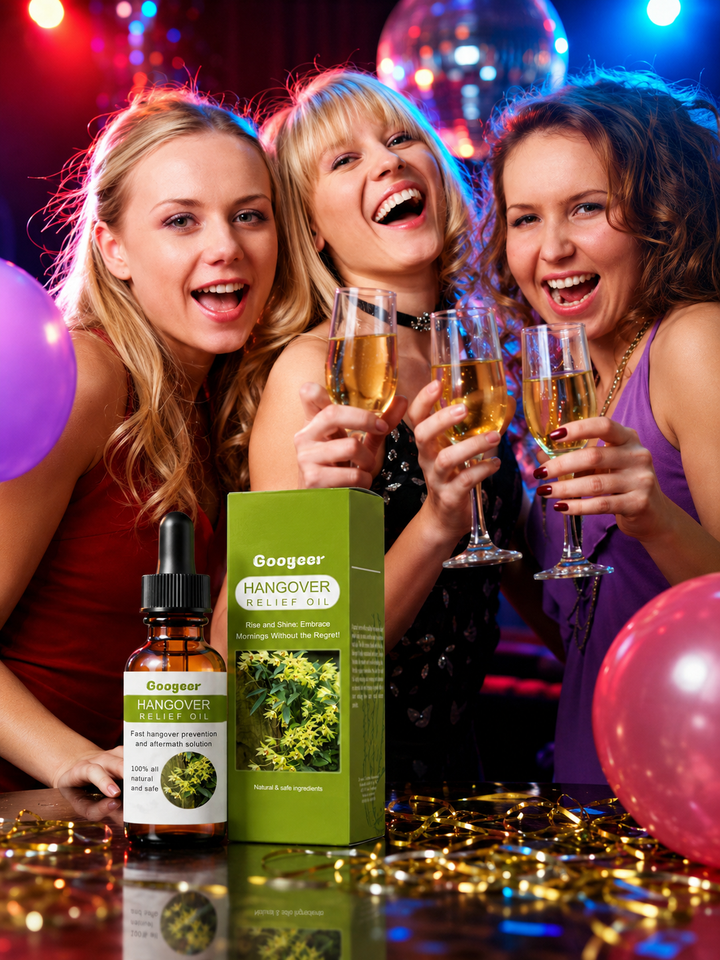
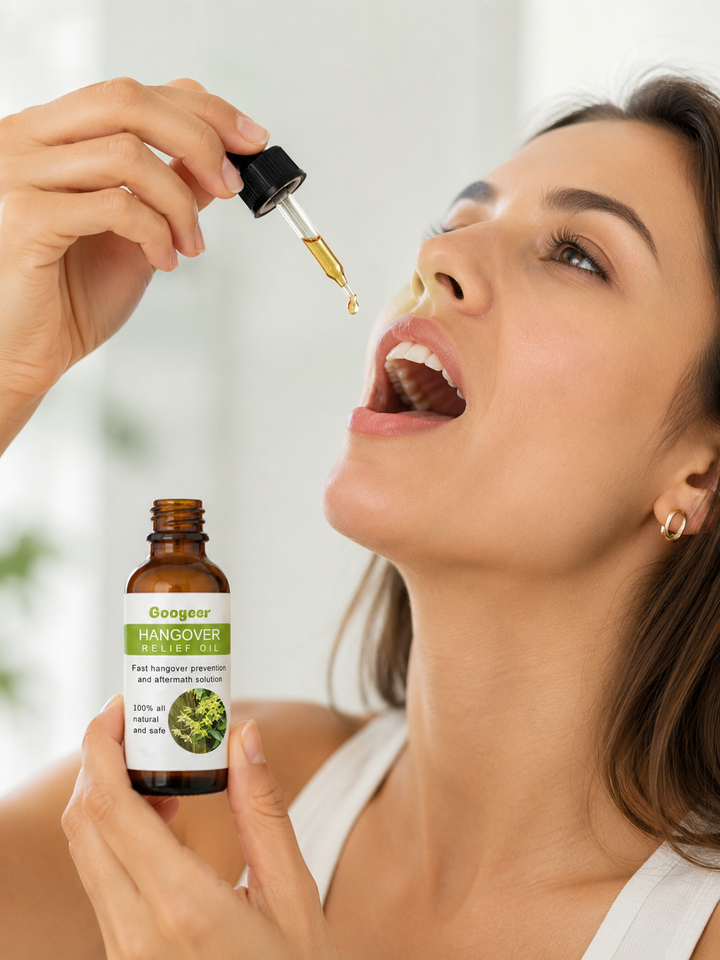
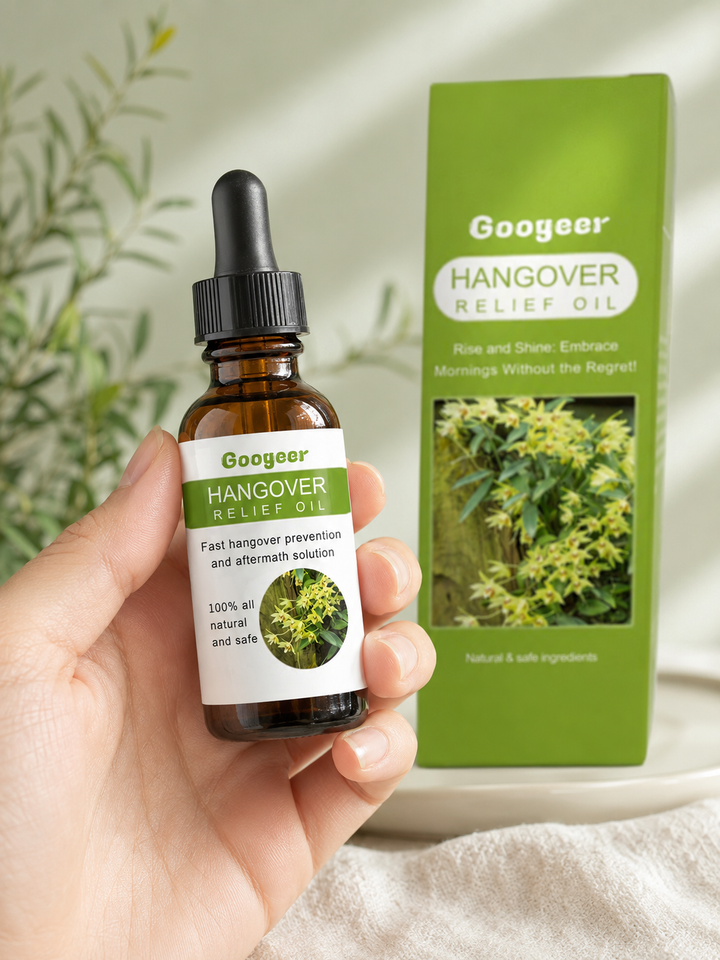


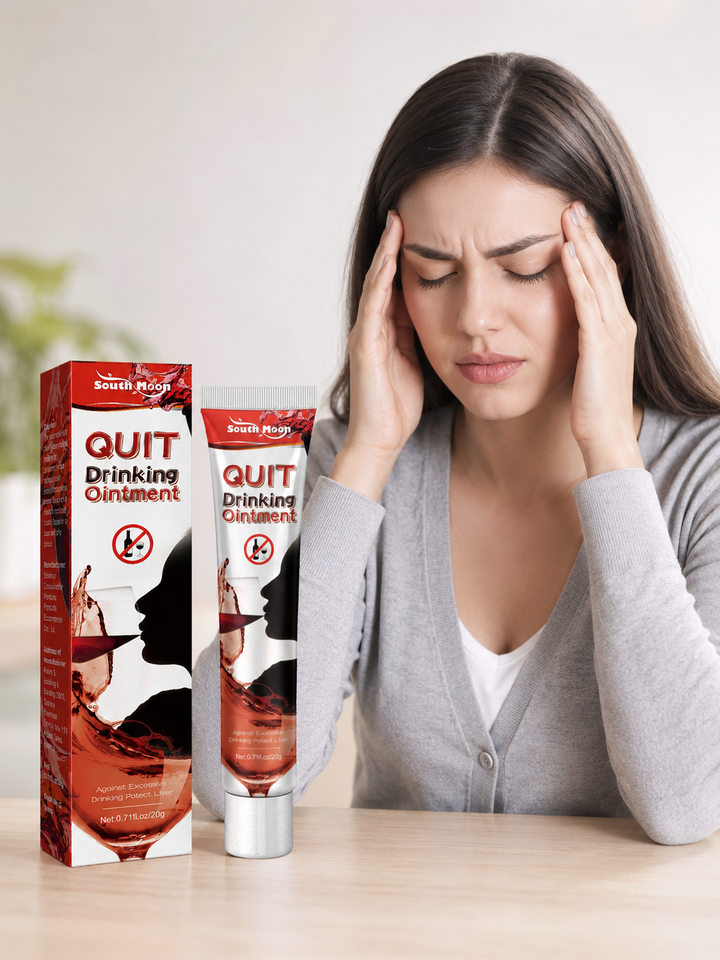

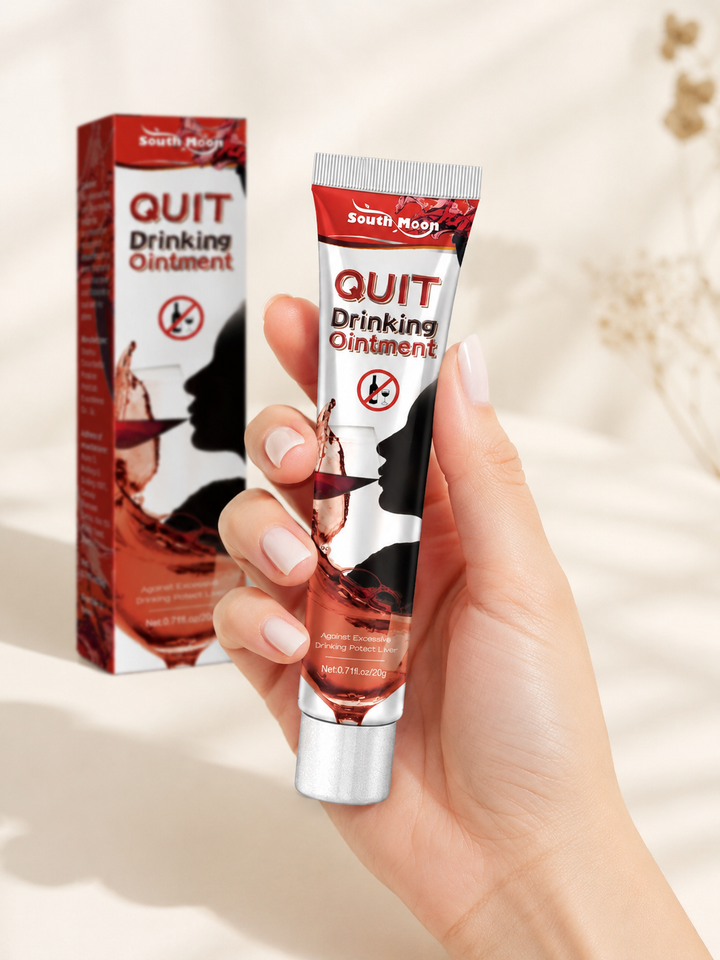


Hangover relief products can help you plan for common after-drinking discomfort, but no patch, capsule, oil, or ointment can guarantee an instant cure. Compare the format, ingredients, timing, and directions carefully, and support any product with water, food if tolerated, rest, and avoiding more alcohol.
How to choose hangover relief products
Start with the symptom you want to manage and the format you are most likely to use correctly. Hangover relief capsules may suit shoppers who prefer a measured oral serving, while a vitamin B hangover patch or hangover patch may be more convenient before or during a party. An oil or topical ointment is designed for external use and may appeal if nausea or fatigue makes swallowing difficult. Check the full ingredient list, serving instructions, allergens, dietary requirements, and warnings before buying. Be cautious with claims such as “95% recovery in 30 minutes” or “instant remedy”: product descriptions do not replace reliable evidence, and results can vary. If you take medicines, have a health condition, are pregnant, or are unsure about an ingredient, ask a pharmacist or clinician first.
What types of hangover relief are there?
Capsules are taken by mouth and may be convenient at home, but they require you to follow the serving instructions and check whether the ingredients suit you. Patches are applied to clean, dry skin and can be useful for shoppers who want a hands-free option, including a vitamin B hangover patch or a patch marketed for use while you party. Oils and topical ointments are rubbed onto the skin according to their labels and should not be swallowed or applied to irritated areas unless the directions allow it. These products are not interchangeable: a topical product is not a substitute for an oral product, and a patch should not be cut, reused, or worn longer than directed. Choose based on application, portability, and ingredient preferences rather than a promise of a fast cure.
What to look for in hangover relief capsules and patches
For hangover relief capsules, look for a clear serving size, complete ingredient amounts, storage guidance, expiry information, and warnings about combining products. Avoid doubling up with another supplement that contains the same vitamins or herbal ingredients. For patches, check how long they should stay on, where to apply them, whether the adhesive suits sensitive skin, and what to do if redness or itching develops. A hangover relief oil or topical hangover relief ointment should state that it is for external use and provide application instructions. Consider packaging that is sealed, readable, and easy to carry. Avoid treating words such as “natural,” “prevention,” or “recovery” as proof that a product will prevent a hangover or work quickly. Clear directions and transparent ingredients are more useful buying signals.
How to use hangover relief products safely
Read the label before drinking alcohol and again before using a product after drinking. Use only the stated amount and timing; do not combine multiple hangover relief pills, capsules, patches, oils, or ointments unless a healthcare professional says it is appropriate. Apply patches, oils, and ointments only as directed, wash your hands after topical use, and stop if skin irritation occurs. Do not use a topical product internally, and do not place a patch on broken or irritated skin. Drink water as tolerated, eat a simple meal if you can, and rest. Do not drive, operate machinery, or make safety-critical decisions while impaired or unwell. Severe confusion, difficulty staying awake, seizures, slow or irregular breathing, or repeated vomiting after drinking requires urgent medical help rather than a hangover product.
What not to do while hungover
Do not try to cure a hangover fast by drinking more alcohol; this can prolong impairment and add risk. Avoid taking more than the label allows, mixing several products with overlapping ingredients, or using someone else’s prescription medicine. Be careful with pain relievers and other medicines after drinking, because alcohol and medicines can interact; ask a pharmacist if you are uncertain. Do not rely on Coca-Cola, coffee, energy drinks, or very sugary drinks as a guaranteed fix, especially if caffeine worsens shakiness, anxiety, or sleep problems. Avoid strenuous exercise if you feel dizzy, dehydrated, or weak. If vomiting continues, you cannot keep fluids down, or symptoms seem more serious than a typical hangover, seek medical advice. A patch, capsule, oil, or ointment is not a substitute for urgent care.
Who are hangover relief patches and remedies best suited to?
These products may suit adults who want a convenient addition to basic self-care and who can follow the label accurately. A patch can suit shoppers who prefer not to swallow a capsule, while capsules may be easier for those who want a stated serving. An oil or ointment may suit someone seeking a topical format for a particular sensation, such as nausea or fatigue, but it should be used only as directed and cannot treat every cause of feeling unwell. They may not suit people with adhesive or skin sensitivities, ingredient allergies, medication interactions, pregnancy, or relevant health conditions without professional advice. They are also unsuitable for children. If you are choosing a product for someone who is heavily intoxicated, unconscious, confused, or repeatedly vomiting, seek emergency help instead of giving a hangover remedy.
Frequently asked questions
How do you get rid of a hangover quickly?
There is no dependable 30-minute cure. Water or an oral rehydration drink if tolerated, light food, sleep, and time may help you feel more comfortable; a capsule, patch, oil, or ointment may be used only according to its label. Do not drink more alcohol to mask symptoms.
What not to do while hungover?
Do not exceed product directions, combine supplements without checking their ingredients, or drive while impaired or unwell. Avoid relying on more alcohol, excessive caffeine, intense exercise, or someone else’s medicine. Seek help if you have severe confusion, trouble staying awake, seizures, abnormal breathing, or persistent vomiting.
How can you cure a hangover in 30 minutes?
You cannot reliably cure a hangover in 30 minutes. Some products are marketed for fast relief, but individual results vary and claims should not be treated as guarantees. Use products only as directed and focus on rest, fluids as tolerated, and a simple meal if you can manage one.
What should you eat after drinking alcohol to avoid a hangover?
No food can guarantee that you will avoid a hangover after drinking. If you feel able to eat, choose simple, familiar foods such as toast, rice, soup, fruit, or another meal you tolerate, and drink fluids. Avoid forcing food if you are vomiting, and get medical advice if you cannot keep fluids down.
Why does Coca-Cola help hangovers?
Some people may find the sugar, fluid, or caffeine in cola temporarily appealing, but it is not a proven hangover cure. Caffeine can also worsen jitters or interfere with sleep for some people, and cola should not replace water or appropriate rehydration. Choose the drink you tolerate best and follow the product label if using a remedy.
What should you drink to fix a hangover fast?
No drink fixes a hangover instantly. Sip water or an oral rehydration drink if tolerated; broth or a non-caffeinated drink may also be easier for some people. Avoid more alcohol, and be cautious with energy drinks or large amounts of caffeine if you feel shaky, anxious, or dehydrated.