
$131.90
Free delivery · 7–14 days
Electric Epilator 3-in-1 At-Home Hair Removal Set


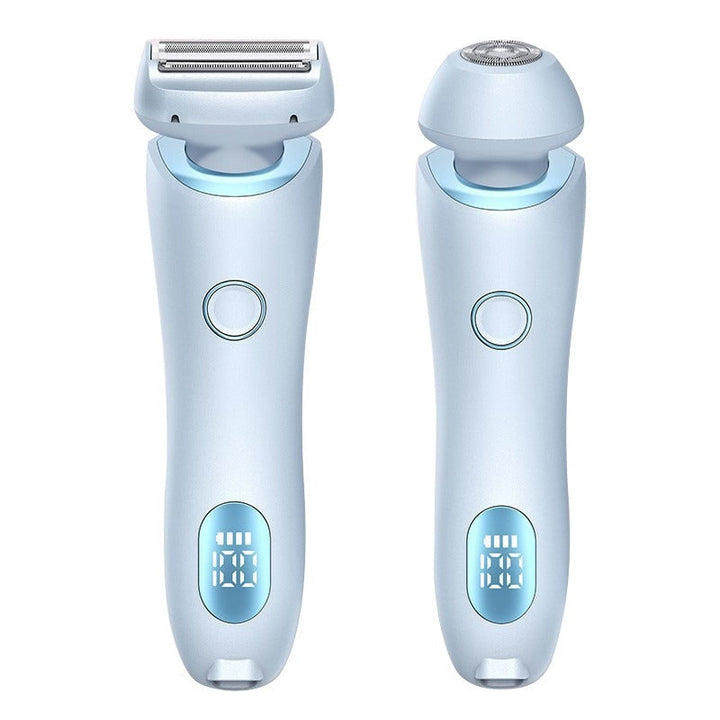
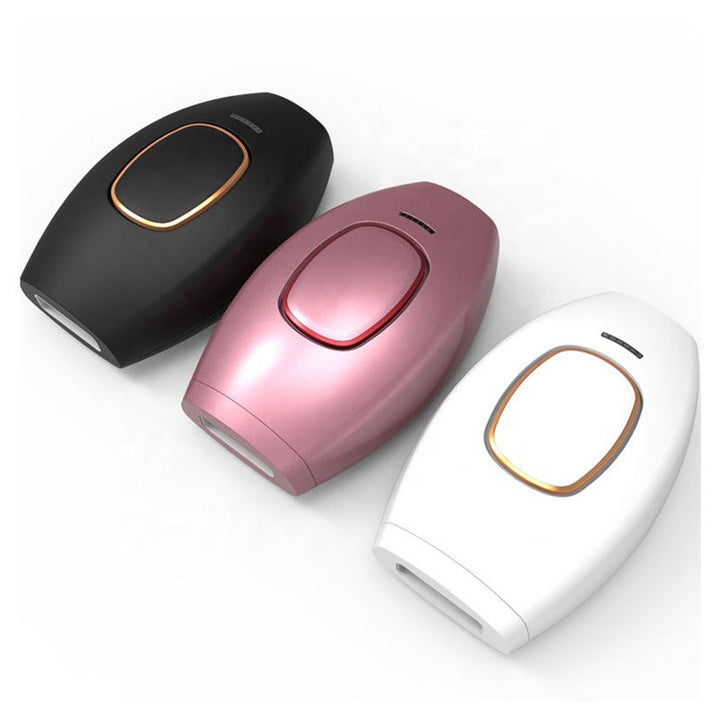


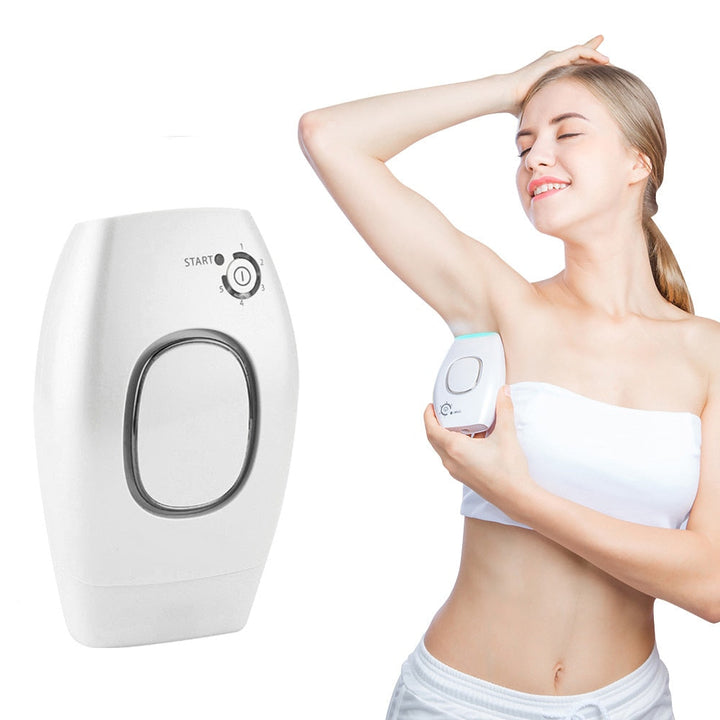
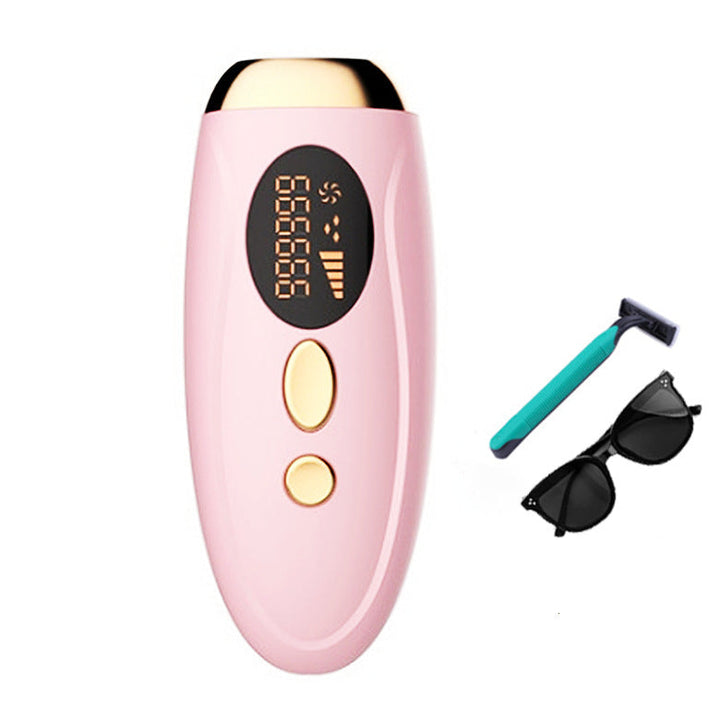

Hair removal devices cover several at-home options, from facial trimmers and wet-dry shavers to epilators and IPL tools. Compare the removal method, treatment area, comfort features, and maintenance routine before choosing a device for body, face, or more sensitive areas.
Start with the result and routine you want. Epilators remove hair from the root and can leave skin feeling smooth for longer than surface shaving, while electric shavers and groomers trim hair without pulling it out. Facial removers are compact for quick touch-ups, and IPL devices use light-based treatments intended to reduce visible regrowth over repeated use. Consider whether you need one tool for legs and body or a smaller device for facial hair. For private parts, choose a model specifically designed for body grooming and follow its area restrictions. A 3-in-1 or 5-in-1 set may suit shoppers who want trimming, shaving, and detailing in one device.
Electric epilators use rotating tweezers to pull hair from the root, making them useful for legs and larger body areas but potentially more intense than shaving. Two-head epilators can help cover more area or provide different handling options. Electric shavers and 5-in-1 groomers cut hair at the surface and are practical for regular maintenance, wet-dry use, and body detailing. Mini facial removers are made for discreet touch-ups around the face. At-home IPL hair removal devices are different from epilators and laser hair removal machines: they use flashes of light rather than mechanical tweezing. Read the product instructions carefully for suitable areas, hair colors, and skin tones.
For an epilator, look for a comfortable grip, washable or wet-dry construction when desired, multiple heads, and attachments suited to the areas you plan to groom. A facial cap or precision head can make smaller areas easier to manage. For an IPL device, check the treatment window, control settings, corded or cordless design, and whether the instructions explain skin-tone and hair-color compatibility. A body-and-face IPL model may be more versatile, but only use it on areas the manufacturer lists. For shavers, consider foil or rotary heads, a trimmer attachment, cleaning requirements, and whether the device can be used in the shower. No device guarantees permanent hair removal.
Read the included instructions before the first use and inspect the device for damaged heads, cords, or seals. With an epilator, begin on clean, dry skin unless the model is labeled for wet use; hold the skin taut and move the head slowly without pressing hard. With a shaver or groomer, use the attachment recommended for the body area and clean the head after use. For IPL, prepare the area as directed, select the appropriate setting, and keep the light window flat against the skin when instructed. Avoid using an IPL device over areas excluded in its manual. Clean, dry, and store every device according to its care instructions.
A common epilator mistake is moving too quickly or pressing too firmly, which can make the process less comfortable and miss hairs. Using the wrong attachment on the face, bikini line, or other delicate area can also lead to poor control. Do not share an epilator head without cleaning it as directed. With IPL, do not skip the device’s compatibility guidance, use it more often than recommended, or flash over tattoos, dark marks, or restricted areas listed in the manual. Avoid treating irritated, broken, or recently sun-exposed skin when the instructions advise against it. Patch-test or perform a small-area trial if the product directions recommend one.
These devices suit shoppers who want to manage facial or body hair at home without booking regular appointments. An electric shaver or mini facial remover is convenient for quick, low-fuss maintenance. An epilator may suit someone who prefers root-level removal and accepts a more hands-on process. Wet-dry models can fit shower routines, while multi-function groomers are useful when trimming, shaving, and detailing are all part of your routine. An IPL device may suit users prepared to follow a consistent schedule and product-specific safety guidance. If you have concerns about a skin condition, medication, unusual hair growth, or using a device on a sensitive area, ask a qualified healthcare professional before choosing a method.
The best choice depends on the area and how you want to remove hair. Choose an epilator for root-level removal, an electric shaver or groomer for quick surface trimming, a facial remover for small touch-ups, or an at-home IPL device if you prefer a light-based routine and can follow its compatibility instructions.
For a versatile routine, a multi-function groomer or 3-in-1 epilator set can cover several tasks with one device. For face-only maintenance, a mini facial remover is easier to handle, while a wet-dry shaver can be convenient for body grooming. Compare attachments, cleaning, power, and approved treatment areas.
They can remove or trim visible hair when used as directed, but results vary by method, hair type, area, and routine. Epilators pull hair from the root, shavers cut at the surface, and IPL devices require repeated use according to their instructions. No at-home device should be treated as a guaranteed permanent solution.
A dermatologist may discuss epilation as one possible hair-removal method, but suitability depends on individual skin and hair characteristics. Epilators can be uncomfortable and may not suit irritated or sensitive skin. Follow the device instructions, stop if you experience a concerning reaction, and seek professional advice when unsure.
A mini facial hair remover or precision electric trimmer offers controlled touch-ups without pulling hair from the root. An epilator may be preferred by some users who want root-level removal, while an IPL device requires checking facial-area compatibility and following its instructions. Consider comfort, visibility, ease of handling, and skin sensitivity.
Epilators pull hair from the root, so the process can feel more intense than shaving and may take practice. They require regular cleaning and careful handling around smaller or more sensitive areas. Using the correct attachment, keeping skin taut, and moving slowly can make the routine easier, but an epilator may not be the right fit for everyone.
No. At-home IPL devices use broad-spectrum flashes of light, while professional laser systems use a different light technology and are operated in clinical or salon settings. Product descriptions may use both terms casually, so check the device specifications and instructions to confirm the actual technology.