
$42.90
Free delivery · 7–14 days
Fishline Hair Extension for Long, Voluminous Wave Hair


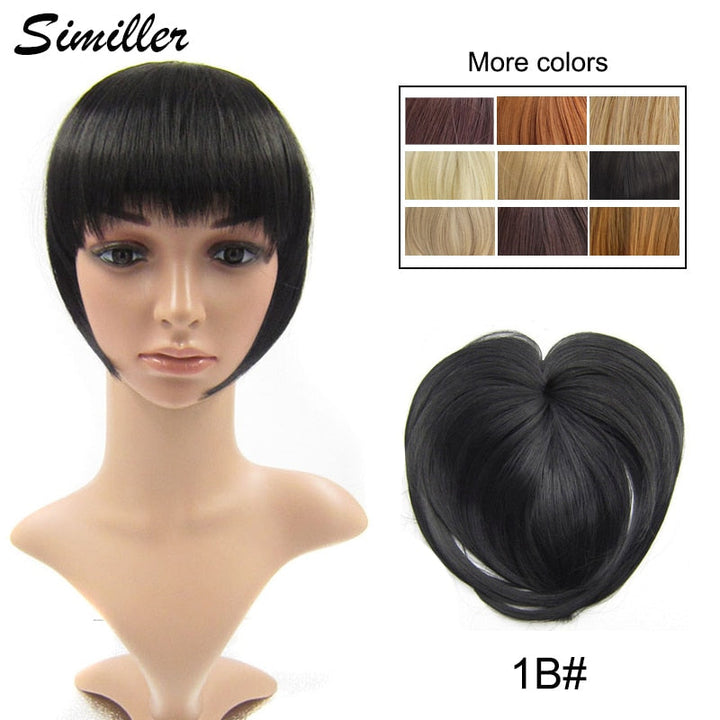


Hair extensions make it easy to change length, volume, texture, color, or fringe without committing to a permanent style. This collection includes ponytail wigs, braided ponytails, clip-in bangs, one-piece curly extensions, fishline wave extensions, synthetic braid pieces, and a holographic silk stripe extension.
Start with the look you want and how quickly you want to create it. For added length and loose texture, consider the Fishline Hair Extension for Long, Voluminous Wave Hair or the One-Piece Hair Extensions for Instant Long Curly Volume. A Braided Ponytail Hair Extension adds volume and a finished braid with minimal styling, while Colorful Ponytail Hair Extensions create a bold braid makeover. Choose Clip In Bangs Synthetic — Blunt Fringe Hairpiece in 9+ if you want to test a fringe without cutting your hair. For color effects, the Silk Stripe Hair Extension adds a 100cm holographic stripe. Match the extension color and texture to your natural hair, or choose a contrasting shade deliberately.
Clip-in hair extensions attach temporarily and are useful for occasional styling, events, or experimenting with length and fringe. One-piece and fishline designs can add broad coverage and volume, while ponytail wigs wrap around a tied ponytail for a fast, polished shape. Braided ponytails and braiding hair extensions are designed for protective-style looks and visible braid detail. Clip In Bangs Synthetic pieces change the front of your hairstyle without a salon appointment. Tape-in and halo hair extensions are other types shoppers may search for, but this category focuses on ready-to-wear clip-in, one-piece, ponytail, braid, and hairpiece designs. Check each product listing for attachment details, fiber type, and styling guidance before ordering.
Check the extension’s material, attachment method, length, texture, and color before buying. Synthetic pieces can offer strong color choices and a consistent shape, making them useful for braided styles, ponytails, bangs, and statement looks. Compare the product’s listed length with your own hair and consider whether the texture is straight, wavy, curly, braided, or fringe-based. Look for secure clips, a comfortable wrap or tie system, and enough coverage for the hairstyle you want. If you are searching for hair extensions human hair, confirm the fiber description rather than assuming every extension is human hair. If color matching is difficult, a contrasting braid, holographic stripe, or colorful ponytail can be easier to style intentionally.
Begin with clean, detangled hair and follow the product’s attachment instructions. For clip-in pieces, create a small section, secure the clips close to the roots, and cover the attachment area with your own hair. To use a ponytail extension, gather your hair into a firm ponytail, position the extension over it, and secure the wrap, tie, or fastener as directed. For braided pieces, prepare the base ponytail or braid first, then attach the extension so its weight is supported. Clip In Bangs Synthetic pieces should sit evenly along the front hairline; adjust the clips before styling the rest of your hair. Remove extensions gently after use and store them in a clean, dry place.
A common mistake is choosing a texture or color that does not blend with the intended hairstyle. Another is attaching too much weight to a small section of hair, which can make the style uncomfortable or cause the extension to slip. Avoid placing clips directly on a sensitive area, pulling during removal, or sleeping in a temporary piece unless its instructions specifically allow it. Do not use heat or water on synthetic fibers unless the product guidance says they are suitable. Ponytail and braid extensions also need a secure base; a loose ponytail may not support them well. Finally, do not treat all extensions like tape-in or salon-installed hair extensions, because attachment, washing, and styling instructions vary by product.
These extensions suit shoppers who want a temporary hairstyle change without booking a hair extensions salon appointment. Ponytail wigs and braided ponytails work well for quick updos, while one-piece curly and fishline wave extensions suit shoppers seeking visible length and volume. Braiding Hair Extensions for Bold Protective Styles are useful when creating a braid-focused look, and Clip In Bangs Synthetic pieces suit anyone curious about a blunt fringe. The Silk Stripe Hair Extension and Colorful Ponytail Hair Extensions are aimed at shoppers who want a noticeable color accent rather than a natural match.
How long they last depends on the product, frequency of use, storage, and care. Temporary clip-in, ponytail, braid, and bang pieces can remain useful through repeated wear when they are removed gently, kept detangled, and stored dry. Follow the individual product instructions because synthetic fibers and attachment systems have different care needs.
Hair extensions cost varies by material, length, construction, attachment method, and whether the style is a simple piece or a more detailed braid or ponytail. Salon-installed options may also include fitting and application charges, while ready-to-wear pieces are purchased separately from styling services. Compare the listed contents, dimensions, fiber type, and care requirements rather than judging by price alone.
The best choice depends on the style, attachment method, color, texture, and frequency of use you need. For this category, compare the product details for wave, curl, braid, ponytail, fringe, or color effects, then choose the piece that matches your intended look. Reviews can help you assess fit and handling, but always check the listing instructions and materials.
Temporary extensions can be easier to manage when they are fitted securely, not overloaded onto a small section, and removed without pulling. Discomfort, slipping, or excessive tension are signs to stop and adjust the style. Always follow the product instructions, and consider professional advice if you have specific hair or scalp concerns.
Possible drawbacks include extra styling time, maintenance, attachment visibility, tangling, and a weight or fit that may not feel comfortable for everyone. Synthetic pieces may have limits on heat and washing, while a color or texture mismatch can make blending difficult. Choosing the correct attachment method and removing the piece after use can help avoid common frustrations.
Washing instructions depend on the extension type and fiber, so check the product listing before getting it wet. Many temporary clip-in, ponytail, braid, and bang pieces are designed to be removed before washing your hair. If a product is washable, use only the recommended method and allow it to dry fully before storage or reuse.