$40.90
Free delivery · 7–14 days
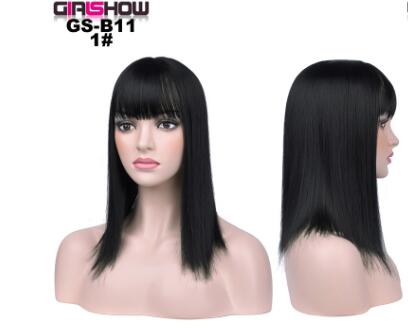
Synthetic Bob Wig with Bangs — Instant Hair Makeover in 4


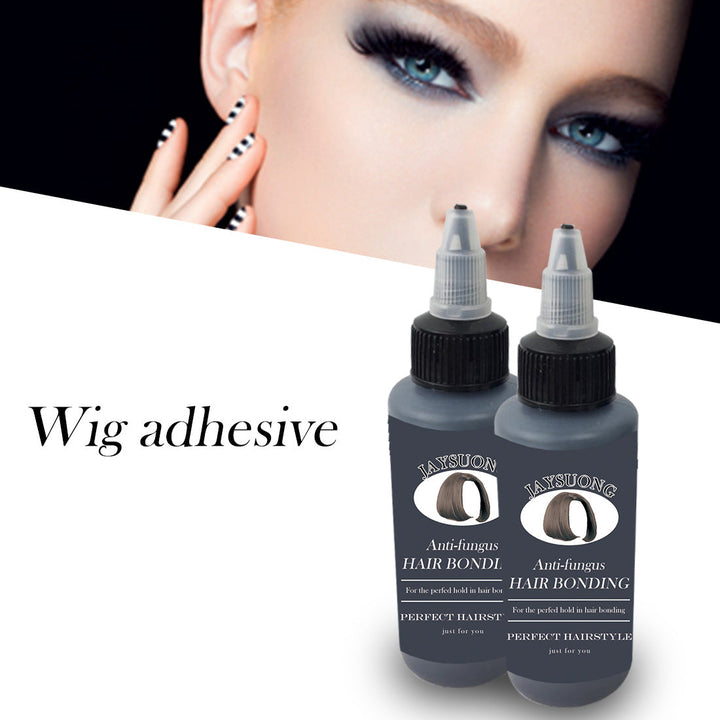
Shop hair extension glue and lace wig adhesive for securing wig lace, wefts, and selected hair extension systems. Compare hold type, drying time, water resistance, removal needs, and intended use before choosing a formula for your installation.
Start by identifying what you are attaching. Lace wig glue is designed for bonding lace edges to the skin or hairline, while hair bonding glue is commonly used with wefted or track-style extensions. For lace wigs, an invisible or waterproof formula can help create a cleaner-looking finish and support wear in humid conditions. Check the product directions for compatible surfaces, drying time, and removal method. If you have thin hair, avoid applying adhesive directly to fragile strands when the instructions call for a skin or scalp-area application. A 38ml waterproof lace wig glue may suit regular wig users, while an anti-fungus wig glue offers another formula option for natural-looking hairline bonding. Always patch-test according to the label before a full application.
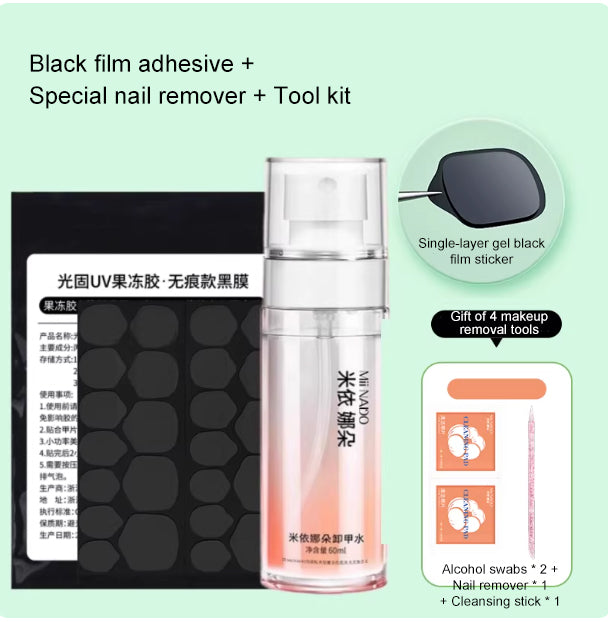
Lace wig adhesive is made for securing lace fronts, closures, and wig edges, with products such as waterproof lace wig glue or invisible bonding glue aimed at a discreet finish. Hair bonding glue for wigs and wefts is a different category: it is typically placed along the extension track rather than across the entire lace perimeter. UV hair extension glue may require a compatible curing light and a system specifically designed for hair use. Do not substitute UV nail glue gel for hair extension glue; a nail adhesive product is not automatically suitable for hair, skin, or scalp contact. Clip-ins, tape-ins, sew-ins, and wigs may need completely different attachment products, so match the adhesive to the extension method rather than choosing only by hold strength.
A useful professional hair extension glue should clearly state its intended use, compatible materials, application instructions, and removal process. Look for details on whether it is for lace, skin, natural hair, wefts, or a combination of surfaces. A thin, controlled applicator can make it easier to create an even hairline without excess product, while a waterproof formula may be preferable for active wear or humid weather. Consider the finish as well: invisible bonding is helpful when wearing a lace front or a wig with bangs. Review the size and glue in hair extensions price together, since a lower purchase price may not be the best value if the formula is difficult to apply or remove. Never use a product without checking its label and warnings.
Prepare clean, completely dry surfaces and arrange the wig, lace, or extension track before opening the adhesive. Apply a thin, even layer only where the product instructions allow, then follow the stated waiting or drying time before pressing the material into place. For a lace wig, work in small sections along the hairline so the lace stays aligned and excess glue does not spread onto visible hair. For wefts, keep adhesive away from areas that must move freely and avoid saturating the extension hair. Allow the bond to set before brushing, styling, or exposing it to water. Use the recommended remover when taking the installation down; pulling glued-in extensions can stress the natural hair and the extension material.
One common mistake is using too much adhesive. A thick layer can take longer to set, feel heavy, and show through lace instead of creating a cleaner finish. Another is choosing a nail glue gel, craft adhesive, or general household glue because it seems similar to hair bonding glue; these products are not interchangeable. Do not apply glue over oily residue, wet hair, styling products, or unprepared skin, because the bond may be uneven. Avoid attaching extensions beyond the product's stated use, especially when considering glue in hair extensions for thin hair. Do not remove a wig or weft by force. Follow the label's removal directions, stop if you experience discomfort or irritation, and clean away remaining adhesive before reinstalling.
Glue-in systems can suit shoppers who want a temporary or semi-permanent-looking installation without sewing, and they are useful for securing lace fronts, closures, or selected wefted extensions. They may be convenient for a quick style change, such as pairing a lace adhesive with a long body wave lace front wig or choosing a synthetic bob wig with bangs for an instant makeover. They are not ideal for everyone: people who dislike adhesive removal, need frequent changes, or cannot follow the product's skin and hair preparation instructions may prefer clip-ins or another attachment method. Shoppers with thin hair should select the lightest suitable method and avoid placing unnecessary tension on existing strands. If you are unsure which formula fits your extension type, ask a qualified stylist.
Wear time varies by adhesive, extension type, preparation, moisture, styling, and the manufacturer's instructions. A lace wig adhesive and a weft bonding glue may have different intended wear periods, so follow the product label rather than relying on a general estimate.
The best hair bonding glue is the one made for your attachment method and compatible surface. Choose lace wig glue for lace and hairline bonding, or a purpose-made weft adhesive for glue-in tracks, then compare finish, water resistance, application, and removal instructions.
Neither method is universally better. Glue-in extensions can offer a faster installation, while sew-ins avoid adhesive but require braiding and stitching; the right choice depends on your hair, desired wear time, styling routine, and preference for removal.
Clean and dry the approved bonding surface, apply a thin layer as directed, and wait for the specified setting stage before positioning the lace or weft. Work in small sections, keep glue off unwanted hair, and use the recommended remover instead of pulling the installation away.
Use an adhesive specifically labeled for the extension material and intended contact area, such as lace wig glue for lace or a hair bonding glue made for wefts. Do not use household glue or UV nail glue gel unless a product is explicitly labeled and tested for the exact hair application you need.
Five common methods are clip-in, tape-in, sew-in, fusion or bonded, and wig or lace adhesive attachment. Each has different preparation, maintenance, removal, and suitability requirements, so choose the method before selecting hair extension glue.