$64.90
Free delivery · 7–14 days
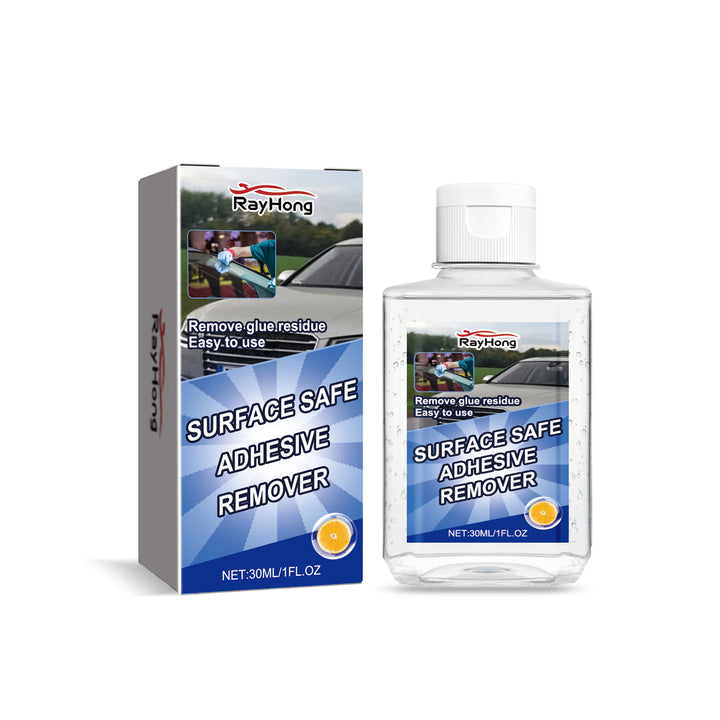
Automotive Adhesive Remover for Glue-Free Surfaces



Glue removers help lift sticker residue, adhesive film, labels and leftover glue from suitable surfaces without relying only on scraping. This guide explains which remover type to choose, what to check before buying and how to use spray formulas with a scraper safely and effectively.
Start with the surface, the type of residue and how firmly the adhesive is bonded. For ordinary sticker marks on glass, metal, plastic or finished surfaces, choose an adhesive remover made for sticker and glue residue cleanup. For tougher labels, thick buildup or aged adhesive, an adhesive remover with a scraper can combine softening action with controlled lifting. Automotive adhesive remover is a better fit for vehicle-safe cleanup, such as removing trim tape or decal residue from suitable exterior surfaces. Always read the product directions and test a small hidden area first. Avoid choosing a nail glue gel or a dental calculus remover for household adhesive work; those products are designed for entirely different uses.
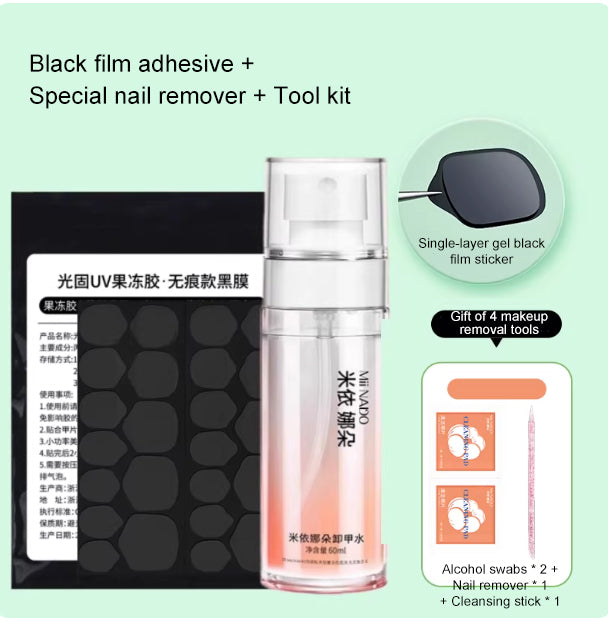
Spray adhesive removers are designed to wet and loosen residue so it can be wiped away. A spray with a scraper is useful when softened glue remains in a thick layer or has collected around sticker edges. Automotive formulas focus on adhesive residue found on vehicle surfaces, but compatibility still depends on the paint, trim and finish. These products differ from UV nail glue gel, which is an adhesive for applying press-on nails rather than removing glue. They also differ from dental calculus remover sprays, which are not intended for stickers, labels or household residue. Comparing the intended application is important: the right glue remover should clearly describe adhesive, sticker or residue cleanup on its label.
Look for clear surface guidance, application instructions and warnings about materials that may react to the formula. A useful product should identify whether it is intended for sticker residue, glue residue, automotive adhesive or another specific task. A spray nozzle can help apply the remover precisely instead of soaking a large area, while a scraper is helpful for stubborn deposits. Check whether the instructions call for dwell time before wiping and whether ventilation is recommended. Consider the size of the area, the thickness of the residue and whether you need a complete cleanup or occasional spot treatment. If you are comparing general glue removers, prioritize compatibility and instructions over broad claims about removing every type of adhesive.
Remove as much of the sticker or label as possible by hand, then apply a small amount of remover to the remaining adhesive according to the product directions. Let it work for the stated time rather than immediately scrubbing, especially when the residue is thick or dried. Wipe with a clean cloth, using a plastic scraper for softened buildup when included or recommended. Keep the scraper at a shallow angle and use light pressure to reduce the risk of scratching. Repeat the application if necessary, then clean away remaining product from the surface. Work in a ventilated area, protect nearby materials and test an inconspicuous spot first. Do not use a metal blade unless the surface instructions specifically allow it.
A common mistake is applying remover without checking whether the surface can tolerate it. Painted finishes, plastics, laminates, wood coatings and vehicle trim may respond differently, so test first and follow the label. Do not flood electronics, porous materials or seams with spray. Avoid aggressive scraping before the adhesive has softened, as this can leave scratches or spread the residue. Mixing household products is also unnecessary and may create an unpleasant or unsafe reaction. Home remedies such as vinegar, cooking oils or dish soap may help with some light residues, but they are not a dependable substitute for a purpose-made adhesive remover. Finally, do not confuse glue removers with UV nail glue gel or dental products, which are not intended for surface adhesive cleanup.
Glue removers suit renters, homeowners, crafters, retailers, workshop users and vehicle owners who need to clean leftover adhesive after removing labels, decals, tape or stickers. A general adhesive remover is practical for occasional household jobs, while a scraper-equipped option is useful for stubborn residue that needs controlled lifting. Automotive adhesive remover is suited to users working on compatible car or vehicle surfaces and who want a product aimed at trim, decal or tape residue. These sprays may not be suitable when the material is highly porous, freshly painted, delicate or difficult to test safely. For those situations, check the instructions or consult the material manufacturer before use. Choose a product based on the surface and adhesive task, not simply the word remover.
The best choice depends on the adhesive and the surface beneath it. A purpose-made adhesive remover spray can soften sticker and glue residue, while a scraper-equipped formula helps lift thicker or dried deposits. Test the product on a hidden area first and follow its surface instructions.
The best glue remover is the one matched to your job. Choose a general sticker and glue residue remover for everyday cleanup, a scraper version for stubborn buildup, or an automotive formula for suitable vehicle surfaces. Compare the stated surface compatibility and application directions before buying.
WD-40 may loosen some adhesive residues, but results vary by glue type and surface. It is not a substitute for a product specifically labeled for sticker and glue residue removal. Always test any product in an inconspicuous area and clean the surface afterward as directed.
First remove loose material, then apply a suitable adhesive remover and allow it to soften the dried residue according to the instructions. Wipe it away and use a plastic scraper with light pressure if needed. Several gentle applications are safer than forcing a blade against the surface.
Vinegar may help with some light or water-sensitive residues, but it is not reliable for every adhesive. It can also be unsuitable for certain finishes or materials. A purpose-made glue remover gives you clearer surface guidance and is generally the more practical option for stubborn sticker residue.
Dish soap can help wash away light, greasy residue or clean a surface after adhesive has been removed. It usually will not dissolve every type of strong, dried or pressure-sensitive glue. For persistent sticker residue, use an adhesive remover intended for the surface and follow the product directions.