Foot & Ankle Support Braces | Arch Support for Pain Relief7 items



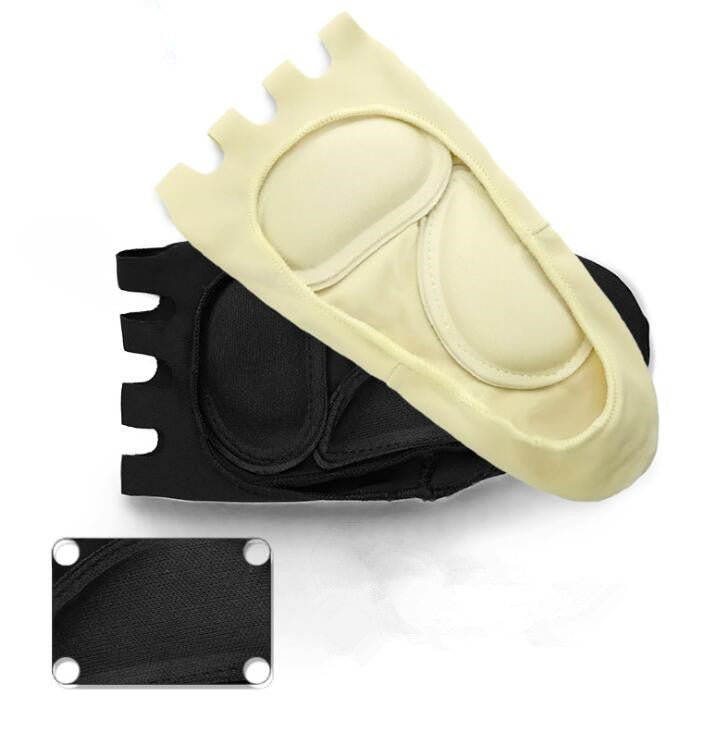

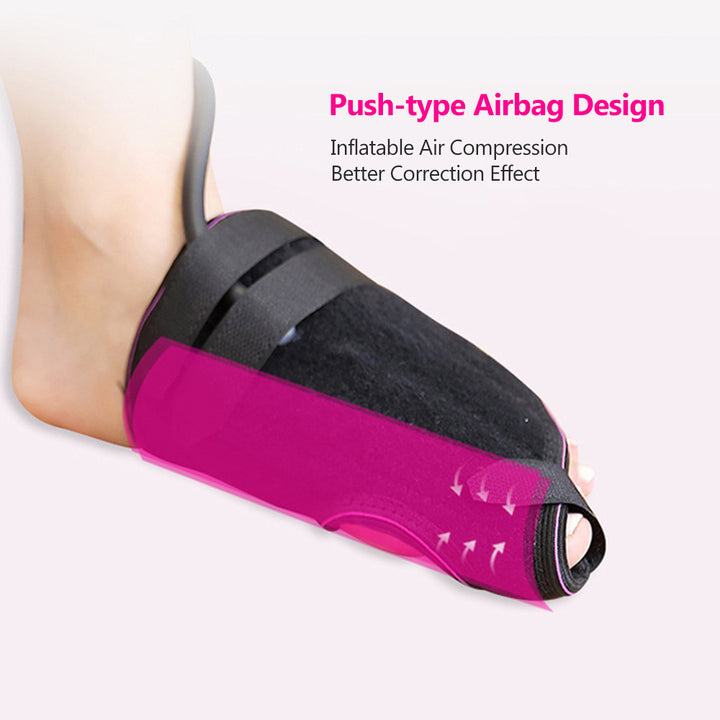
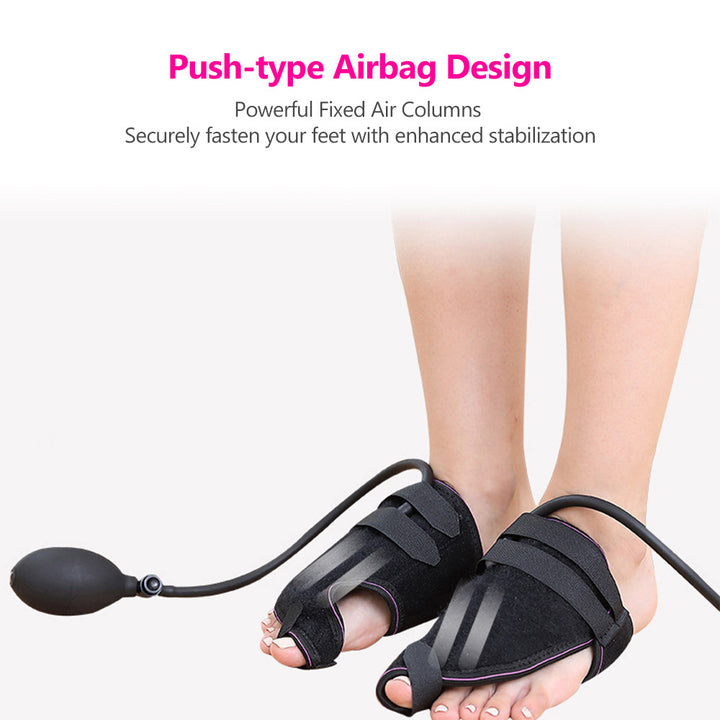
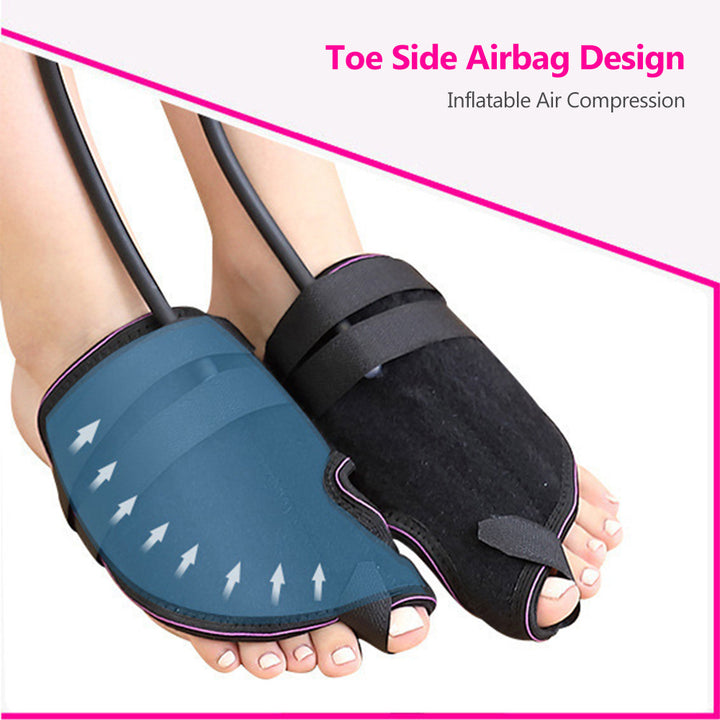

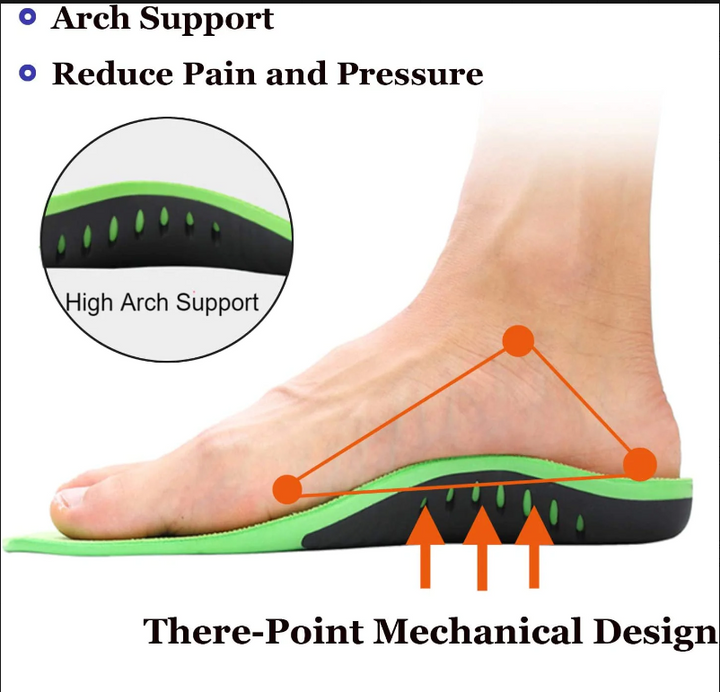
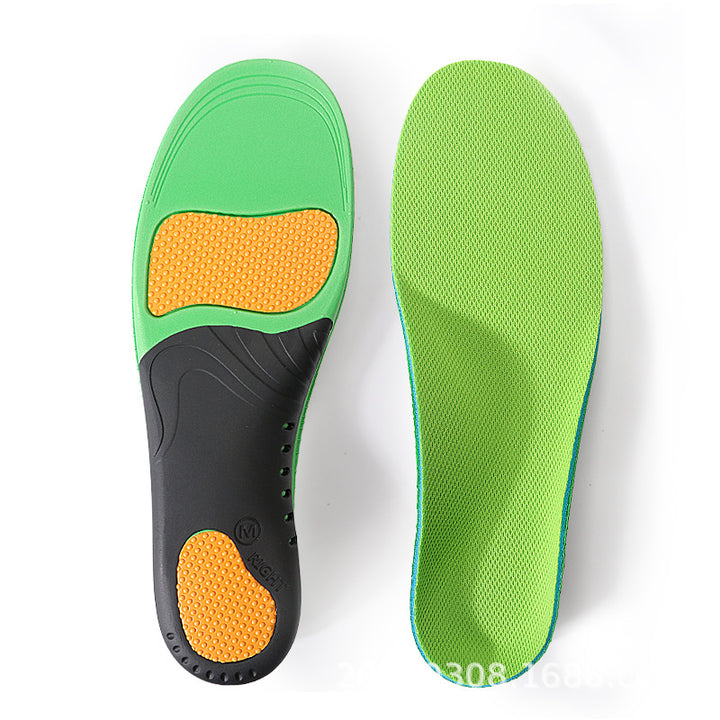
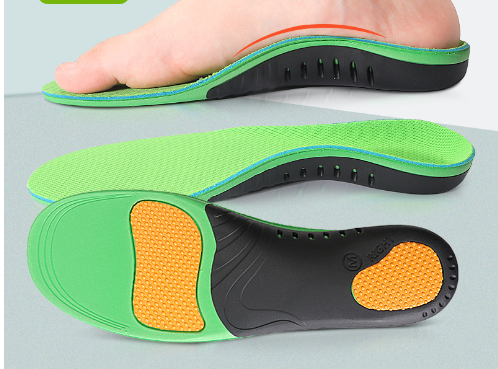


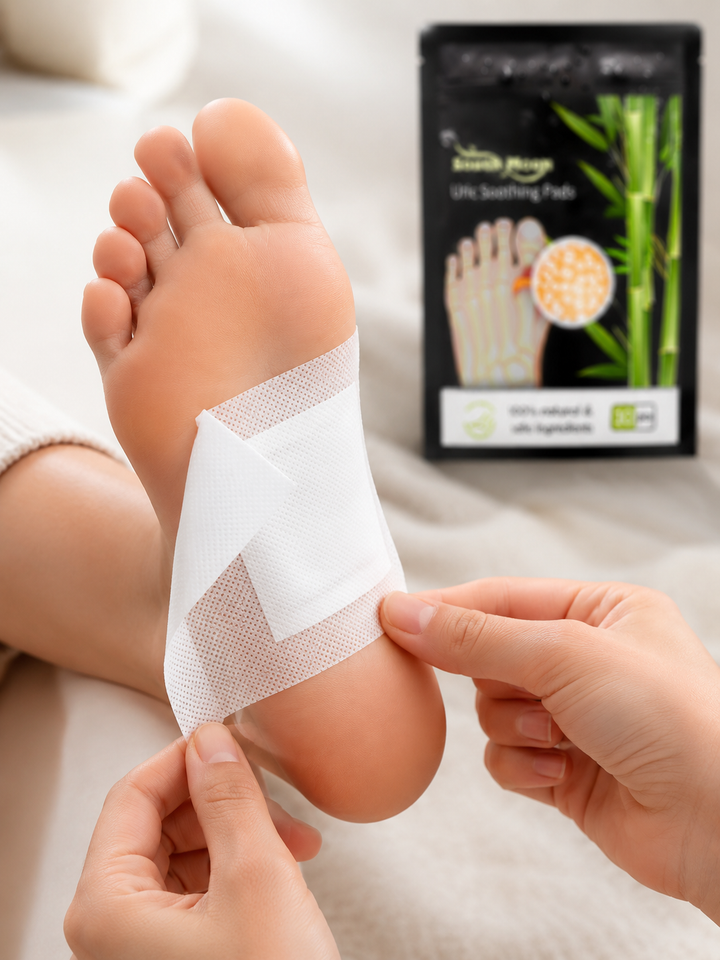


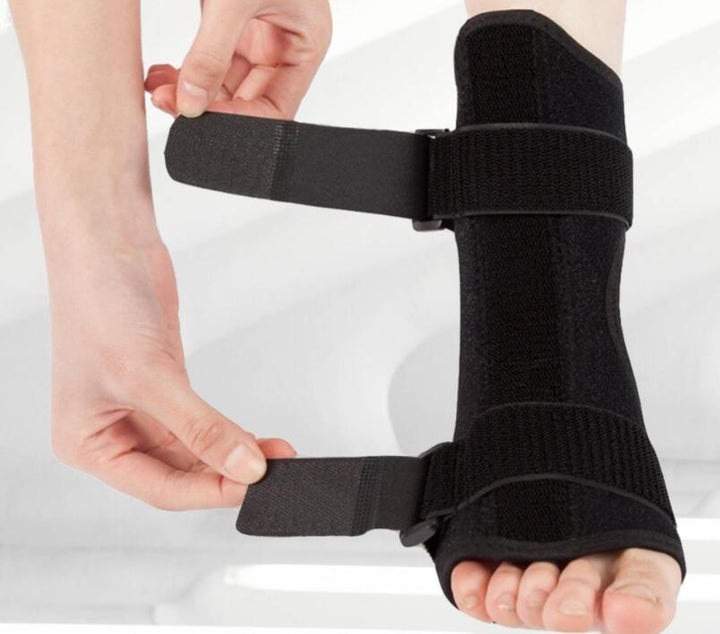

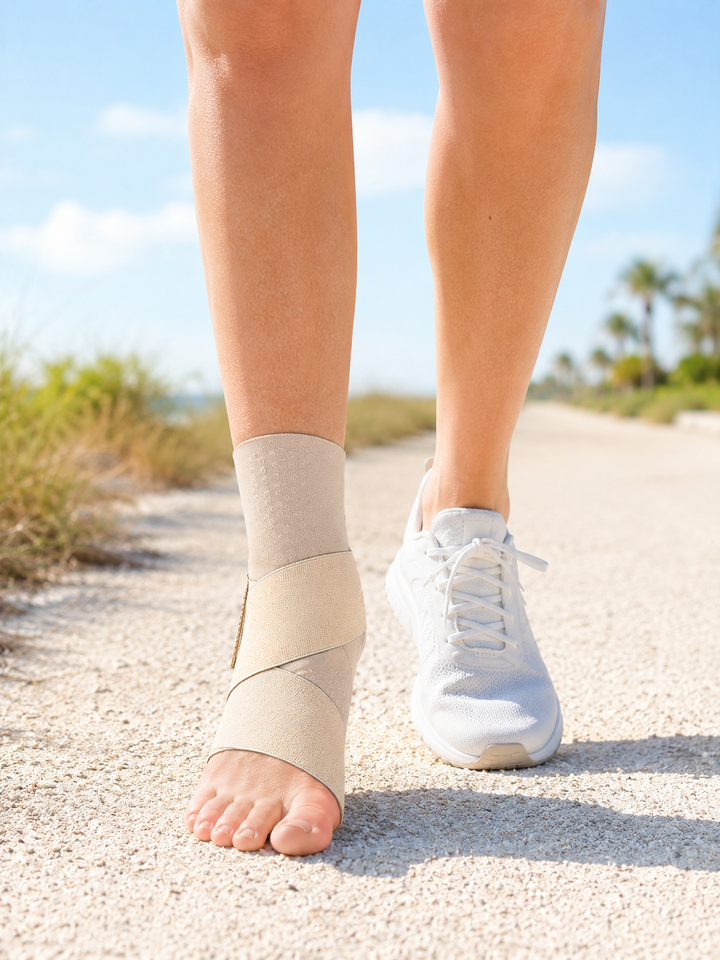
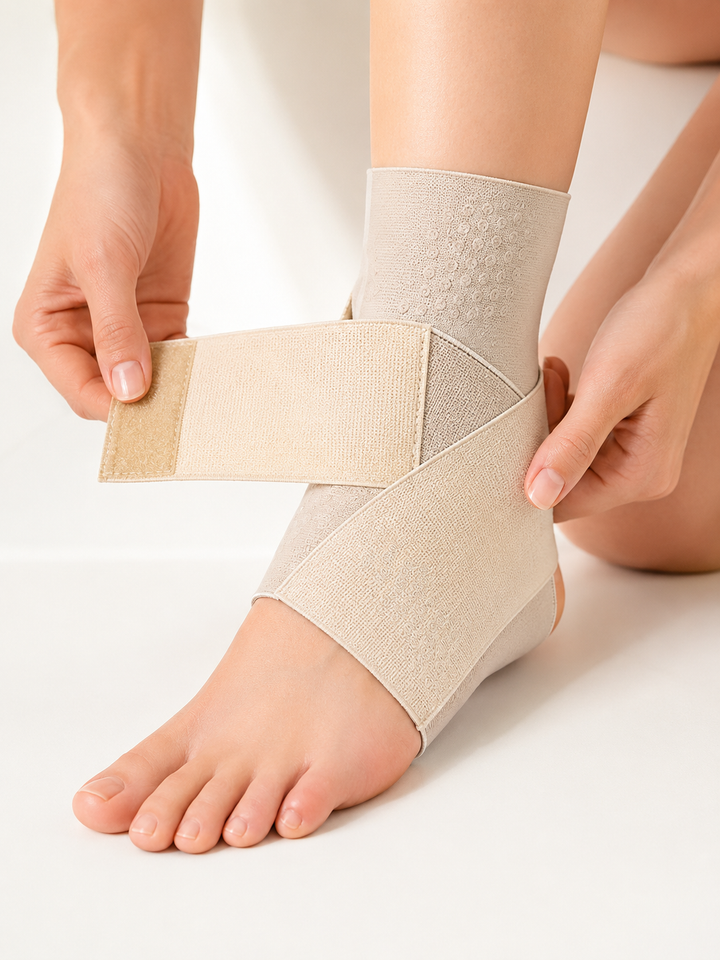
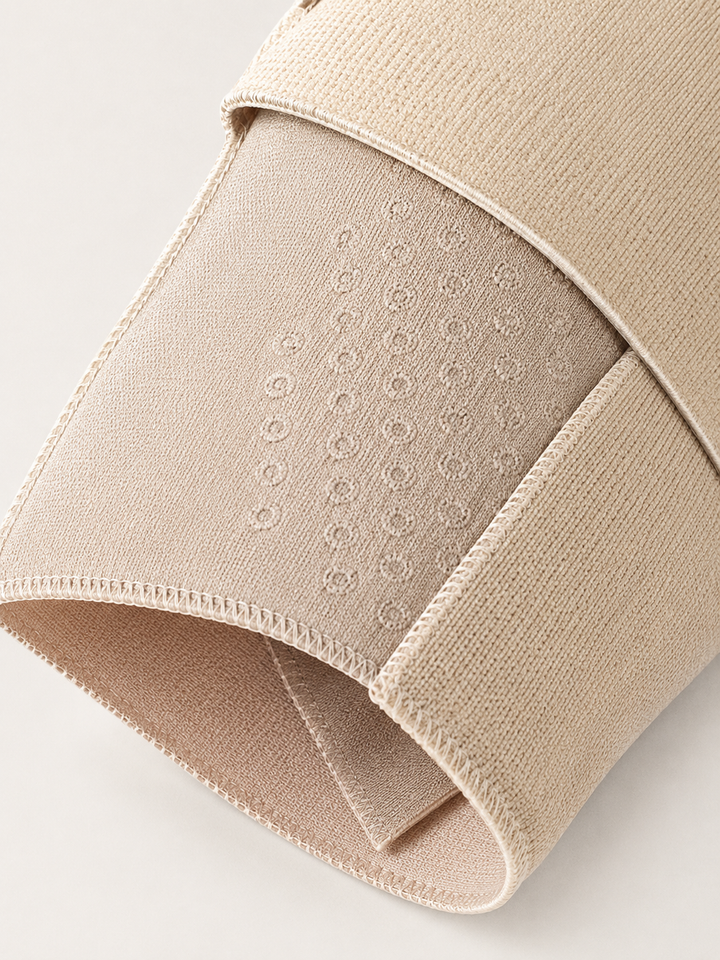
Find foot supports for walking, shoe comfort, arch support, toe alignment, and ankle stability in one category. Choose the format that matches where you feel discomfort and how you plan to use it, from insoles and compression socks to night splints, toe correctors, pads, and braces.
How do I choose the right foot support?
Start with the area that needs support and the activity that causes discomfort. For arch fatigue or low arches, orthopedic arch support insoles fit inside compatible shoes. For foot support for walking, consider insoles, compression socks with arch support, or a foot and ankle brace, depending on whether you want cushioning, gentle compression, or added stability. A plantar fasciitis night splint is designed for rest rather than daytime footwear. For a bunion or toe pressure, a bunion toe corrector or soothing pad may be more suitable. If you are seeking support after a suspected fracture or ligament damage, ask a qualified healthcare professional which level of protection is appropriate before choosing a product.
What types of foot supports are available?
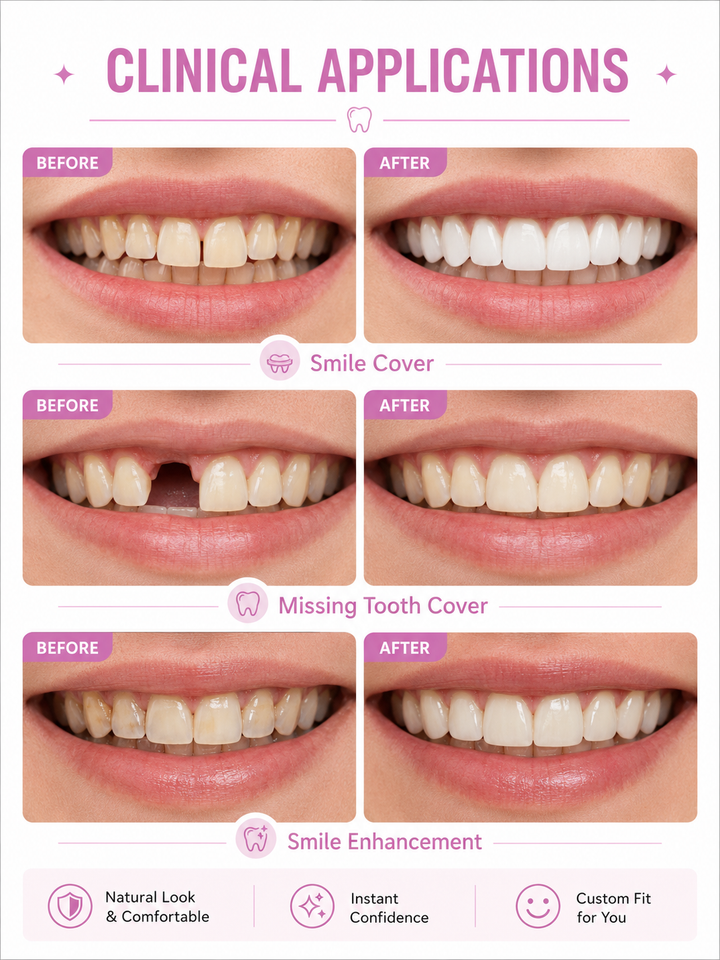
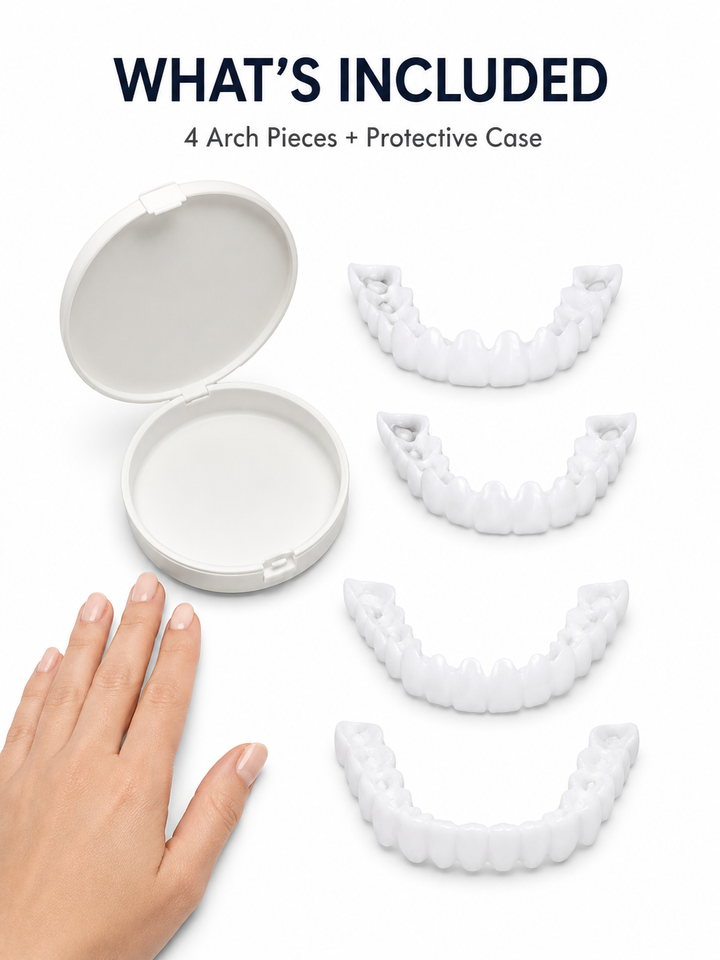
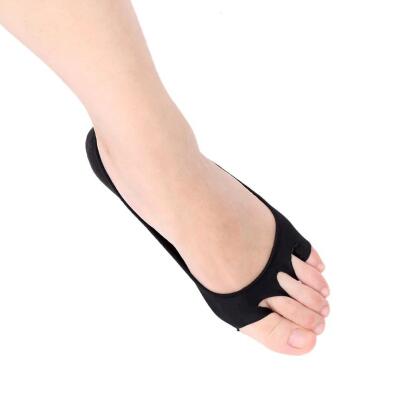
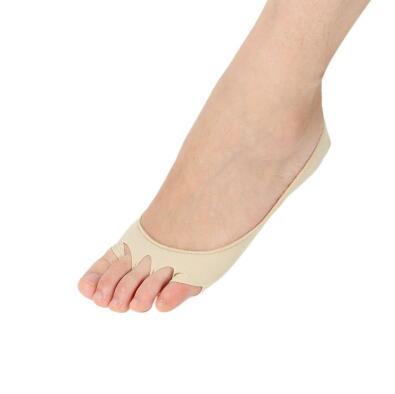
Each format solves a different comfort or support need. Arch support insoles sit inside shoes and can help distribute pressure during standing and walking. Five-finger compression socks add coverage around the toes while providing arch-focused compression without taking up much shoe space. A foot and ankle brace offers more structure around the foot and ankle than a sock or insole. A night splint is worn while resting and is not a substitute for a walking brace. Bunion toe correctors focus on toe positioning and spacing, while uric soothing pads are topical foot patches rather than stabilizing braces. The dental arch set listed in the category is not a foot support and should not be selected for foot use.
What should I look for in a foot support for shoes?
Check the product dimensions, intended foot, closure style, and whether it fits your usual footwear. Insoles should match the shoe length and leave enough room for your toes; bulky supports may not suit narrow or low-volume shoes. For a foot support brace, look for adjustable straps and a shape that supports the area you want covered without restricting normal movement. Compression socks should feel secure but not painfully tight, and the toe design should match your preference for separated or covered toes. Also consider breathability, padding, removable inserts, and whether the support is intended for daytime walking or nighttime rest.
How do I use foot supports safely and comfortably?
Follow the product instructions and begin with a short wear period so you can assess fit and comfort. Wear insoles in shoes that provide enough space, and keep the heel seated so the support does not slide forward. Position a toe corrector or pad according to its guide, keeping the skin clean and dry. Adjust a brace or compression sock so it is supportive without causing pinching, numbness, color changes, or worsening discomfort. A night splint should be used only as directed and should not be worn for walking unless its instructions specifically allow it. Stop using a product if symptoms worsen, and seek professional advice for persistent or significant pain.
What are common foot support mistakes?
A common mistake is choosing the most rigid brace when a low-profile insole or sock would better suit everyday shoes. Another is wearing an arch support that is the wrong length, forcing the heel or toes into an uncomfortable position. Do not stack multiple supports without checking the fit; an insole, compression sock, and brace together may make footwear too tight. Avoid treating a suspected fracture or serious injury with a general support alone. Do not ignore increasing swelling, skin irritation, numbness, or changes in foot color. Finally, do not expect a night splint, bunion corrector, or soothing patch to provide the same function as a stabilizing walking brace.
Who can benefit from foot supports?
Foot supports may suit shoppers who want additional arch cushioning, help with shoe comfort, toe separation, nighttime positioning, or light foot and ankle support. Insoles are a practical choice for people who spend time standing or walking and want support inside compatible shoes. Compression socks may suit shoppers who prefer a low-profile option, while a brace may be better when the ankle or midfoot needs more structure. A toe corrector or pad is aimed at localized toe or bunion discomfort. People with a recent injury, suspected fracture, ligament damage, circulation concerns, diabetes, or persistent unexplained pain should ask a healthcare professional before selecting or wearing a support.
Frequently asked questions
How do I know what foot support I need?
Match the product to the location and situation: insoles for in-shoe arch support, compression socks for a low-profile option, a brace for added foot or ankle stability, a night splint for rest, and toe products for localized toe or bunion concerns. If pain follows an injury, is severe, or does not improve, seek professional guidance before choosing a support.
What is the best foot support for walking?
For everyday walking, the best choice depends on your footwear and the type of support you want. Arch support insoles work inside compatible shoes, while compression socks offer a slimmer option; a foot and ankle brace provides more structure. Check fit carefully and choose a product intended for daytime use.
What foot support gives the best pain relief?
There is no single best option for every type of foot discomfort. An insole may suit arch-related pressure, a night splint may suit rest-time positioning, and a bunion pad or toe corrector may suit localized toe pressure. Pain after an injury or pain that keeps returning should be assessed by a qualified healthcare professional.
What are the signs I need foot support?
You may consider support if your feet feel tired during standing or walking, your arches lack cushioning in your shoes, or a specific area repeatedly rubs or feels pressured. A support should not be used to mask worsening symptoms. Swelling, numbness, color changes, marked weakness, an open wound, or pain after an injury warrants prompt professional advice.
What are 5 symptoms foot doctors say you should never ignore?
Seek prompt medical advice for severe or sudden pain, inability to bear weight, significant swelling after an injury, numbness or loss of sensation, and a foot that becomes unusually pale, blue, cold, or discolored. An open wound, spreading redness, or signs of infection also deserves attention. Do not rely on a general foot support while waiting for assessment.
What shoes do podiatrists say not to wear?
Footwear that pinches the toes, slips at the heel, lacks room for an insert, or causes rubbing is a poor match for most supports. Very narrow shoes may not accommodate an insole, brace, or toe corrector. Choose shoes with enough length and width for your foot and the support you plan to wear, and replace footwear that causes persistent discomfort.