Foam Cleaners | Powerful Foaming Cleaning Spray for Any Surface
3 products
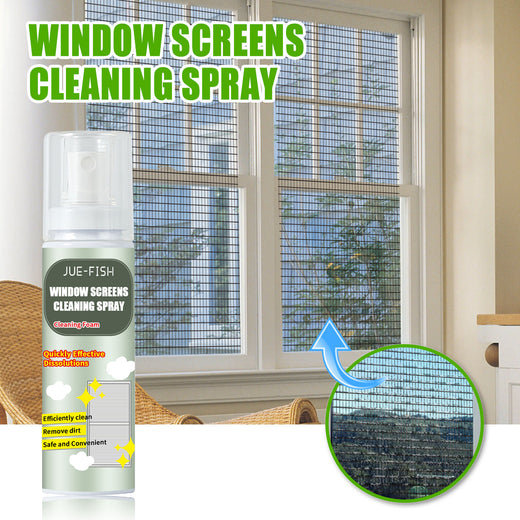
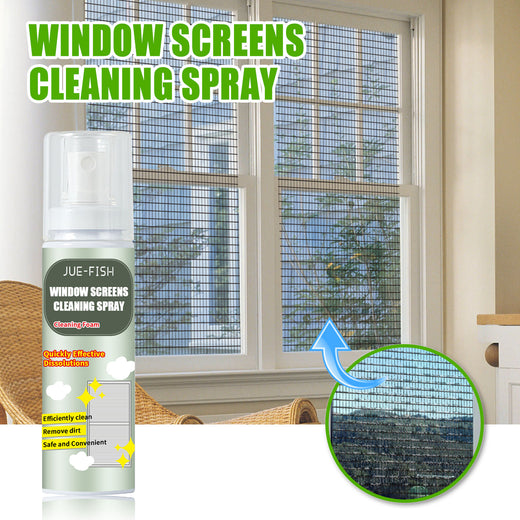
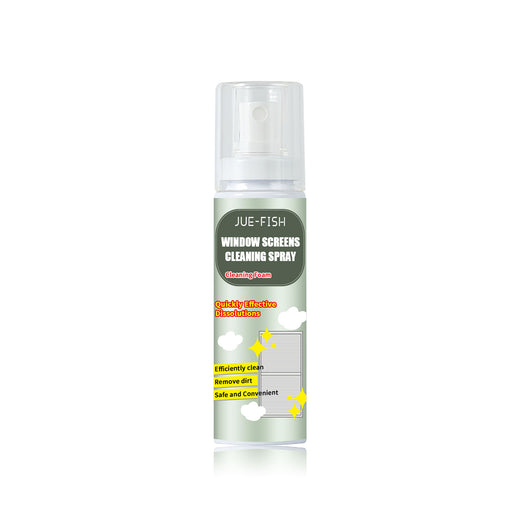
Foam cleaners make it easier to apply cleaning solution evenly to everyday dirt, grease, marks, and buildup. This category includes a multi-surface foam cleaner spray for kitchen and bathroom grime and a window cleaning foam spray designed for glass and screens.
How do I choose the right foam cleaner?
Start with the surface you need to clean. Choose the Multi-Surface Foam Cleaner for kitchen counters, sinks, bathroom fixtures, tiles, doors, and other suitable hard surfaces where grease, soap residue, and everyday grime collect. Choose the Window Cleaning Foam Spray for windows, mirrors, glass doors, and compatible screens when you want a product made for clearer, more even wiping. If you are searching for a foam cleaner for car and house, check the surface guidance before using one product across both settings. For sofas, upholstery, painted finishes, wood, or delicate materials, confirm that the surface is suitable and test an inconspicuous area first. The best foam cleaner is the one matched to the material and type of dirt.
What are the different types of foam cleaners?
Foam cleaners generally fall into two useful categories: multi-surface formulas and glass-focused sprays. A multi-functional foam cleaner spray is intended for compatible hard surfaces around the kitchen and bathroom, helping the solution stay visible while you wipe away grime. A window cleaning foam spray is made for glass and screens, where controlled application and careful wiping can help reduce leftover marks. These products are not interchangeable for every surface. A kitchen foam cleaner spray may be useful on suitable counters, sinks, and tiles but is not automatically right for screens or upholstery. Likewise, a glass cleaner is not a general-purpose bathroom product. Comparing the intended surfaces, the type of residue, and the required finish helps you select the right spray foam cleaner.
What should I look for in a foam cleaner spray?
Look for clear surface guidance, a spray format that is easy to control, and a formula suited to the mess you are tackling. For kitchens and bathrooms, consider whether the product is intended for grease, soap residue, splashes, and general hard-surface grime. For windows and screens, choose a dedicated glass-focused foam and use a clean, soft cloth to support an even finish. A visible foam can help you see where you have applied the cleaner, while a wipeable formula can make small-area cleaning more manageable. Also check the product directions for contact time, ventilation, cloth recommendations, and surfaces to avoid. Reading a foam cleaner spray review can help you understand handling, but the label and surface compatibility should guide the final choice.
How do I use foam cleaner on different surfaces?
Remove loose dust or debris first, then apply a small amount of foam to the surface or to a cloth as directed. Spread it over a manageable area, allow the recommended time for the cleaner to work, and wipe with a clean cloth. For kitchen and bathroom surfaces, change or rinse the cloth as it picks up grime so you do not spread residue. For glass and screens, use light coverage and a soft, lint-free cloth; a second dry wipe can help remove remaining moisture or marks. Always follow the packaging instructions, keep the spray away from eyes and food-contact areas unless the directions say otherwise, and test an inconspicuous spot on unfamiliar materials. Do not mix foam cleaners with other cleaning products.
What common foam cleaner mistakes should I avoid?
One common mistake is using a general multi-surface spray on glass, screens, upholstery, or another material without checking compatibility. Another is applying too much foam, which can leave extra residue and make wiping harder. Avoid cleaning large areas at once; working in sections gives the product time to work without letting it dry unevenly. Using a dirty cloth can also transfer grease and streaks back onto the surface, especially when cleaning windows or mirrors. Do not use abrasive pads on finishes that can scratch, and do not assume a product is suitable for food-preparation surfaces without reading the directions. If you are comparing the best foam cleaners, pay attention to correct use and surface limits rather than choosing only by the amount of foam.
Who is a foam cleaner best suited for?
Foam cleaners suit shoppers who want a convenient spray for routine cleaning in visible, high-use areas. The Multi-Surface Foam Cleaner is a practical choice for people cleaning compatible kitchen and bathroom hard surfaces, including everyday grime around sinks, counters, fixtures, and tiles. The Window Cleaning Foam Spray suits anyone maintaining windows, mirrors, glass doors, or compatible screens and wanting a product focused on controlled glass cleaning. They can also work well for quick touch-ups because the foam helps show where the product has been applied. However, shoppers cleaning sofas, rugs, untreated wood, delicate finishes, or heavily specialized materials should look for a product specifically approved for that surface. Always check the instructions before using foam cleaner beyond its listed applications.
Frequently asked questions
Does foam cleaner really work?
Foam cleaner can help lift and loosen everyday dirt, grease, soap residue, and marks when it is matched to the surface and used as directed. Results also depend on the type of buildup, the cloth or tool used, and whether the product is allowed the recommended time to work.
What is the best foam cleaner?
The best foam cleaner depends on the surface. Choose the Multi-Surface Foam Cleaner for suitable kitchen and bathroom hard surfaces, or the Window Cleaning Foam Spray for glass, windows, mirrors, and compatible screens.
Where can I buy foam cleaner?
You can buy foam cleaners from this category page, with options for multi-surface kitchen and bathroom cleaning or glass and screen cleaning. Check the product details to select the spray that matches your surfaces.
What is foam cleaner used for?
Foam cleaner is used to apply cleaning solution to surfaces such as suitable counters, sinks, bathroom fixtures, tiles, windows, mirrors, glass doors, and compatible screens. The correct use depends on the product, so read the surface guidance before spraying.
What are the different types of foam cleaners?
The main types in this category are multi-surface foam cleaners for compatible kitchen and bathroom hard surfaces and window cleaning foam sprays for glass and screens. They are designed for different cleaning needs and should not be treated as interchangeable for every material.
What is the best foam cleaner for cleaning a sofa?
Neither product should be assumed suitable for a sofa unless its care instructions specifically approve the fabric or upholstery. Check the sofa manufacturer's cleaning code and choose a cleaner made for that material; test any approved product on a hidden area first.