Fish Oil Pills, Softgels & Liquid Fish Oil Supplements
6 products
Shop fish oil in the format that fits your routine, from softgels and tablets to liquid fish oil. Compare EPA and DHA amounts, serving directions, source information, and product purpose before choosing a fish oil supplement for yourself or a pet.
How to choose fish oil for your routine
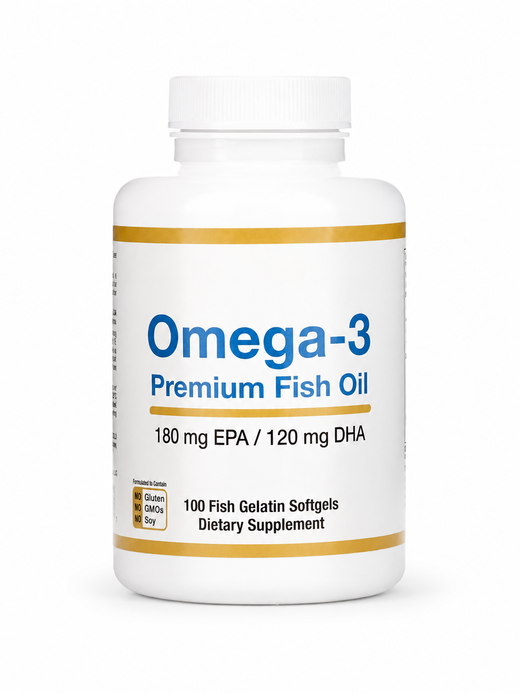
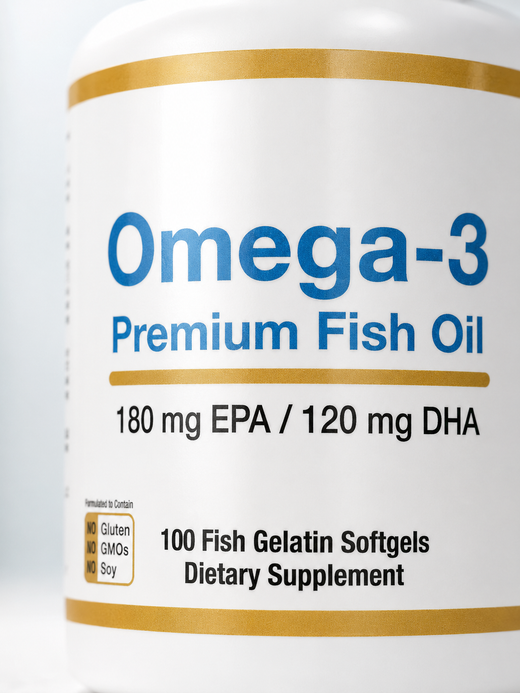
Start by deciding whether you want fish oil capsules, tablets, or fish oil liquid. Softgels are convenient for measured servings, while liquid fish oil can be useful if you prefer not to swallow capsules or need flexible serving sizes. Read the Supplement Facts panel instead of relying only on “fish oil 1000 mg,” because the total fish oil amount and the listed EPA and DHA amounts are not always the same. For people, this category includes an omega-3 fish oil product labeled for brain and heart health and a softgel listing 180 mg EPA and 120 mg DHA. For pets, choose a product specifically labeled for cats or dogs rather than using a human supplement.
Fish oil capsules, softgels, tablets, and liquid compared
Fish oil softgels are compact, premeasured, and easy to include in a daily supplement routine. Tablets may suit shoppers who prefer a firmer format, including pet owners looking for cat fish oil tablets or dog fish oil tablets for daily skin and coat support. Liquid fish oil allows serving flexibility, but it needs careful measuring and should be stored exactly as directed on the label. Check whether the package describes a natural fish flavor, coating, or other features that may affect taste and swallowing. Do not assume every format is interchangeable: pet products have animal-specific directions, while human products are labeled for adult use. Fish oil cooking is a separate use case and should not be assumed unless the product label specifically says it is intended for culinary use.
What to look for in a fish oil supplement
Compare EPA and DHA per serving, serving size, number of servings, and the total fish oil amount. A product marketed as fish oil 1000 mg may provide a different EPA and DHA profile from another product with the same headline number. Look for clear directions, storage guidance, source information, and an expiration or best-by date. If you are comparing fish oil price, calculate the cost per serving rather than comparing package prices alone. Consider whether you want a product labeled for general adult use, a cat product for skin, coat, and immune support, or a dog product for daily skin and coat support. Avoid choosing by search terms such as “fish oil Nature Made” when that brand is not part of the available selection; focus on the actual label and ingredients.
How to use fish oil safely and consistently
Follow the serving instructions on the specific package and do not combine products casually just because they all contain omega-3s. Take capsules, softgels, or tablets with food if the label directs you to do so, and measure liquid fish oil with the supplied tool rather than a household spoon. Store the product according to its label, especially after opening liquid fish oil. For cats and dogs, use only the animal product’s directions and serving guidance; do not substitute a human fish oil capsule without professional advice. If you miss a serving, check the label rather than automatically doubling the next one. Keep supplements out of children’s and pets’ reach, and stop use and seek advice if you notice an unexpected reaction.
Common fish oil shopping mistakes to avoid
One common mistake is comparing products by fish oil weight alone instead of EPA and DHA content. Another is buying a pet supplement for human use, or giving a human product to a pet without checking with a veterinarian. Shoppers may also overlook serving size, storage requirements, expiration dates, or the difference between a supplement and an ingredient intended for fish oil cooking. Do not expect every fish oil product to have the same purpose: the available range includes pet tablets, a human omega-3 product, and a human softgel with a stated EPA and DHA amount. Also check the category carefully before ordering. Vaginal slimming capsules are not fish oil products and do not belong in a fish oil shopping comparison.
Who is fish oil suitable for?
Fish oil may suit adults who want a labeled omega-3 supplement and can follow the product’s serving and storage directions. It may also suit pet owners seeking a cat or dog product specifically labeled for daily skin and coat support. Suitability depends on the individual, current diet, allergies, medications, pregnancy or breastfeeding status, and any planned procedure, so product-page information should not replace advice from a qualified healthcare professional or veterinarian. People who avoid fish or seafood should review the source and ingredients carefully. If you are unsure whether a capsule, tablet, or liquid is appropriate, ask a professional before buying. A clear label, suitable format, and realistic routine are more useful selection criteria than a broad claim about fish oil benefits.
Frequently asked questions
What is taking fish oil good for?
Fish oil supplements provide omega-3 fatty acids, commonly listed as EPA and DHA. People choose them for different dietary and wellness goals, but the appropriate product and expected effects depend on the person and the label directions. Review the EPA and DHA amounts rather than relying only on the phrase “fish oil benefits.”
Is it okay to take fish oil every day?
Some products are labeled for daily use, but you should follow the serving instructions for the specific supplement. Check with a healthcare professional before regular use if you take medication, have a medical condition, are pregnant or breastfeeding, or have a procedure planned. Do not combine multiple omega-3 products without checking the total serving.
What are the signs of needing fish oil?
There is no reliable symptom checklist that can determine whether you need a fish oil supplement. Diet, health history, medications, and individual goals all matter, and symptoms can have many causes. If you are concerned about your nutrition or omega-3 intake, discuss it with a qualified healthcare professional rather than self-diagnosing.
Who should not take fish oil?
Anyone with a fish or ingredient allergy, a relevant medical condition, or medication concerns should review the product with a healthcare professional before use. People who are pregnant, breastfeeding, or preparing for a procedure should also ask for individualized guidance. For pets, consult a veterinarian before adding fish oil, especially if the animal has health concerns or takes medication.
Why do doctors not recommend fish oil?
Advice can differ because fish oil is not appropriate for every person, every goal, or every product format. A clinician may consider diet, medications, health history, product quality, and the reason someone wants to use it. Ask what applies to your situation instead of assuming that one recommendation covers all fish oil supplements.
Is there a downside to taking fish oil?
Possible downsides can include unpleasant taste, fishy aftertaste, difficulty swallowing, digestive discomfort, storage inconvenience, or an unsuitable serving for your needs. Product-specific risks and interactions also matter, particularly with medications or health conditions. Read the label and seek professional advice if you are unsure whether fish oil is appropriate.