
$69.90
Free delivery · 7–14 days
Halloween Face Paint Sticks for Bold Costume Looks


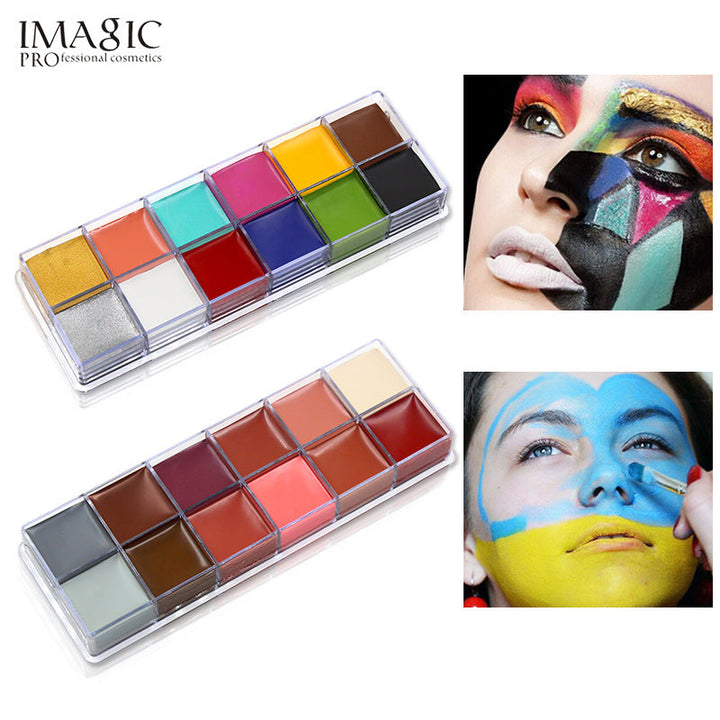

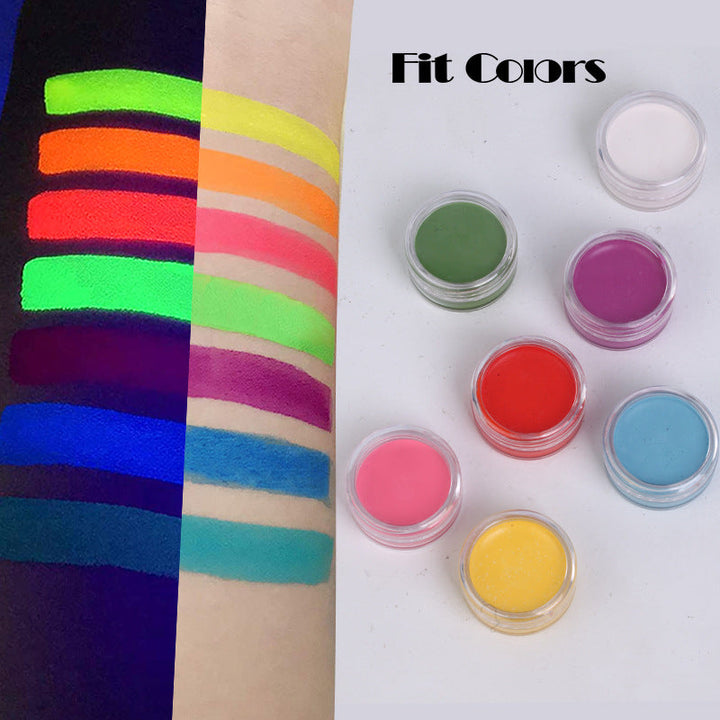


Face paint makes it easy to create colorful designs for costumes, parties, festivals, photos, and body art. This category includes water-soluble palettes, cream formulas, face paint sticks, and UV or fluorescent colors so you can choose the format, finish, and color range that match your project.
Start with the design, setting, and application time. A face paint stick set is convenient for bold lines, quick costume details, and easy face paint ideas. Water-soluble palettes are useful when you want to mix colors, paint larger areas, or create layered designs with brushes or sponges. Choose a 12-color face and body palette for a broad selection of standard shades, or select a UV or fluorescent set for blacklight events and glow-focused designs. If you are shopping for face paint for kids, look for an easy-to-control format, supervise application, and follow the product directions. For online shoppers comparing face paint near me with face paint online, check the listed colors, formula type, removal instructions, and intended use before ordering.
Water-soluble face paint is a versatile choice for beginners because it can be activated with water and applied in controlled layers. Palettes work well for face paint makeup, body art, animal designs, and colorful costume looks. Cream face paint can provide a richer application for face designs, while a stick format is practical for outlining, quick touch-ups, and bold markings without opening several pans. UV body paint cream and fluorescent palettes are designed for blacklight looks, so they suit parties, performances, and nighttime events where glow effects matter. There is no single best formula for every design: choose a palette for color variety, a stick for speed, or UV paint for blacklight visibility.
A good face paint set should match the finish and coverage you want while giving you enough color variety for your designs. Look for clearly listed shades, a palette that includes both strong basic colors and useful accent tones, and a water-soluble formula if you prefer straightforward application and cleanup. For blacklight designs, choose UV or fluorescent colors rather than a standard palette. Consider whether you need face-and-body versatility, especially for stripes, masks, hand art, or larger painted areas. A compact palette may suit travel and quick face paint ideas, while a broader set gives you more room to blend and customize. Always read the product instructions, use clean tools, and keep paint away from the eyes and inside of the mouth.
Begin with clean, dry skin and plan the design before loading your brush or sponge. Activate water-soluble paint with a small amount of water, then build color in thin layers rather than applying a heavy amount at once. Use a sponge for broad blocks of color and a fine brush for outlines, dots, whiskers, stars, or other small details. Allow one color to settle before adding a contrasting shade to help reduce unwanted mixing. Face paint sticks can be drawn directly onto the skin for quick shapes, then softened or blended with a brush if the instructions allow. Keep a damp cloth nearby for corrections, and remove the paint according to the product directions after use.
Using too much water is a common problem with water-soluble palettes because it can make color run or appear uneven. Start with a small amount and add more only as needed. Another mistake is applying detail work before the base color has settled, which can blur lines and muddy the design. Using the same unclean brush across every shade can also transfer colors between pans, so rinse tools between colors and wipe away excess water. Avoid painting over irritated or broken skin, and do not apply product inside the eyes or mouth. For face paint for kids, an adult should handle product selection and supervise application. If a design is difficult, simplify it into larger shapes, dots, and lines rather than adding too many fine details.
Face paint suits costume wearers, parents planning party activities, performers, festival guests, photographers, and anyone experimenting with face paint makeup or body art. Beginners can start with a water-soluble palette and a few basic brushes, while experienced artists may prefer multiple palettes, fluorescent colors, or UV cream for more specialized designs. A stick set works well for fast application at events or for bold, graphic looks. Standard vibrant palettes are suitable for colorful masks, animals, superheroes, seasonal designs, and simple face paint ideas. UV and fluorescent sets are best chosen when a blacklight environment is part of the plan. Review the label before use, follow age guidance where provided, and remove the paint after the activity rather than leaving it on longer than necessary.
Face paint is made specifically for application to the face and body, unlike craft, acrylic, or wall paint. This category includes water-soluble palettes, cream formulas, and face paint sticks designed for colorful designs and costume makeup. Follow the product directions and keep the paint away from the eyes and inside of the mouth.
The best choice depends on your design. Water-soluble face paint is a flexible option for beginners, palettes offer color variety, sticks are convenient for bold lines, and UV or fluorescent formulas suit blacklight looks. Compare the colors, application method, and removal instructions before choosing.
A good face paint has the color range and format needed for your project. Choose a vibrant 12-color palette for general face and body art, a stick set for fast bold designs, or a UV palette or cream for blacklight events. Clean tools and careful layering can also improve the finished look.
You can create DIY face designs using purpose-made face paint, brushes, and cosmetic sponges. Start with simple shapes, stripes, dots, or a mask outline, then add details after the base color settles. Do not substitute household or craft paints unless the product is specifically labeled for face or body use.
Use clean, dry skin and follow the product instructions. For water-soluble paint, activate a small amount with water, apply broad areas with a sponge, and add details with a fine brush once the base is less wet. Keep a damp cloth available for corrections and avoid the eyes and mouth.
There is no recommended substitute among ordinary household or craft paints because they may not be intended for skin application. Instead, choose a face-and-body paint palette, face paint stick, or suitable cream formula from this category. Check the label for directions, intended use, and removal guidance before applying.
Browse related: Shop all LED Light Face Masks for Parties & Costumes · explore witch hats - pumpkin & pink witch costume hats for halloween.