
$35.90
Free delivery · 7–14 days
UV Body Paint Cream for Blacklight Glow Face Designs


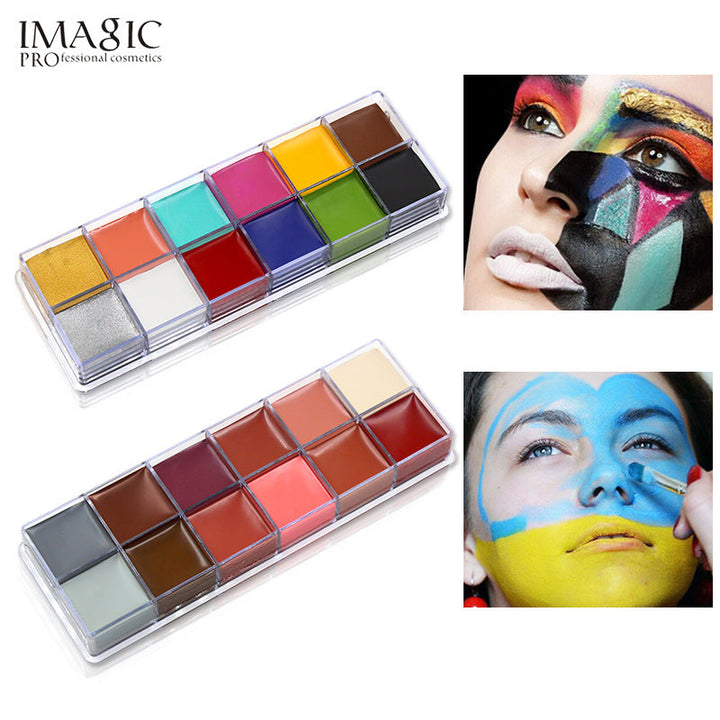
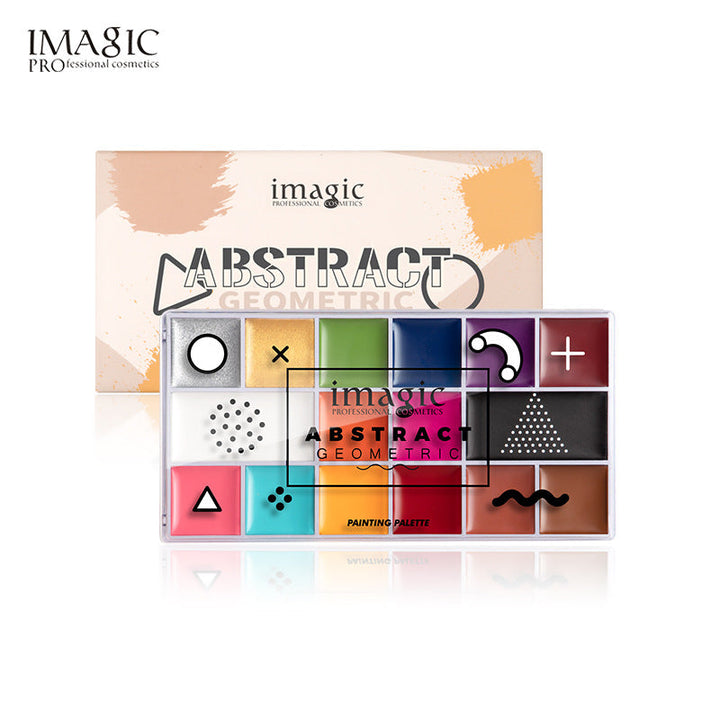

Body paint makes it easy to create face designs, festival looks, costumes, stage effects, and full body paint for adults. This category includes water-soluble palettes, cream formulas, vivid color sets, and UV-reactive options so you can choose a finish and cleanup method that fit your event.
Start with the setting, coverage, and removal method you need. For quick designs, face details, or body paint photos, a water-soluble palette offers multiple shades and can be activated with water. Choose a larger 12- or 16-color palette when you want to blend colors across a larger design or create full body painting for adults. For blacklight events, select a UV body paint cream or a UV face and body palette designed for glow effects. If you want a strong stage-inspired look, consider the 16-color bold stage palette. Red body paint is easiest to find in multi-color palettes, while a cream formula may suit focused face designs or areas where you want a richer application.
Water-soluble face and body paint palettes are practical for custom mixing, line work, and designs that need straightforward cleanup with water. The available palettes range from compact vivid sets to 12-color and 16-color options, giving you different color variety for simple or elaborate body art. UV options are made for looks viewed under blacklight, including a water-soluble UV palette and a UV body paint cream for face designs. Palettes are useful when you need several colors in one kit, while cream paint can be convenient for concentrated accents and glow-focused designs. Check the product description for the intended face and body use, finish, and removal instructions before applying.
Look for products specifically described for face and body use rather than ordinary craft, acrylic, or household paint. Compare the color count, shade range, formula, and whether the paint is water-soluble or UV-reactive. A 12-color palette can cover everyday creative projects, while a 16-color palette gives you more options for shading and mixing. Vivid sets are useful for bold body paint photos and costume designs, and UV formulas suit blacklight settings. Also consider the container format: a palette keeps several colors together, while a cream may be easier to use for selected accents. Read the packaging directions, avoid applying to irritated or broken skin, and keep paint away from the eyes and mouth unless the product instructions say otherwise.
Begin with clean, dry skin free from excess oil, lotion, or sweat. Use a clean brush, sponge, or applicator suitable for the design, and apply thin layers rather than one heavy coat. Allow each layer to dry before adding details, shading, or a second color. For larger designs, work in sections so the paint does not become patchy while you move around. Water-soluble formulas can be activated with a small amount of water, while cream formulas should be used according to their instructions. Keep painted areas away from rubbing, moisture, and tight clothing when possible. No body paint is guaranteed to remain transfer-free, so use a cover-up or allow extra drying time before putting on a costume.
One common mistake is using craft paint or acrylic paint instead of a product made for face and body use. Another is applying paint over oily lotion, which can make coverage uneven and increase rubbing. Avoid loading a sponge with too much water, because thin water-soluble paint may become streaky or take longer to dry. Mixing UV and non-UV shades without checking the intended effect can also make a blacklight design less predictable. Test your color layout on paper first, especially for full body paint or detailed body paint photos. Do not assume that every formula washes off in the same way: water-soluble palettes are generally selected for water-based cleanup, while cream products may require different instructions. Follow the package directions and remove the paint after use.
Body paint suits shoppers planning costume parties, festivals, theatrical looks, photography, themed events, face designs, and creative projects at home. A small vivid palette works well for occasional designs or adding red, black, and other strong accents. Larger 12- and 16-color palettes are better for artists who need more shades for full body painting for adults, group projects, or detailed body paint photos. Choose a UV palette or UV cream when the look will be viewed under blacklight. If you need body paint nearby for an event, ordering a kit in advance gives you time to check the colors and practice your design. Always review the product directions and consider a small skin test before covering a larger area.
The best choice is paint specifically labeled for face and body use. Water-soluble palettes are versatile for colorful designs and simpler cleanup, while UV palettes and creams are suited to blacklight looks. Choose the color range and formula based on your design, coverage, and event.
Use a face and body paint product intended for application to skin, such as the water-soluble palettes and UV body paint products in this category. Do not substitute craft paint, acrylic paint, or household paint. Follow the product directions and avoid sensitive or irritated areas.
Apply it to clean, dry skin without excess oil or lotion, then build the design in thin layers and let each layer dry. Reduce rubbing, moisture, and contact with tight clothing. Transfer and wear time vary by formula and activity, so follow the package instructions.
Water-soluble face and body paint palettes are the most suitable option when straightforward water-based cleanup is important. Use the recommended removal method on the packaging and allow extra time for larger designs. UV performance does not necessarily indicate how easily a product removes.
No body paint should be assumed to be completely transfer-proof. Let the paint dry fully, apply thin layers, and wear loose or darker clothing when practical. Rubbing, sweat, and moisture can cause transfer even after drying.
Wear time depends on the formula, skin preparation, application thickness, clothing contact, moisture, and activity. A clean, dry surface and thin, fully dried layers can help the design last longer. Check the product instructions rather than relying on a universal wear-time claim.