
$36.90
Free delivery · 7–14 days
Liquid Concealer for Spots, Marks & Dark Circles Coverage
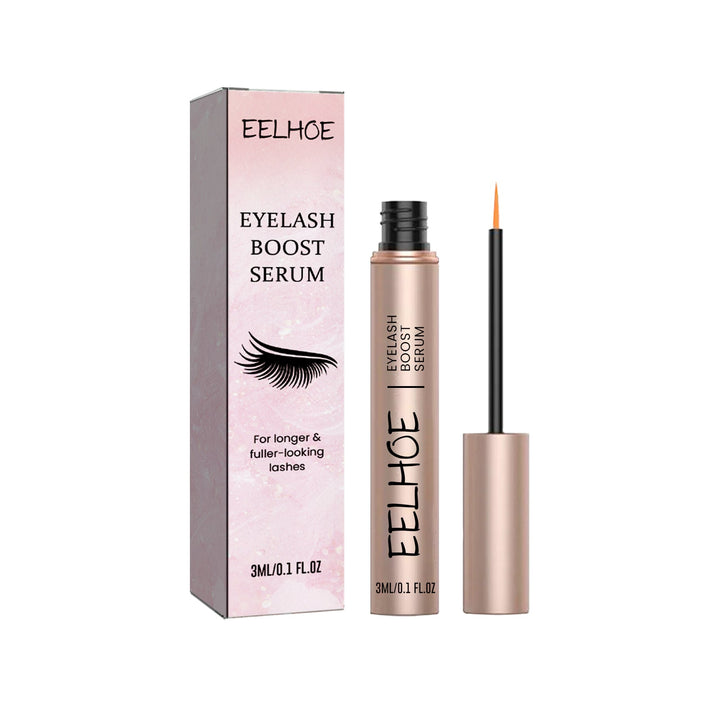

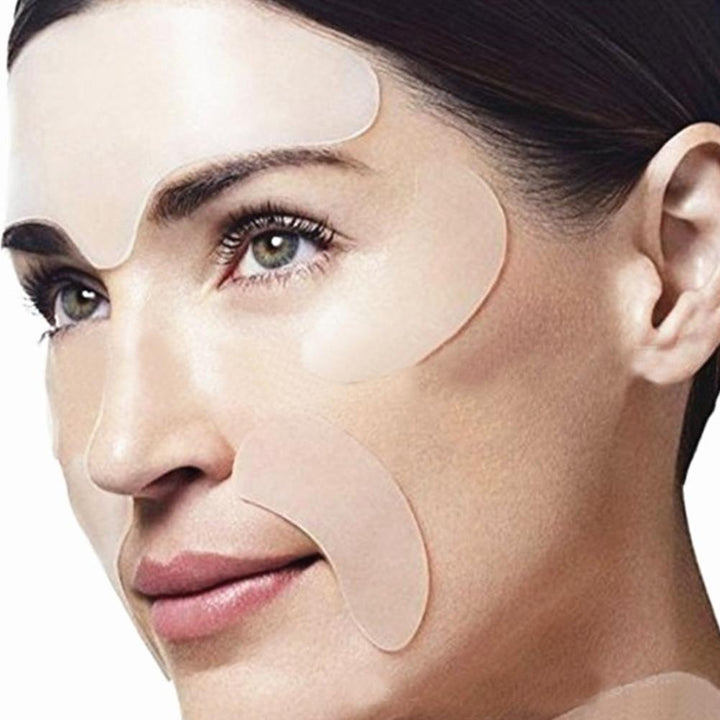
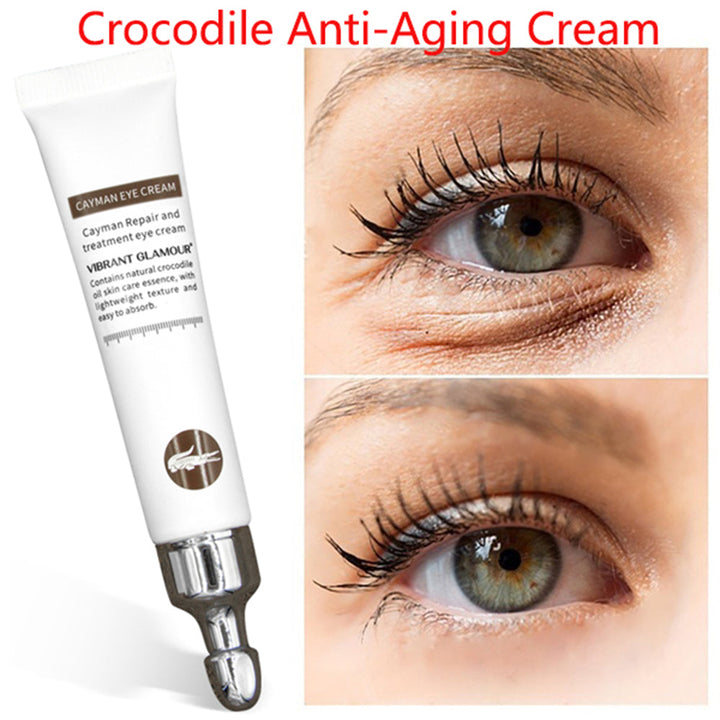


Shop practical eye care products for the look and feel of the eye area, plus gentle cleaning options for dogs and cats. This selection includes under-eye gels, creams, retinol and lavender eye products, facial masks, forehead patches, serums, pet eye wipes, and pet eye wash for everyday routines.
Start with your main routine goal. Choose a firming eye gel, lavender eye cream, or retinol eye stick when you want the under-eye area to look smoother, brighter, or more hydrated. For broader facial care, an anti-aging face serum can support a daily moisture routine, while collagen facial sheet masks provide a short, targeted self-care step. Forehead patches are suited to the forehead rather than directly under the eyes. If you are shopping for a pet, select pet eye wipes or pet eye wash made for dogs and cats instead of using human skincare. Check each product label for application guidance, storage instructions, and any stated skin or pet-use limitations before adding it to your eye care routine.
Eye gels and eye creams are leave-on products designed for the delicate-looking skin around the eyes; gels often feel lightweight, while creams may feel richer. An eye stick offers a portable, controlled application format and is easy to keep in a makeup or travel bag. Sheet masks cover more of the face and can complement, rather than replace, an eye product. Forehead patches target a specific area and are used separately from under-eye care. Pet eye wipes are convenient for gently cleaning the surrounding area, while pet eye wash is a liquid option for daily cleaning when its label indicates it is suitable. These are cosmetic or grooming choices, not substitutes for professional eye care.
Look for a format that fits how you shop and apply products. A pump, tube, or stick can help control how much product you use, while individually packaged sheet masks may suit occasional routines. For facial products, review the ingredient list if you are sensitive to fragrance or active ingredients, and follow the product directions for the under-eye area. Retinol products deserve especially careful label reading because usage guidance can differ. For pets, confirm that wipes or wash are intended for dogs and cats, and avoid choosing a human eye cream or serum for animal use. If an item is for the eye area, check whether the directions say to apply around the eyes rather than directly into them.
Begin with clean hands and a clean, dry face unless the product directions say otherwise. Apply a small amount of eye gel, cream, or eye stick around the eye area as directed, avoiding direct contact with the eyes. Use a sheet mask or forehead patch for the stated wear time, then remove it gently without rubbing. A face serum can be used on the broader face according to its instructions, but do not assume it belongs on the eyelids or under-ey eyes. For pet eye wipes, use a fresh wipe as directed for each cleaning session; for pet eye wash, follow the package instructions carefully. Stop using any product that causes discomfort and seek professional advice for persistent eye symptoms.
One common mistake is treating every product as interchangeable. Human skincare should not be used as pet eye care, and pet eye wash or wipes should not be used as human eye drops. Avoid applying facial serum, retinol, or eye cream directly into the eye unless its label specifically permits that use. Do not rub the eye area while removing patches or masks, and do not share products that touch the skin or eye area. Another mistake is layering several new products at once, which makes it harder to identify what does not suit you. Keep packaging available, follow storage guidance, and replace products when their recommended use period has passed.
This category suits shoppers building a cosmetic eye care routine for hydrated-, smoother-, or brighter-looking skin, as well as people who prefer targeted formats such as an eye stick, gel, cream, sheet mask, or forehead patch. It also suits dog and cat owners seeking labeled grooming products for gentle daily cleaning around the eyes. These products are not a general eye care medicine, tablet, or treatment for changes in eyesight. Shoppers with ongoing irritation, pain, discharge, sudden vision changes, or other concerning symptoms should consult an appropriate healthcare professional or veterinarian rather than relying on a cosmetic or grooming product. If you are unsure whether an ingredient or format suits you, review the label and ask a qualified professional.
Use products only as directed, avoid rubbing the eye area, keep hands and applicators clean, protect products from contamination, and arrange professional advice when you notice persistent or sudden changes. For cosmetic routines, choose products made for the area you are treating. Pet owners should use only wipes or wash labeled for dogs and cats.
Cosmetic eye creams, gels, masks, and patches are designed for the appearance of the surrounding skin and are not intended to improve eyesight. If your vision has changed or you are having difficulty seeing, schedule an eye examination with a qualified professional. Seek urgent care for sudden or severe changes.
Common eye concerns can include refractive errors, dry or irritated eyes, infections, and age-related changes, but the right description depends on symptoms and examination. A product category page cannot diagnose an eye problem. Ask an optometrist or ophthalmologist for an accurate assessment, especially when symptoms persist.
A simple cosmetic routine can include clean hands, gentle cleansing, one suitable under-eye product, and careful application around—not inside—the eyes. Add a face serum, sheet mask, or forehead patch only according to its directions, and introduce new products one at a time. For pets, use labeled eye wipes or eye wash as directed and contact a veterinarian about unusual symptoms.
No drink can be presented as a guaranteed solution for eyesight or an eye condition. Water can be part of general hydration, while a varied, balanced diet supports overall wellbeing. For personalized nutrition or eye-health guidance, speak with a qualified healthcare professional.
There is no single food that can be responsibly identified as the universal cause of vision loss. Overall eating patterns, health conditions, age, and other factors can affect wellbeing. For concerns about vision or diet, consult an eye-care professional or registered dietitian rather than relying on a skincare product or a simple food ranking.
Browse related: Shop all Pet Eye Care Products for Dogs & Cats · explore pet skin care: mange, ringworm & mite treatment for dogs & cats.