Japanese Exfoliating Shower Towels | Bath & Body Exfoliators7 items


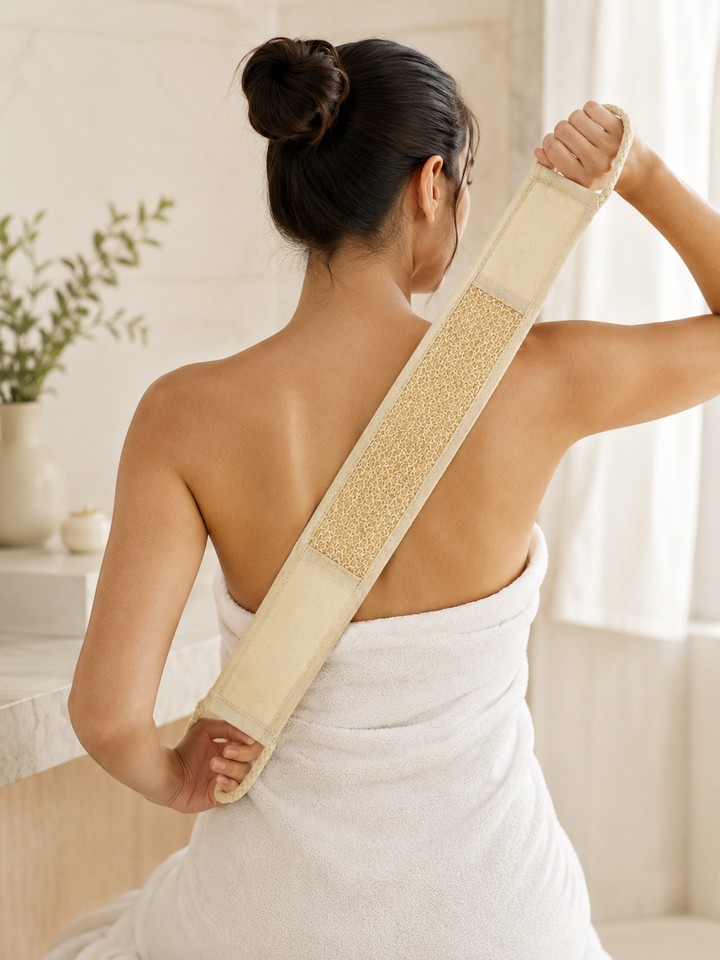
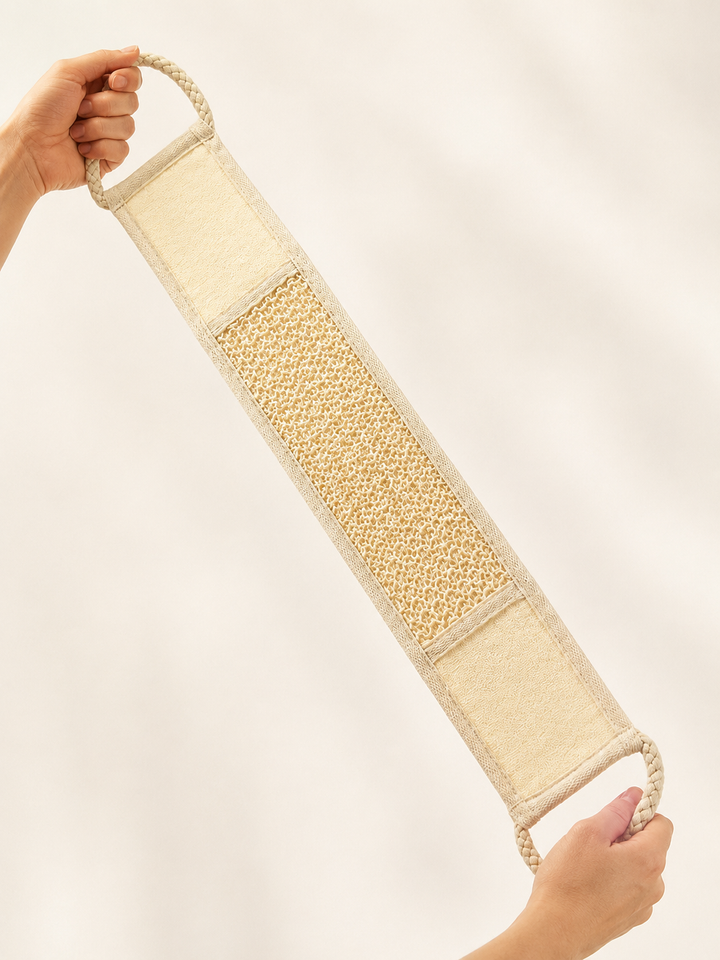
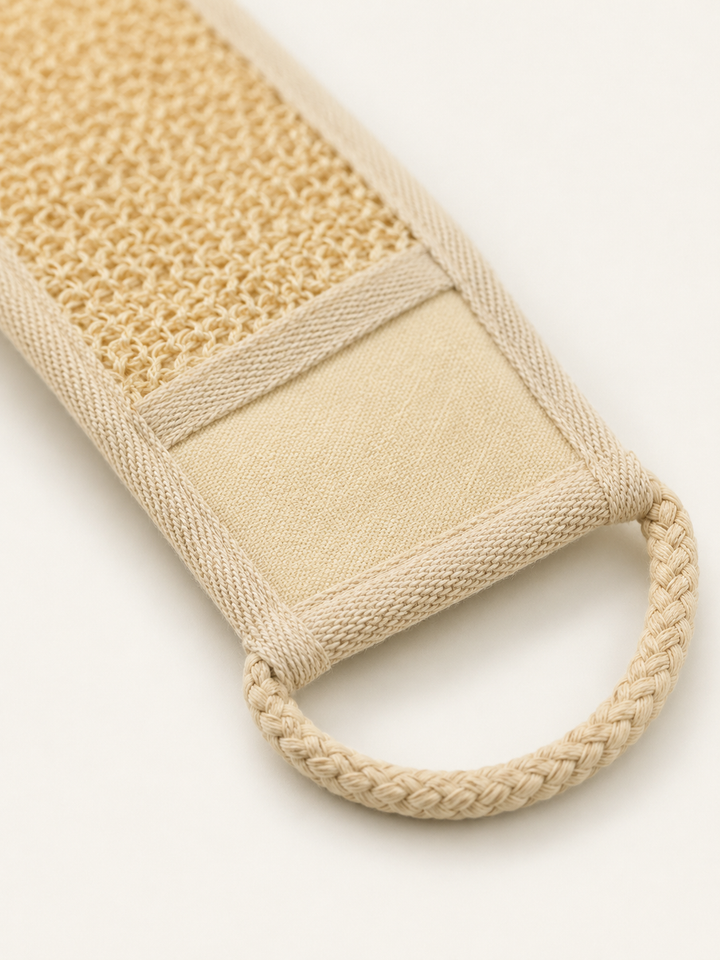

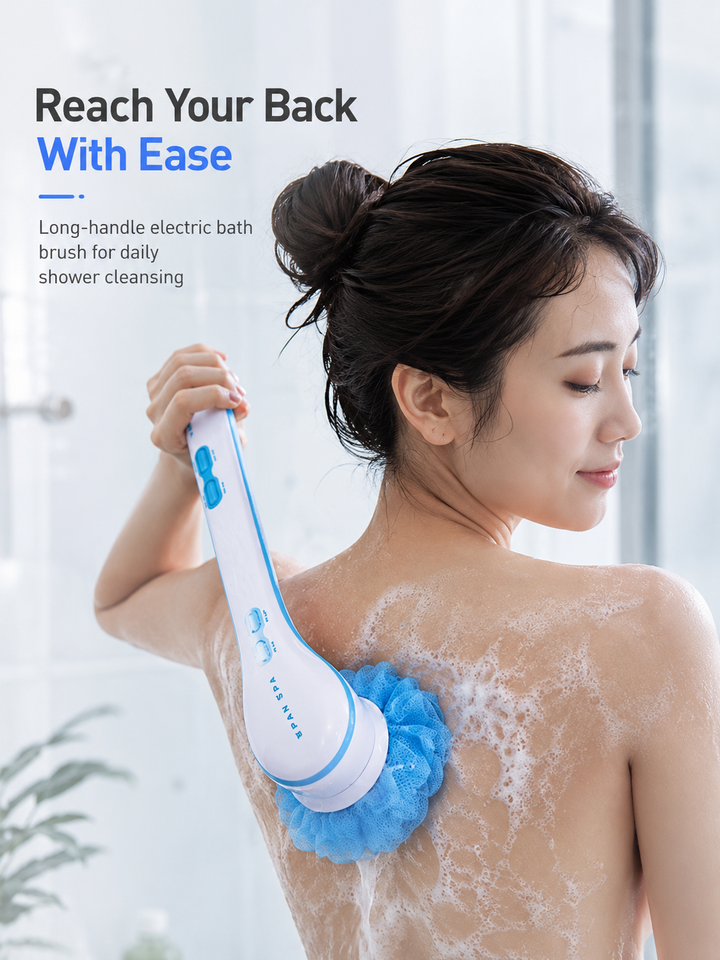

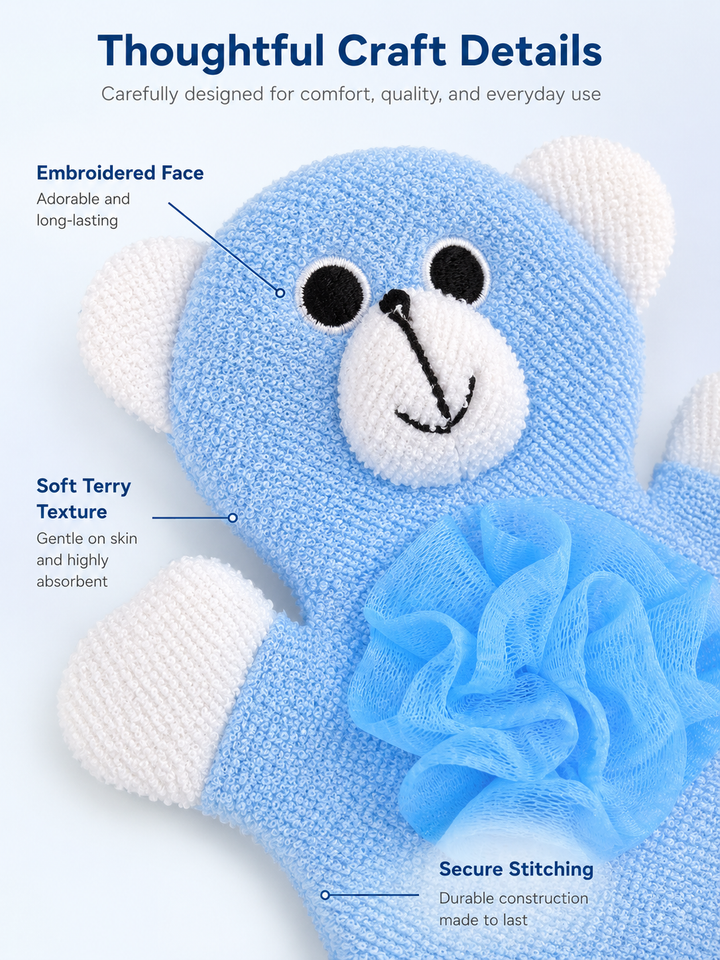

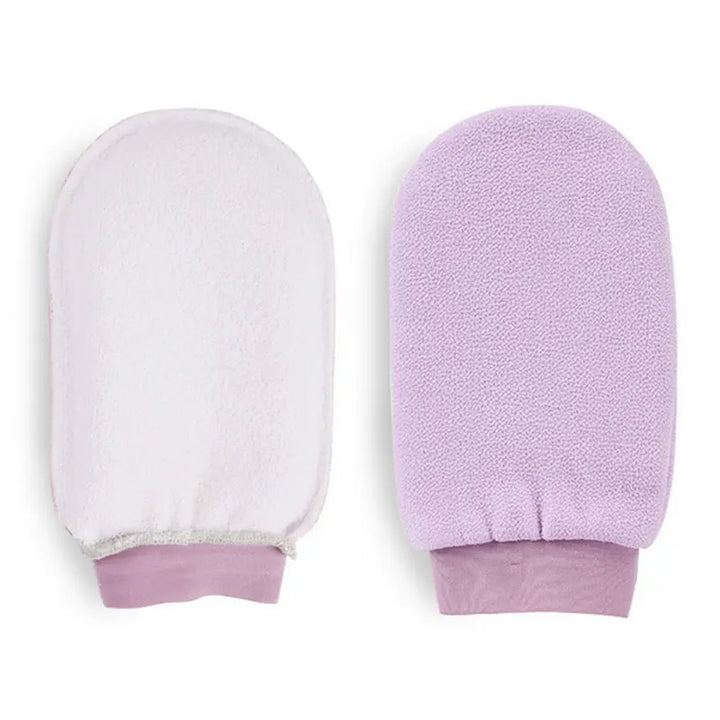
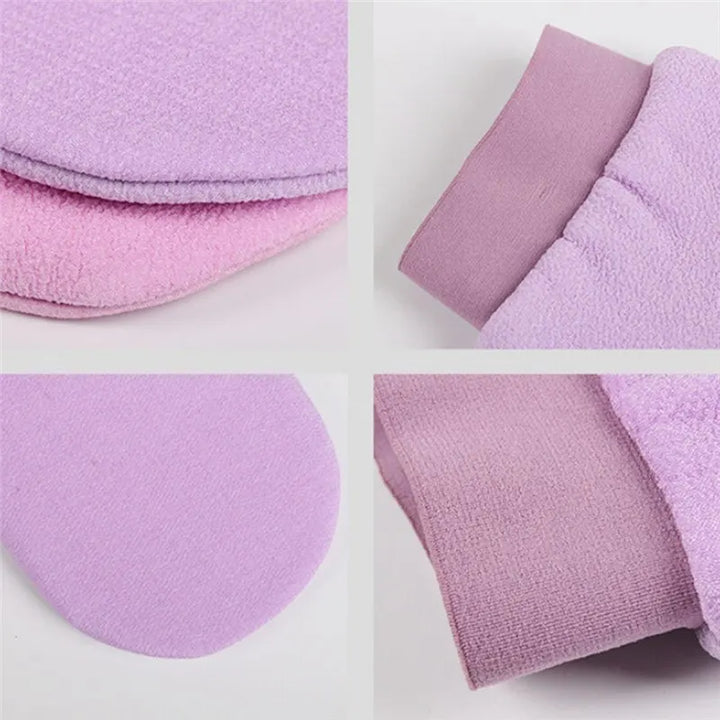
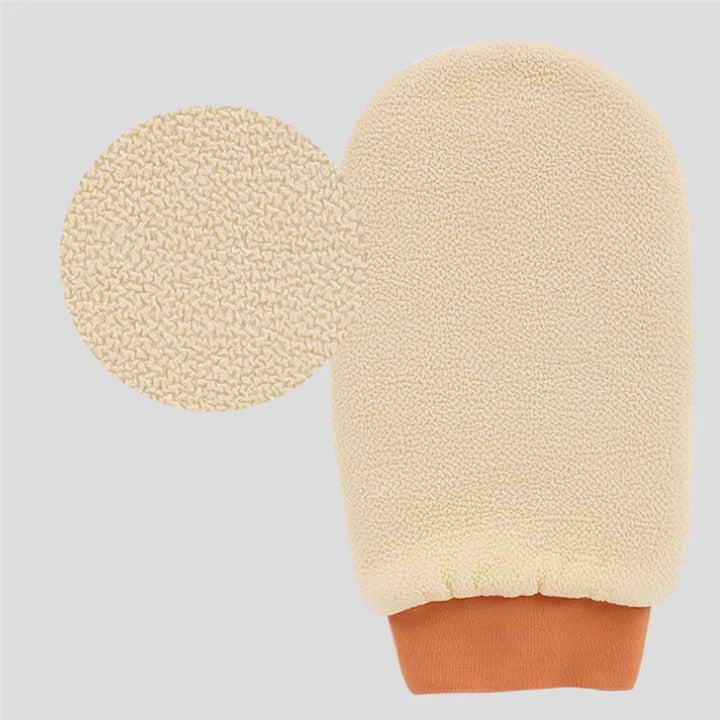

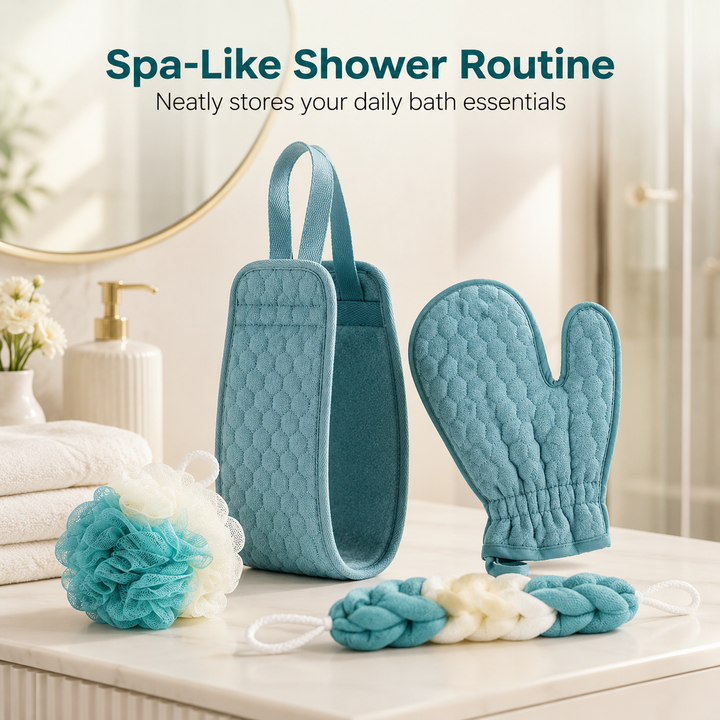

Exfoliating towels and bath tools help cleanse and polish the body during a shower, with options for different reaches, textures, and levels of hands-free convenience. This collection includes gloves, back scrubbers, silicone tools, an electric brush, a baby bath mitt, and a multi-piece set so you can match the tool to your routine.
How to choose the best exfoliating towel for your routine
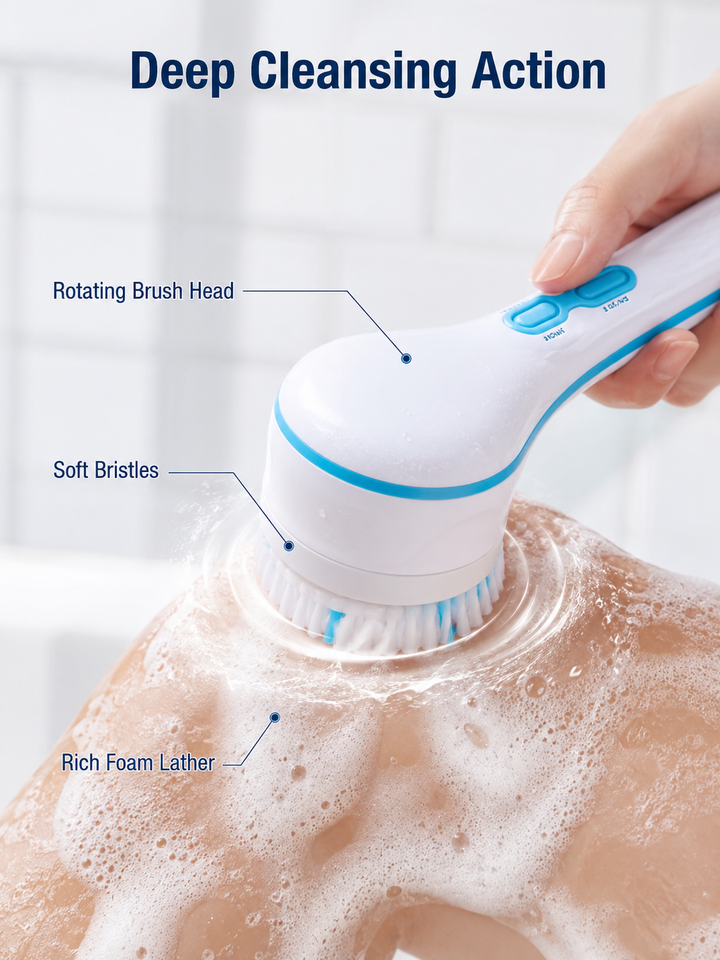
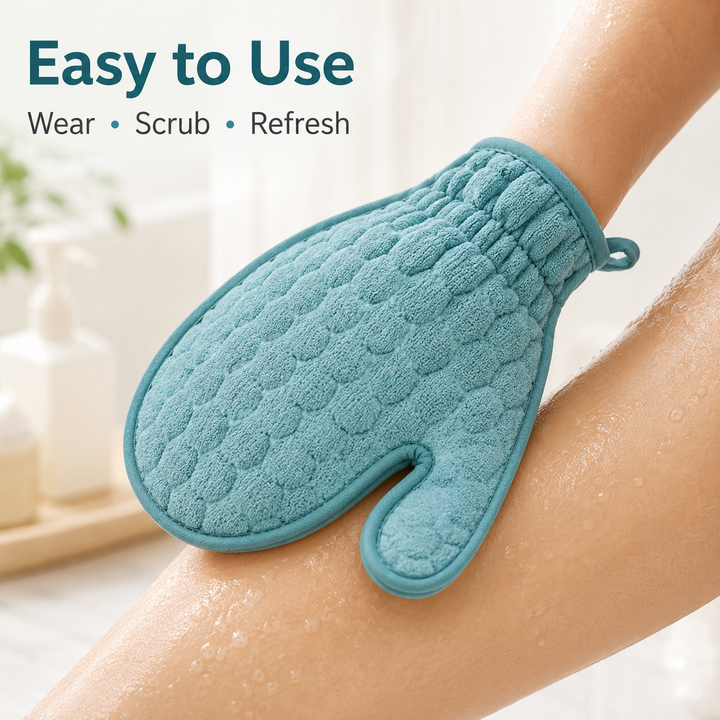
Start with the areas you want to reach and the texture you prefer. An exfoliating washcloth for body use is easy to guide over arms, legs, and torso, while a back strap scrubber is designed to reach across your shoulders and back without twisting. Choose exfoliating bath gloves when you want direct control and a close hand fit. Silicone options are simple to rinse and include a belt style for wider coverage. For a more hands-off routine, the Spin Spa Exfoliating Shower Brush provides powered brushing. If you want several tools in one purchase, the 5-Piece Exfoliating Bath Set includes a selection of spa shower accessories.
Exfoliating towels, gloves, brushes, and silicone scrubbers compared
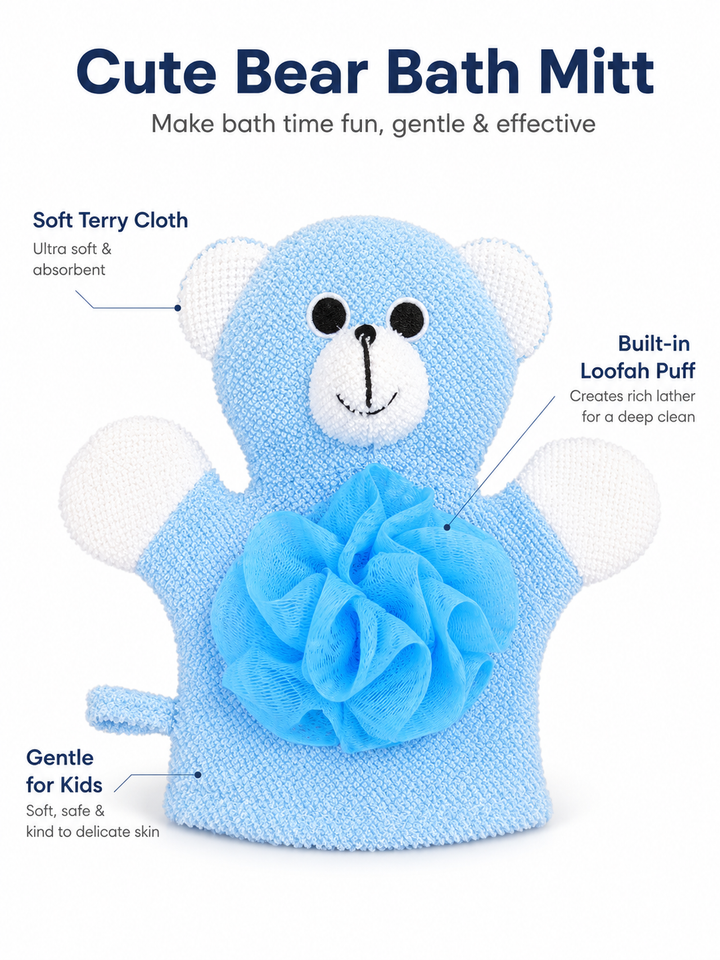
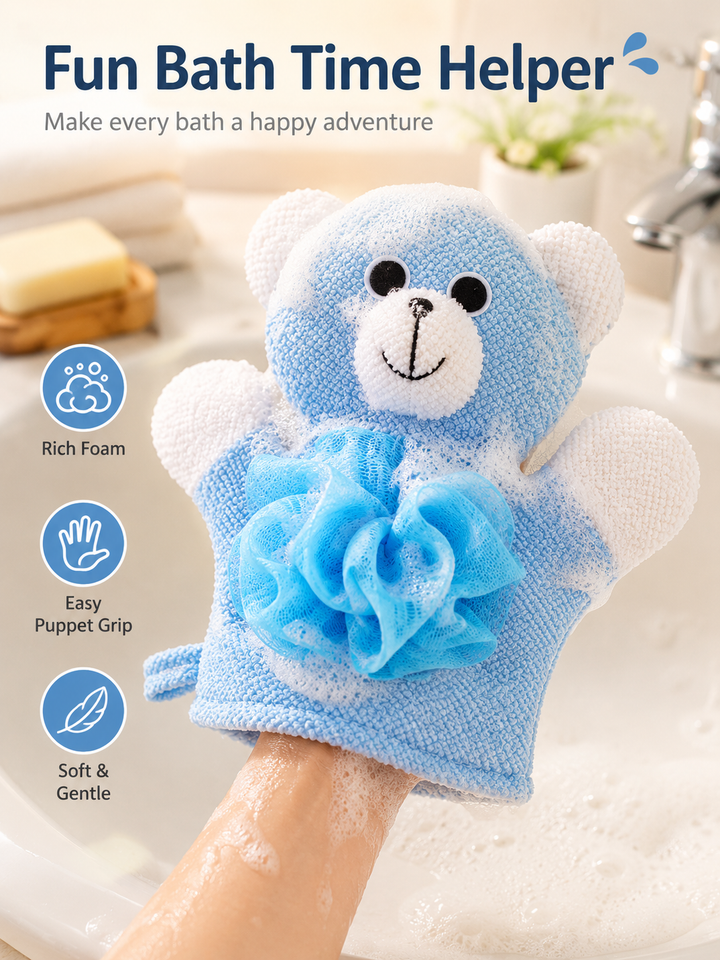
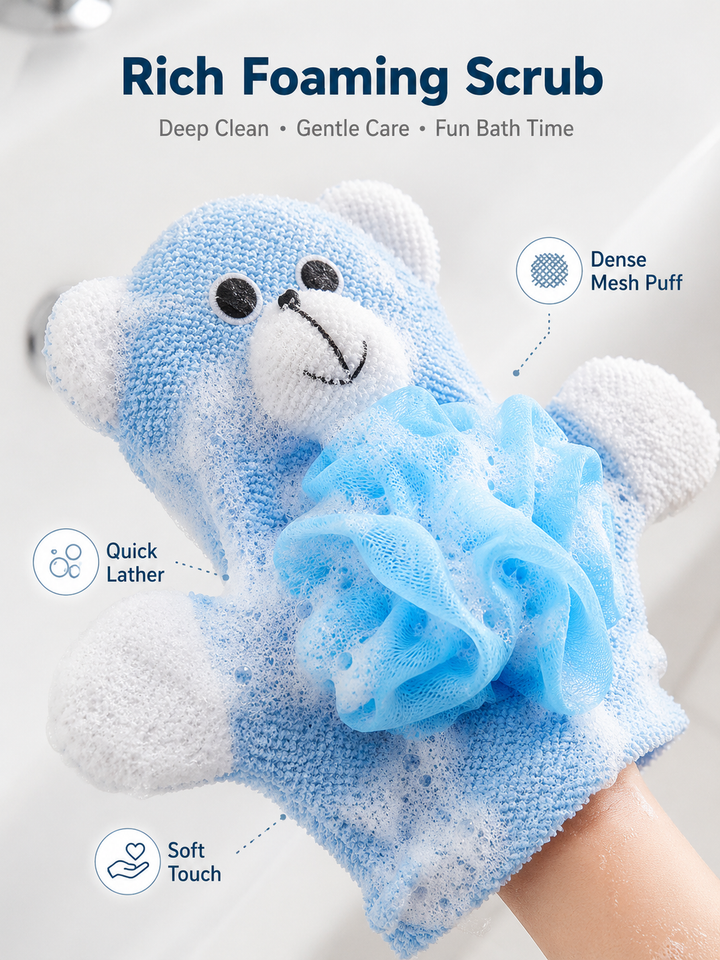
Exfoliating towels are flexible and useful for washing larger body areas, while gloves give you a secure grip and precise pressure. A natural sisal back strap offers textured scrubbing with handles at both ends, making it practical for hard-to-reach areas. Silicone body scrubbers have soft, flexible bristles and are quick to rinse; the dual-sided belt gives you two surface options. An electric bath brush adds powered rotation and interchangeable routine convenience. For younger bathers, the Animal Bath Mitt Gloves are sized as a two-pack for babies and toddlers. A Japanese exfoliating shower towel is another popular style for long, narrow reach, although the best choice depends on your preferred texture and handling.
What to look for in an exfoliating towel or body scrubber
Check the material, shape, reach, grip, and cleaning routine before buying. Textured fabric and natural sisal provide a more traditional scrub feel, while silicone offers a smooth, flexible construction that is easy to rinse after use. Long straps and belts can make back washing easier, especially when they have a handle or loop at each end. Gloves and mitts should stay comfortable when wet and allow you to control pressure with your fingers. If storage matters, look for a design that can hang or drain easily. The Antimicrobial Silicone Body Scrubber is made for shoppers who want a silicone option with an antimicrobial feature and a stated one-year use period. Always follow the product care instructions.
How to use an exfoliating towel in the shower
Wet the towel or scrubber with warm water, add body wash if desired, and begin with light pressure on clean, damp skin. Move in short, gentle strokes rather than repeatedly scrubbing one spot. A long back strap works best when you hold one end in each hand and guide it across the back; gloves and mitts let you work in smaller areas. Rinse the tool thoroughly after use, squeeze or shake out excess water when appropriate, and hang it where air can circulate. Most shoppers use exfoliating towels wet, not dry, because water softens the tool and helps it glide. Keep powered brushes according to their instructions and avoid using any tool on irritated or broken skin.
How often should you use an exfoliating towel?
Use an exfoliating towel according to how your skin feels and the texture of the tool. Begin occasionally rather than using it at every shower, especially with textured gloves, sisal, or a firm Japanese exfoliating shower towel. Reduce pressure and frequency if your skin feels uncomfortable, tight, or overly sensitive after use. Silicone scrubbers may suit shoppers who prefer a gentler-feeling surface, but technique still matters: light pressure is enough for routine cleansing. Avoid combining several strong scrubbing tools in the same session. After exfoliating, rinse away product and follow your usual body-care routine. For babies and toddlers, use the Animal Bath Mitt Gloves gently and only with age-appropriate supervision.
Common mistakes when using exfoliating towels and gloves
A common mistake is scrubbing harder because the tool feels textured. Excess pressure can make the routine uncomfortable, so let the material do the work with light, even strokes. Another mistake is using a dry towel when the product is intended for wet shower use. Do not leave fabric, sisal, or silicone tools in a pooled-water area; rinse them and allow them to dry between uses. Replace a tool when it develops an odor that does not clear with cleaning, visible damage, or a worn texture. Keep electric brushes maintained as directed, and do not share personal exfoliating tools without careful cleaning. Finally, choose one tool for the area and routine instead of layering multiple exfoliators at once.
Frequently asked questions
Do exfoliating towels work?
They can help lift surface buildup while cleansing when used with water and light pressure. Results depend on the towel’s texture, your technique, and how consistently you use it.
How often should you use an exfoliating towel?
Start with occasional use and adjust based on how your skin feels. Textured towels, sisal straps, and exfoliating gloves may call for a lighter touch than flexible silicone scrubbers.
What are exfoliating towels for?
They are designed for washing and manually polishing the body during a shower. Long towels and straps are especially useful for reaching the back, while gloves and washcloth-style tools offer more control on arms and legs.
Which exfoliating towel is best?
The best option depends on the areas you need to reach and the texture you prefer. Choose gloves for control, a sisal strap for back reach, silicone for easy rinsing, or the electric brush for a powered routine.
Do you use an exfoliating towel wet or dry?
Most shower exfoliating towels and scrubbers are used wet, often with body wash. Wet the tool first and follow its care and use instructions, particularly for electric brushes.
How often should I replace a Japanese exfoliating towel?
Replace it when the fabric becomes damaged, the texture changes noticeably, or it develops an odor that remains after washing and drying. There is no universal replacement schedule, so inspect the towel regularly and follow the product’s care guidance.