
$64.90
Free delivery · 7–14 days
Rice Exfoliating Gel for Sensitive Skin Face & Body


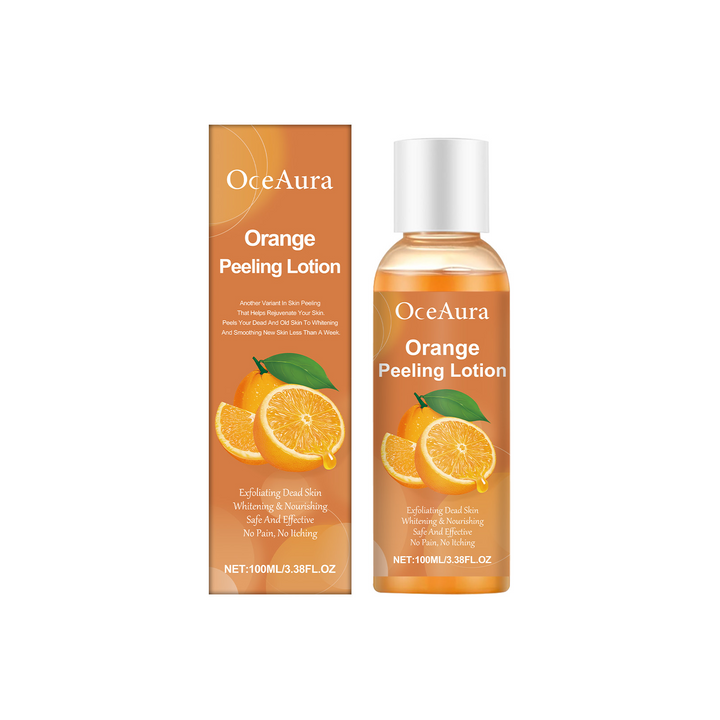
Find a face or body exfoliating oil, peeling gel, or exfoliant for smoother, more radiant-looking skin. This category includes options for dull areas, uneven-looking tone, rough texture, sensitive skin, and targeted areas such as elbows, knees, and neck.
Start with the area you want to treat and the finish you prefer. For the face, Rice Exfoliating Gel for Sensitive Skin Face & Body is a practical choice when you want a gentler-feeling exfoliating format. Yellow Exfoliating Oil for Dull, Rough Uneven Skin and Dark Patch Exfoliating Oil for Elbows, Knees & Neck are designed around targeted body-care concerns. Choose Oceaura Body Exfoliating Oil for Stretch Marks & Tone when you prefer an oil texture for larger body areas. If you want a non-oil option for body care, Orange Peel Exfoliant for Smooth, Brighter-Looking Skin may suit your routine. Always read the product directions and select the mildest option that matches your intended use.
Peeling gels, exfoliating oils, creams, and body butters offer different textures and uses. A peeling gel generally feels lightweight and can be convenient for face-and-body routines, while an exfoliating oil leaves a more conditioned-feeling finish and may suit dry-feeling body areas. Rice Exfoliating Gel is positioned for sensitive skin on the face and body. Yellow Exfoliating Oil focuses on dull, rough, uneven-looking areas, while Dark Patch Exfoliating Oil is intended for elbows, knees, and neck. Body creams and whipped body butter are better suited to moisturising after cleansing rather than replacing an exfoliant. Compare the product area, directions, texture, and any caution statements before buying.
Look for clear information about where the product can be used, how often to apply it, whether it is rinsed off, and what to do if discomfort occurs. For an exfoliating oil for the face, confirm that the directions specifically include facial use rather than assuming a body product is suitable. For body care, consider whether you need a general formula or a targeted option for rough-looking elbows, knees, or neck. An oil texture can be appealing if you dislike a tight-feeling finish, but it may not suit every skin preference. Check the full ingredient list for known personal sensitivities, avoid applying to broken or freshly irritated skin, and patch test according to the label before wider use.
Use peeling oil exactly as directed on the packaging, since application steps vary by product. In general, begin with clean, dry skin on a small area, use a modest amount, and avoid the eye area, lips, and broken or irritated skin. Do not combine an exfoliating oil with several other strong exfoliating products in the same routine unless the label says it is suitable. Rinse or wipe away the product when instructed, then follow with a simple moisturiser if needed. If you are comparing extra strong peeling oil how-to-use advice, do not increase contact time or frequency to speed up results. Stop if your skin feels uncomfortable and seek professional advice for persistent concerns.
A common mistake is treating an exfoliating oil like an everyday facial cleansing oil. Exfoliating products are not automatically suitable for daily use, and more product does not mean better results. Avoid vigorous rubbing, applying to sun-exposed or freshly shaved skin, or using a face product on a sensitive body area without checking the label. Be especially cautious when searching for yellow peeling oil side effects or extra strong peeling oil side effects: product strength, ingredients, and directions differ, so rely on the specific packaging rather than general online claims. Do not expect an oil to physically remove every blackhead or instantly change the appearance of dark patches. Consistent, label-directed use is a safer approach.
Exfoliating oil can suit shoppers who prefer an oil-based texture and want to care for dull-looking, rough-feeling, or uneven-looking body areas. Oceaura Body Exfoliating Oil is intended for body care, while Yellow Exfoliating Oil and Dark Patch Exfoliating Oil offer more targeted options. For facial use, choose a product whose directions clearly include the face, such as Rice Exfoliating Gel for Sensitive Skin Face & Body, rather than assuming every peeling oil is suitable. Shoppers with easily reactive skin should start cautiously, patch test, and avoid layering multiple exfoliants. Whipped Body Butter, Firming Body Cream, or Moisturizing Concealer Cream can complement an exfoliating routine when you want added moisture or a more even-looking finish, but they serve different purposes.
Use a product suited to the specific area, follow its directions, and avoid aggressive rubbing or overly frequent application. Start cautiously, patch test when advised, and moisturise after cleansing or rinsing if your skin feels dry.
No oil should be expected to pull out blackheads on its own. An exfoliating oil may help you care for the feel and appearance of rough or congested-looking skin, but use it only as directed and avoid squeezing or scrubbing the area.
There is no single exfoliation product used by everyone in Korea. Shoppers may choose gels, gentle exfoliating formulas, or other skincare products based on their skin preferences; compare the product directions and intended area rather than relying on a regional label.
Only use an exfoliating oil on your face when the product directions specifically allow facial application. Body-focused oils, including targeted formulas for elbows, knees, or neck, should not automatically be used on facial skin.
That depends on the oil and your skin preferences, but an exfoliating oil is not automatically intended for daily use. Follow the label, avoid layering several exfoliating products, and stop using it if your skin becomes uncomfortable.
The best cleansing oil depends on your skin preferences, makeup or sunscreen needs, and the product instructions. An exfoliating oil is designed for exfoliation rather than automatically serving as a daily cleanser, so choose a product clearly labelled for facial cleansing when that is your goal.