Earplugs for Sleeping: Noise Cancelling & Snoring Earplugs
5 items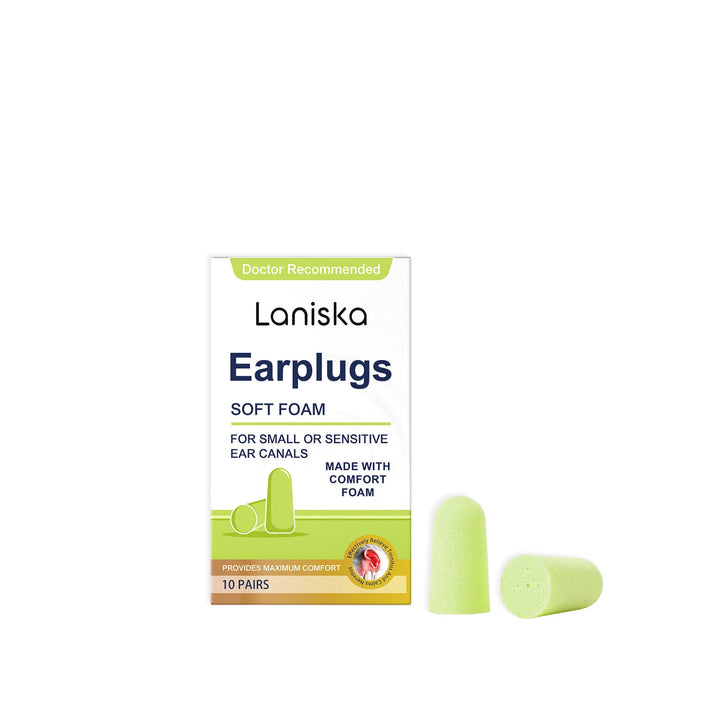
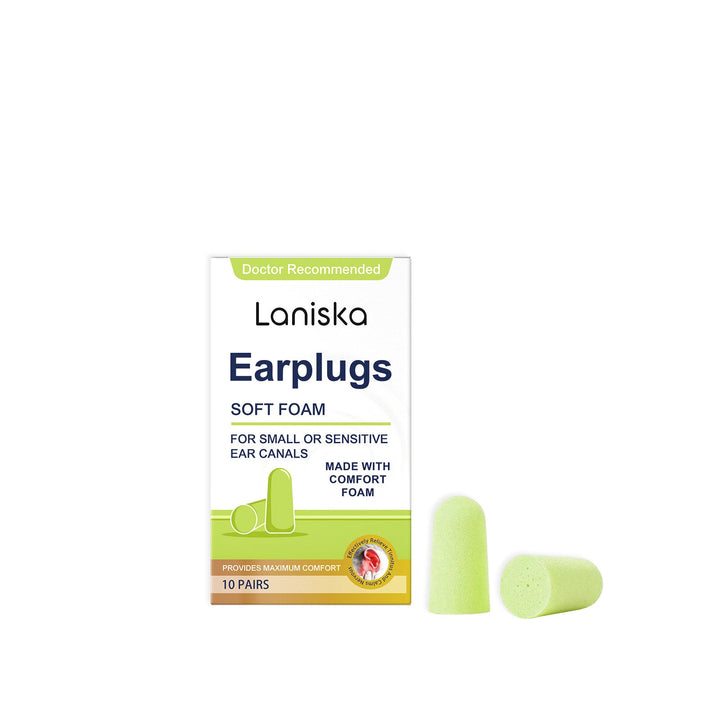


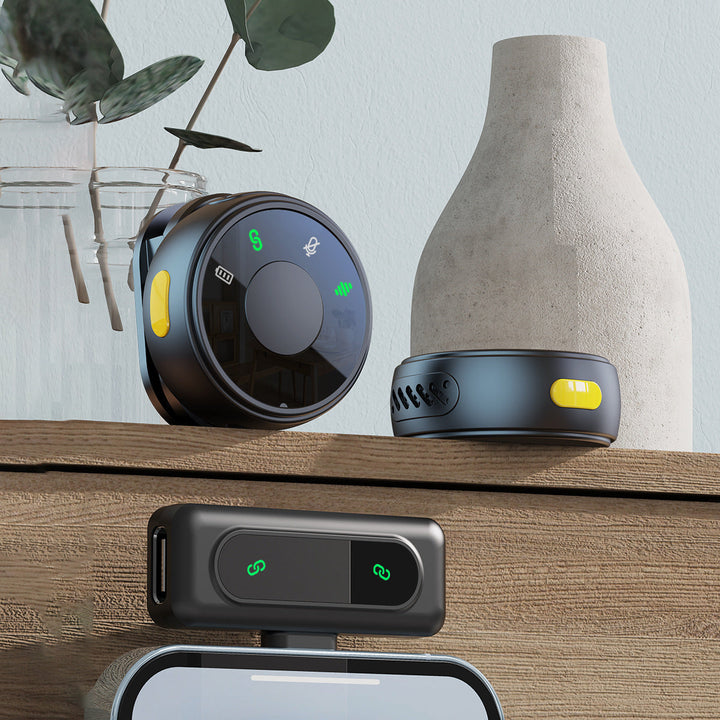




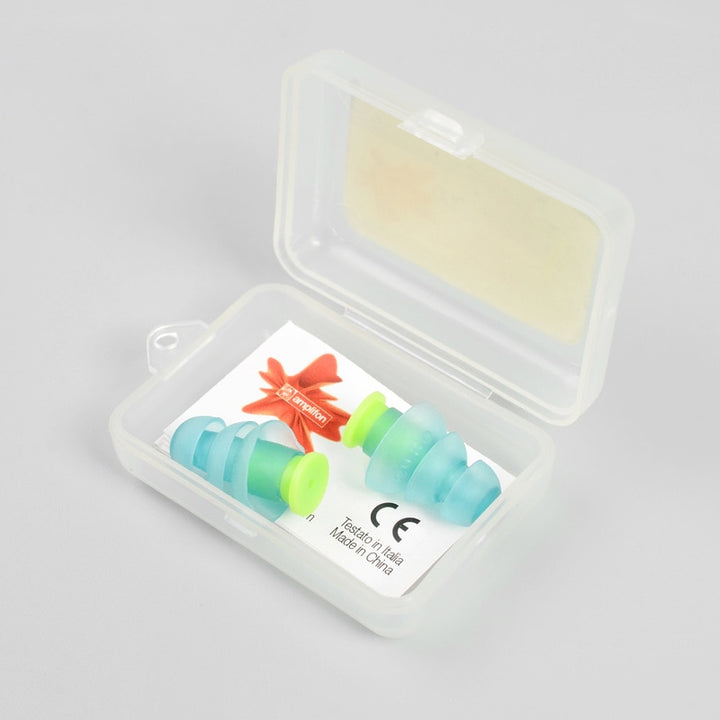


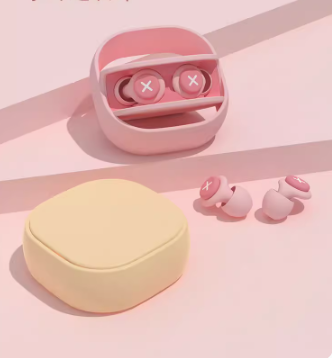
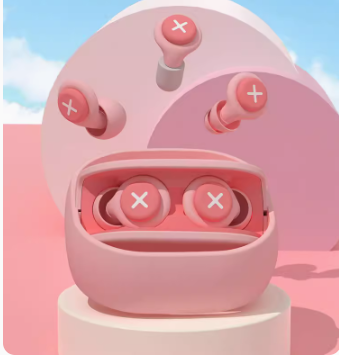

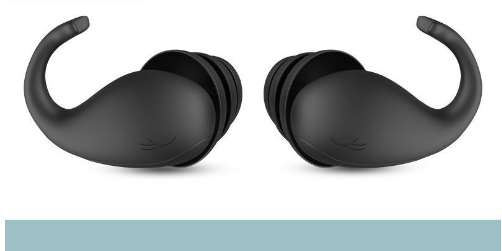
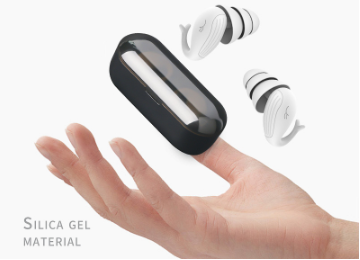
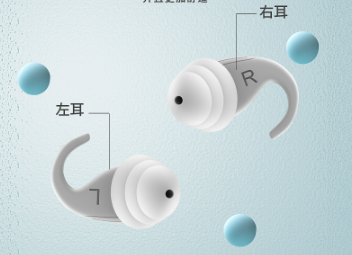
Earplugs can help reduce unwanted sound at bedtime, during travel, at work, or at live events. This category includes compact sleep earplugs, reusable silicone designs, noise-reducing earbuds, and a wireless lavalier microphone system for situations where capturing clear speech matters more than blocking sound.
How to choose earplugs for sleeping and snoring
Start with the sound you want to reduce and how you sleep. For a side sleeper, small earplugs for comfortable noise reduction at rest may be easier to position than larger designs. If snoring or household distractions are the main problem, noise-reducing earbuds or soundproof silicone earplugs for sleeping may offer a closer, more secure fit. Reusable earplugs can suit regular nightly use when you are willing to clean and store them, while disposable earplugs are convenient for travel, occasional work shifts, or shared spaces. Check the product shape, material, and fitting instructions before buying. No earplug blocks every sound, so choose a design that reduces unwanted noise while still allowing you to notice alarms, calls, or other sounds you need to hear.
What types of earplugs are best for different uses?
Foam or disposable earplugs are simple, lightweight options for occasional use, including travel and noisy work areas. Reusable silicone earplugs are designed for repeated use and can be useful for sleeping or concerts when you prefer a moldable, washable material. Compact earplugs are a practical choice when low profile comfort matters, especially for people who sleep on their side. Noise-reducing earbuds are better suited to shoppers who want an earbud-style fit for snoring and everyday distractions. Earplugs for music should reduce volume without making the experience feel completely closed off; review the product description for its intended use rather than assuming every earplug is made for concerts. The wireless lavalier mic system is different: it captures speech for recording or live use and is not a substitute for earplugs.
What to look for in reusable and disposable earplugs
Look for a shape that matches your routine, such as a small profile for resting, a moldable silicone design for a personalized seal, or a reusable earbud format for frequent use. Material affects handling: silicone can be wiped or washed according to the instructions, while disposable earplugs are intended for limited use and should be replaced when dirty, damaged, or difficult to fit. Consider whether you need a carrying case, a pair that stays in place during movement, or a design made for concerts rather than maximum quiet. For earplugs for work, review the stated use and workplace requirements before purchase. For earplugs for sleeping, prioritize comfort and fit over appearance. If you search for the best earplugs, compare intended use, maintenance, and fit instead of relying only on the word “noise cancelling.”
How to use earplugs safely and comfortably
Read the fitting directions for the specific pair, because foam, silicone, and earbud-style products are positioned differently. Start with clean hands and clean, dry earplugs. Insert gently; never force a plug farther into the ear than the instructions recommend. For reusable designs, clean and dry them as directed, then store them in a case to reduce contact with dust and other debris. Do not share earplugs, and replace any pair that becomes cracked, sticky, misshapen, or difficult to clean. When sleeping, make sure you can still respond to important alarms or agreed signals. If wearing earplugs causes pain, persistent irritation, discharge, or a noticeable change in hearing, stop using them and seek advice from a qualified healthcare professional.
Common earplug mistakes to avoid
A common mistake is choosing maximum sound reduction when the real priority is comfort. An oversized design may press against the ear during sleep, while an undersized plug may not stay in place. Another mistake is using concert earplugs as if they were designed for snoring, or expecting sleep earplugs to remove every sound. Do not push earplugs deeply, reuse disposable products beyond their intended condition, or clean reusable plugs with products that could damage the material. Avoid buying solely from a search such as “earplugs Amazon” or “best earplugs”; compare the listing details, fit, intended setting, and care requirements. Also check the product type carefully: a wireless lavalier microphone system is for transmitting recorded or live speech, not for reducing noise around the wearer.
Who are earplugs for sleeping, music, and work suited to?
Earplugs for sleeping are suited to shoppers who want to reduce bedroom noise, snoring, travel sounds, or everyday distractions. Compact designs can be useful for side sleepers, while silicone or earbud-style options may appeal to people who prefer a more structured fit. Earplugs for music and concerts are intended for listeners who want to reduce the intensity of loud sound while continuing to hear the event; check the product description for that purpose. Earplugs for work may suit noisy environments, but workplace rules and required protective equipment come first. Disposable earplugs fit occasional use, while earplugs reusable designs are more practical for frequent routines when maintained properly. If your priority is recording or amplifying speech, choose the wireless lavalier mic system rather than a noise-blocking product.
Frequently asked questions
Is it healthy to wear earplugs?
Many people use earplugs comfortably, but comfort and hygiene depend on the product and how it is fitted. Use clean earplugs, follow the care instructions, and stop if you notice pain, irritation, discharge, or a change in hearing.
What is the most effective ear plug?
The most effective choice depends on the sound, fit, and intended use. A well-fitting sleep design may work better for snoring and bedtime noise, while a concert design or work-oriented product may be more suitable for those settings.
Is it okay to wear earplugs every night?
Some shoppers use reusable earplugs nightly when they fit comfortably and are cleaned as directed. Check the product instructions, keep the earplugs and ears clean and dry, and stop using them if they cause discomfort or other ear changes.
Which type of ear plugs are best?
Foam or disposable earplugs are convenient for occasional use, while reusable silicone and earbud-style designs can suit regular routines. For sleeping, prioritize a comfortable low-profile fit; for music, choose a product intended for concerts rather than a maximum-blocking sleep model.
What earplugs do audiologists recommend?
There is no single best earplug for everyone because fit, material, comfort, and intended use vary. If you have hearing concerns, recurring ear discomfort, or difficulty finding a comfortable fit, ask an audiologist or other qualified healthcare professional for personalized guidance.
Is there anything better than earplugs?
Alternatives depend on the noise and your surroundings. You might combine earplugs with a quieter room, a fan or sound machine, improved door or window sealing, or noise-reducing headphones; headphones are not always comfortable for sleeping and do not replace products intended for workplace protection.