
$64.90
Free delivery · 7–14 days
Heavy Duty Wheel Cleaner for Brake Dust and Rust

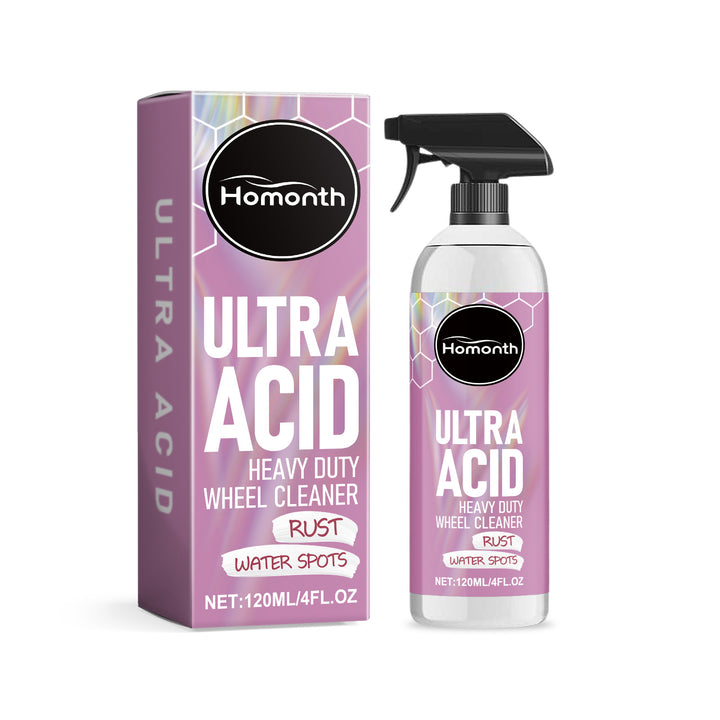


Dish sponges and sponge scrubbers are designed for washing dishes, cleaning cookware, and tackling everyday kitchen residue. The products currently listed in this category are heavy-duty automotive cleaners and a home-repair adhesive, not dishwashing tools, so they should not be used on plates, utensils, cookware, or food-contact surfaces.
Start with the surfaces and messes you clean most often. A soft cellulose or foam dish sponge suits plates, glasses, and routine washing, while a heavy-duty scrub sponge is better for baked-on food and durable cookware. If you prefer to keep your hands away from hot or greasy water, consider a dish washing sponge with handle or dish sponge wand. Check whether the scrub layer is suitable for nonstick pans, polished finishes, and delicate glass before use. A sponge with a hanging loop or a separate dish washing sponge holder can dry more easily between uses. This category currently contains automotive wheel cleaners, a car degreaser, and nail-free adhesive rather than dish sponges, so verify the product type before ordering.
Standard foam sponges are flexible and useful for everyday dishwashing. Scrub sponges add an abrasive layer for stuck-on food, but the rough side may mark nonstick coatings, soft plastics, or delicate finishes. A sponge wand combines a refillable or built-in handle with a sponge head, making it useful for deep pots and for shoppers who want less direct contact with dishwater. Cellulose-style sponges absorb water well, while synthetic foam sponges dry faster depending on their design. Smiley face dish sponges are mainly a shape and presentation choice, not a separate cleaning performance category. Scotch-Brite dish sponge searches often refer to branded scrub-sponge styles; compare texture, size, and surface guidance rather than relying only on the name.
Look for a comfortable size that fits your hand without folding over during scrubbing. A dual-sided design can combine a soft washing surface with a tougher scouring layer, but the packaging should identify where each side is safe to use. Strong seams and a securely bonded scrub layer help a sponge hold its shape during repeated washing. For a sponge wand, check how the handle dispenses soap, how the head attaches, and whether replacement heads are available. A hanging eyelet, ventilated holder, or raised drying base can help the sponge drain instead of sitting in pooled water. Avoid choosing only by dishwashing sponge price: a lower upfront cost may be less useful if the sponge wears quickly or cannot handle your cookware.
Scrape loose food into the bin before wetting the sponge, then apply dish soap and work from the least greasy items to the dirtiest pans. Use the soft side on glasses, plates, and coated cookware unless the product instructions say otherwise. Reserve the abrasive side for compatible stainless steel, enamel, or other durable surfaces, and test an inconspicuous area first. Rinse the sponge thoroughly after washing, squeeze out excess water, and place it in a ventilated dish sponge holder or drying area. Do not use automotive degreasers, wheel cleaners, or household repair adhesive on dishes or food-contact surfaces. The heavy-duty products listed on this page are not substitutes for dishwashing sponges, brushes, or sponge wands.
One common mistake is using the abrasive side on nonstick pans, polished surfaces, or delicate glass. Another is leaving a wet sponge inside the sink, where it can stay damp and develop unpleasant odors. Do not use the same sponge for raw-meat cleanup, floors, bathrooms, and dishes without following the product instructions; separate tools make cleaning routines easier to manage. Replace a sponge when it becomes torn, slimy, misshapen, or difficult to rinse clean, following the maker’s guidance. Avoid microwaving, boiling, or putting a sponge in a dishwasher unless its label specifically permits that method. Also check this page carefully before purchase, because the listed car cleaners and adhesive are not dishwashing products.
Dish sponges suit shoppers who want a compact, flexible tool for everyday plates, cups, cookware, and kitchen cleanup. A heavy-duty scrub sponge is useful for households that regularly clean durable pans or baked-on residue, while a soft sponge is a better choice for delicate items. A dish sponge wand can suit anyone who prefers a handle, wants to dispense soap from the tool, or finds hand-held scrubbing inconvenient. A dishwashing brush may be preferable when you want a tool that stands upright or keeps your hand farther from food debris. If you searched for dish sponges at Walmart, Amazon, or another retailer, compare the actual material and intended use rather than assuming similarly named products are interchangeable. The current products here are not suitable choices for this category.
A soft foam or cellulose sponge is a practical choice for everyday plates, glasses, and routine washing. Choose a dual-sided scrub sponge when you also need to remove stuck-on food, but check that the abrasive side is safe for your cookware.
The best option depends on your surfaces and preferences. Look for a comfortable size, a durable bond between the sponge and scrub layer, clear surface guidance, and a design that can be rinsed and dried easily.
No sponge can be assumed to stay free of bacteria during use. Rinse it thoroughly, squeeze out excess water, let it dry in a ventilated place, and replace it according to its condition and the manufacturer’s instructions.
A dish brush or sponge with a handle may be easier to keep off the sink surface and can dry more readily, depending on its design. The most useful choice is one that can be rinsed completely, stored dry, and replaced when worn or difficult to clean.
There is no single answer for every product or cleaning routine. Both can stay damp after use, so wash or replace them as directed, rinse away food residue, and allow them to dry fully between uses.
Recommendations can change by test date, model, and availability, so check the publication’s current review directly. When comparing dish brushes here, focus on bristle stiffness, handle comfort, drying design, replacement options, and compatibility with your cookware; the products currently listed on this page are not dish brushes.