$35.90
Free delivery · 7–14 days
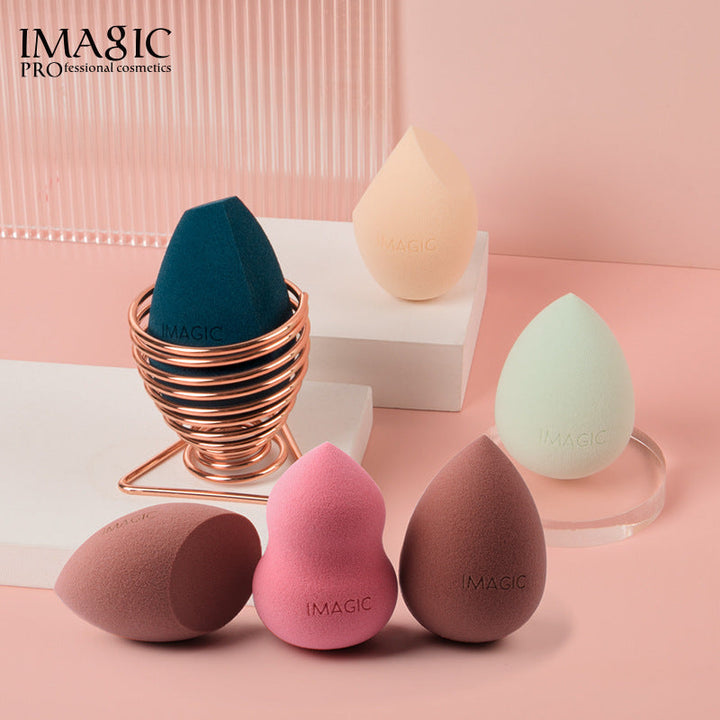
Water-Expandable Non-Latex Makeup Sponge Set, 2-Piece


Find the right makeup sponge for foundation, concealer, cream blush, and other complexion products. This category includes water-expandable non-latex sponges, beauty egg shapes, velvety puffs, multi-size sponge packs, and brush sets for blending and precision.
Start with the finish and products you use most. A rounded beauty egg sponge is versatile for liquid foundation and concealer, while a pointed tip helps reach around the nose and inner eye. Flat makeup sponge shapes can spread product across larger areas efficiently, and velvety puffs are useful for pressing and setting complexion products. If you want several application options, choose a makeup sponge pack with different sizes or shapes, such as the 5-size set or 12-piece set. A water-expandable non-latex set is a practical choice when you prefer a softer, fuller sponge after dampening. For detail work, consider a makeup sponge with handle or pair a sponge with a complete makeup brush set.
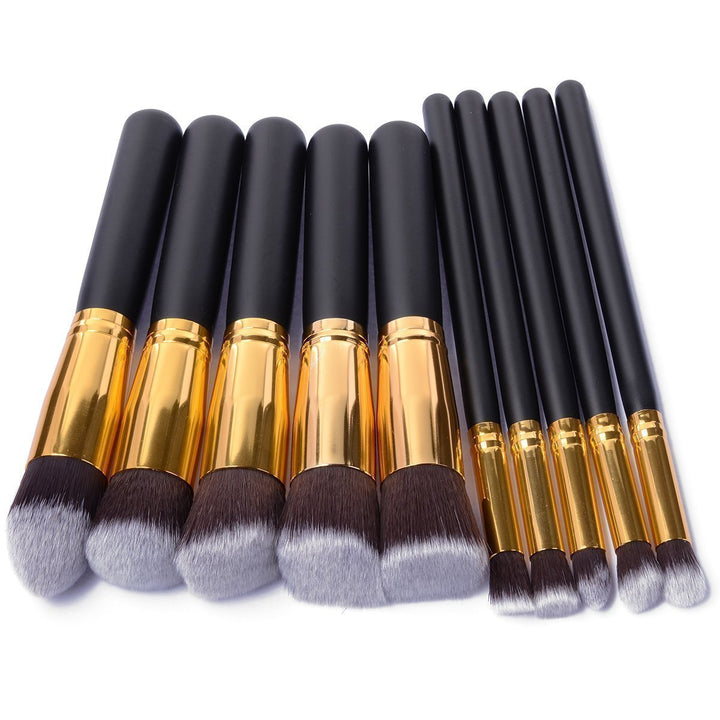
Beauty egg sponges have a rounded base and pointed end, making them a flexible choice for broad blending and small areas. Water-expandable sponges become larger and softer when damp, which can make tapping foundation across the face more comfortable. Velvety puffs are flatter and are suited to pressing powder or smoothing makeup without the bounce of an egg sponge. Multi-piece sets offer different sizes for the face, under-eye area, and targeted blending. A makeup sponge stick or handled sponge can provide extra reach and less direct contact with the product. Brush sets are not sponges, but they complement them well when you want brush precision followed by sponge blending.
Check the material, shape, size range, and intended use before choosing. Non-latex makeup sponges are a useful option for shoppers who specifically want a non-latex material. Look for a pointed end for corners, a rounded surface for cheeks and forehead, and a flat edge if you like controlled application along the nose or jaw. A makeup sponge set is convenient if you regularly use multiple complexion products or want backups between washes. Sets with five sizes, four puffs, or twelve pieces provide variety, while a two-piece water-expandable set keeps the selection simple. Also consider storage: a clean, ventilated place is preferable to leaving a damp sponge sealed in a makeup bag.
For a damp application, wet the sponge thoroughly, then squeeze out excess water and press it in a clean towel if needed. Apply a small amount of liquid foundation or concealer to the back of your hand or directly to selected areas, then use the rounded side to bounce and blend rather than drag. Use the pointed tip around the nose and eyes, and a flat edge for sharper placement. A dry makeup sponge generally gives a more concentrated application and can work well for cream products or targeted coverage. Test wet and dry methods with your beauty egg sponge to see which controls coverage best for your formula. Clean the sponge after use and let it air-dry fully.
One common mistake is soaking the sponge and using it while it is dripping; excess water can dilute liquid makeup and make blending uneven. Another is rubbing instead of tapping, which can move foundation rather than build a smooth layer. Avoid using the same unclean sponge repeatedly without washing it, and do not store it damp inside a closed pouch. Using one large sponge for every detail can also make precise application difficult, so a multi-size makeup sponge pack may be more practical. Do not overload the sponge with product: start with a small amount and add more where needed. If a sponge becomes torn, misshapen, or difficult to clean, replace it rather than relying on it indefinitely.
A makeup sponge suits shoppers who want to blend liquid or cream complexion products with a tapping technique and adjustable coverage. Beginners may prefer a beauty egg sponge because its rounded body and pointed tip cover common application areas without requiring several tools. Experienced users can choose a professional makeup sponge set or a 5-size set for more control around the eyes, nose, and jawline. Velvety puffs are a useful alternative for shoppers who prefer pressing powder or smoothing makeup with a flatter surface. If you switch between blending and detailed work, combine a sponge set with a brush set. Shoppers looking for disposable makeup sponge options should check the product details carefully, since the products here focus on reusable sponge and brush tools.
A rounded beauty egg sponge is a versatile choice for liquid foundation, concealer, and cream products. Choose a pointed tip for detailed areas, a flat edge for controlled placement, or a multi-size set if you want several application shapes.
The best makeup sponge depends on your preferred finish, formula, and technique. A damp water-expandable sponge offers a softer, fuller surface for tapping, while a dry sponge can provide more concentrated application; compare these options with multi-piece sets when you want flexibility.
They are commonly called makeup sponges, beauty sponges, blending sponges, beauty eggs, cosmetic sponges, or velvety puffs. Some styles are also described as flat sponges, handled sponges, or sponge sticks.
Neither method is best for every product or preference. A damp sponge can feel softer and help blend liquid makeup with a tapping motion, while a dry sponge can give more concentrated placement; remove excess water before use.
Use a reusable makeup sponge, then clean it after each application and let it dry completely before storing. Replace it when it becomes torn, permanently stained, misshapen, or difficult to clean rather than keeping it indefinitely.
Both tools can work well. A brush can spread foundation efficiently and offer precise control, while a damp sponge can tap and soften the look of blended edges; many shoppers use a brush for initial placement and a sponge for final blending.