$139.90
Free delivery · 7–14 days
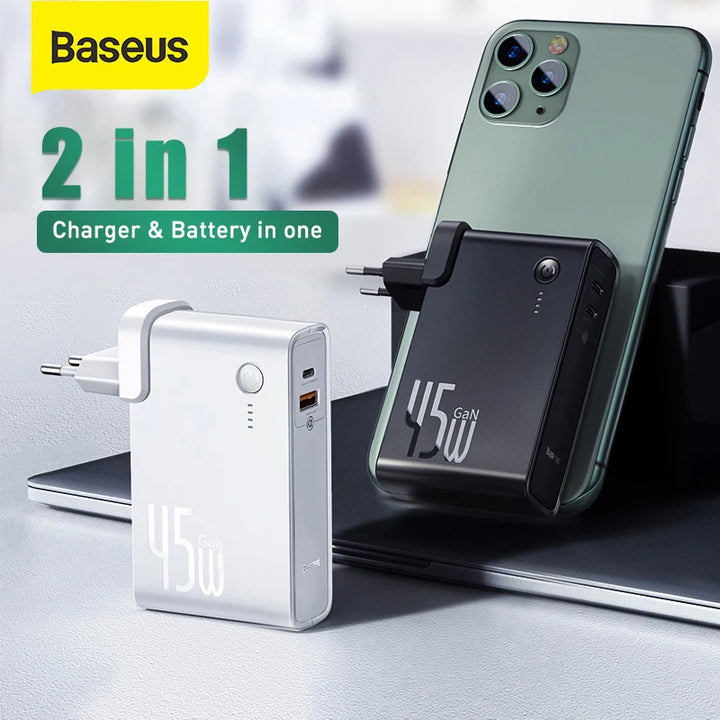
10000mAh 2-in-1 GaN Power Bank Charger — 45W PD Fast Charge


Choose a dehumidifier by matching its capacity, controls, noise level, and drainage options to the room where it will run. This guide compares compact portable models for bedrooms, bathrooms, basements, and other small spaces so you can shop with practical expectations.
Start with the room and the moisture problem you want to manage. A compact dehumidifier is suitable for bedrooms, bathrooms, closets, laundry areas, and other small spaces where excess humidity is occasional or localized. For a basement or several connected rooms, check the product’s stated coverage and consider whether one small unit can realistically serve the area. Look for adjustable humidity control if you want the unit to maintain a target level instead of running continuously. A water-tank indicator or automatic shutoff is useful when you cannot empty the tank frequently. If portability matters, choose a lightweight model with simple controls and dual power options. The best dehumidifier for a house depends on the size, layout, and moisture level of the specific space.
Portable small-room dehumidifiers are easy to move between a bathroom, bedroom, wardrobe, or home office. A mini portable dehumidifier with silent operation can be convenient for nighttime use or enclosed areas where a larger appliance would be intrusive. A compact model with intelligent humidity control is better when you want automatic operation based on room conditions. These products are designed for targeted use rather than whole-home moisture removal. For a basement, prioritize coverage, tank capacity, drainage convenience, and continuous operation features over the smallest footprint. A bathroom dehumidifier should be placed outside direct splash zones and used after bathing, with ventilation whenever possible. Compare controls, tank access, power requirements, and noise—not just the product’s size.
Check five practical features before buying. First, compare the recommended room coverage with your space; an undersized unit may need to run longer and still leave damp areas. Second, look for a clear humidity display or adjustable control so operation is easy to monitor. Third, review the tank design, including how easily it slides out, carries, and empties. Automatic shutoff helps prevent overflow when the tank is full. Fourth, consider sound levels and operating modes if the unit will sit in a bedroom or living area. Finally, inspect the power arrangement and portability. A dual-power compact model can be useful in flexible locations, while a standard home-powered unit may suit stationary use. Read the listing details for operating limits and maintenance instructions.
Place the dehumidifier on a stable, level surface with open space around its air intake and outlet. In a bathroom, keep it away from sinks, tubs, showers, standing water, and direct splashes; use it only in a location permitted by the product instructions. Close doors and windows while it runs if you are trying to reduce humidity in one room, but ventilate the area when appropriate. In a bedroom, select a quieter setting if available and avoid placing the unit directly beside the bed. Empty the tank before it reaches capacity, or use a supported drainage setup if the model allows one. Clean the tank and filter as directed, and unplug the unit before cleaning. A dehumidifier manages moisture; it does not replace repairs for leaks or poor ventilation.
One common mistake is choosing a mini unit for a large basement or open-plan house. Compact models work best when aimed at a defined, small area. Another is placing the appliance against a wall, behind furniture, or inside a cramped cabinet, which can restrict airflow. Do not use a dehumidifier where it may be exposed to rain, splashing water, or unsafe electrical conditions. Avoid leaving a full tank unattended if the product does not provide automatic shutoff. Skipping filter and tank cleaning can reduce performance and create unpleasant odors. It is also a mistake to expect the unit to solve a leaking pipe, rising damp, or persistent condensation on its own. Address the source of moisture, then use the dehumidifier to help manage remaining humidity.
A portable dehumidifier suits shoppers who need targeted moisture control without installing a whole-home system. It can be useful in a bedroom that feels humid, a bathroom after showers, a closet with limited airflow, a laundry area, or a small basement zone. Choose a compact model when easy storage and room-to-room movement matter. Choose intelligent humidity control when you prefer more automatic operation. These units are less suitable as the only solution for a large house, severe water intrusion, or multiple damp rooms separated by closed doors. If you are comparing the best dehumidifier for a bedroom with the best dehumidifier for a basement, focus on different priorities: quietness and footprint for the bedroom, but coverage, drainage, and capacity for the basement. Always follow the model’s safety and placement guidance.
The best choice depends on the room size, moisture level, noise preference, and how often you can empty the tank. For a bedroom, bathroom, or other small room, a compact model with quiet operation and humidity control is a practical option. Larger or persistently damp areas may require a unit rated for greater coverage.
A dehumidifier uses electricity, produces some operating noise, and needs regular tank emptying or drainage. It also cannot correct plumbing leaks, poor ventilation, or water intrusion by itself. Choosing a unit that is too small for the room may lead to longer operation and limited results.
Look for a model with room coverage suited to your space, accessible tank, automatic shutoff, clear controls, and a noise level appropriate for its location. Compact portable units are convenient for bedrooms, bathrooms, and small rooms. For basement use, prioritize coverage and drainage options over the smallest footprint.
Reducing excess moisture can make conditions less favorable for mold growth, but a dehumidifier does not remove existing mold or repair the source of dampness. Clean affected surfaces appropriately, fix leaks or ventilation problems, and seek professional advice for extensive contamination or recurring growth.
Do not use one outdoors, in rain, in direct splash zones, or anywhere the electrical connection could contact water. In a bathroom, keep the unit away from the tub, shower, sink, and wet floors, and follow the product’s placement instructions. Avoid blocking the air intake or outlet with walls, curtains, or furniture.
There is no single household product that guarantees permanent removal in every situation. The moisture source must be corrected, contaminated material may need removal or replacement, and affected surfaces should be cleaned using appropriate safety procedures. For extensive or recurring mold, consult a qualified remediation professional rather than relying on a dehumidifier alone.