
$48.90
Free delivery · 7–14 days
Sea Salt Soap for Soft, Clean, Balanced-Looking Skin


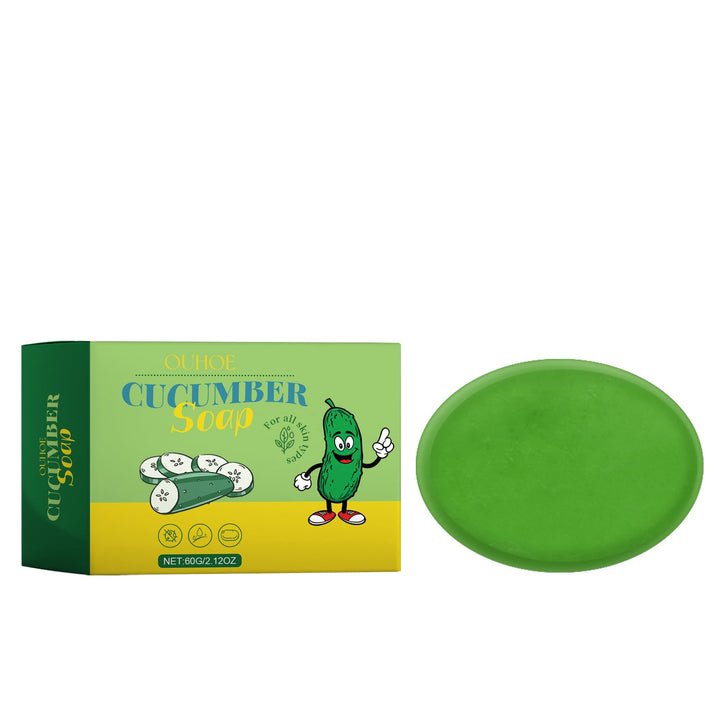


Find a cleansing soap for face and body with a formula suited to your skin type and routine. This category includes bar cleansers with options such as sea salt, tea tree-style botanical ingredients, kojic acid, turmeric, coffee, cucumber and herbal blends for clean, smoother- or brighter-looking skin.
Start with where you plan to use the bar, then match the formula to how your skin feels after washing. For oily skin, a cucumber cleansing soap may suit shoppers who want a fresh, less greasy finish. Koji acid, turmeric kojic and coffee cleansing soaps are options for routines focused on a brighter, more even-looking appearance. If your skin feels easily tight or uncomfortable, choose a simple handmade or moisturizing-style formula and avoid washing too often. A facial soap bar should cleanse without leaving a heavy residue. Before using any new cleansing soap for face, read the ingredient list, patch test on a small area and stop if irritation occurs.
Cleansing soaps in this range differ mainly by ingredients, intended area and finish. Sea salt soap is designed for a clean, balanced-looking feel, while cucumber soap is positioned for oily skin control. Koji acid and turmeric kojic soaps are aimed at brighter, smoother-looking face and body care. Coffee soap offers a cleansing step with a nourished-looking finish, and handmade cleansing soap is a straightforward option for shoppers who prefer a non-greasy feel. The herbal psoriasis care soap is described for soothing and moisturizing care, but product labels should guide where and how to use it. Compare scent, texture, lather, packaging and whether the bar is intended for face, body or both.
For cleansing soap for sensitive skin, prioritize a short, clearly listed ingredient selection and a formula that matches your comfort needs. Look for product details describing moisturizing, soothing or non-greasy use rather than choosing only by a brightening claim. Fragrance and essential oils can feel uncomfortable for some shoppers, so check the label if you know your skin is reactive. A bar that rinses clean and does not leave a tight feeling may be easier to fit into a daily routine. Patch test before applying to the face or a large area, especially with kojic acid, turmeric, sea salt or botanical formulas. No single soap is best for everyone; comfort and tolerance matter most.
Wet your hands and skin with lukewarm water, work the bar into a light lather and massage gently without scrubbing hard. Keep contact brief at first, particularly when trying a kojic acid, turmeric kojic, sea salt or botanical cleansing soap. Rinse thoroughly and pat dry with a clean towel. Use the bar only on the areas listed on its packaging; a face-and-body product may be more versatile than a body-only bar. Store the soap on a draining dish so it can dry between uses, which helps prevent it from becoming soft. Follow with a suitable moisturizer if your skin feels dry, and use daytime sun protection when your routine includes products marketed for brighter-looking skin.
A common mistake is choosing a bar only because it promises a bright or deep-clean feeling, without checking whether it suits your skin. Avoid using a body cleansing soap on the face unless the product says it is suitable for facial use. Do not scrub aggressively, wash repeatedly to remove oil, or leave lather on the skin longer than directed. Mixing several new brightening-focused products at once can make it difficult to identify what your skin tolerates. Sharing a bar directly between different people is also best avoided. If a cleanser causes persistent discomfort, stop using it and review the ingredients. Keep bars dry between uses and replace them when their texture, smell or appearance changes.
A cleansing soap bar can suit shoppers who prefer compact, easy-to-store face or body care and want to choose a formula by skin feel. Cucumber cleansing soap may appeal to people seeking oily-skin control, while sea salt and handmade bars offer different clean, balanced or non-greasy finishes. Koji acid, turmeric kojic and coffee options are suited to routines targeting a brighter, smoother- or nourished-looking appearance, according to their product positioning. Those with easily irritated skin should inspect ingredients, patch test and select the gentlest option they can tolerate. For intimate areas, choose a product specifically labeled for that use rather than applying facial or body soap internally. If you have ongoing skin concerns, ask a qualified healthcare professional for personalized guidance.
The best cleansing soap depends on your skin type, intended area and preferred finish. Choose among options such as cucumber for oily skin control, sea salt for a balanced-looking feel, or handmade and moisturizing-style formulas for a gentler-feeling routine. Check the label and patch test before regular use.
Use lukewarm water and, if needed, a mild product specifically labeled for external intimate-area use. Do not use facial or body cleansing soap internally, and avoid heavily fragranced products if they cause discomfort. Product directions and individual tolerance should guide your choice.
The best facial cleansing soap is one labeled for face use that leaves your skin comfortable after rinsing. Cucumber may suit oily-feeling skin, while handmade, sea salt or other formulas may appeal to different preferences. Patch test new kojic acid, turmeric or botanical bars before applying them routinely.
Traditional soap is made with oils or fats reacted with an alkali, while a cleansing bar may use a different blend of cleansing agents and skin-conditioning ingredients. In practice, compare the ingredient list, intended use and how your skin feels after rinsing. The product label is the best guide for face or body use.
Recommendations vary by skin type and personal concerns, but many routines use a gentle, fragrance-free cleanser that does not leave skin feeling tight. Look for clear usage directions and avoid harsh scrubbing. If your skin is persistently uncomfortable, seek advice from a qualified healthcare professional rather than changing products repeatedly.
It can be, provided the bar is labeled for your intended area and your skin tolerates it. Use a small amount, rinse well and avoid repeated washing or aggressive rubbing. Store the bar on a draining dish, and stop using it if it causes ongoing irritation or discomfort.