$64.90
Free delivery · 7–14 days
Car Paint Coating Spray for a Lasting Gloss Finish
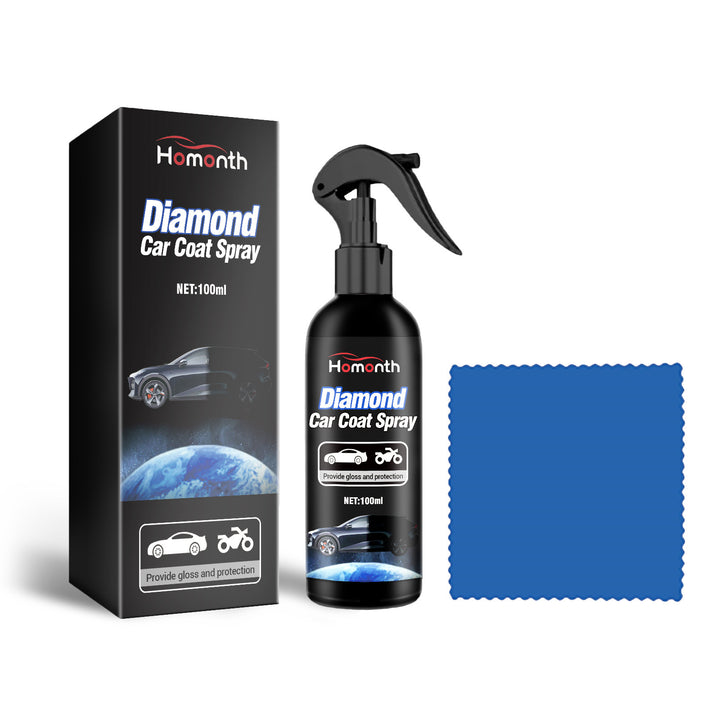
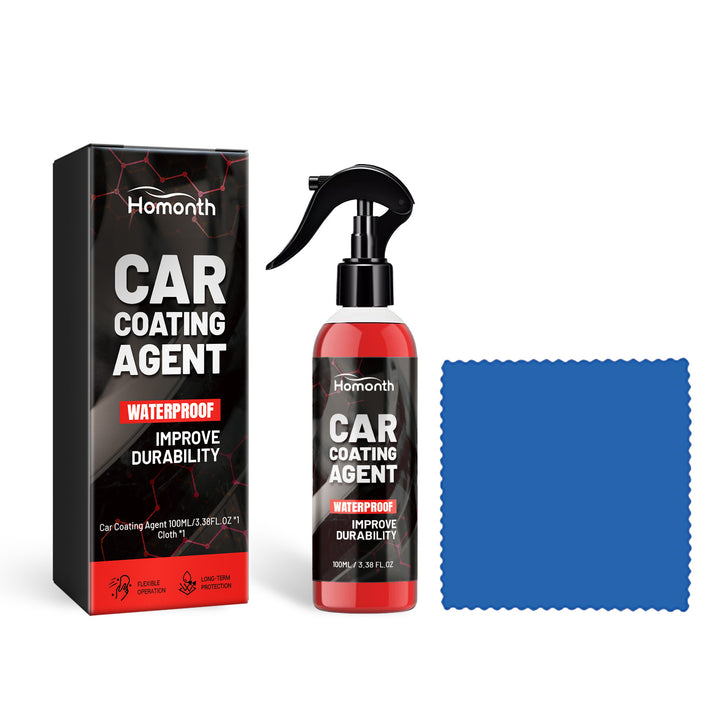
Car paint care products help you clean, refresh, protect and make small cosmetic improvements to a vehicle’s exterior. This range includes coating sprays, scratch repair cloths, touch-up pens and adhesive remover, so you can choose a product for routine cleaning car paint, minor marks or added surface protection.
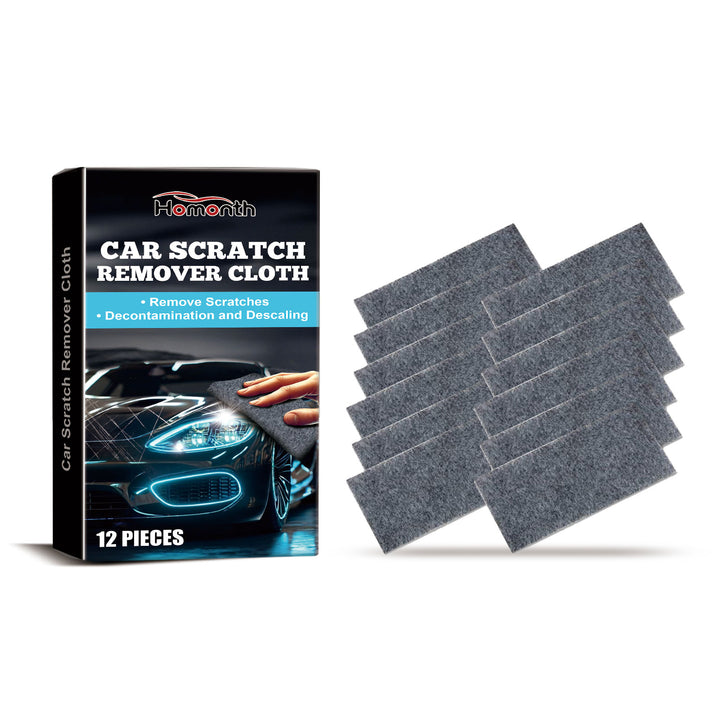
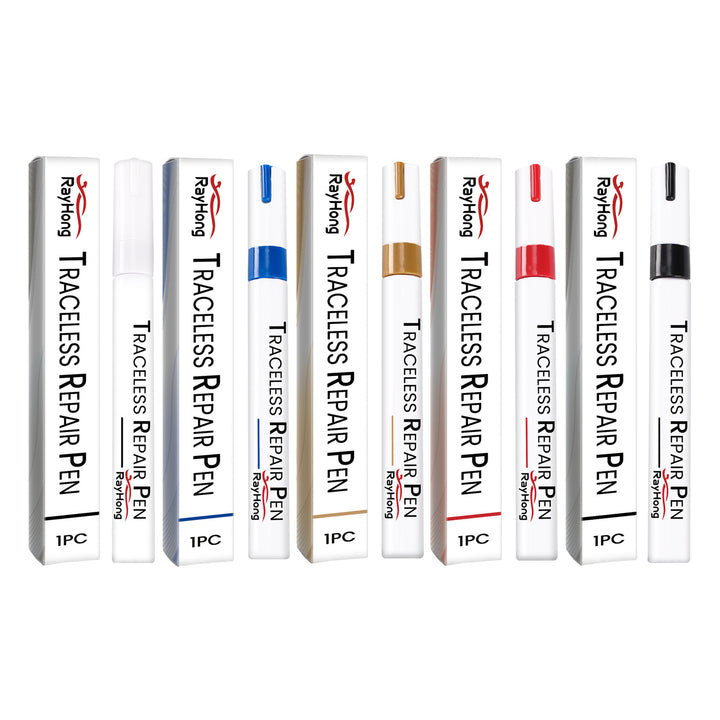
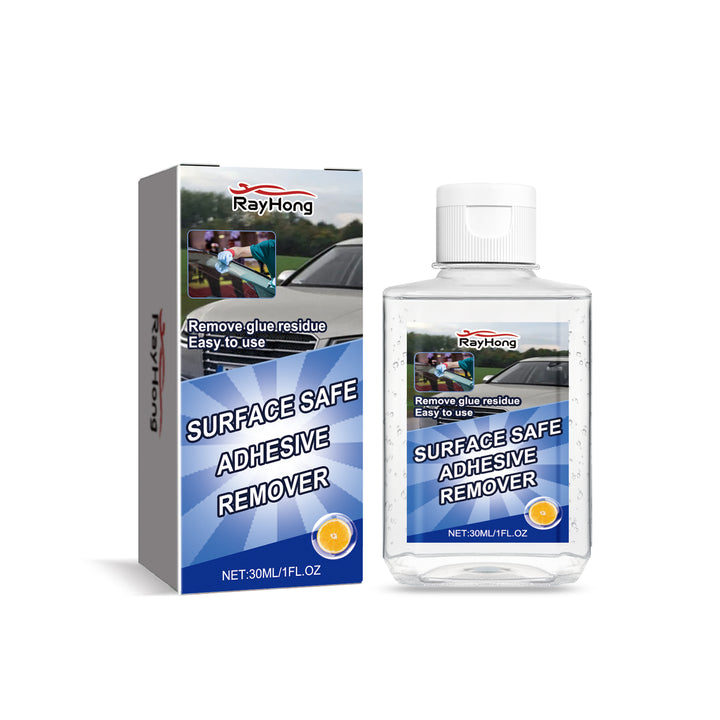
Start by identifying the paint problem rather than choosing by finish alone. For light surface scratches, a car scratch repair cloth may suit minor marks that have not exposed deeper layers. A scratch repair pen is more targeted for small chips and glossy DIY paint touch-ups, but it should match the vehicle’s paint colour as closely as possible. Use adhesive remover for leftover glue or decals, testing it first on an inconspicuous area. Choose a car paint coating spray when your priority is a glossy finish and added protection from everyday weather exposure. If you are shopping for new car paint care, check the instructions to confirm the product is suitable for the vehicle’s existing finish.
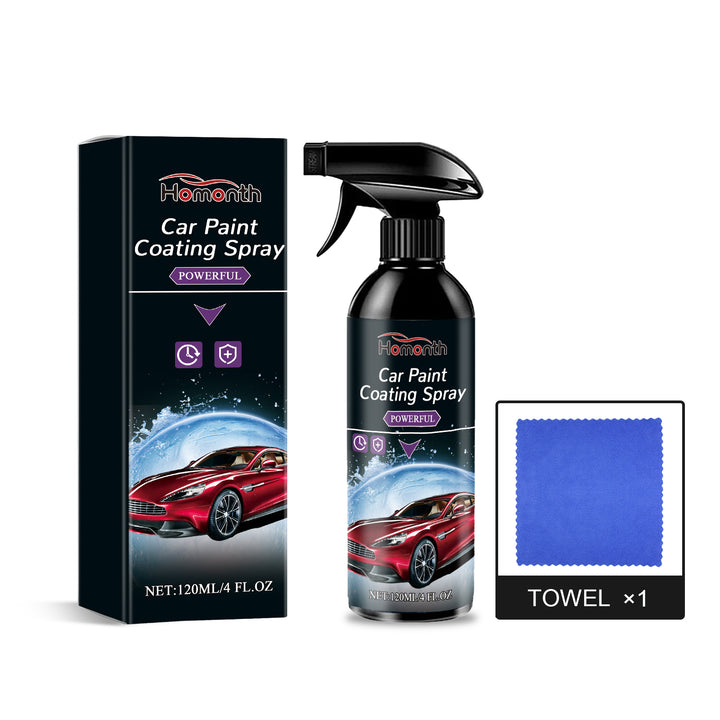
Coating sprays are designed for broad surface application after washing and drying, helping refresh gloss across painted panels. The Diamond Car Coat Spray focuses on gloss and paint protection, while the durable weather protection coating spray is suited to shoppers prioritising a protective finish for exterior use. A repair pen is better for precise, small paint touch-ups, such as chips on a door edge or bonnet. A scratch repair cloth is intended for minor scratches and light cosmetic marks, not deep damage. These products do different jobs: a coating will not replace missing paint, and a pen or cloth will not provide the same panel-wide application as a coating spray.
Look for clear instructions covering surface preparation, compatible paint finishes, drying time and application conditions. A useful coating spray should explain whether the panel must be washed, dried and free from wax, grease or residue first. For a touch-up pen, check the colour description, applicator design and whether the finish is glossy or another type. A scratch cloth should state that it is intended for minor surface marks, while an adhesive remover should include guidance for removing glue without unnecessarily rubbing the surrounding paint. Car paint protection can include coatings, covers or paint protection film, but this category focuses on easy-to-apply products rather than fitted film. Always follow the supplied directions and test a discreet area first.
Park out of direct heat where practical, remove loose dirt with a suitable wash, and dry the panel before applying any paint-care product. For a coating spray, work on a clean, dry section and spread the product evenly according to its instructions; avoid applying it over dust, old adhesive or visible grease. Use adhesive remover only where residue is present, then clean the area before coating or touching up. For a scratch cloth, use gentle, controlled passes rather than aggressive pressure. Apply a repair pen sparingly to a clean chip and allow it to dry as directed. These steps support cleaning car paint and help prevent rubbing dirt into the finish.
Do not use a scratch cloth on deep gouges, peeling paint or damage that has reached metal, as a light repair product may not correct it. Avoid applying coating spray over a dirty, wet or heavily contaminated panel, because residue can affect the final appearance. Do not assume a touch-up pen is invisible from every angle; colour variation, paint age and application thickness can remain noticeable. Strong rubbing around decals or glue can spread residue, so use adhesive remover carefully and test compatibility first. Avoid layering different products without checking their instructions. A car paint cover or paint protection film may be more appropriate when you need broader physical coverage than a spray can provide.
This category suits drivers who want practical, at-home options for maintaining a vehicle’s appearance between professional detailing or bodywork. Coating sprays are useful for refreshing gloss across painted panels and adding a protective finish after routine washing. Scratch repair cloths and pens suit owners dealing with small cosmetic marks, chips or touch-up needs, provided the damage is minor. Adhesive remover is helpful after removing stickers, trim or mounting materials. These products are also relevant to new car paint care, although a new vehicle’s finish should be treated according to its care guidance. If panels are badly faded, dented, rusted or extensively scratched, seek a professional assessment rather than expecting a coating or pen to restore the paint.
A ceramic-style coating can require careful preparation and even application, and mistakes may affect the finish or leave visible residue. It also does not make paint immune to scratches, chips, stains or poor washing technique. The coating sprays in this category are intended as convenient paint-care options; follow the product instructions and do not treat them as a replacement for repairing damaged paint.
Road grit, bird droppings, tree residue, harsh chemicals, adhesive residue and rubbing dirt across the surface can affect a car’s finish. Scratches, chips, weather exposure and incorrect cleaning methods may also make paint look dull or uneven. Wash gently, remove contaminants promptly, and test any cleaner or adhesive remover on a hidden area before wider use.
Begin with a thorough wash and dry the paint before inspecting the finish. A coating spray can refresh gloss, while a scratch repair cloth or touch-up pen may help with suitable minor marks. If the paint is severely faded, peeling, deeply scratched or rusted, home paint-care products may not be enough and professional refinishing could be needed.
A car does not need repainting on a fixed schedule. Repainting depends on the condition of the finish, accident or corrosion damage, fading and the owner’s appearance goals. Routine washing, careful cleaning and suitable paint protection can help maintain the existing finish, while small chips may only need a touch-up pen rather than a full repaint.
There is no single colour that is hardest for every vehicle or painter. Metallic, pearl and multi-layer finishes can be more difficult to match because colour, texture and application technique affect how the repaired area looks. For a small touch-up, use the closest available colour and apply a thin amount as directed, understanding that an exact match may require professional mixing.
The cost varies widely with vehicle size, paint type, preparation, damage, labour and the quality of the finish, so there is no reliable single price for every car. A full repaint is normally a professional bodywork job rather than a task for a coating spray or scratch pen. For minor chips and surface marks, targeted touch-up products may be a more practical option, but they are not a substitute for complete refinishing.