$49.90
Free delivery · 7–14 days
Men's Beard Oil – Lightweight, Plant-Based Softening


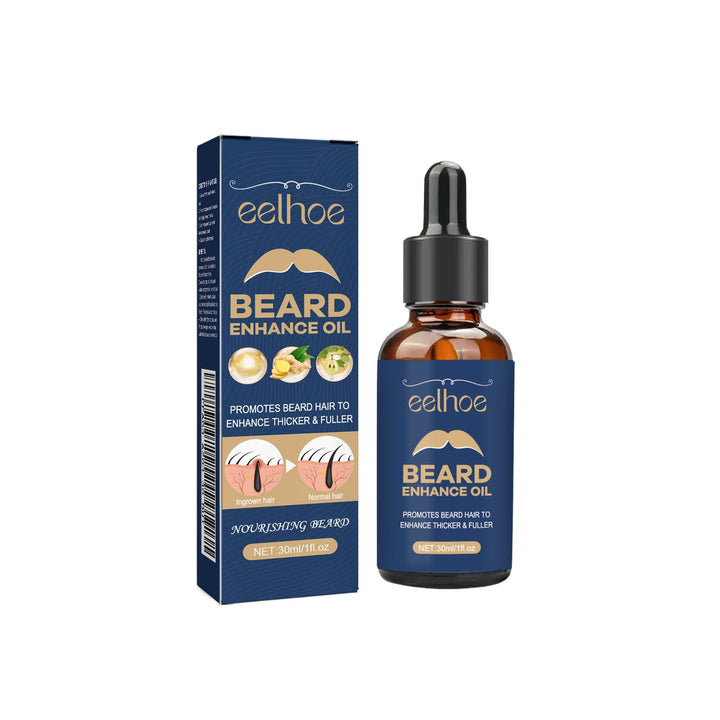
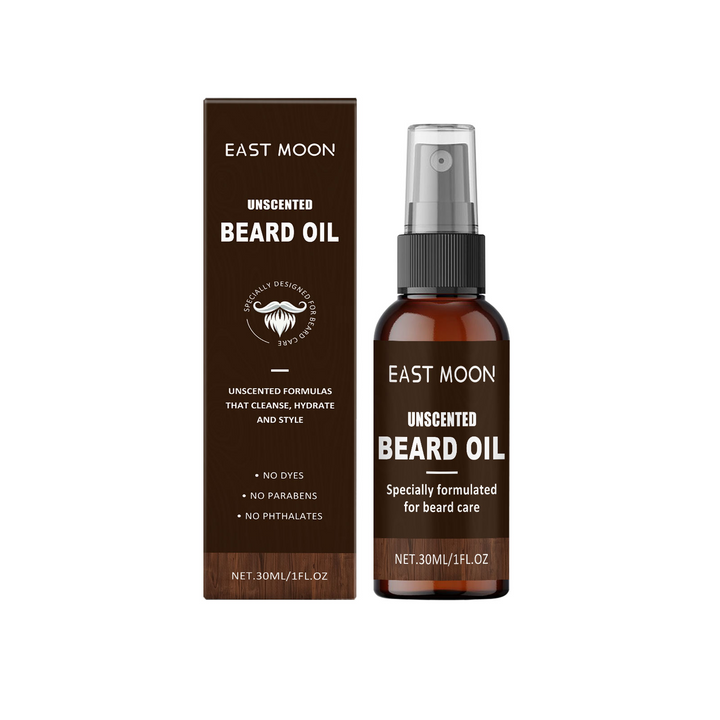


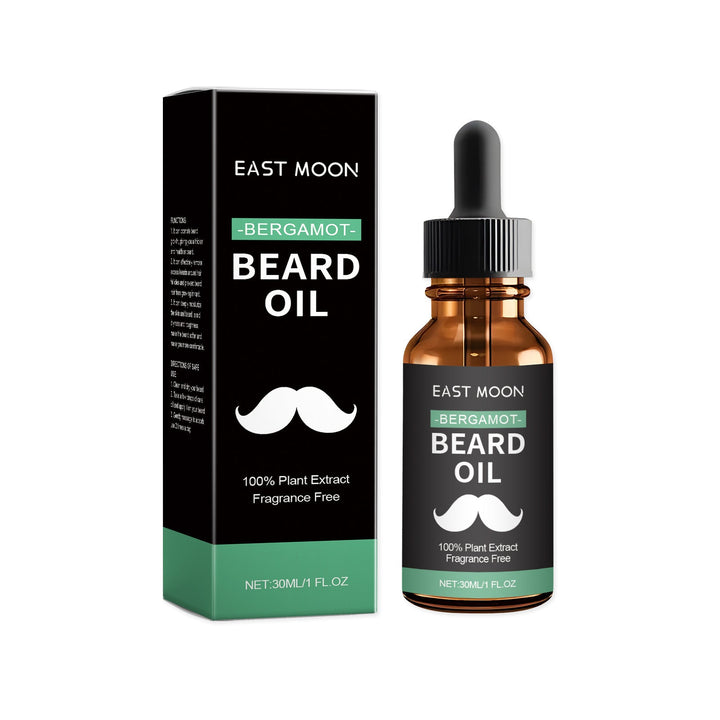
Beard oil helps condition facial hair, reduce a dry or rough feel, and make the beard easier to comb and style. This category includes lightweight plant-based oils, unscented options, cedarwood-scented formulas, growth-focused oils, and a beard serum with a derma roller.
Start with your main grooming goal. Choose a lightweight, plant-based softening oil if you want everyday conditioning without a heavy finish. An unscented beard oil is useful if you prefer no added fragrance or already use scented grooming products. Cedarwood beard oil adds a noticeable woodsy scent while helping the beard feel nourished and easier to manage. If your beard looks dry, a plant-based moisturizer can improve softness and combability. Shoppers searching for beard oil growth or the best beard oil for growth and thickness should check the product description carefully: growth-focused oils and serums are designed for a different routine than basic conditioning oils, and results can vary. Pick the texture, scent, and application style you are most likely to use consistently.
Basic softening beard oils are made for daily moisture and a smoother feel, making them a practical choice for short, medium, or full beards. Plant-based moisturizer formulas are another option for customers who prefer oils built around botanical ingredients. Unscented oil keeps the routine simple, while cedarwood oil provides a warmer fragrance. Growth-focused beard oils and beard growth serums are positioned for shoppers who want a fuller-looking beard routine, but they should not be confused with ordinary conditioners. The serum and derma roller kit adds a tool-based step, so it requires more care and attention than applying oil alone. Beard oil vs balm is mainly a texture and styling question: oil spreads through the hair and skin, while balm is usually thicker and offers more hold. This category focuses on oil-based options.
Look for a formula that matches your beard’s feel and your preferred finish. Lightweight oils suit fine, short, or easily weighed-down facial hair. Richer-feeling formulas may appeal to coarse, dry, or longer beards, especially when softness and easier combing are priorities. Plant-based ingredients can be a preference for shoppers comparing everyday conditioners, while an unscented formula may be better for fragrance-sensitive routines. Check the ingredient list for oils or fragrance components you already know your skin does not tolerate, and stop use if irritation occurs. A beard oil should spread easily with a few drops rather than leave the beard visibly greasy. For a growth-focused product, read the directions and intended use instead of assuming it works like a standard softening oil. Packaging size, dropper control, and scent strength also matter for regular use.
Apply beard oil after washing, when the beard is clean and slightly damp or fully dry. Begin with a small amount, rub it between your palms, and work it through the beard from the skin outward. Use your fingertips to reach the skin beneath the hair, then distribute the oil with a comb or beard brush. Add more only if the beard still feels dry; too much can make it look greasy. Short beards usually need less product than longer, denser beards. Many people use beard oil daily, while others apply it after washing or whenever the beard feels rough. Follow the product’s own directions, particularly for growth-focused oils or a serum and derma roller kit. Wash your hands after use and keep the container closed between applications.
The most common mistake is using more oil than the beard needs. Excess product can create a slick finish without improving comfort, so start with a small amount and build gradually. Applying oil only to the outer hair can also leave the skin underneath feeling dry; massage it gently into the beard area before combing. Do not choose a strongly scented formula if you want a fragrance-free routine, and do not layer several fragranced products without checking how they combine. Another mistake is expecting a conditioning oil to provide the same hold as a balm or wax. Growth-focused products should be used according to their instructions rather than applied more often in hopes of faster results. If using a derma roller, follow the kit guidance carefully and keep the tool clean. Avoid use if the product causes discomfort or irritation.
Beard oil can suit men with short stubble, medium beards, and longer facial hair who want a softer feel, easier combing, or a more polished appearance. It is especially useful when facial hair feels coarse, looks dull, or becomes difficult to manage after washing. A lightweight formula may be preferable for fine hair, while a richer plant-based moisturizer can suit a fuller, drier beard. Unscented oil works well for simple routines, and cedarwood oil suits shoppers who want a woodsy scent. If your main concern is a patchy-looking beard, growth-focused oil or a beard growth serum may fit your grooming plan, but no oil should be treated as a guarantee of new growth or thickness. For shoppers comparing beard oil at Walmart, beard oil on Amazon, or recommendations from beard oil Reddit discussions, compare ingredients, scent, directions, and user priorities rather than relying on the retailer or forum alone.
Beard oil conditions facial hair and helps it feel softer, smoother, and easier to comb. It can also help reduce a dry-feeling beard and add a light, groomed finish. It is primarily a conditioning product, not a substitute for a styling balm or wax.
For many men, beard oil is a useful part of a grooming routine because it helps soften facial hair and improve manageability. Choose a formula and amount that suit your beard, and follow the product directions. Stop using it if you notice irritation or discomfort.
Beard oils can work well for their intended purpose: conditioning the hair, improving softness, and making a beard easier to comb. Results depend on the formula, beard length, application amount, and consistency. A standard beard oil should not be assumed to create new growth or guarantee greater thickness.
The best beard oil depends on your routine and beard type. Choose a lightweight plant-based oil for simple daily softening, an unscented formula for a fragrance-free routine, or a cedarwood option for a woodsy scent. If your priority is a fuller-looking beard routine, compare the directions and ingredients of the growth-focused oils and serum kit.
Many men apply beard oil daily or after washing, but the right frequency depends on how dry the beard feels and how much product it needs. Start with a small amount and adjust rather than applying a fixed, heavy dose. Always follow the directions for the specific oil or serum.
A beard oil works best when it matches your goal and you use it consistently. For softness and easier combing, choose a lightweight or plant-based moisturizing formula; for no fragrance, choose unscented oil. Growth-focused oils and serums are intended for a different routine, so review their directions and avoid treating their claims as a guarantee.