
$44.90
Free delivery · 7–14 days
Scar Balm for Surgical Scars — Visible Fading in Weeks
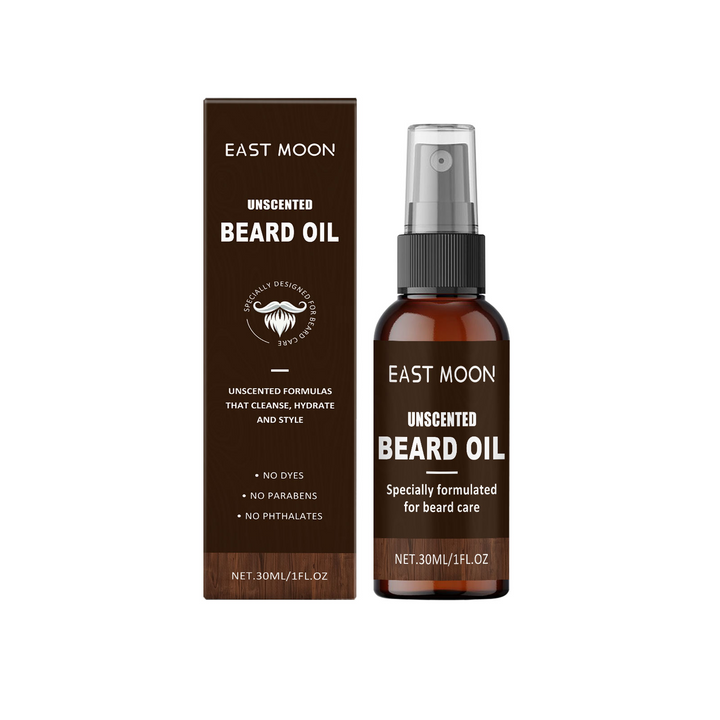

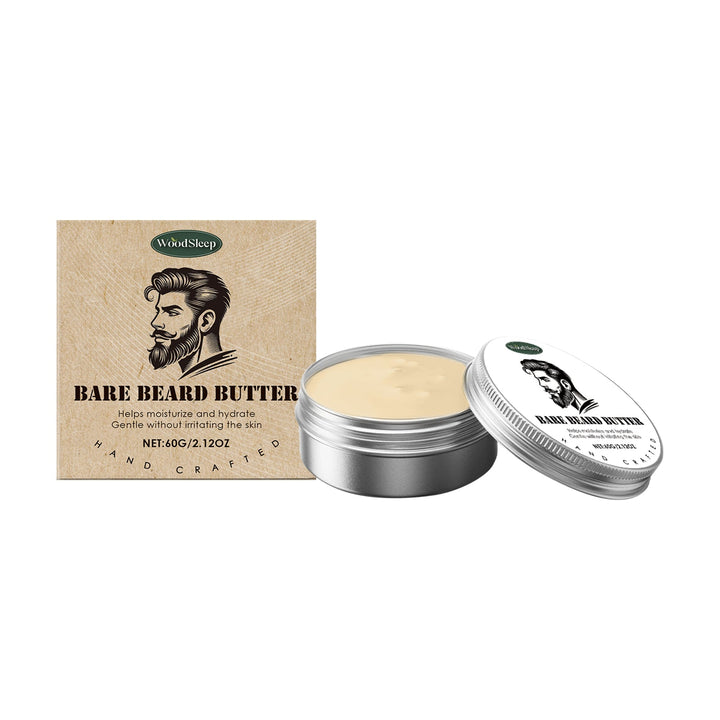
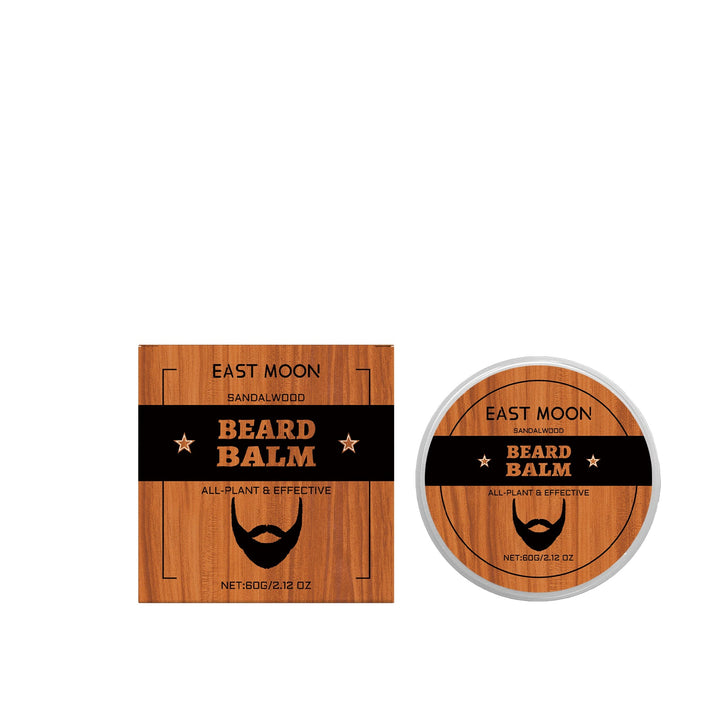


Beard balm is a leave-in grooming product that helps soften facial hair, condition the skin beneath it, and add light styling control. This category includes scented and unscented balms, soft-hold formulas, deeper-conditioning options, and beard oil for shoppers comparing textures and hold.
Start with your beard length, texture, and styling needs. Short or medium beards often suit a lightweight balm that smooths flyaways without feeling heavy, while coarse or longer facial hair may benefit from a richer conditioning formula. Choose soft hold if you mainly want a neater appearance, or look for a balm described as non-greasy when you dislike residue. Scent is another practical choice: sandalwood, cedar wood, and vanilla offer distinct fragrance profiles, while unscented products are useful if you prefer minimal fragrance or already use other grooming products. If you are unsure where to start, a men's beard balm for softening and everyday conditioning is a versatile option.
Beard balm and beard oil serve overlapping conditioning purposes but feel different on the beard. Oil is a liquid designed to spread quickly through facial hair and is often chosen for softness, shine, and easy combing. Balm has a thicker texture, usually combining conditioning ingredients with waxes or butters for more body and light hold. That makes balm useful for shaping a mustache, smoothing stray hairs, or keeping a fuller beard looking orderly. You do not have to choose only one: some shoppers use a small amount of unscented beard oil for lightweight moisture and balm afterward for control. Compare texture, finish, fragrance, and hold rather than assuming one product is best for everyone.
Check the product description for the finish and level of control before buying. Soft-hold and non-greasy descriptions suit shoppers who want a natural look, while a nourishing or deep-moisture formula may be more appealing for coarse, dry-feeling facial hair. Review the scent carefully, especially when choosing sandalwood, cedar wood, or vanilla. An unscented alternative can simplify your routine and avoid competing fragrance. Packaging also matters: a compact tin or roll-on format is convenient for travel and quick touch-ups, while a standard balm container makes it easy to adjust the amount by hand. For daily grooming, prioritize a formula that spreads easily, leaves the beard comfortable, and does not require a large amount.
Begin with a clean, towel-dried or dry beard. Scoop a small amount of balm, warm it between your palms and fingertips until it spreads easily, then work it through the beard from the skin outward. Use your fingers to reach the underside and jawline, where hair can feel coarse or become tangled. Finish with a beard comb or brush to distribute the product and guide stray hairs into place. Add more only if needed; starting with too much can leave the beard looking weighed down or greasy. Beard balm can be used as part of a daily routine when the product feels comfortable for your hair and skin. Wash your hands after application and follow the product label.
The most common mistake is applying too much at once. Excess balm may create a heavy finish, so begin with a small amount and build gradually. Avoid rubbing only the surface of a long beard; work the product through the inner layers so conditioning and hold are distributed more evenly. Applying balm to a dripping-wet beard can also dilute the formula and make styling less predictable, while applying it to an unclean beard may leave buildup. Do not select a strong fragrance if you prefer a subtle grooming routine, and do not expect balm to replace trimming, washing, or combing. If you are comparing beard balm on Amazon, Walmart, Target, or Reddit recommendations, check the actual finish and scent details rather than relying only on popularity.
Beard balm suits shoppers who want more than basic lubrication: it can help soften facial hair, improve manageability, and provide light shaping control. It is especially practical for medium or fuller beards, coarse-feeling hair, flyaways, and beards that need a neater finish during the day. A lighter balm can also work for shorter beards when you want conditioning without a glossy appearance. Choose beard oil instead when you prefer a fluid texture, quick spread, or easy-comb finish with little styling control. If your main goal is to explore a growth-focused grooming product, a beard growth serum is a separate category and should not be treated as interchangeable with a conditioning balm. Select based on your routine, texture, scent preference, and desired hold.
Beard balm conditions and softens facial hair while helping it look smoother and more controlled. Depending on the formula, it can also reduce the appearance of flyaways and provide light hold for shaping. It is a grooming product, not a substitute for washing, trimming, or combing.
Neither is universally better. Beard oil has a lighter, liquid texture and is often chosen for quick spreading and easy combing, while balm is thicker and generally offers more styling control. Choose based on the finish, hold, fragrance, and feel you prefer; some routines use both.
Many people include beard balm in a daily grooming routine when they use a small amount and the product feels comfortable. Apply it to a clean beard and follow the product directions. If you notice discomfort or dislike the buildup, reduce the amount or frequency and review the ingredients.
The three-month rule is a grooming guideline that suggests allowing a beard to grow for roughly three months before judging its overall shape, fullness, or growth pattern. It is not a guarantee of a particular result, since beard growth varies from person to person. During that time, washing, combing, trimming the neckline carefully, and using balm for manageability can help maintain a tidy appearance.
No. Beard growth and fullness vary for many reasons, including genetics, age, and individual hair-growth patterns. Beard appearance alone cannot be used to determine hormone levels or overall health.
Beards remain a personal style choice, and there is no single beard trend that suits everyone. Short, shaped, fuller, and neatly groomed beards can all work depending on your preferences and setting. Balm, oil, a comb, and regular trimming can help create a more polished look at any length.