Baby Hair Brushes & Newborn Grooming Essentials for Infants
6 items


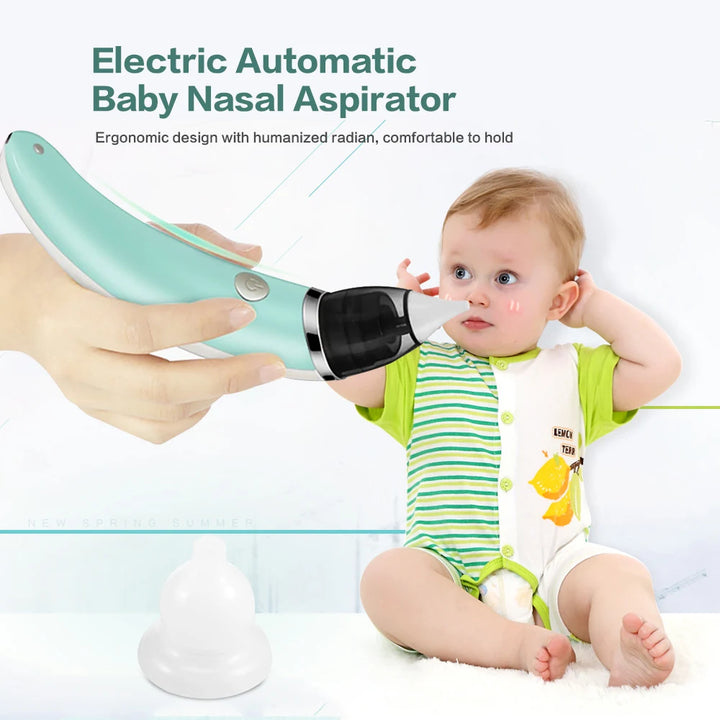
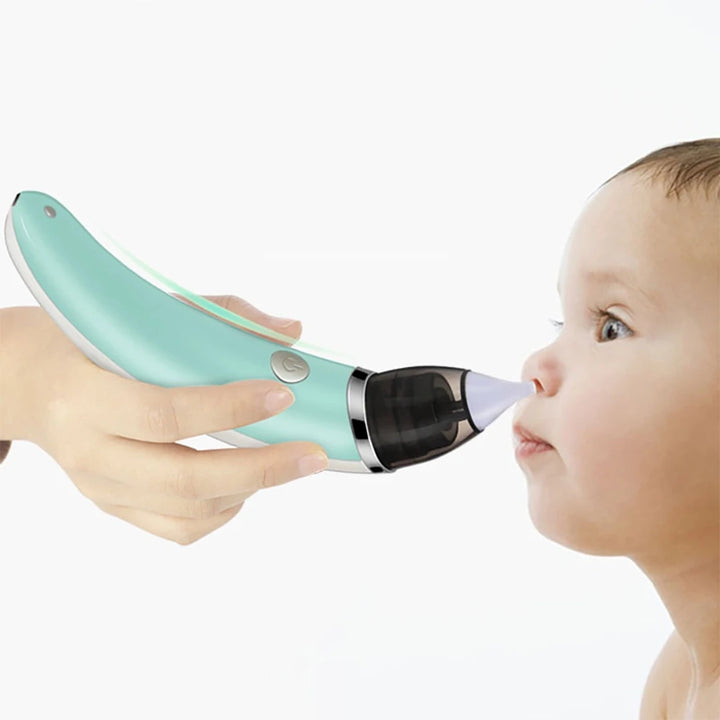
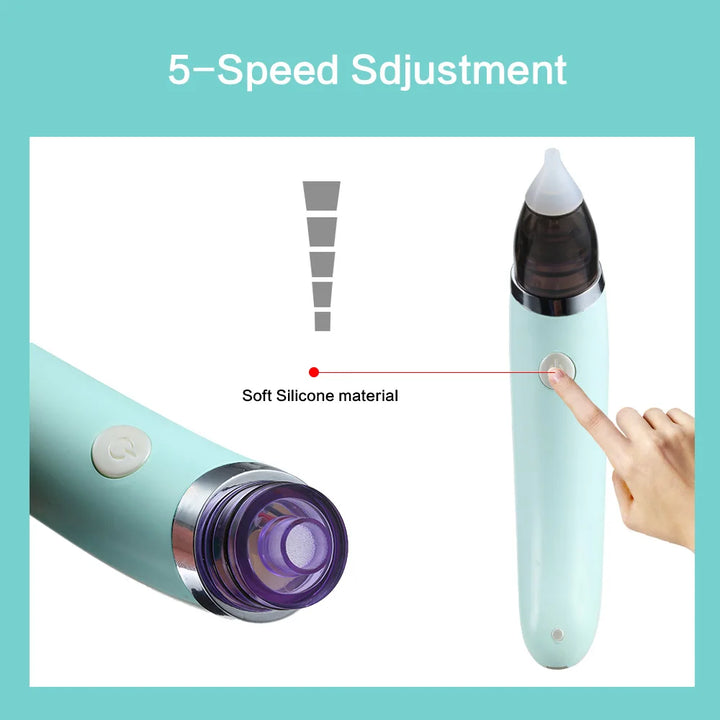
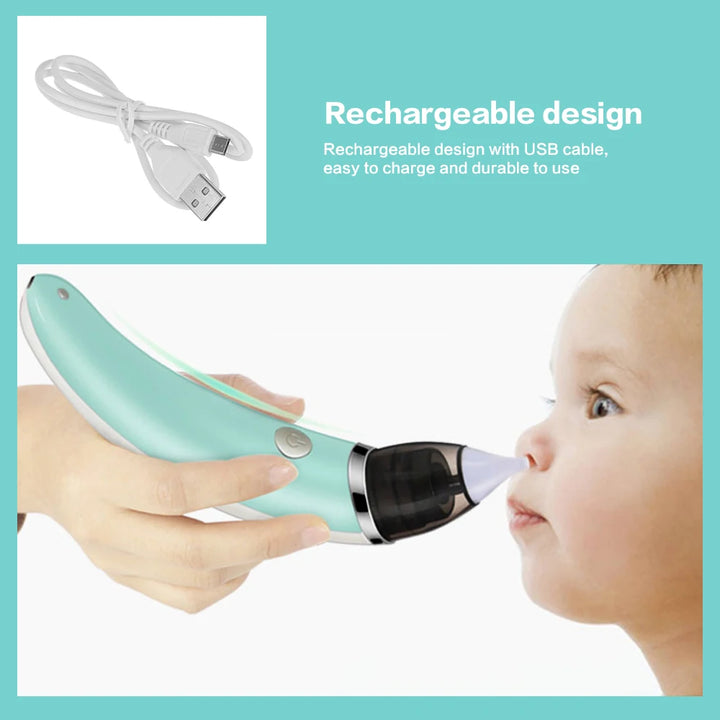


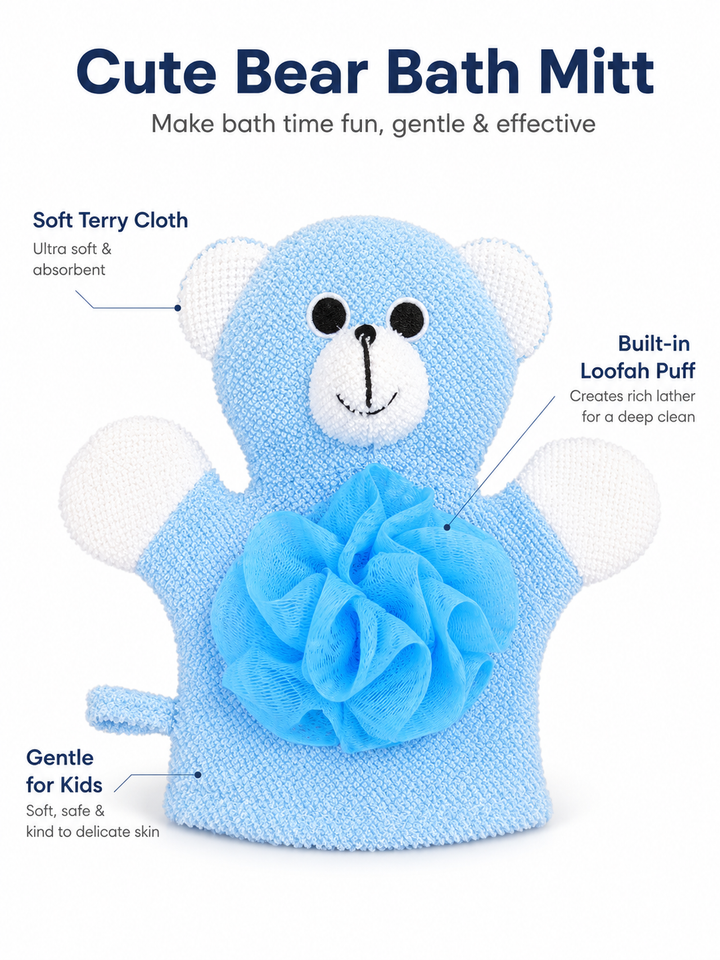
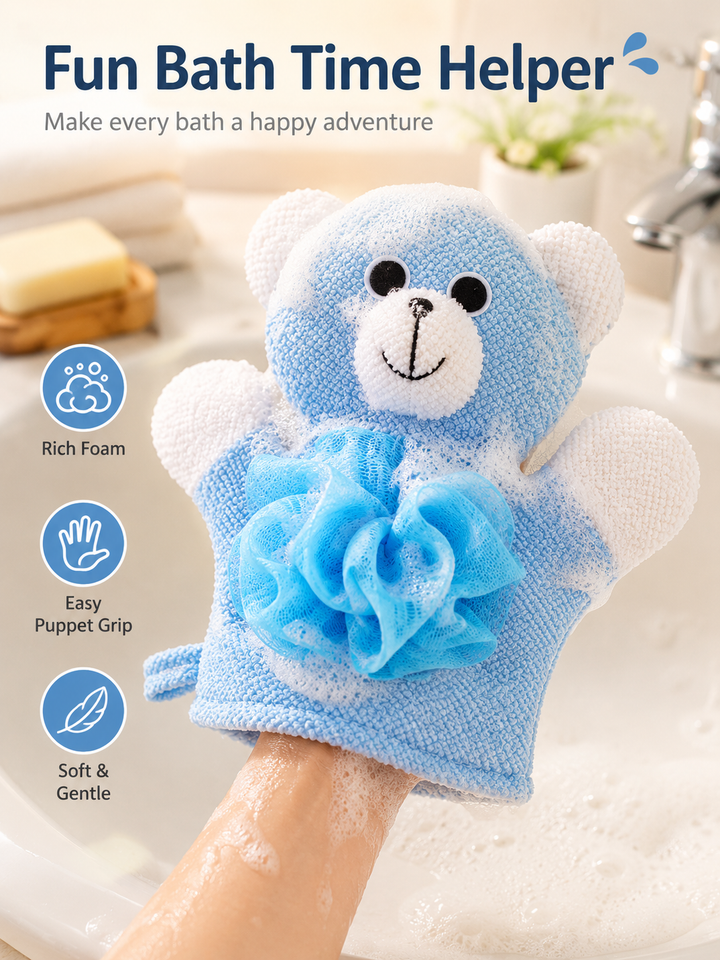
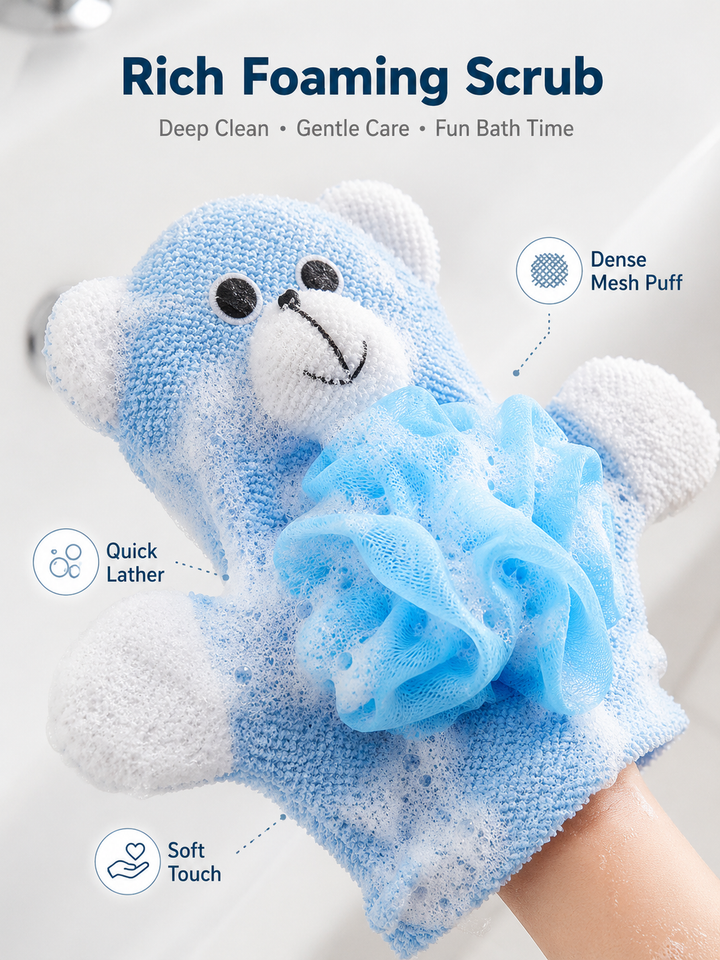
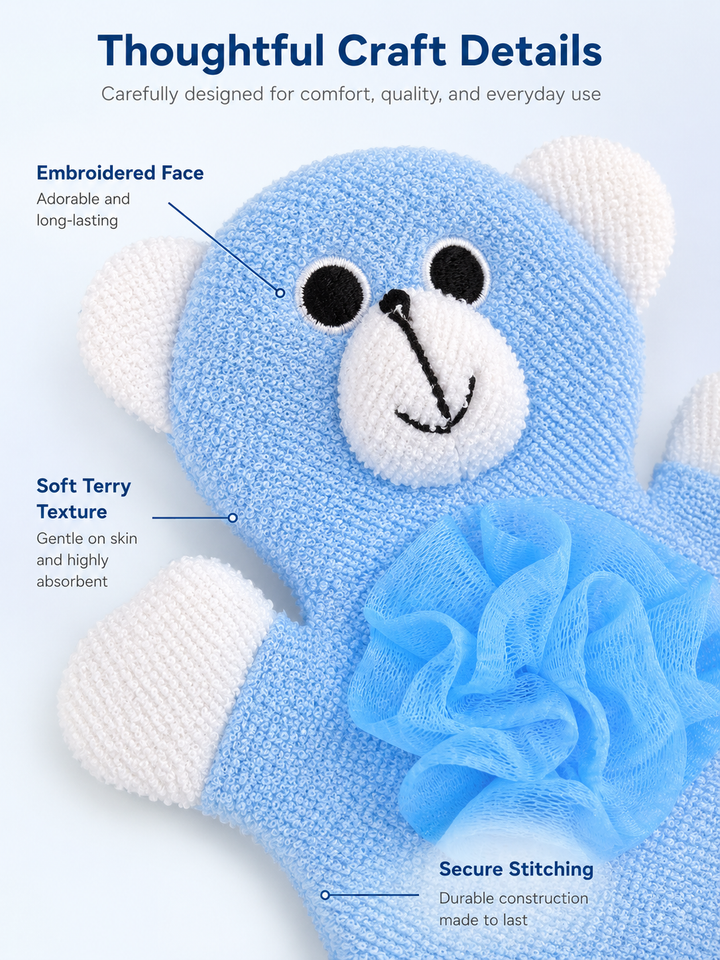

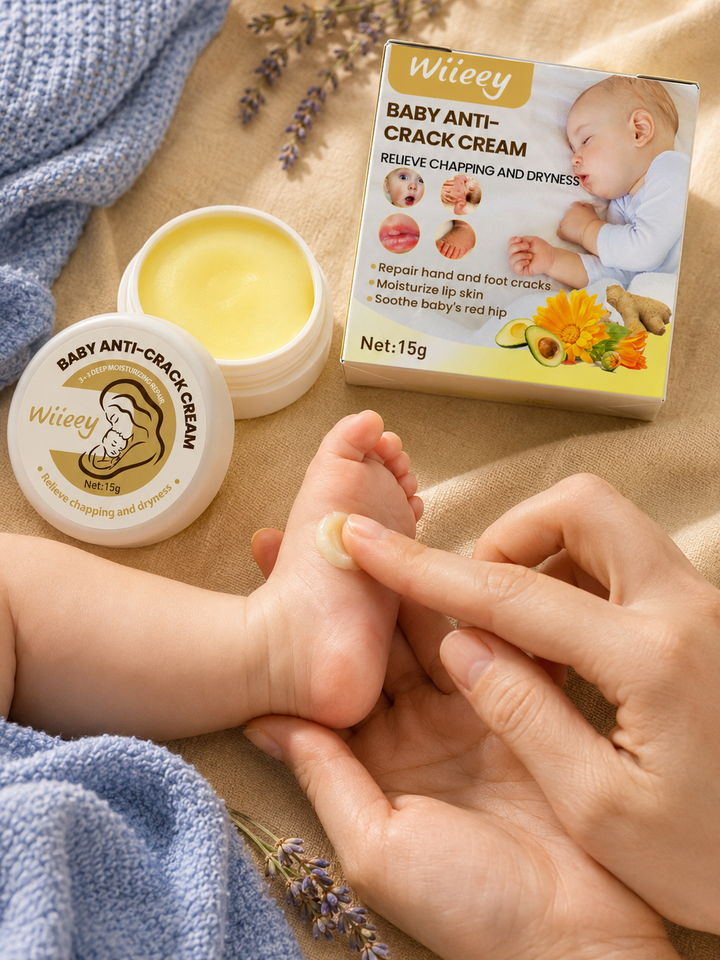
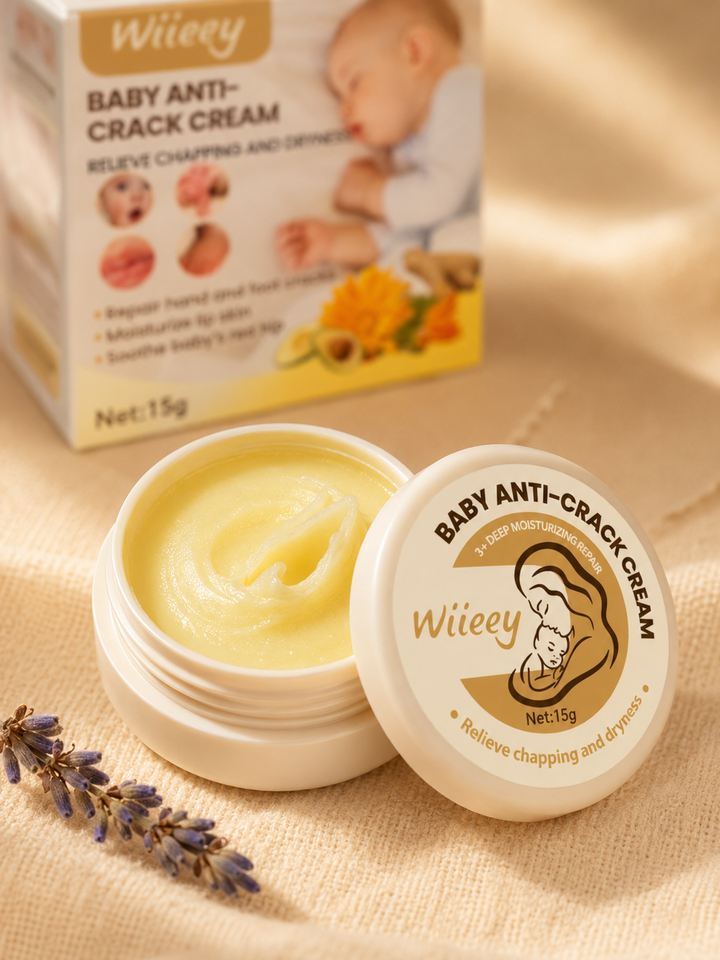
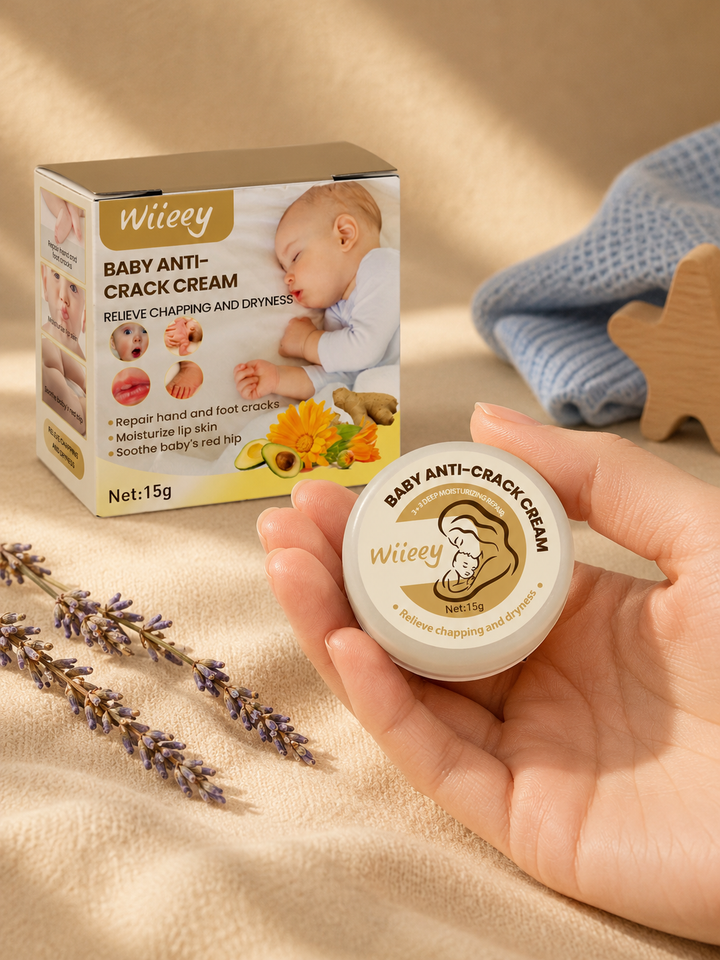

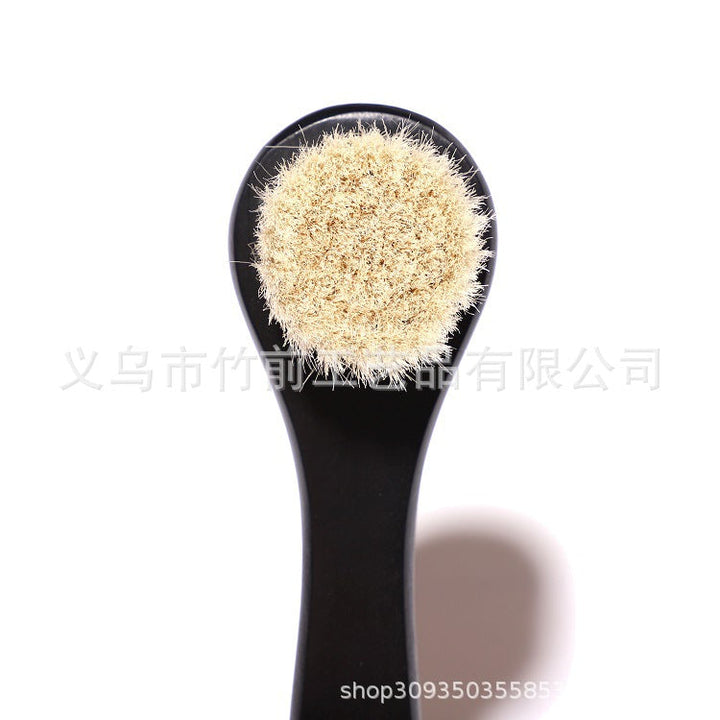
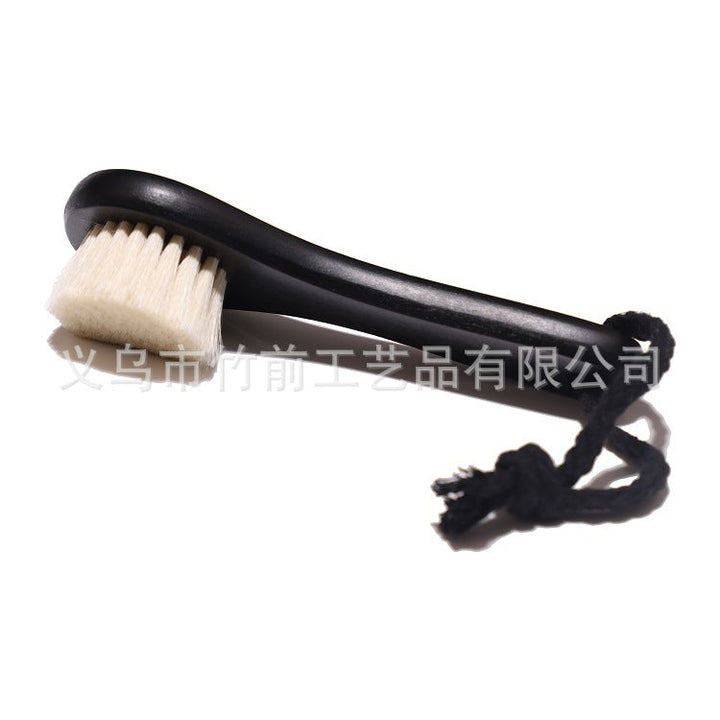
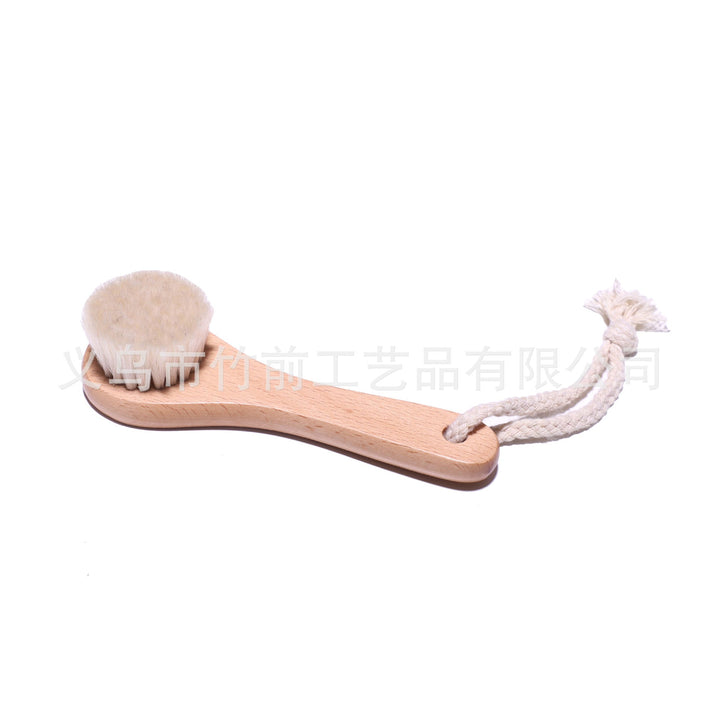
Baby brushes and newborn grooming essentials help make everyday care gentler and more manageable. This category includes an ultra-soft bath brush for delicate hair and skin, plus practical items for bath time, oral care, nasal cleaning, and skin comfort.
How to choose the best baby brush for newborn hair
For newborn hair, choose a brush with very soft, flexible bristles and a handle that is easy to control with one hand. The Baby Bath Brush — Ultra-Soft Natural Bristles for Delicate is the closest match in this category for light grooming during or after bath time. Look for a smooth brush head, comfortable grip, and bristles that do not feel scratchy against the scalp. A baby brush should glide through fine hair rather than pull it. If your baby has little or no hair, you may use the brush mainly to smooth damp strands or make bath time more comfortable. Keep grooming gentle and stop if your baby seems uncomfortable.
Baby brushes and newborn grooming essentials compared
The ultra-soft baby bath brush is designed for gentle brushing and bath-time care. The Animal Bath Mitt Gloves for Babies & Toddlers | 2-Pack are better suited to washing the body, while their mitt shape can help you clean around the head without using a separate hair brush. The Baby Silicone Toothbrush & Tongue Cleaner Set is for mouth care, not hair. The Baby Nasal Aspirator Electric is for clearing the nose according to its instructions, and the Baby Anti-Crack Cream is for dry, chapped-looking skin areas. The Silicone Ear Correction Patch is an accessory for infant ear care. Choose based on the task rather than treating every grooming product as a baby brush.
What to look for in a baby hair brush
When comparing baby brushes, check the bristle texture, brush-head size, handle, and cleaning routine. Soft, flexible bristles are a practical choice for delicate newborn hair and a young scalp. A compact head makes it easier to brush around the crown, sides, and behind the ears without pressing too firmly. A non-slip or easy-grip handle can help during wriggly bath-time routines. Also consider whether the brush can be rinsed and dried thoroughly after use. Avoid forcing the brush through tangles; separate strands gently with your fingers first. For a complete grooming basket, pair the brush with the bath mitts, silicone toothbrush set, or other essentials only when each item matches the care task.
How to use a baby brush safely and gently
Start with short, light strokes and let the brush follow the direction of the hair. Support your baby’s head and avoid pressing the bristles into the scalp. You can brush newborn hair when your baby is calm, such as after a bath once the hair has been gently towel-dried. Do not brush over irritated, broken, or visibly uncomfortable skin. Clean the brush as directed, rinse away any residue, and allow it to dry fully before storing it. If you are using the Baby Nasal Aspirator Electric, silicone toothbrush, cream, or ear patch, follow that product’s instructions rather than using the brush as a substitute. Supervise all grooming and keep small accessories out of reach.
Common baby brush mistakes to avoid
A common mistake is choosing a firm adult brush because it appears to remove tangles faster. Newborn hair is usually fine, so aggressive brushing can be uncomfortable and is unnecessary. Another mistake is brushing quickly through knots; use your fingers to loosen them first and take small sections. Avoid sharing a brush between children without cleaning it, and do not leave a damp brush in a closed toiletry bag. Some parents also buy several grooming products without checking their purpose. The bath brush is for gentle hair or bath care, the mitts are for washing, and the silicone toothbrush is for oral care. Keep the electric aspirator and skin products separate from hair-brushing routines.
Who needs a baby brush and which essentials suit them
A baby brush can suit newborns and infants with fine hair, especially when you want a simple way to smooth strands after washing. You do not have to brush frequently if your baby has very little hair; gentle fingertip care may be enough for your routine. By seven months, you can still comb or brush your baby’s hair, provided the tool is gentle and you use light pressure. Families planning regular baths may also appreciate the Animal Bath Mitt Gloves for Babies & Toddlers | 2-Pack. For broader grooming, add the silicone toothbrush set when oral care begins, and choose the nasal aspirator or skin cream only for their intended uses. Consider your baby’s routine, hair texture, and tolerance.
Frequently asked questions
What kind of brush is best for baby hair?
A brush with very soft, flexible bristles and a smooth, easy-to-hold handle is a practical choice. It should glide over fine hair with light pressure rather than pull or scratch. The Baby Bath Brush — Ultra-Soft Natural Bristles for Delicate is the hair-brushing option in this category.
What is the best hair brush for a baby?
The best choice depends on your baby’s hair and your routine, but newborn hair generally suits a small brush with gentle bristles. Choose a brush that is easy to clean and comfortable to control. Use short strokes and avoid brushing through knots with force.
Do I really need a baby brush?
Not necessarily. If your newborn has little hair, you may not need a brush right away, while a soft brush can be useful for smoothing fine hair after bathing. Select one if it makes grooming easier for you and comfortable for your baby.
What is the best baby hair brush for a newborn baby?
For a newborn, look for ultra-soft bristles, a compact brush head, and a grip that allows gentle control. The Baby Bath Brush — Ultra-Soft Natural Bristles for Delicate is the relevant option in this category. Brush lightly and stop if your baby shows discomfort.
When can I start brushing newborn hair?
You can begin whenever gentle brushing fits your routine, including after a bath when the hair is lightly towel-dried. Use minimal pressure and short strokes. If your baby has very little hair, fingertip smoothing may be all you need.
Can I comb my 7 month old baby hair?
Yes, you can gently brush or comb a seven-month-old’s hair. Choose a baby-appropriate tool, loosen tangles with your fingers, and work in small sections without pulling. Keep the routine supervised and stop if your baby seems uncomfortable.