
$64.90
Free delivery · 7–14 days
Multi-Purpose Foam Cleaner for Stubborn Household Grime


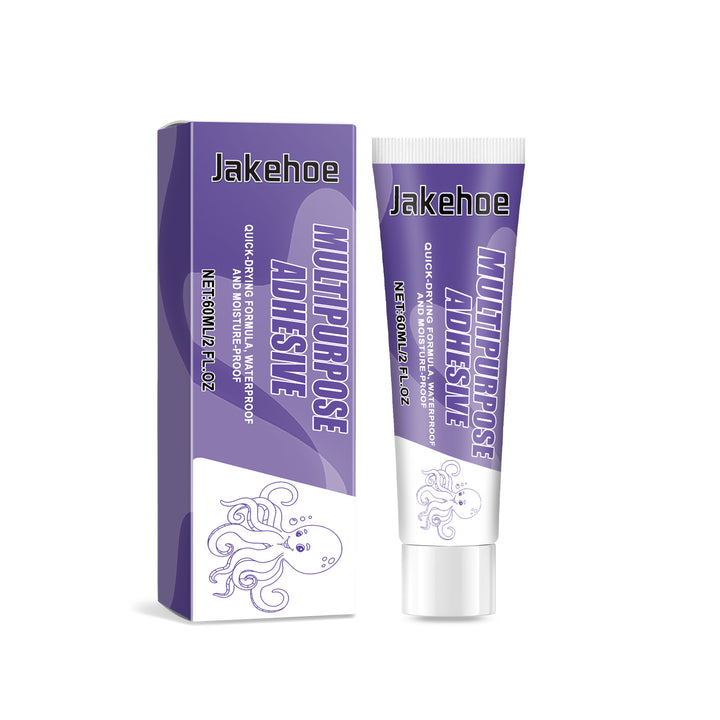

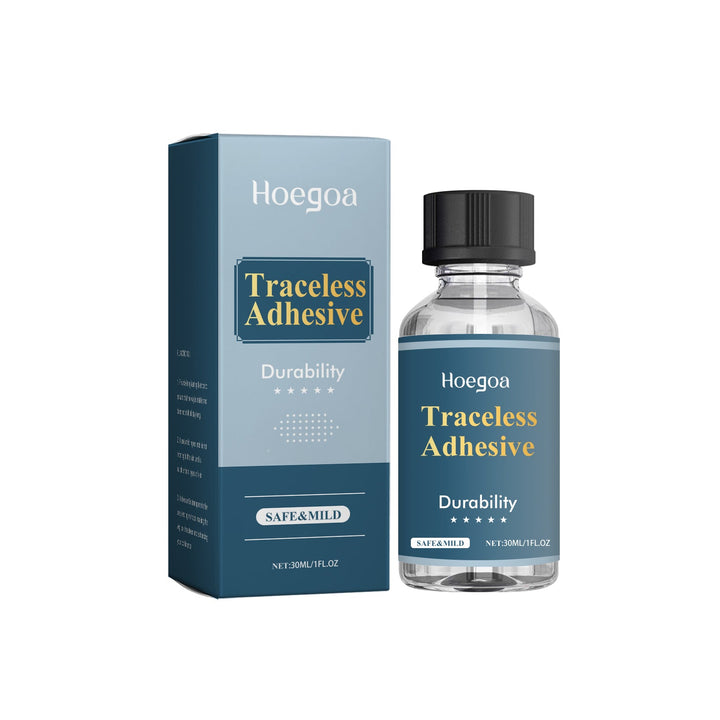


Find the right adhesive for plastic, wood, tiles, leather, fabric, and everyday home repairs. This category includes waterproof repair glues, tile adhesives, multi-purpose glue, and cleaning products to prepare surfaces before bonding.
Start by matching the adhesive to the materials and the repair conditions. For plastic and wood, choose a multi-purpose adhesive glue designed for strong, clean repairs. For household fixes exposed to splashes or damp areas, a waterproof repair glue is a practical choice. Tile repairs need a tile-specific adhesive, especially when replacing loose tiles or sealing small gaps around tiled surfaces. For leather and fabric, use a flexible multi-purpose glue rather than a rigid adhesive cement. Check whether the product is intended for porous surfaces, smooth plastic, flexible materials, or wet-area repairs. If grease, rust, lime, or dirt could prevent bonding, clean and dry the area first with a suitable multi-purpose cleaner.
Adhesive glue is a broad term for products that join two surfaces, while individual formulas suit different jobs. Multi-purpose repair glue is useful for general home fixes involving materials such as plastic, wood, and other household surfaces. Tile glue is formulated for tile-related repairs and is available here in transparent options for a less noticeable finish. Waterproof adhesive is intended for repairs where moisture may be present, but the surfaces still need to be clean and dry during application. Adhesive tape is a pressure-sensitive strip, useful when a fast, clean, or temporary hold is appropriate. Adhesive spray spreads over larger areas, while adhesive cement usually refers to a thicker bonding product. Always follow the product directions for the specific material.
Look for compatibility, finish, flexibility, and resistance to the conditions of the repair. A transparent adhesive can help keep repairs less visible on tiles and other finished surfaces. A waterproof formula is useful for suitable household repairs in areas exposed to moisture, while a flexible glue is better for leather or fabric that bends during use. Consider the pack size and nozzle design if you need to apply glue precisely to a small crack, edge, or joint. Surface preparation also matters: cleaning creams and multi-purpose cleaners in this category can help remove grease, grime, rust, lime, and soap scum before bonding. Do not assume a product works on every plastic; test a small hidden area when the material or finish is uncertain.
Read the product instructions before opening the adhesive and prepare the surfaces accordingly. Remove dirt, grease, loose material, and old residue, then allow both surfaces to dry unless the instructions state otherwise. Apply a controlled amount to one surface, avoiding unnecessary excess that can squeeze out around the joint. Bring the pieces together carefully, align them before the adhesive begins to set, and hold or support them as directed. Keep the repair undisturbed for the recommended curing time. For a tile repair, remove loose debris and check that the tile sits level before applying tile glue. For plastic, wood, leather, or fabric, make sure the surfaces are compatible and use ventilation appropriate to the product label. Clean the nozzle after use and close the container securely.
One common mistake is applying glue over grease, dust, rust, lime, or soap residue. Cleaning first gives the adhesive a better surface to contact, but the area must be fully dry before bonding. Another mistake is using tile adhesive for plastic, or a rigid glue on leather and fabric that needs to flex. Applying too much product can create a messy joint and may extend setting time. Avoid moving the repair before it has cured, and do not expose it to water or load it earlier than the instructions allow. Check the label for surface restrictions, especially with plastics and painted finishes. Do not mix adhesives or cleaners, and store each product closed and away from unsuitable heat or moisture.
This category suits shoppers handling small household repairs, maintenance tasks, and surface preparation projects. Choose the waterproof multi-purpose repair glue for general fixes where a durable bond and moisture resistance are useful. Choose transparent tile glue or tile repair adhesive for suitable tile repairs and less visible results. The multi-purpose adhesive glue is a sensible option when you need one product for several compatible materials, including common plastic and wood repairs. For leather or fabric, select the dedicated flexible glue. The cleaning creams and multi-purpose cleaners are useful before adhesive application or for separate jobs involving grease, grime, rust, lime, or soap scum. If the repair carries significant weight, involves heat, or affects a structural part, check the product limitations and consider professional advice.
An adhesive is a substance used to join two surfaces by forming a bond between them. Glue, tile adhesive, adhesive cement, adhesive spray, and some adhesive tapes are different types of bonding products.
Type 3 adhesive is not a universal description across every adhesive category. Its meaning depends on the product standard, material, or industry using the term, so check the manufacturer’s label and intended application rather than relying on the number alone.
Glue is commonly used for liquid or paste bonding products, while adhesive is the broader term for materials that join surfaces. In everyday shopping, the terms often overlap, but the product’s material compatibility, finish, flexibility, and water resistance are more important than the wording.
Adhesive is used to join or repair compatible materials such as plastic, wood, tile, leather, and fabric. The correct product depends on the surface, whether the repair needs flexibility or water resistance, and how the bonded item will be used.
There is no single adhesive that is best for every job. Multi-purpose glue is a common choice for general household repairs, while tile adhesive, flexible fabric glue, waterproof repair glue, adhesive tape, and spray adhesive suit more specific applications.
Clean and dry compatible surfaces, then apply the recommended amount according to the product instructions. Align the pieces, hold or support them as directed, and leave the repair undisturbed for the stated setting or curing period.