White Vinyl Privacy Screen to Hide AC Units and Bins
Your AC unit and bins sit in plain view every day, and cheap screens tip over on the first windy afternoon. This white vinyl kit wraps around the unit or can, anchors into the lawn with integrated piles, and leaves a clean wall that needs no paint or stain.
Read the full descriptionDescription
Your AC unit and bins sit in plain view every day, and cheap screens tip over on the first windy afternoon. This white vinyl kit wraps around the unit or can, anchors into the lawn with integrated piles, and leaves a clean wall that needs no paint or stain.
Hides outdoor AC units and trash cans with durable white vinyl privacy panels that anchor firmly in the ground
- Unsightly outdoor AC unit or trash can in view
- Panels blowing over or shifting in wind
- Need for maintenance-heavy wood or metal screening
Hide the AC unit and bins behind a white screen that stays put
Your condenser and garbage bins sit in the middle of the patio view every day. This vinyl kit wraps around them, anchors into the lawn, and leaves a clean white wall that never needs paint or stain.
Clean lines that hold their shape outdoors
- Anchored into the ground
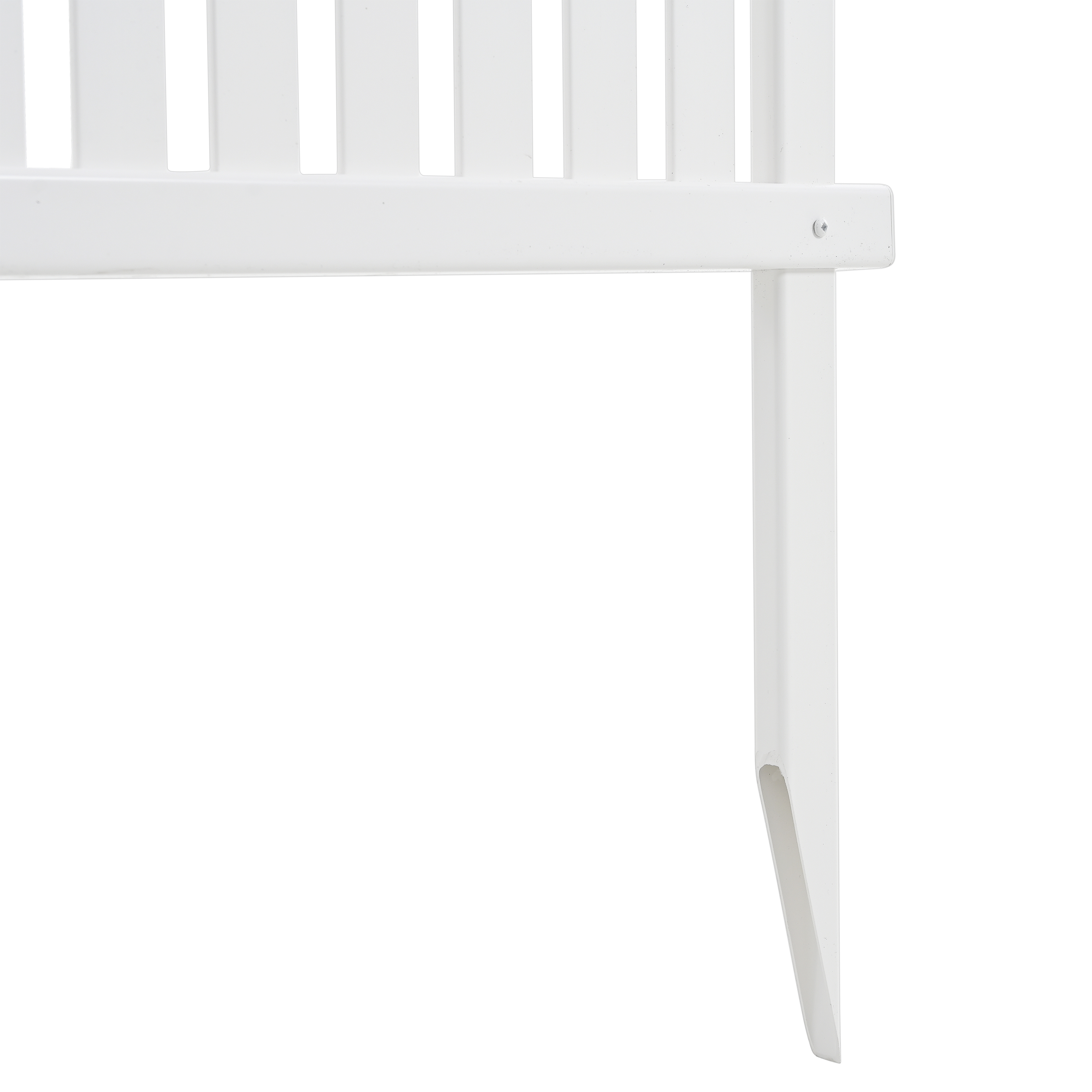
The piles go into the lawn instead of resting on top of it, so the panels hold their line when the wind picks up. The packaging lists a pile depth of about 10 inches. A loose freestanding screen tips because nothing holds its base. This one has a base that stays put.
- A uniform white finish
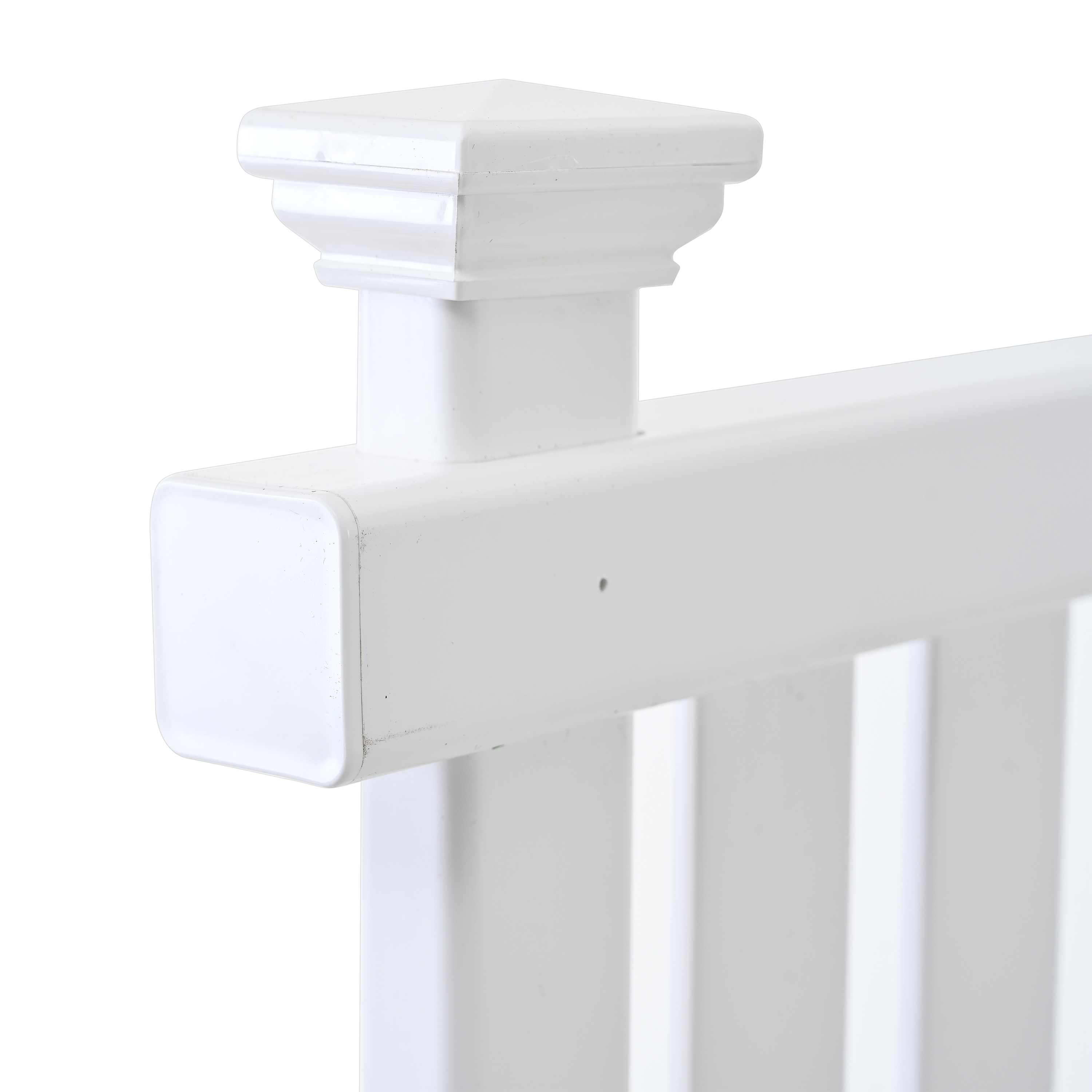
Capped posts sit on the top rail and three horizontal rails run through each panel, so the wall reads as one clean surface from the patio and from the gate. The vinyl is matte and smooth, and the square pickets line up in the same bright white from end to end.
- Corner hinges that wrap
Hinged corner brackets let each panel swing around the unit or bin, so the screen follows the shape of what it hides. The hardware sits neatly at the corners, and there is nothing to repaint or re-stain over the years.
The numbers behind the wall
- ~25 cmIntegrated ground pile depth (10 inches)
- 10 levelsRated wind resistance
- 3Horizontal rails per panel
Set it up around your unit in an afternoon
- 1Mark the footprint
Stand the panels around the unit or bin and mark where the screen should sit. Leave clear space on all sides so the condenser can breathe.
- 2Set the integrated piles
Push each pile into the soil until it sits deep in the ground. Check the top rail with a level before you move to the next one.
- 3Connect the first panel
Attach the first panel to its corner bracket and swing it into position around the unit.
- 4Close the wall
Add the remaining panels in order and line up the rails and capped posts so the wall stays uniform.
- 5Check after the first storm
After the first heavy rain or wind, look at the piles and hinges. Tighten any loose bracket.
Everything you need to enclose one unit
- Privacy screen panels
White vinyl with square pickets and three rails per panel
- Integrated ground piles
Pushed into the lawn to anchor the screen
- Capped posts
Finish the top of each post for a clean edge
- Corner hinge brackets
Connect panels so they wrap around the unit
From the unit you see to the patio you use
The view you keep avoiding
The condenser hums in the corner of the patio, and the bins sit by the gate where everyone walks past. You stop noticing it until guests sit down facing it. Then it is the first thing in the frame.
Why the cheap screen keeps failing
The loose lattice screen you tried tipped over the first windy afternoon and skidded across the lawn. Wood looked better, but it wanted stain every few years and a fresh check of every post. You wanted something that stayed put without a weekend of upkeep.
A wall that stays put
The panels wrap around the unit on three sides, anchored by piles pushed deep into the lawn. Capped posts and three rails per panel read as one clean white wall. The unit is out of view, the patio looks finished, and there is nothing to repaint.
What to expect after setup
- First useUnit hidden from the patio
Once the piles are set and the panels wrapped, the AC unit or bin is out of direct view from your seating area.
- 30 daysChecked after first weather
Confirm the piles stay firm and the panels stay aligned after rain and wind. Tighten any loose hinge brackets if needed.
Little upkeep after the first storm
- Wipe clean
Use a damp cloth and mild soap to lift dust and splashes from the panels.
- Check the piles
After heavy rain or wind, confirm each pile still sits firm in the soil.
- Tighten hinges
Snug any loose corner bracket so the panels stay aligned.
Vinyl versus the screens you already tried
| White vinyl kit | Freestanding plastic | Wood screen | |
|---|---|---|---|
| Stays upright in wind | — | Partial | |
| Integrated ground piles | — | — | |
| No staining or painting | — | ||
| Wraps around a unit or bin | Partial | Partial |
Characteristics
Reviews
Questions and answers
The kit is built around integrated ground piles that go about 10 inches into the soil. That carries the screen's weight below the surface instead of leaving it on top. Check the piles and hinges after your first heavy storm, and you will know quickly whether the setup is tight.
The panels wrap around one outdoor unit or one bin. Measure the footprint you want to cover, leave clearance on every side for airflow, and compare it with the panel dimensions in the listing before you order.
The packaging states about 10 inches underground, and the pile diagram is labeled 9.1 in. Either way the pile sits deep enough to hold the panel steady once it is set straight.
No. The white vinyl comes finished and does not need paint or stain. A wipe with a damp cloth and a check of the hinges after bad weather keeps it looking clean.
Wood looks warm, but it needs stain and sealer to hold its color outdoors. Vinyl keeps the same white finish with occasional wiping, so you skip the stain, the brushes, and the yearly touch-ups.
A DIY screen with loose stakes often blows over and has to be rebuilt, which costs time and materials each time. An anchored kit is a single purchase that stays put, so the cost per season drops the longer you keep it.