
$139.90
Free delivery · 7–14 days
Solar Garden Lights That Turn On at Dusk, No Wiring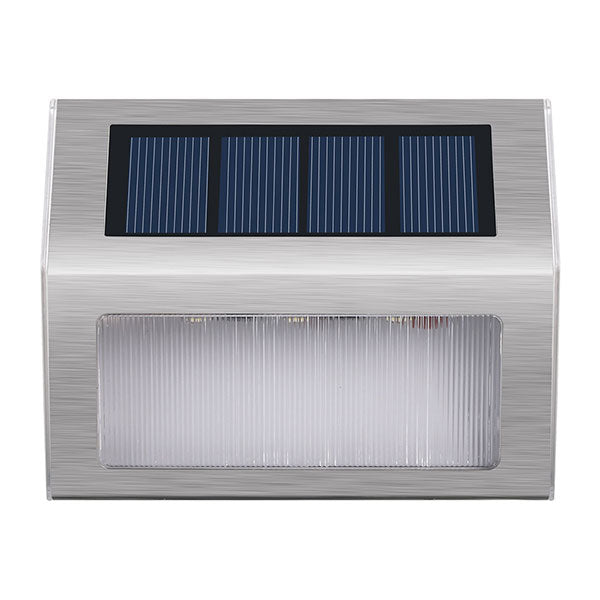
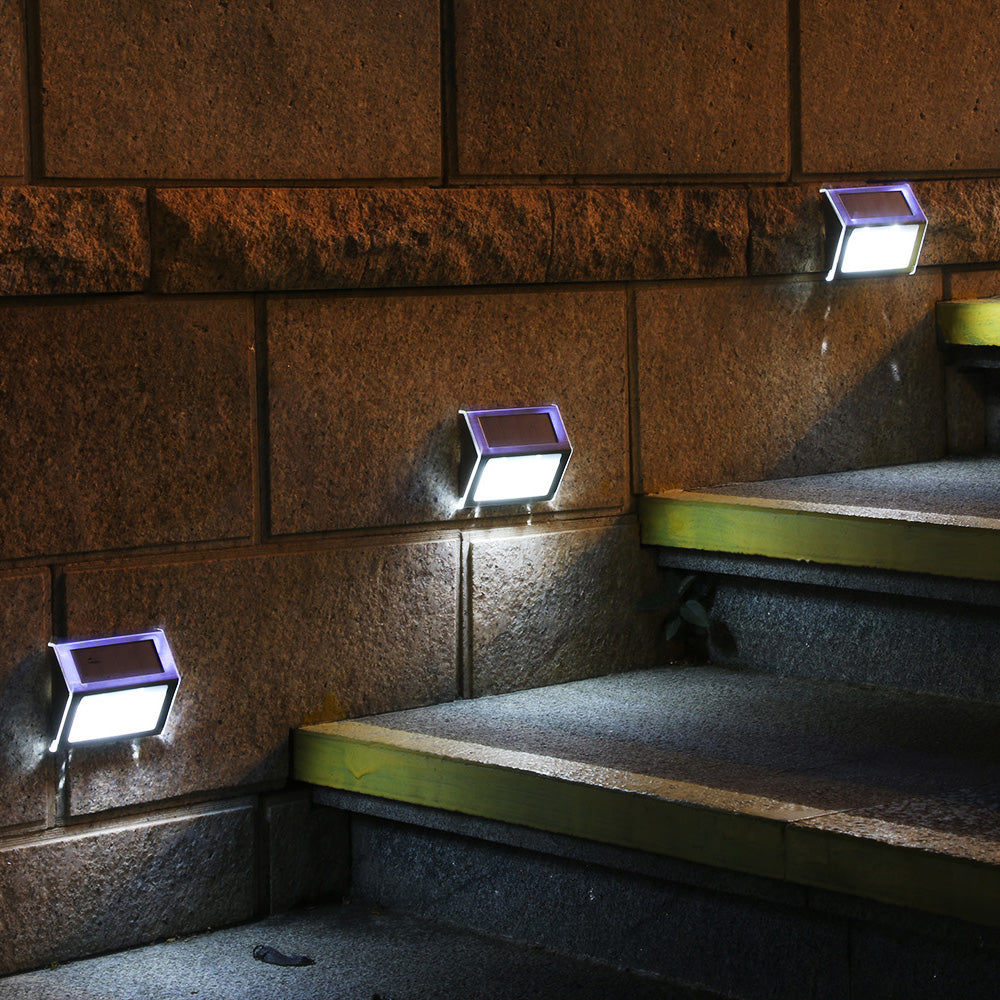
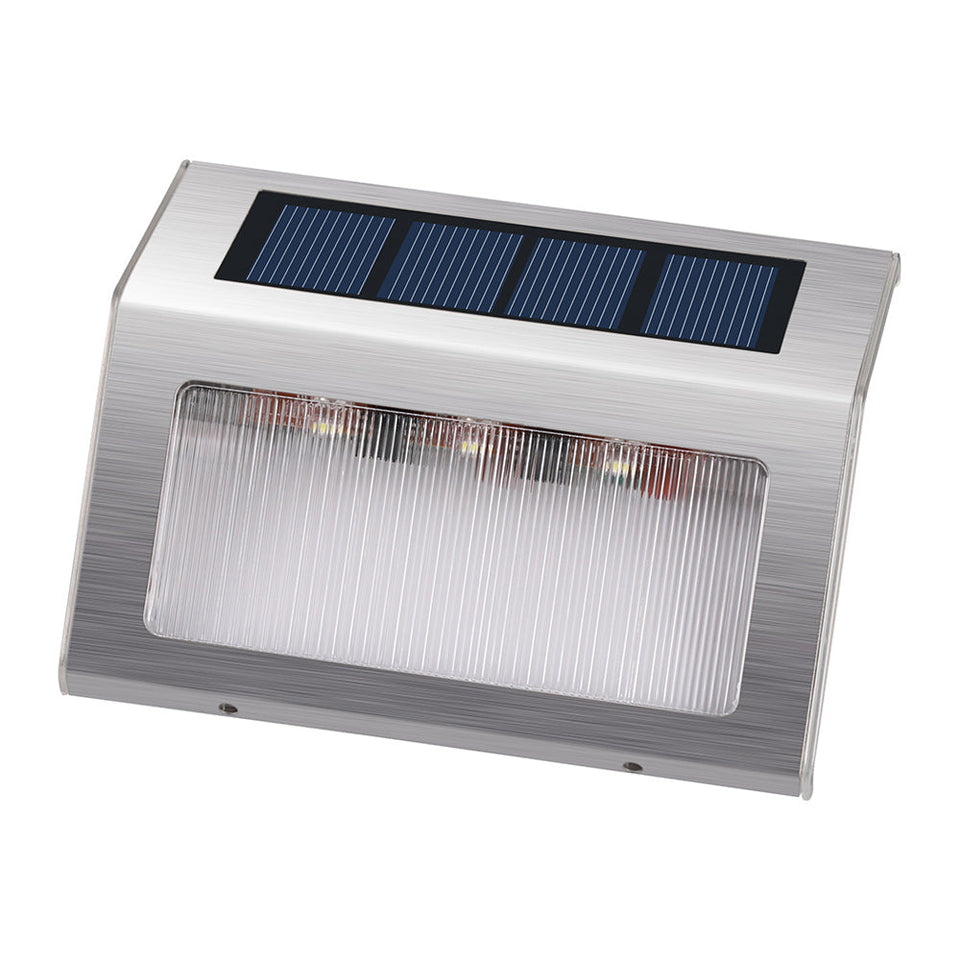
Walk your stairs and path at dusk without feeling for the rail. These brushed stainless solar step lights charge from daylight, switch on by themselves after dark and light each tread edge through a frosted lens. Mount them with screws and skip the wiring.
Read the full descriptionWalk your stairs and path at dusk without feeling for the rail. These brushed stainless solar step lights charge from daylight, switch on by themselves after dark and light each tread edge through a frosted lens. Mount them with screws and skip the wiring.
Solar-powered stainless steel step lights that brighten stairs and paths automatically with no wiring
Dark stairs and slippery paths turn every evening into guesswork. These solar step lights mount with screws, charge by day, and switch on at dusk, so each step edge is lit without a wire in sight.
The solar panel sits on top and collects daylight all day. When dusk falls, the lights switch on by themselves, with no switch to find and no cable behind the wall. Leave the panel in direct sun before the first evening so the unit is fully charged when night comes.
Three LEDs sit behind the ribbed frosted lens, so the light lands on the tread edge as a soft wash instead of a bright spot. Each unit lights the step it sits beside, which is exactly what a stair needs for safe footing.
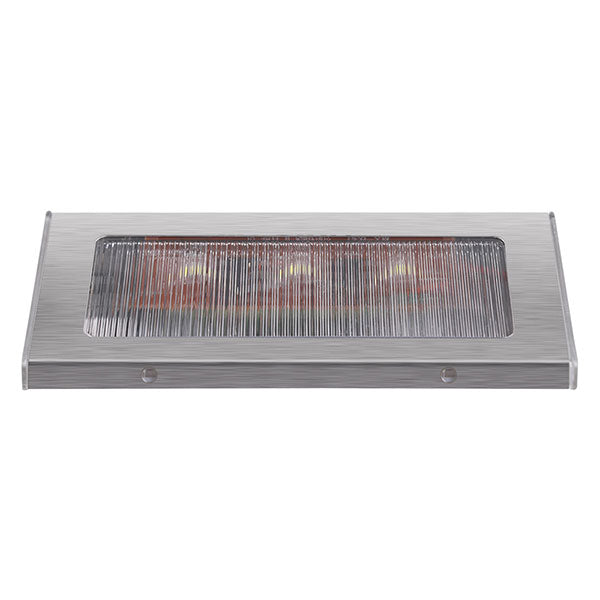
The housing is brushed stainless with a clean geometric shape. Screw holes on the underside give a permanent mount on stone, wood or masonry. Use anchors suited to the surface and the unit stays exactly where you put it.
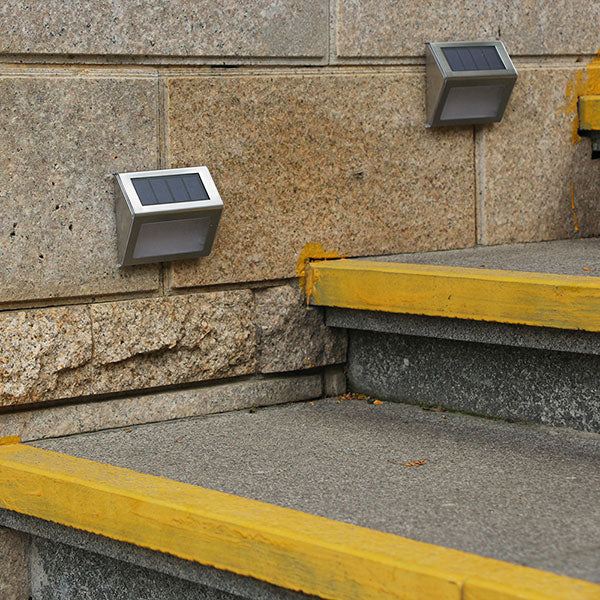
Pick a wall, railing or step riser where the top panel gets direct daylight for most of the day. Keep furniture, planters and overhanging leaves off the panel.
Hold the unit against the surface and mark the screw holes on the underside. Drill, add masonry anchors on stone or concrete, then tighten the screws firmly.
Leave the panel in direct daylight before the first evening. Once charged, each light switches on at dusk without a switch to flip.
Clear dust and debris from the solar panel every few weeks so it keeps collecting daylight well.

Dusk comes before you finish the last errand outside. You feel for the rail, squint at each tread, and hope the edge is where you think it is. One missed step on a deck or stone stair is enough to turn a quick trip into a fall.

Running low-voltage cable to the steps means paying an electrician and opening up a finished deck. Battery puck lights need new cells and plug-in fixtures need an outlet nearby. These units skip all of it. The brushed stainless housing screws onto a wall, railing or step riser, and the solar panel on top handles the charging from then on.

Within a week the walk to the door feels ordinary again. The frosted ribbed lens spreads the glow across each step edge, the three LEDs light the path without a harsh spot, and the lights come on by themselves at dusk. The yard looks finished, and the trip inside is simply safe.
Leave the solar panel in direct daylight before the first evening. Once charged, the lights switch on at dusk without any switch to flip.
Walk the stairs or path each evening and see whether the glow lands on the step edges. Move a unit if a shaded spot slows its charging and dims the glow.
Most evenings the steps and path edges stay lit at dusk with no wiring and no outlet nearby. Keep the panel clear of leaves and dirt so charging stays steady.
| Solar step light | Battery puck lights | Low-voltage wiring | |
|---|---|---|---|
| Needs wiring | No | No | Yes |
| Needs an electrician | No | No | Yes |
| Charges from daylight | Yes | No | No |
| Turns on at dusk by itself | Yes | Partial | Yes |
| Battery changes | No | Yes | No |
Yes, the top panel needs daylight to charge. Mount each unit where the panel gets direct sun for most of the day. In deep shade or on a north-facing wall the lights run dimmer and for less time, so placement matters more than anything else.
Each unit has three LEDs behind a ribbed frosted lens. The lens spreads the glow across the tread edge, which is what a stair needs for safe footing. Think of them as edge markers that make every step readable, not a floodlight for the whole yard.
The housing is brushed stainless steel and it is built for outdoor mounting, so rain and seasons are what it is made to face. Wipe the solar panel every few weeks and check the screws once a season.
No. Each unit has screw holes on the underside, so you mount it on a wall, railing or step and let the built-in solar panel handle the charging. Masonry needs proper anchors, but that is far less work than a low-voltage run.
Puck lights need cells swapped and often throw a small spot of light. These run from the sun, switch on at dusk on their own, and stay put on a screw mount. Keep the pucks for cupboards and give the outdoor steps to these.
For lighting steps, yes. Add up an electrician visit, cable and trenching, then compare that with a set of solar units you mount in an afternoon. You also stop buying batteries for the pucks, and there is no power bill attached to the lights.


 Stainless Steel Solar Step Lights for Stairs and Decks