
$46.90
Free delivery · 7–14 days
Lemon Sprayer Juicer for Fine Citrus Mist Spray

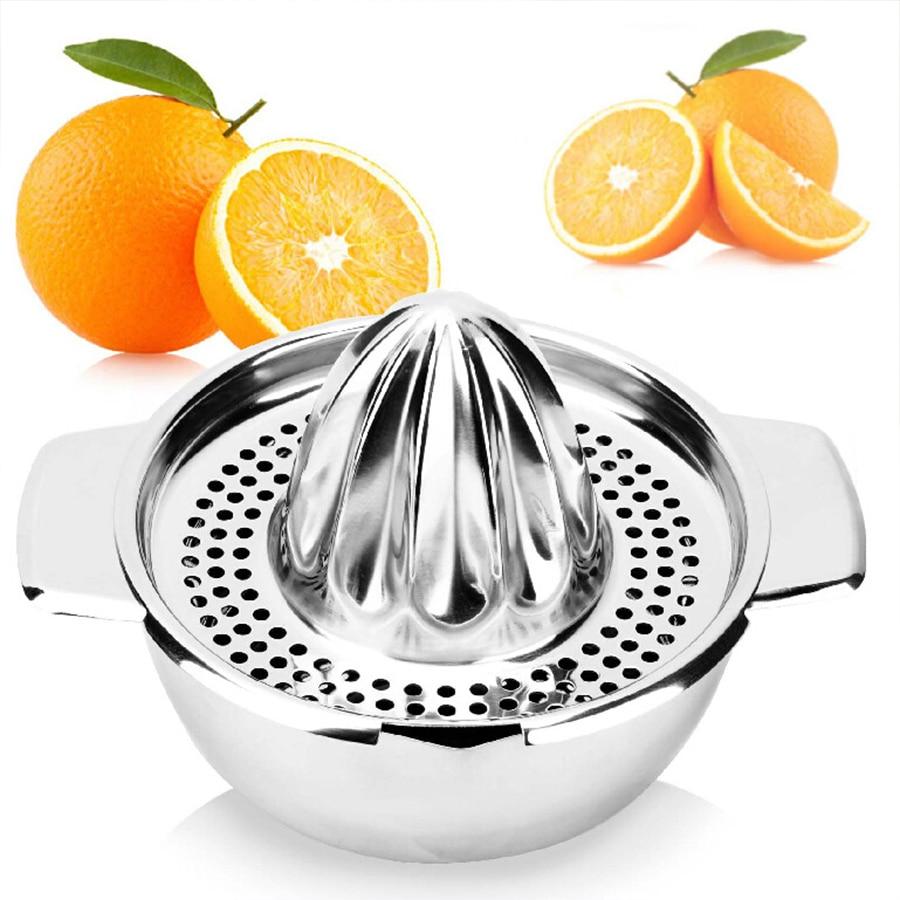

Lemon juice belongs in every morning glass and every recipe, and squeezing it should not leave sticky hands or seeds in the bowl. This all-stainless handheld squeezer does the job in seconds. The ridged reamer releases the juice and the perforated strainer keeps seeds out of your glass.
Read the full descriptionLemon juice belongs in every morning glass and every recipe, and squeezing it should not leave sticky hands or seeds in the bowl. This all-stainless handheld squeezer does the job in seconds. The ridged reamer releases the juice and the perforated strainer keeps seeds out of your glass.
Fresh citrus juice in seconds with a simple all-stainless manual squeezer
Before: wrestling lemon halves, dodging seeds, and wiping juice off the counter. After: one press on a stainless reamer and clean juice drips into the bowl.

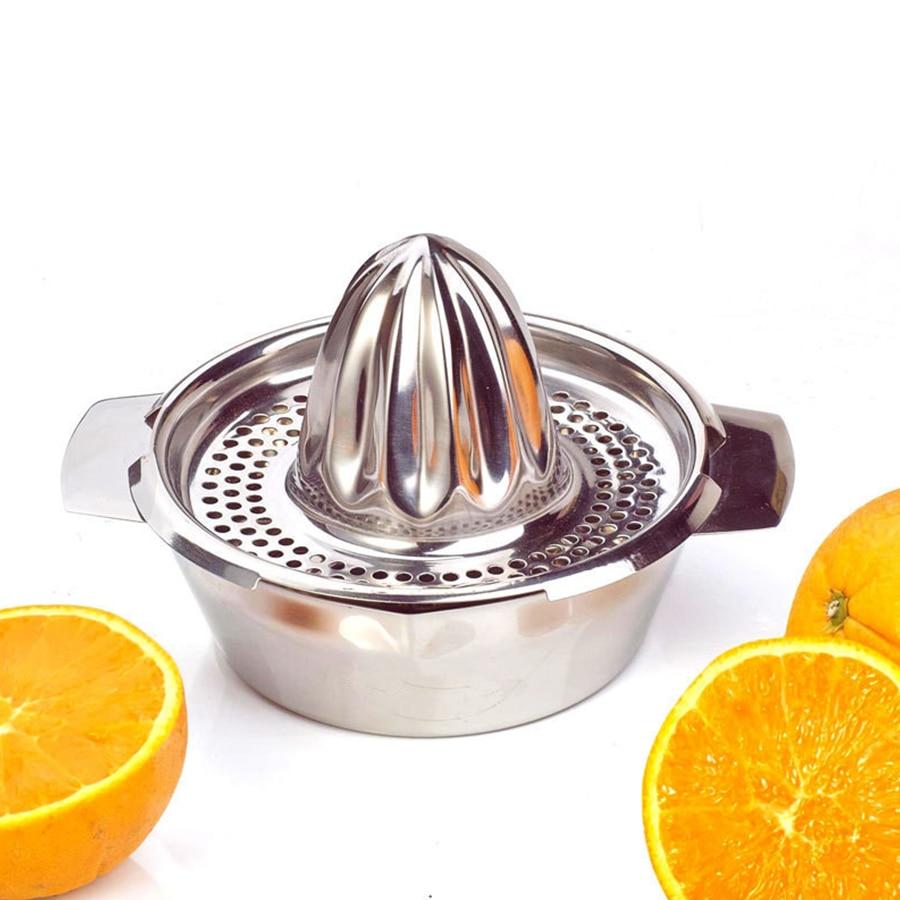
The cone has a mirror-bright finish and deep ridges that channel juice down into the bowl. Press a lemon half onto it and the juice runs off the grooves in one motion. You can work through several halves in a row without stopping to clear anything.

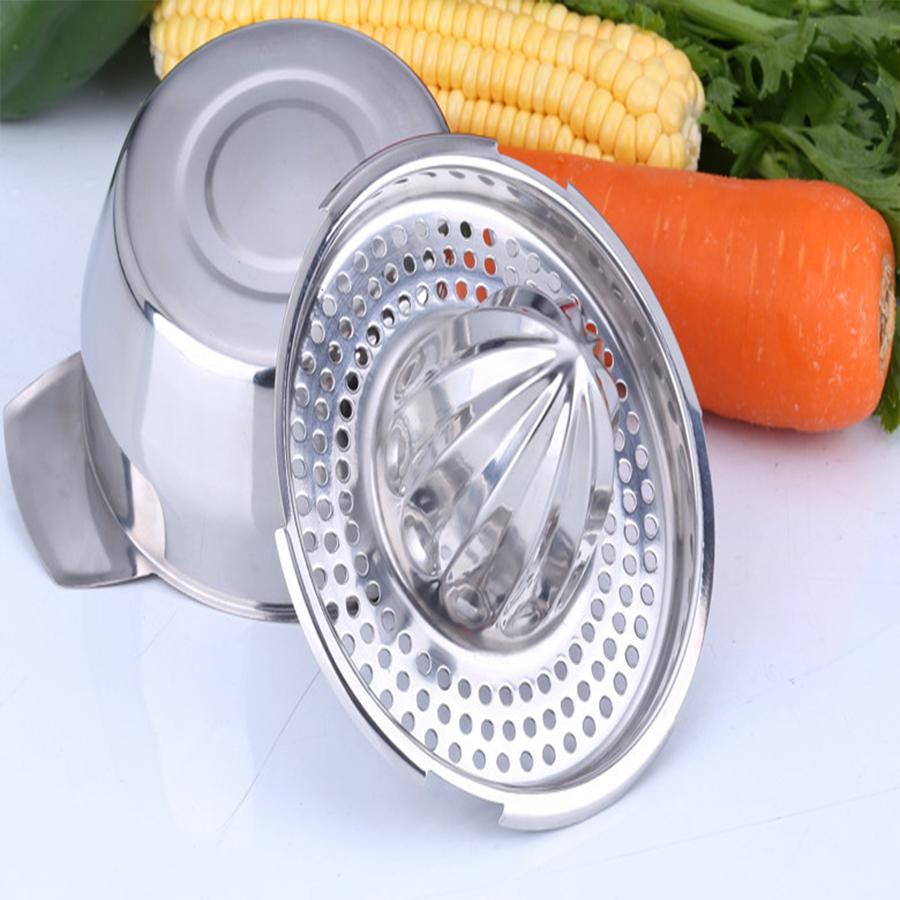
The perforated insert sits over the bowl and catches seeds and pulp before they reach the juice. Pour straight from the bowl into water, a dressing or a shaker without fishing seeds out with a spoon.

Two side handles hold the juicer steady while you press. The riveted joints keep the all-metal body tight, and the solid steel stays firm in the hand even when your fingers are wet with juice.
Cut the lemon across the middle rather than from end to end. A whole lemon does not sit properly on the reamer, so the juice runs off the sides.
Set the cut face onto the ridged cone and press steadily. Juice runs down the ridges and collects in the bowl. Pushing too hard can spill juice over the sides, so keep the pressure even.
Seeds and pulp stay in the strainer. Pour the juice from the bowl into water, a pan or a shaker. Empty the bowl before it gets close to full, then rinse the juicer while the pulp is still soft.
Mirror-finish stainless with deep ridges
Holds back seeds and pulp over the bowl
Deep bowl catches every drop

Every lemon starts the same way. You cut it, squeeze it with your fingers, and end up with sticky hands, a seed or two in the glass, and juice running across the counter. Multiply that by every morning glass of water and every recipe that calls for a squeeze, and the mess becomes a daily chore.

The reamer does the work. Set the cut half on the ridged cone and press down, and the juice runs along the grooves into the bowl below. The perforated strainer sits over the bowl and holds back seeds and pulp, so what reaches your glass is clean juice.

Dry hands, a clean counter, and a glass of lemon water before breakfast. The whole squeeze takes seconds, and the steel rinses clean under running water when you finish. Lemon season and cocktail nights are now, not someday.
Your first lemon goes onto the reamer and the juice runs into the bowl, with seeds caught by the strainer. Expect a short learning curve on pressing angle.
Halving and pressing lemons for morning water or dinner prep gets quick. Hands stay drier and the counter stays cleaner than with hand squeezing.
The juicer lives in the drawer or on the counter and gets reached for whenever citrus appears. A quick rinse after each use keeps the steel bright.
Warm running water loosens pulp from the ridges before it dries.
Work a brush through the cone and the strainer holes so pulp does not harden.
Air dry or towel it off so the steel stays bright.
| This | Hand squeezing | Electric juicer | |
|---|---|---|---|
| Needs power | No | No | Yes |
| Keeps fingers dry | Yes | No | No |
| Catches seeds in the bowl | Yes | No | No |
| Practical for half a lemon | Yes | Yes | No |
Seeds and pulp stay in the strainer during a normal squeeze, so the juice that drops into the bowl is ready to pour. No strainer catches every last fleck, so give the bowl a quick look before you pour into a glass you plan to sip slowly.
Less work than you might expect. Rinse it under warm water right after use, then run a brush through the ridges and the strainer holes. Pulp that dries in the grooves is the only real job, so rinse before it sets.
Yield depends on how juicy the fruit is. Press the cut side firmly and turn the half as you go to get the last drops. The bowl collects everything the reamer releases, so you see the result right away.
Plastic reamers crack and trap pulp in their seams. This one is solid stainless with a mirror-finish cone and riveted handles, built to hold up to daily use. Compared with a manual lemon juicer that wears down, you pay once and skip the sticky fingers and wiped counter every time you cook.
It is built for lemons, limes and small citrus. Larger oranges can work, but you may need to press in two passes to get most of the juice.
No. It is fully manual, so there is nothing to charge, plug in or store near an outlet.


 Stainless Steel Manual Lemon Juicer with Seed Strainer