
$199.90
Free delivery · 7–14 days
Solar Post Cap Lights With Dimmable LED for Gate Posts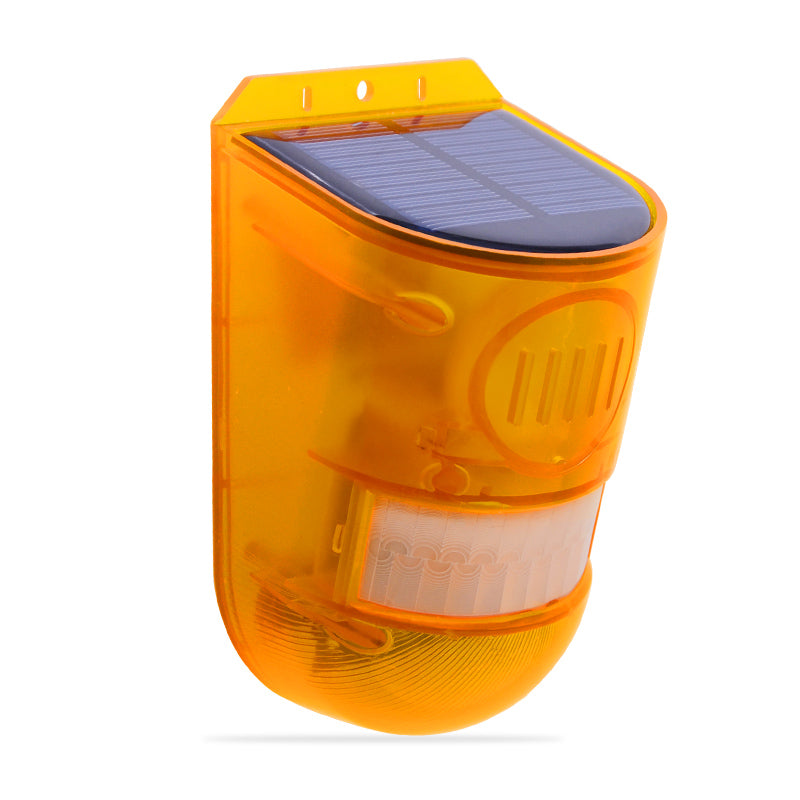
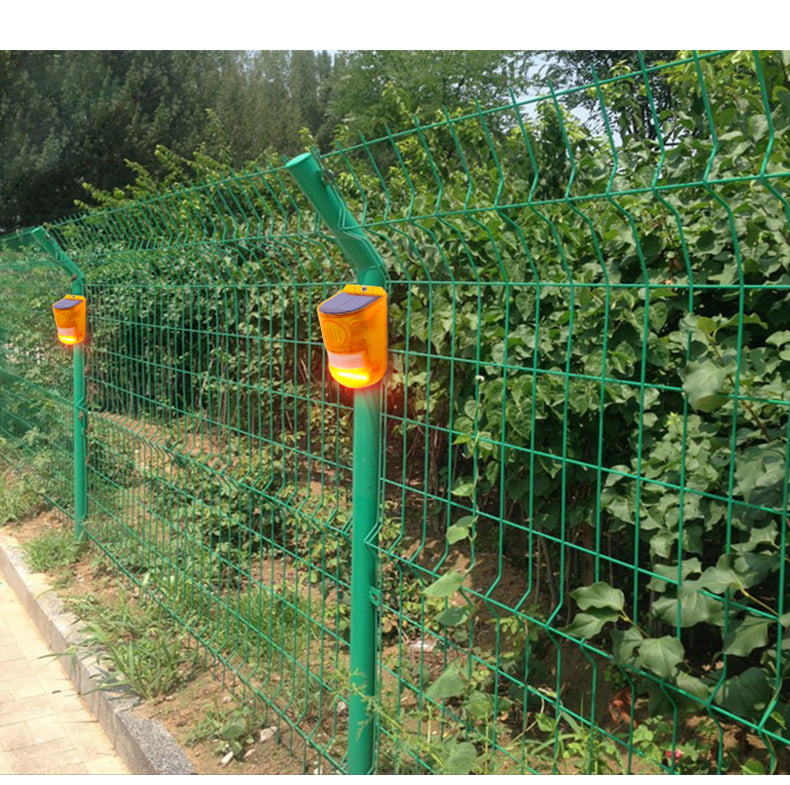
Walk the boundary in your head instead of in the dark. This solar alarm mounts on a post, watches for movement with an infrared sensor, and sounds and flashes when someone crosses the line. Nothing to wire, nothing to plug in.
Read the full descriptionWalk the boundary in your head instead of in the dark. This solar alarm mounts on a post, watches for movement with an infrared sensor, and sounds and flashes when someone crosses the line. Nothing to wire, nothing to plug in.
Solar-powered outdoor alarm that detects intruders by infrared motion and deters them with sound and light
Dark boundaries invite trouble, and running cable to every post is costly or impossible. This solar alarm mounts on top of the post, senses movement, and sounds and flashes to send intruders away.
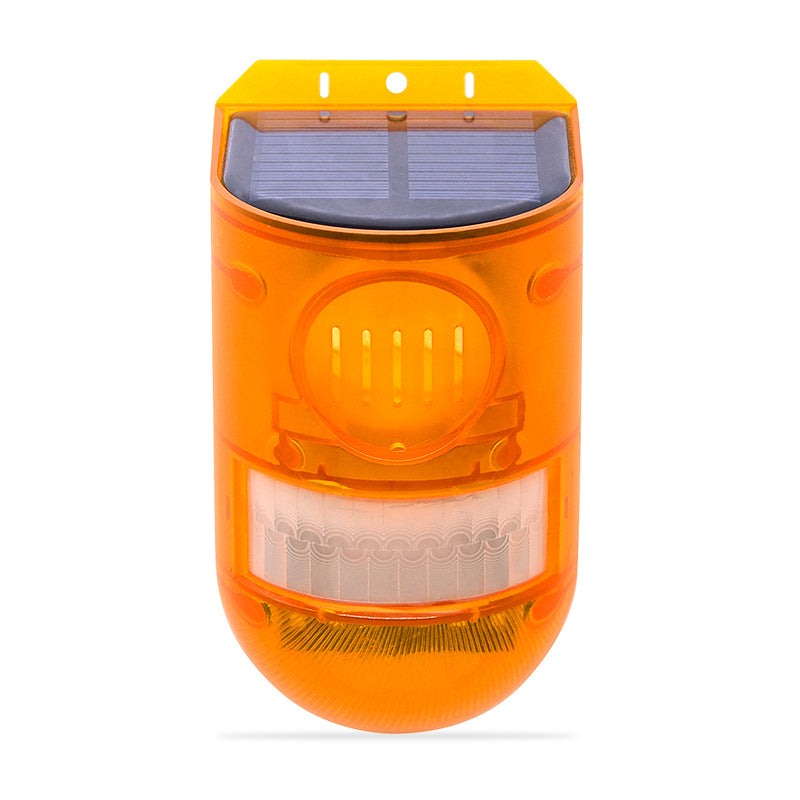
A passive infrared sensor sits behind the frosted white window and picks up the heat signature of a moving body. It watches the approach path, so the unit reacts to someone crossing the line rather than to the sky or the ground under it.
The alarm grille sounds and the warning lens on the lower dome starts flashing the moment motion is detected. A loud, lit alert at the boundary is hard to ignore, and it tells an intruder that the spot is no longer quiet.
The navy panel on top charges the unit in daylight. There is no mains connection to run, no trench to dig, and no electrician to call, so you can put a unit on the far post the same afternoon you decide you need one.
Choose a spot where the navy solar panel sees open sky through the day. Keep trees, walls, and other structures out of its way.
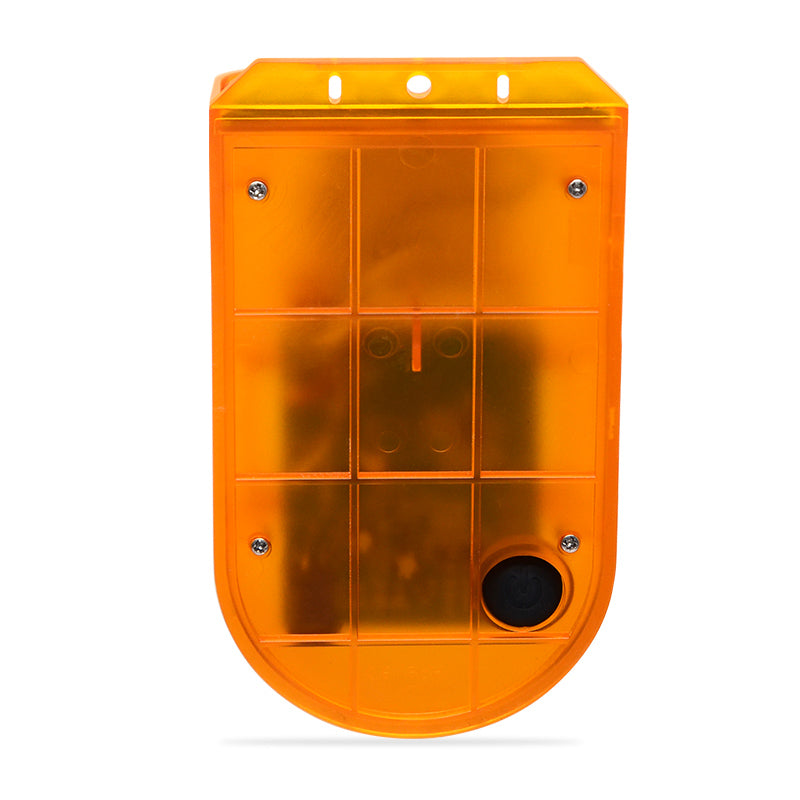
Find the round button on the lower back corner and switch the unit on before you seal anything up.
Screw the unit to the post through the top holes and the back flange. Check it sits flat and firm before you move on.
Point the sensor across the path someone would take, away from swaying branches and roads. Then walk the path slowly to confirm it triggers.

You walk the boundary with a torch and still cannot see the far corner. Every noise from the field makes you wonder what is out there. Without power or cable nearby, the easiest option has always been to hope nothing happens.
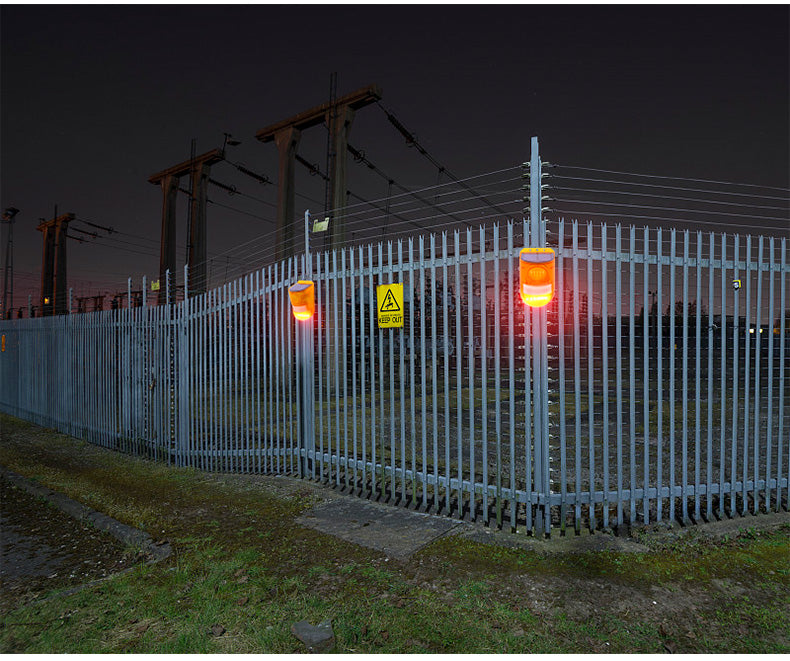
The unit sits on top of the post, drinking in daylight through its navy panel. When the infrared sensor sees movement across the approach, the sound alarm goes off and the warning light starts flashing. A passing fox or a prowler gets the same answer: someone is watching.
Once the units are fixed to the key posts, the walk with a torch stops. The boundary is covered, the gate has its own unit, and you get to sleep through the night knowing the edges are being checked for you.
Fix the unit with the panel facing open sky and the sensor covering the approach. Check the mounting is firm and the switch is on.
Keep the solar panel clear of shade during the day. Mounts under trees or behind other structures will charge slowly.
Walk the approach slowly to confirm the sensor responds. Adjust the angle if branches or wind set it off.
Check the mounts, wipe the solar panel and sensor window, and confirm the unit still responds through the seasons.
Dust and mud cut charging. A damp cloth is enough.
Keep the frosted white window clear so the sensor reads the approach.
Tighten the screws after setup and check the seal each season.
| Solar alarm light | Hardwired alarm | Mains floodlight | |
|---|---|---|---|
| Needs mains power | — | ||
| Needs a cable run to the post | — | ||
| Works at a far fence with no power | — | — | |
| Needs an electrician to install | — | Partial |
The solar panel charges from daylight, so cloud slows it down and short winter days give it less to work with. Keep the panel clear of shade and mount it on the sunniest side of the post. A unit under a tree or against a wall will run low first.
Yes, as long as the unit can be fixed firmly. The top holes and back flange take screws, so it suits round or flat posts, gate uprights, shed walls, and garden walls. Check the flange sits flat before drilling.
Motion sensors respond to movement, so a swaying branch or a passing car in the sensor window can trigger it. Aim the sensor across the approach path and away from foliage and roads, then walk the path to test it.
The alarm grille sounds and the warning light flashes as soon as motion is detected. A sudden noise and light at the boundary tells an intruder they have been seen, which is the point of a deterrent. It is not a replacement for a locked gate.
A hardwired system needs cable, trenching, and an electrician, and it can take a full day to install. This unit mounts with screws and runs on sunlight, so the cost of the install is your time and a drill. Over the years there is no mains bill to pay and no cable to repair.


 Solar Alarm Light for Outdoor Fences, Gates & Yards