
$249.90
Free delivery · 7–14 days
Magnetic Building Blocks for Creative Vehicle Play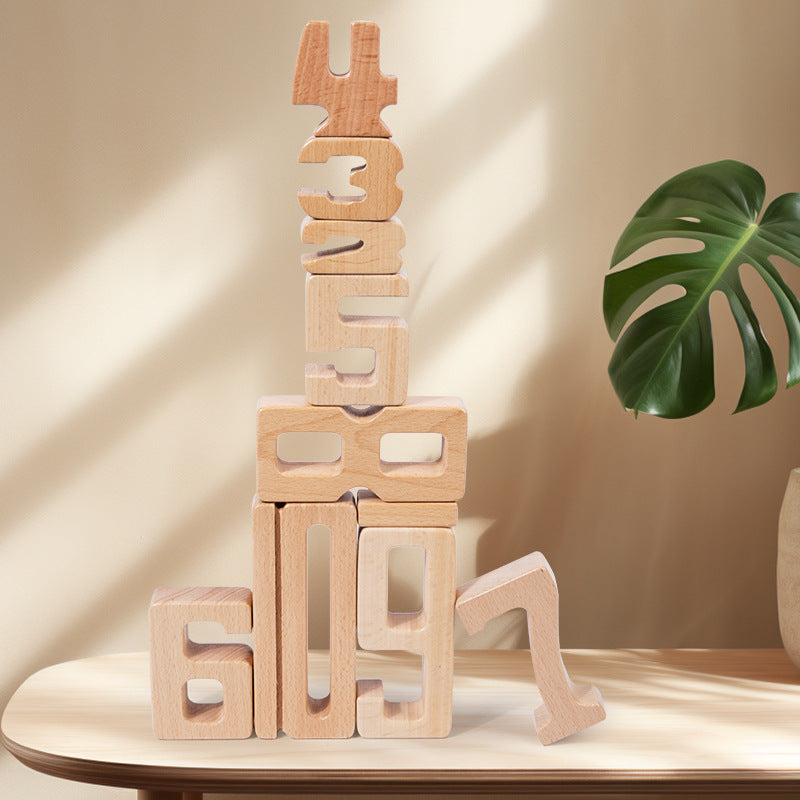
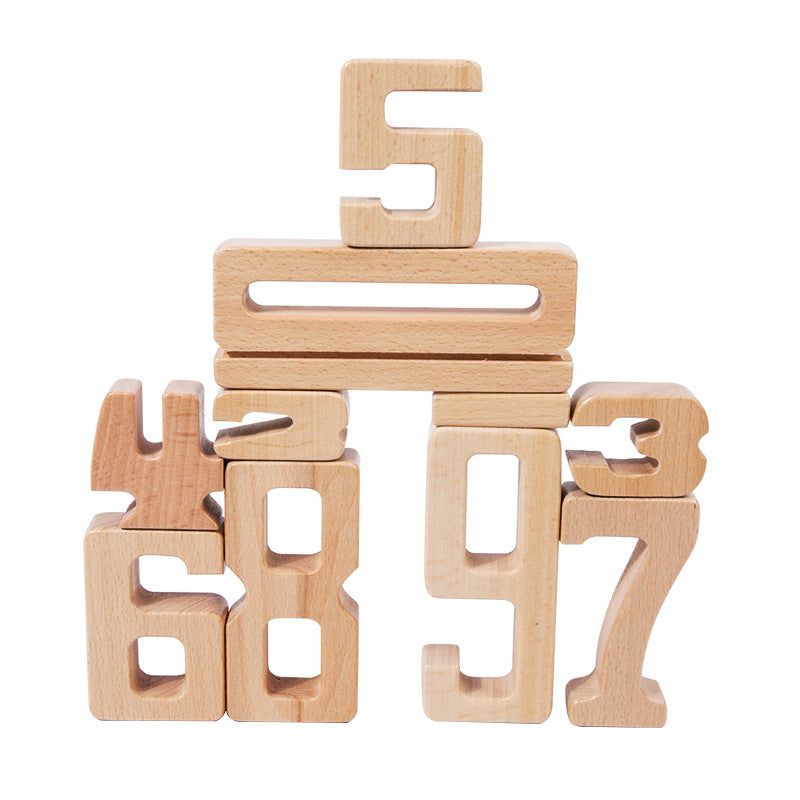
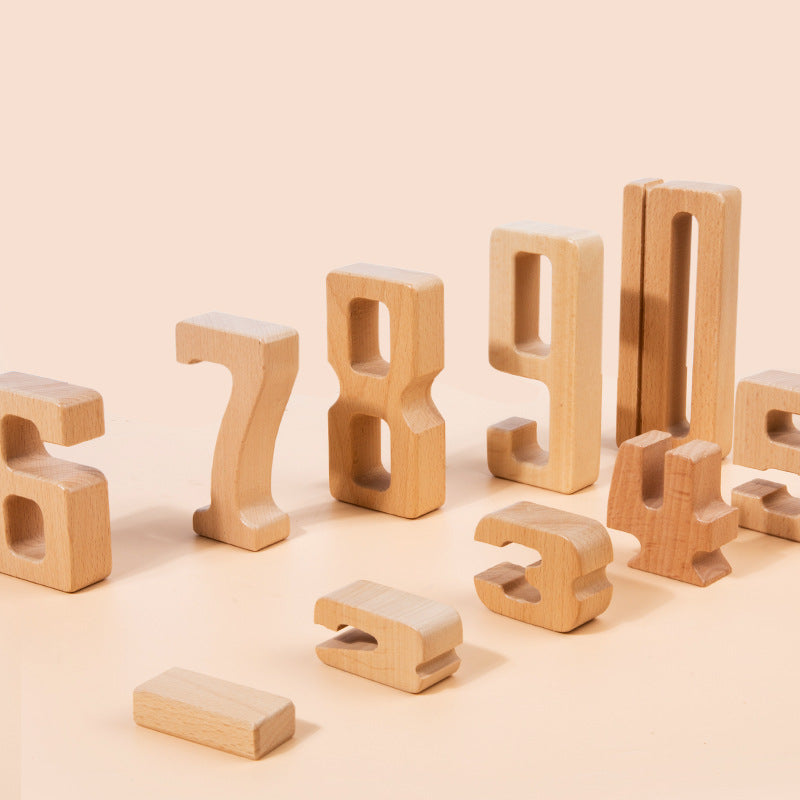
Make early math something children can hold, stack, and understand. Chunky natural-beech number and symbol blocks bring counting, sequencing, and simple equation play to the tabletop.
Read the full descriptionMake early math something children can hold, stack, and understand. Chunky natural-beech number and symbol blocks bring counting, sequencing, and simple equation play to the tabletop.
Hands-on wooden number blocks that make early math learning tactile, visual, and fun
When numerals feel abstract, children can touch, stack, and arrange them into something they understand. These chunky wooden blocks turn counting and simple equations into hands-on play.

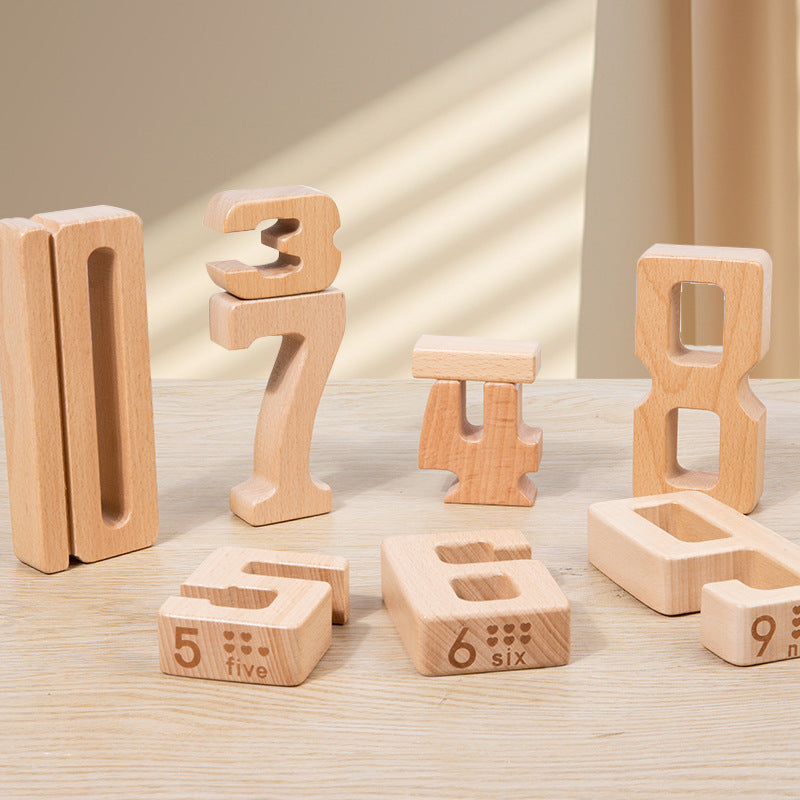
Chunky, recognizable number shapes let children hold, rotate, arrange, and revisit numerals instead of only seeing them printed on a page.

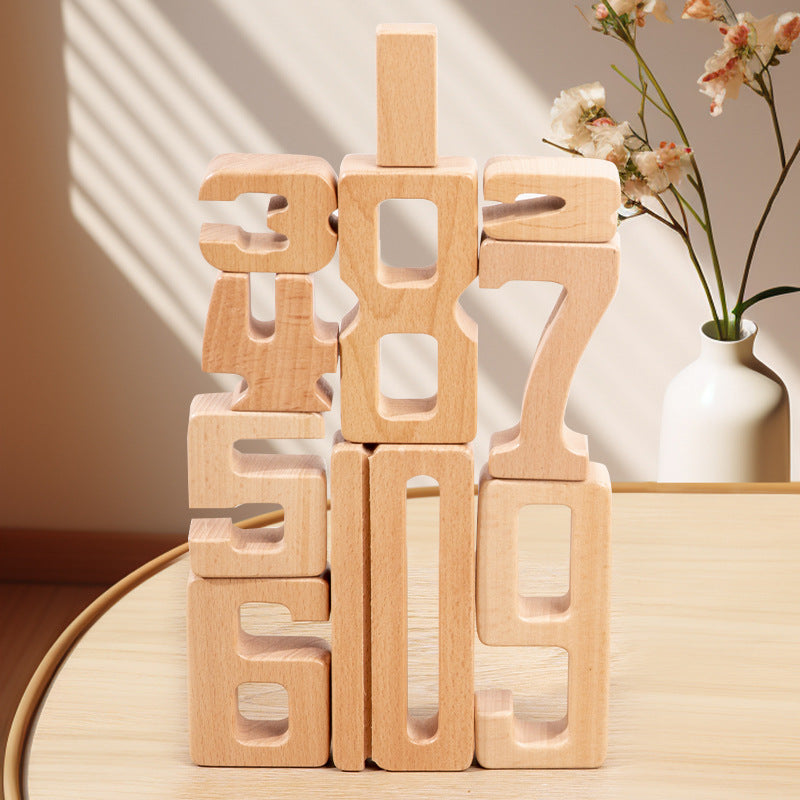
Freestanding blocks turn counting and sequencing into visible towers and arrangements, giving children room to explore patterns and order through play.
Wooden arithmetic symbols extend play beyond numeral recognition into guided matching, comparison, and simple equation arrangements.
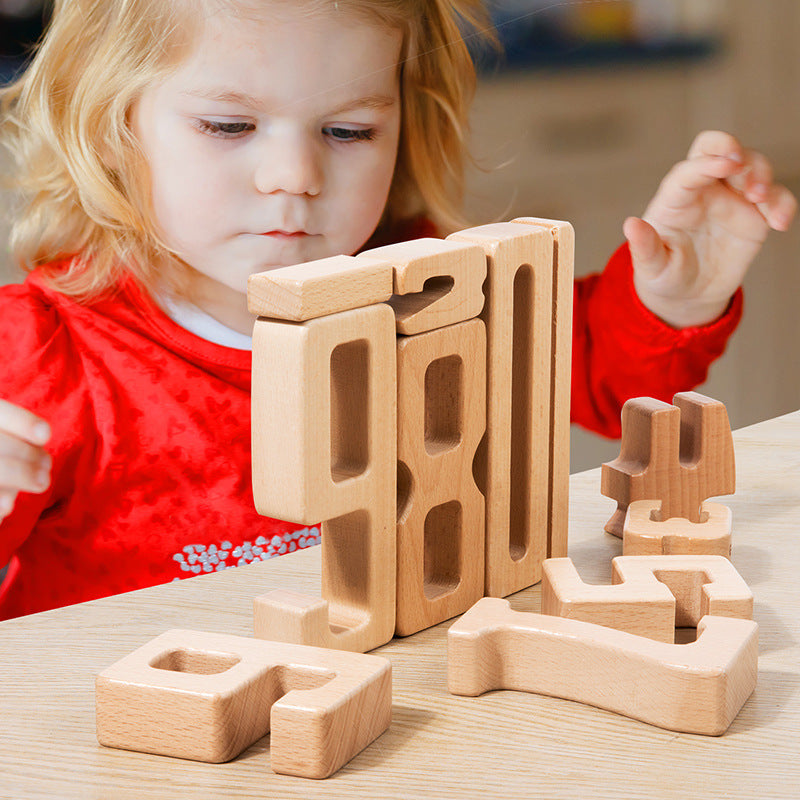
Set out a few blocks and let your child handle, balance, rotate, and stack them without asking for a correct answer.
Choose a few numerals, count objects beside them, and invite your child to place the matching blocks in order.
Introduce arithmetic symbols during a guided game. Build a simple arrangement together and let your child explain what they see.
Chunky numeral shapes for handling, counting, sequencing, and stacking.
Symbols for guided matching, comparison, and simple equation arrangements.
A numeral on a page can be difficult to grasp when a child cannot physically explore what it represents. These blocks give counting a shape, texture, and weight that children can pick up and revisit.
Stacking, arranging, and repeating simple activities turns number practice into self-directed play. Children can make a sequence, build a tower, or start again when the arrangement topples.

A small tabletop activity gives parents and teachers a relaxed way to practice without screens or worksheet pressure. The child can lead with curiosity while an adult adds gentle prompts when useful.
Use a soft, slightly damp cloth when needed.
Dry the pieces fully and avoid soaking them.
Keep the blocks in a dry place after tabletop play.
Avoid abrasive products that can affect the natural wood appearance.
| Wooden number blocks | Worksheets and flashcards | Generic counters | |
|---|---|---|---|
| Three-dimensional number exploration | Yes | No | Partial |
| Recognizable numeral shapes | Yes | Yes | No |
| Freestanding stacking play | Yes | No | Partial |
| Arithmetic symbols included | Yes | Partial | No |
| Useful across repeated activities | Yes | Partial | Yes |
They suit preschool and kindergarten children, especially ages 3 to 6, with close adult supervision and activities matched to the child's readiness. Younger children can begin by handling and stacking, while older preschoolers can explore sequences and symbols.
Yes. The set includes wooden number blocks and wooden arithmetic symbol blocks. The visible pieces support numeral recognition, counting, matching, comparison, and simple equation arrangements.
Yes. Stacking is an easy first invitation, but children can also sort numerals, build sequences, match numbers to counted objects, compare arrangements, and add symbols with adult guidance.
They fit preschool classroom stations, small-group activities, homeschool lessons, quiet tabletop play, and parent-child learning time. Their open-ended format works for repeated activities rather than one fixed game.
Handle the pieces with clean, dry hands and store them in a dry place after play. Wipe gently with a soft, slightly damp cloth when needed, then dry fully. Avoid soaking, harsh cleaners, and prolonged moisture.
No. They are hands-on learning materials that give children a concrete way to explore early math. Teachers and parents still decide which numbers, counting activities, and symbols fit the child's stage.


 Montessori Wooden Number Blocks for Hands-On Math Play