
$37.90
Free delivery · 7–14 days
Building Block Flower Bouquet – Everlasting Home Decor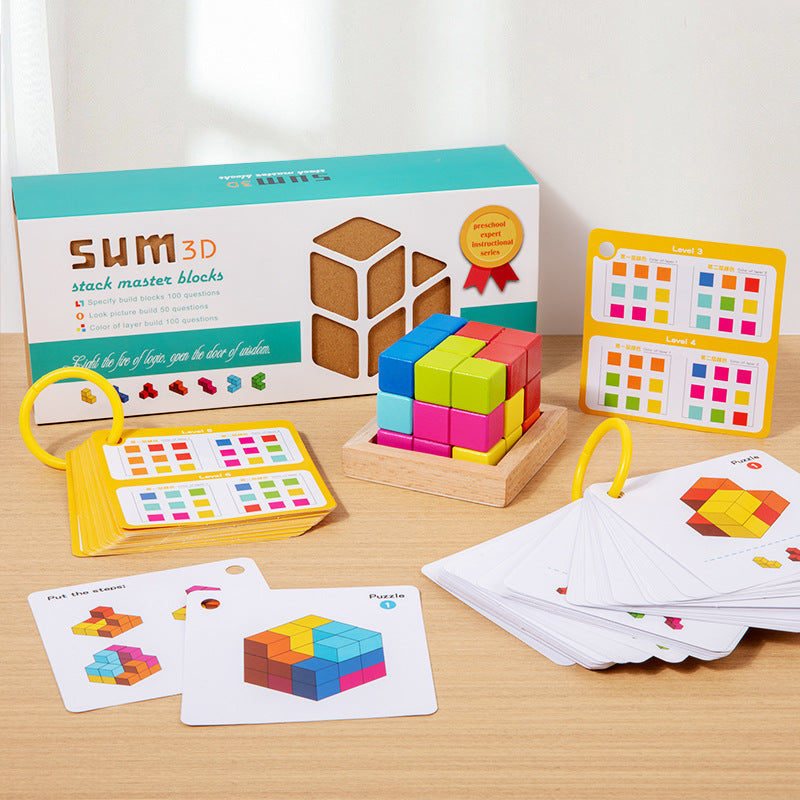
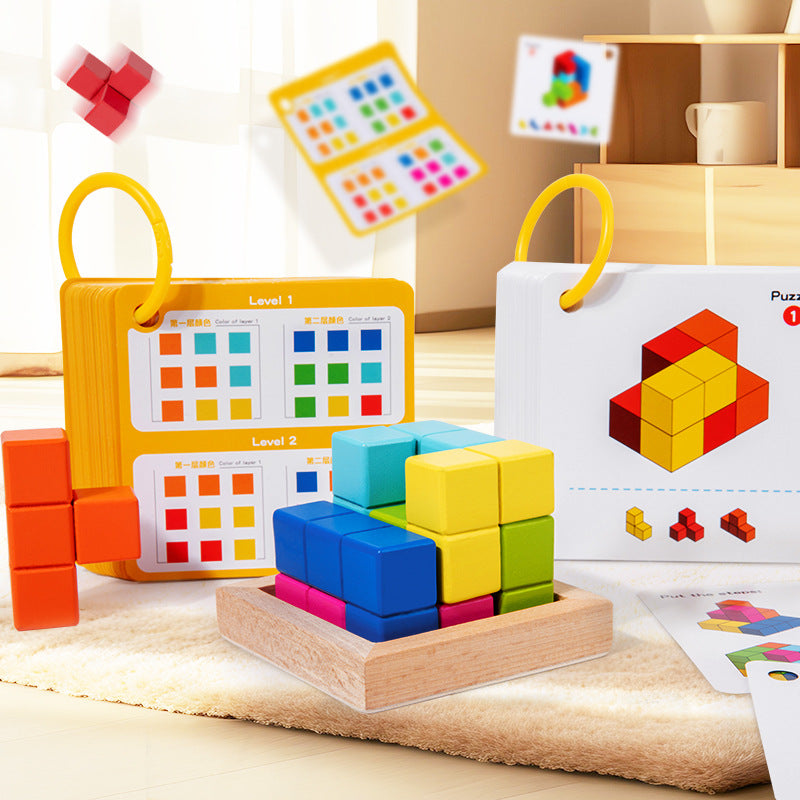
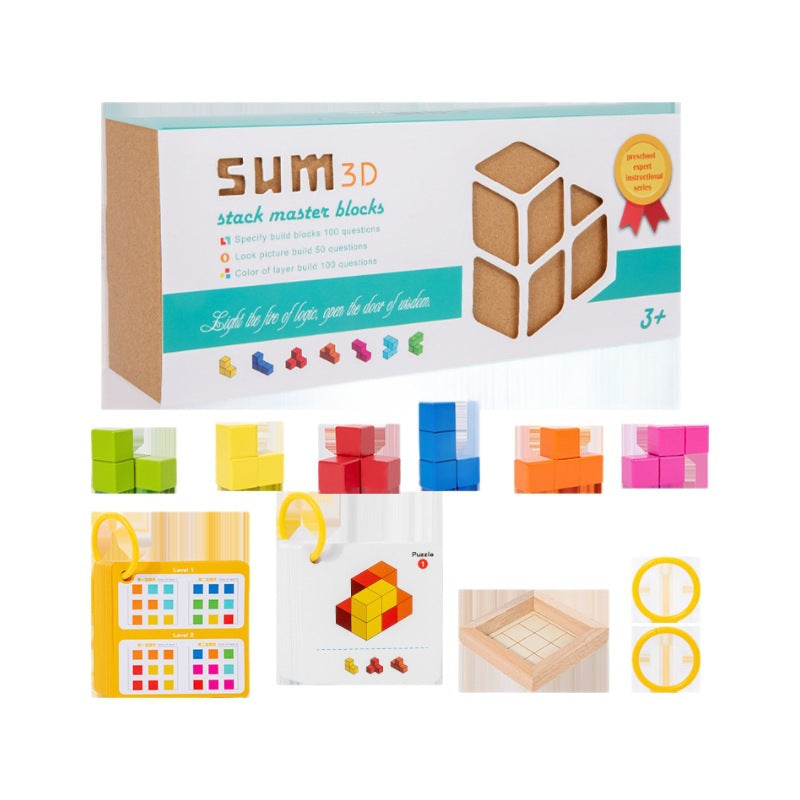
Turn restless downtime into focused discovery with colorful wooden puzzle blocks for kids. Children study progressive cards, build 3D arrangements, and feel proud when the pattern comes together.
Read the full descriptionTurn restless downtime into focused discovery with colorful wooden puzzle blocks for kids. Children study progressive cards, build 3D arrangements, and feel proud when the pattern comes together.
Hands-on 3D spatial puzzle play with 100 progressive challenge cards
Give children a hands-on way to practice spatial thinking, concentration, and problem-solving. They start with simple builds and work toward colorful 3D card challenges.
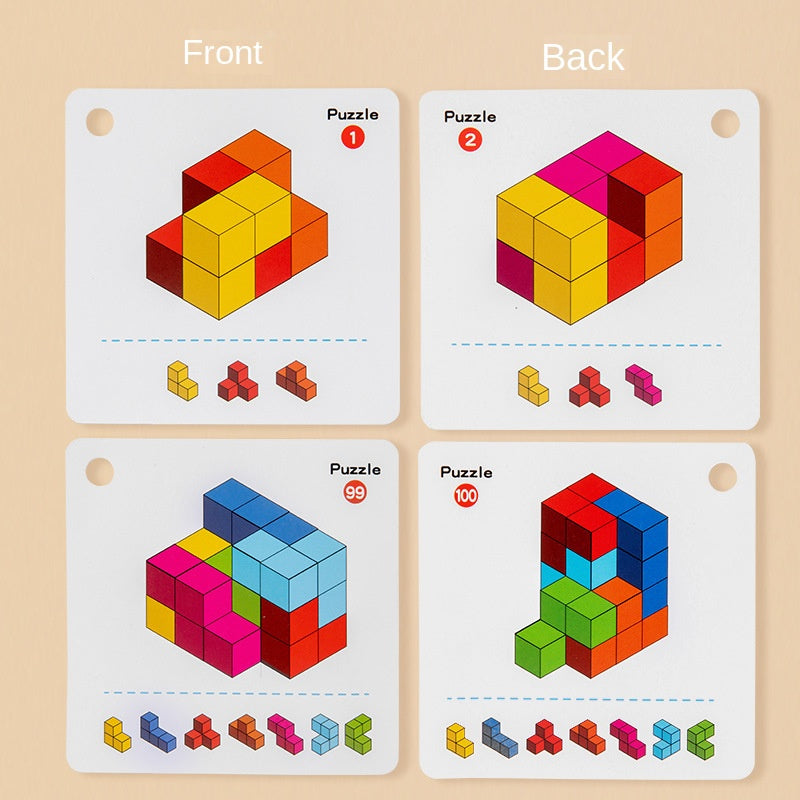
The primary and advanced card sets create a visible path from approachable designs to more complex arrangements. Children can begin with a clear goal instead of inventing every activity themselves.
The grooved wooden base gives children a defined place to construct. It keeps the task visually contained and turns scattered pieces into a focused building activity.
Bright geometric wooden cubes make spatial reasoning tactile. Children rotate, stack, compare, and adjust pieces until the arrangement matches the illustrated challenge.
Start with a primary card, or select an advanced design when the child is ready for a bigger puzzle.
Look at the colors, positions, and shape of the pictured build before touching the blocks.
Place and rotate the wooden cubes in the grooved base, checking the arrangement as it takes shape.
Match the completed build to the card, then adjust any piece that is out of place. Move to a fresh challenge when ready.
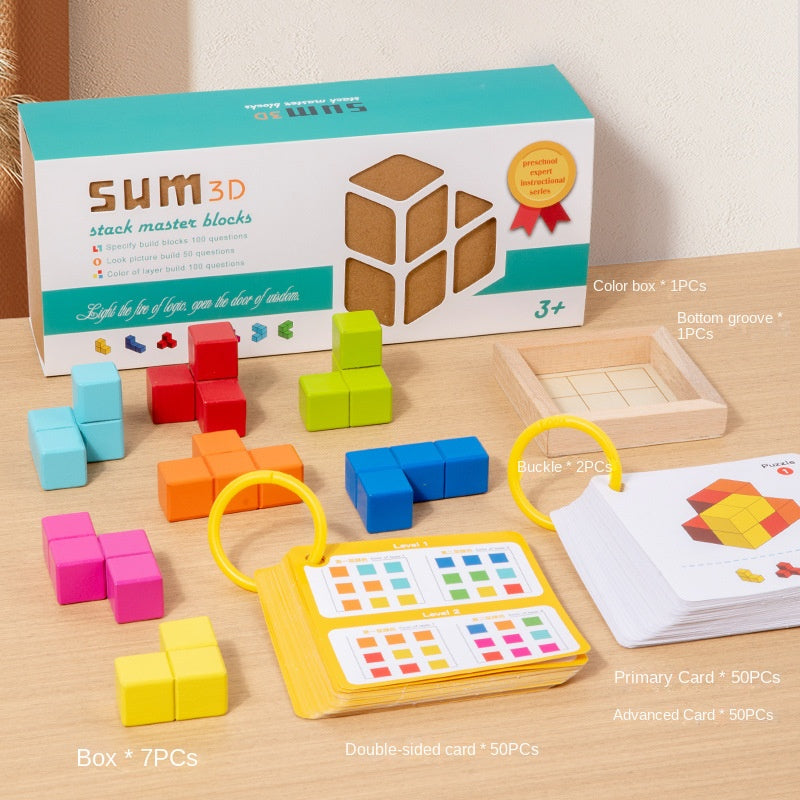
Compact storage box for the set
Grooved construction surface
Bright geometric wooden cubes
Approachable starting designs
More complex spatial arrangements
Listed components for the organized set
Included fastening pieces

Children often bounce between toys and screens because open-ended play gives them no clear next step. A pictured challenge creates an achievable task they can see, touch, and stay with.

Choose a card, study the arrangement, then place the geometric cubes in the wooden tray. Each attempt gives children a concrete next move, so problem-solving feels active rather than abstract.

The finished arrangement is easy to compare with the card. Children see what they built, notice what changed, and feel the quiet satisfaction of completing a challenge on their own.
With an adult nearby, the child learns to study a card, place the blocks, compare the result, and make adjustments.
The child begins understanding that each card presents a specific goal, making setup feel more familiar and purposeful.
Regular play provides many opportunities to revisit easier cards, attempt new arrangements, and practice staying with a challenge.
Children may choose cards more confidently and explain their building choices, while adults continue matching challenge difficulty to readiness.
| This set | Loose blocks | Screen games | |
|---|---|---|---|
| Hands-on building | Yes | Yes | No |
| Guided challenge cards | Yes | No | Partial |
| 3D spatial practice | Yes | Partial | Partial |
| Progressive difficulty | Yes | No | Partial |
| Defined building tray | Yes | No | No |
| Screen-free activity | Yes | Yes | No |
Yes, it is intended for children aged 3 and up. Begin with the primary cards, stay nearby, and let the child work through one approachable design at a time.
Yes. The set includes 50 primary cards and 50 advanced cards. Children can start with simpler arrangements and move forward when the building loop feels familiar.
The set includes 7 colored wooden building blocks, 50 primary cards, and 50 advanced cards, for 100 challenge cards altogether. It also includes the wooden base tray, box, color box, and 2 buckles.
Yes. The cards give the activity direction, while the colorful geometric cubes also work for open-ended stacking and arranging.
Yes. The grooved base gives the build a defined area and makes it easier to keep the cubes together while a child studies and recreates a card.
Yes. The progressive cards create a clear activity for early-learning centers, small groups, weekend practice, and one-on-one parent-child sessions.


 Wooden Puzzle Blocks for Spatial Skills, Focus & Play